

 United States
National Cook for Your Pets Day
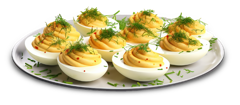
National Cook For Your Pets Day encourages pet owners to go beyond store-bought pet food and prepare homemade meals as an expression of love and appreciation for their furry companions.
Today
United States
National Cook For Your Pets Day encourages pet owners to go beyond store-bought pet food and prepare homemade meals as an expression of love and appreciation for their furry companions.
Browse each living food calendar on its own — flags, names, and a year of dishes.
Food Holidays is the companion to the iPhone, iPad, and Vision Pro app. Browse food holidays and national food days on the web. The app adds widgets, daily reminders, favorites, share cards, and Where to Eat.
What is Food Holidays?
In the United States, “National Pizza Day” is a cheerful calendar tradition — part folklore, part marketing, entirely edible. Other countries mark harvests, saints, street foods, and family recipes. Food Holidays gathers those food holidays and national food days across 12 active calendars so you can celebrate with the rest of the table, even if your own country never named a day for dumplings.
Every holiday has a dish, a recurring date, and a short history you can actually read.
International plus the United States, Italy, Mexico, Japan, China, France, India, Spain, Israel, Türkiye, and Saudi Arabia.
Widgets, daily notifications, favorites, and Where to Eat live on iPhone, iPad, and Vision Pro.
Also on the table today
Restaurant offers and local events, each with a link to the original source.

Corpus Christi Vegan & Vegetarian Meetup (RSVP for location) · Port Aransas, TX
Corpus Christi Vegan & Vegetarian Meetup's World Vegan Day potluck, 1 to 4 PM, island casual. Everyone is invited and any food you bring must be vegan; if you're new to vegan food, just bring yourself, as there's always extra.

Portland restaurants, bakeries and carts · Portland, OR
Portland's fourth annual World Vegan Month, Nov 1 to 30: vegan food and drink specials at 35 restaurants, bakeries, food carts and pop-ups, with part of each special's sales going to a cause the business picks. Fill a stamp card for a chance to win gift cards.
Sipeos, Broadway Plaza · Walnut Creek, CA
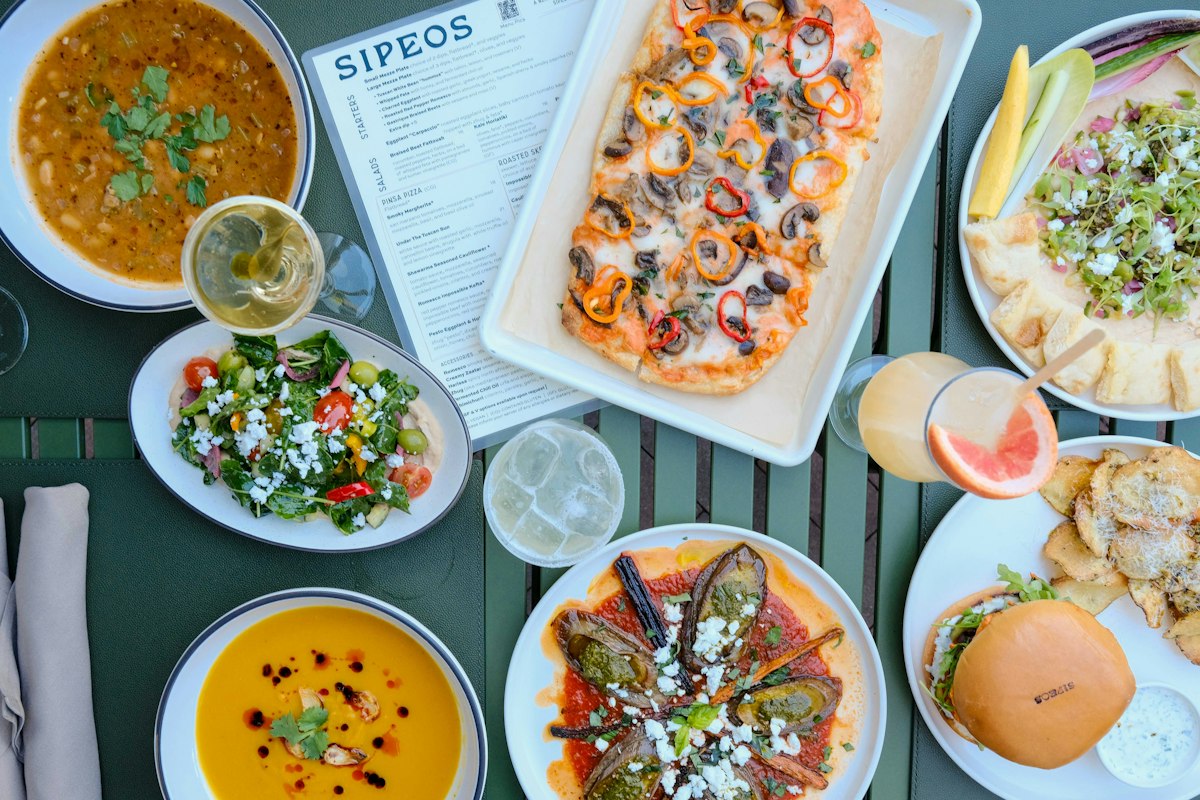
San Francisco Vegan Society brunch for World Vegan Day at noon, with 10% off for the group, then vegan treats at the new Läderach Swiss chocolate shop a couple of doors down. Order from the brunch or full menu; the group decides on family-style or paying for your own meal.
Participating Colorado Springs restaurants · Colorado Springs, CO
Starting on World Vegan Day, more than 20 Colorado Springs restaurants and food businesses showcase vegan dishes, Nov 1 to 8.
Dupont Circle, Washington · Washington, DC
World Vegan Day dinner and conversation with Jewish Vegan Life, the Veg Society of DC and FARM at 5 PM. Register to get the venue near Dupont Circle; you order and pay from the menu.

Vegan Nom Food Park · Austin, TX
Free block party, 10 a.m.–2 p.m., with a vegan market, food trucks, live music, and flash tattoos. Free parking.

Adina's Vegan Cuisine · St. Louis, MO
St. Louis vegan hip-hop party for World Vegan Day, 6–10 p.m., with a DJ, vendors, and vegan soul food. Kitchen closes 8:30 p.m.; ticketed.
 United States
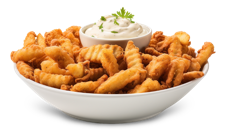
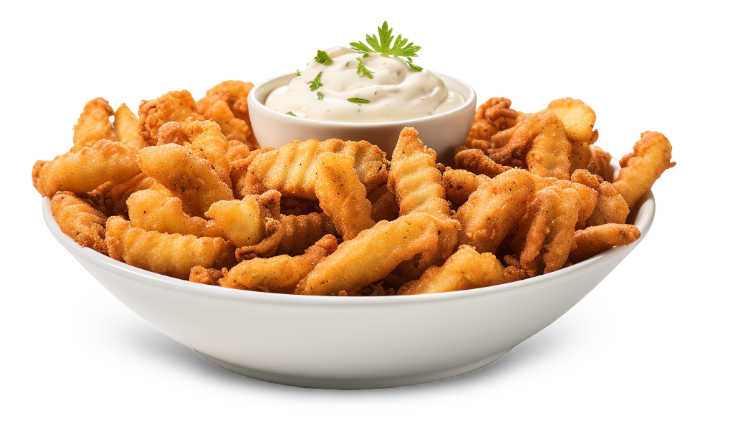
National Deep Fried Clams Day commemorates the accidental culinary discovery made by Lawrence Henry ”Chubby“ Woodman in Essex, Massachusetts, in 1916. Operating a modest stand with his wife, Bessie, they initially sold soft shell clams and homemade potato chips. The turning point occurred when a local fisherman suggested they fry clams, leading to the birth of deep-fried clams. Experimenting with batters, the Woodmans introduced this delicacy at the town's Fourth of July parade, sparking a regional love affair. Since then, fried clams have become a cornerstone of New England's culinary identity, akin to barbecue in the South. Clam shacks along the East Coast serve these golden treasures, known as ”clam rolls.“ The Woodmans' contribution marked a pivotal moment in culinary history, establishing a tradition that endures. Celebrated on November 1st, the exact reason for the date change from July 3rd remains unknown. Regardless, National Deep Fried Clams Day acknowledges a dish that transcends time and regional tastes. Beyond its historical significance, fried clams offer nutritional benefits when consumed without breading and excessive oil, being low in cholesterol and fat while rich in vitamins and minerals. Whether enjoyed on New England shores or recreated at home, the timeless appeal of fried clams continues to captivate seafood enthusiasts across generations.
Read the story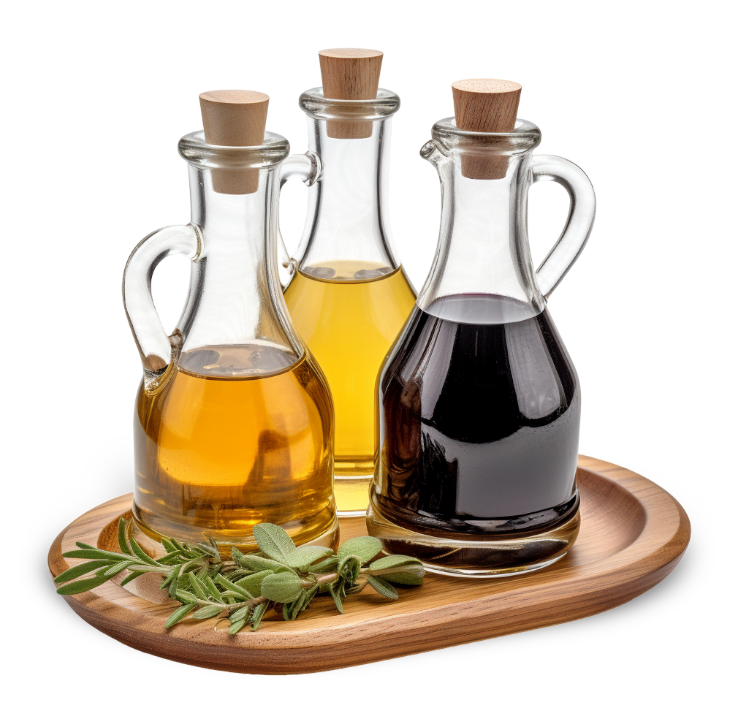 United States
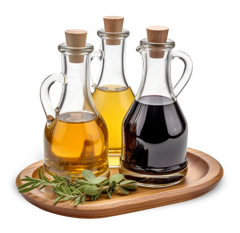
The history of vinegar dates back to ancient Babylon around 3000 B.C., when it was initially created from readily available sources like dates, figs, and beer. Traces of vinegar have also been found in Egyptian urns, showcasing its early global presence. In East Asia, particularly during the Zhou Dynasty in China, vinegar production became a specialized craft, with designated ”vinegar makers“ in noble households. The Greeks and Romans used vinegar, often derived from wine, for culinary and medicinal purposes. The Spartans, for instance, incorporated vinegar into their traditional broth, ”Meral Zomos,“ as an emulsifier. During the Middle Ages, Islamic scholars isolated acetic acid by distilling vinegar, contributing to the formalization of vinegar production in Europe. In the 19th century, industrialization and scientific advancements revolutionized vinegar production. The Orléans process in France and the development of malt vinegar in England are noteworthy milestones. Karl Sebastian Schüzenbach's invention of the packed generator in 1823 streamlined fermentation times, leading to the production of distilled white vinegar. Japan also embraced industrialization, with Matazaemon Nakano discovering sake lees as a base for rice vinegar. The 20th century saw further innovations, including a submerged fermentation process that reduced production times to 1-2 days, enabling global mass production of affordable vinegar. Vinegar, with its myriad varieties such as apple cider, balsamic, rice, and malt, plays a crucial role in culinary arts, acting as a key ingredient in pickling, vinaigrettes, sauces, and condiments. Its uses extend beyond the kitchen, finding applications in cleaning, gardening, and even medical remedies.
Read the story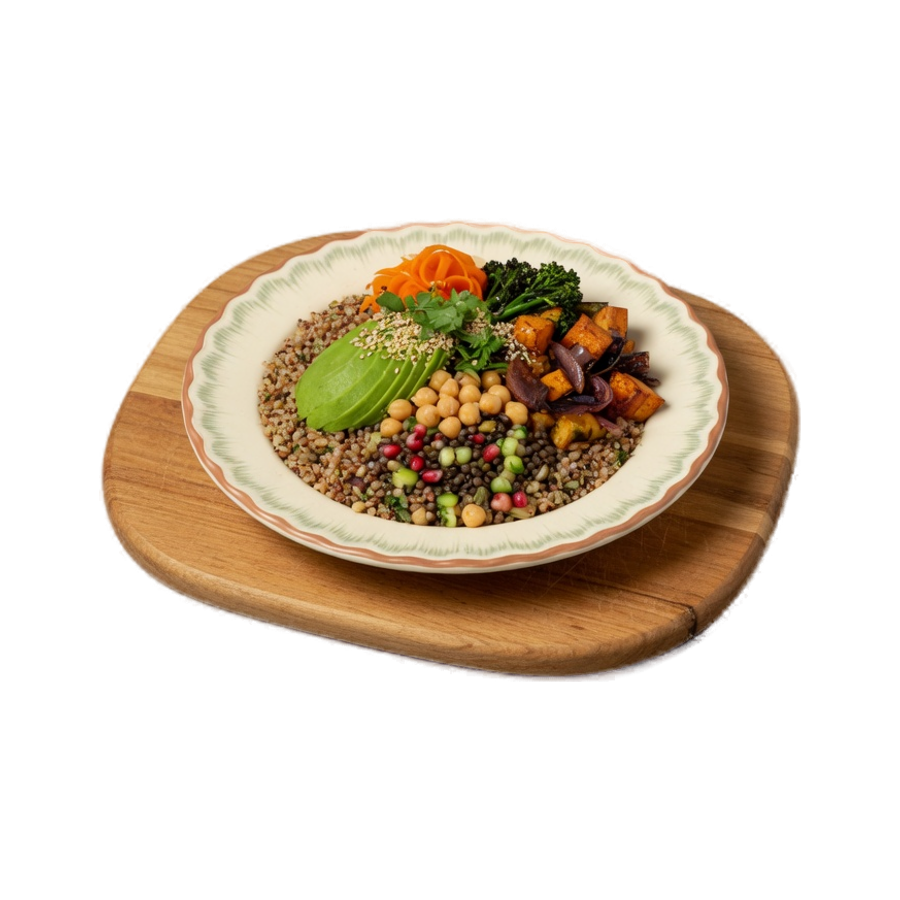
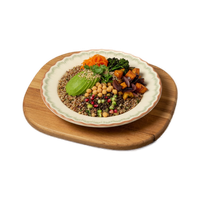
Vegan cooking builds meals entirely from plants—no meat, dairy, eggs, or other animal products—drawing on traditions that long thrived in Buddhist temples, Indian sattvic kitchens, and vegetable-rich cuisines worldwide. The modern word “vegan” emerged in mid-twentieth-century Britain as a clearer ethic of living without animal exploitation, but the flavors themselves are ancient: lentils, tofu, nuts, spices, fruits, and grains prepared with imagination. Today vegan food is both everyday and inventive. Chickpea stews, coconut curries, vegetable sushi, oat milks, and plant-based baking fill home tables and restaurant menus. Cooks celebrate texture and umami with mushrooms, fermented sauces, roasted vegetables, and careful seasoning. What began as a niche philosophy has become a vibrant culinary scene where bakers, street vendors, and fine-dining chefs all experiment with plants as the star. World Vegan Day, observed each November 1, invites curiosity more than dogma: try a new recipe, visit a plant-based café, or share a colorful spread with friends. It is a celebration of kitchens that prove abundance does not require animal ingredients—just creativity, care, and a well-stocked pantry of the earth's produce.
Read the story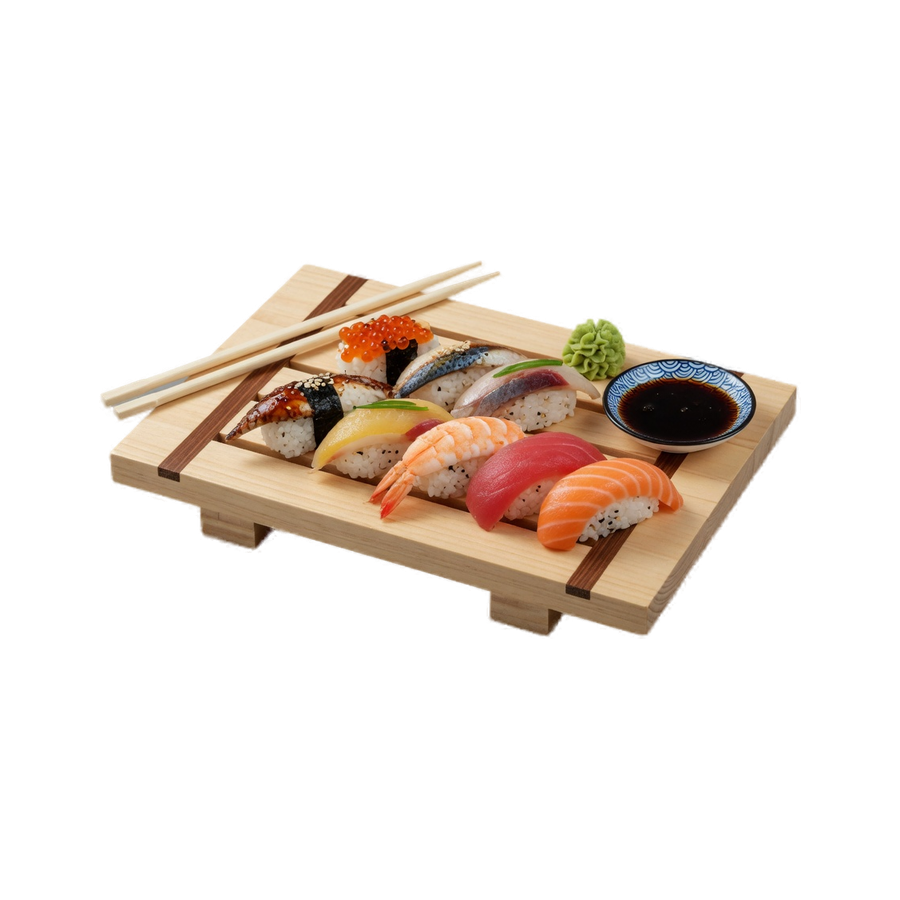
 Japan
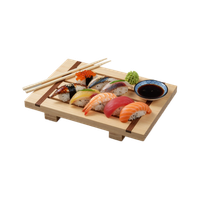
Sushi is Japan’s refined art of vinegared rice paired with seafood and seasonal toppings, from elegant nigiri to rolls, bowls, and pressed forms. The rice—seasoned with vinegar, sugar, and salt—is as important as the fish; warmth, grain, and balance define a master’s hand. Edo-period street stalls helped popularize quick nigiri, while regional styles and modern counters carried sushi into every corner of Japanese life and far beyond. Sushi Day on November 1, observed by sushi trade groups, arrives with new rice and richer seasonal fish. Eating sushi can mean a quiet omakase, a family platter, or a simple convenience-store set. Wasabi, soy, pickled ginger, and clean cuts of fish complete the ritual. The craft rewards attention: the shine of the rice, the precision of the slice, the timing of each piece. On Sushi Day, reserve a counter seat, make a careful home platter, or share nigiri with friends. Taste slowly, notice the rice, and honor the season on the plate. Celebrating sushi is celebrating Japan’s most iconic bite of rice and sea.
Read the story