
 United States
National Wienerschnitzel Day
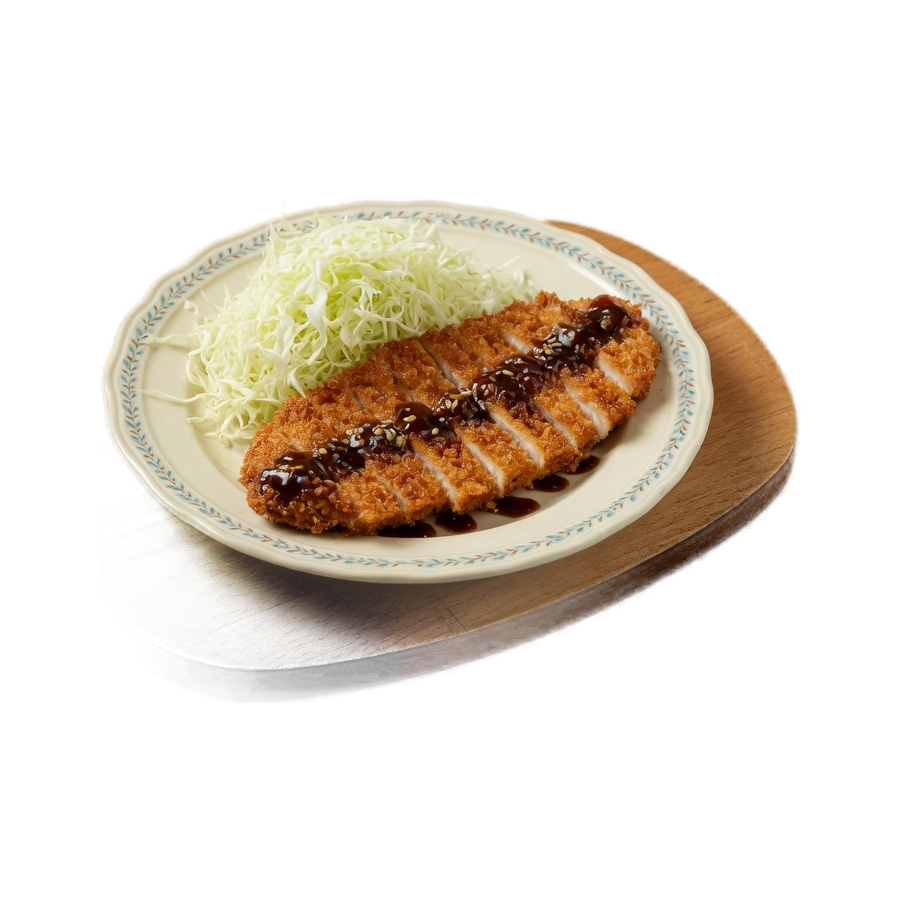
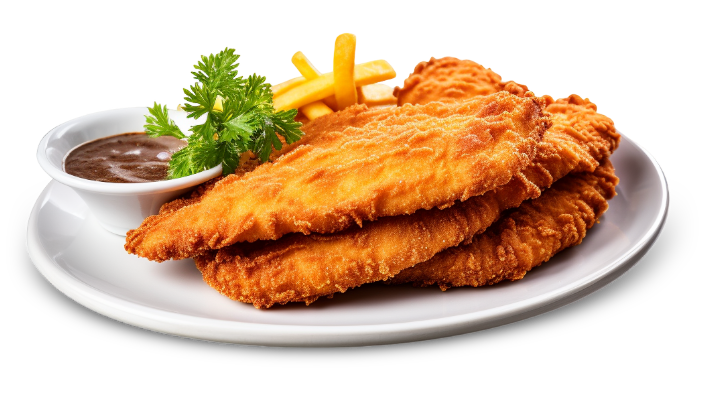
Wiener Schnitzel, a revered Austrian delicacy, is a veal cutlet coated in breadcrumbs and pan-fried to a golden brown perfection. Its name, translating to ”Viennese schnitzel,“ reflects its Austrian origin, particularly in Vienna, dating back to the 19th century. Traditionally made from veal, the thin cutlet undergoes a process of tenderizing, salting, coating in flour, beaten eggs, and breadcrumbs, followed by pan-frying in lard or butter. Served with accompaniments like lettuce salad, cucumber salad, potato salad, or parsley potatoes, Wiener Schnitzel's crispy coating is garnished with a slice of lemon for added flavor. Modern variations include side dishes such as rice, roasted potatoes, and French fries. Notably, a pork version is known as ”Viennese-style schnitzel“ (Schnitzel Wiener Art). Wiener Schnitzel Day commemorates the dish's rich history, cultural significance, and its timeless appeal. Originating from Arab merchants in the Middle Ages and akin to the Roman ”Cotoletta a la Milanese“ in 1134, Wiener Schnitzel gained popularity in Vienna by 1862. Beyond Austria, it has various adaptations globally, with names like ”pork tenderloin“ in the US Midwest and ”Milanesa“ in Latin America. Different countries incorporate variations using chicken, beef, or pork, showcasing the dish's versatility and enduring popularity.
Read the story