

 United States
National Milk Day
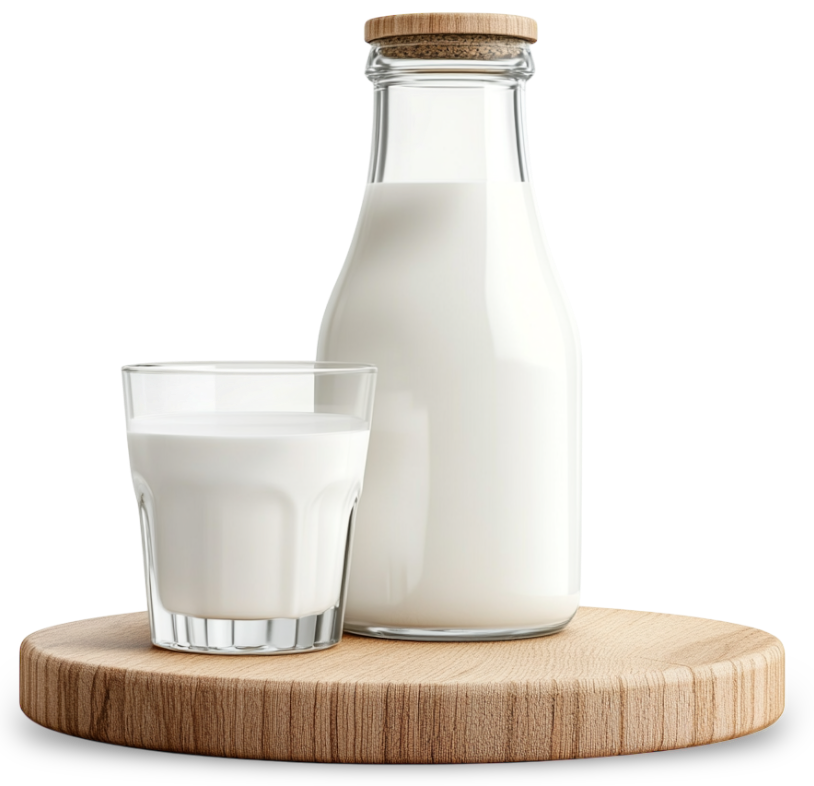
It all began in the Neolithic Age when early humans, ever the innovators, started domesticating animals like sheep, goats, and eventually cattle. Back then, milk wasn’t just a drink, it was a gamble. Lactose tolerance hadn’t yet spread widely. Fast forward a few millennia to around 6,000 BCE, when a genetic twist changed the game. In parts of Europe, Africa, and the Middle East, adults began developing the ability to digest lactose. This wasn’t just a random quirk; it was a survival advantage. Milk became a nutritional powerhouse, especially in colder regions where crops were scarce. Suddenly, humans had a reliable source of protein, fat, and calcium—all in one creamy package. By the late 1800s, milk had moved from the farm to the city. Italian dairies led the charge, delivering milk in aluminum churns that were as shiny as the idea itself. It wasn’t long before glass milk bottles became a thing, offering a peek at the liquid gold inside. But with milk’s growing popularity came a new problem: safety. Enter pasteurization, Louis Pasteur’s genius invention that made milk safer to drink and longer-lasting. Suddenly, milk wasn’t just fresh; it was dependable. The 20th century took milk’s popularity to a whole new level. During the World Wars, milk became a symbol of strength and health. It was included in school lunches, army rations, and government nutrition campaigns.
Read the story