
 United States
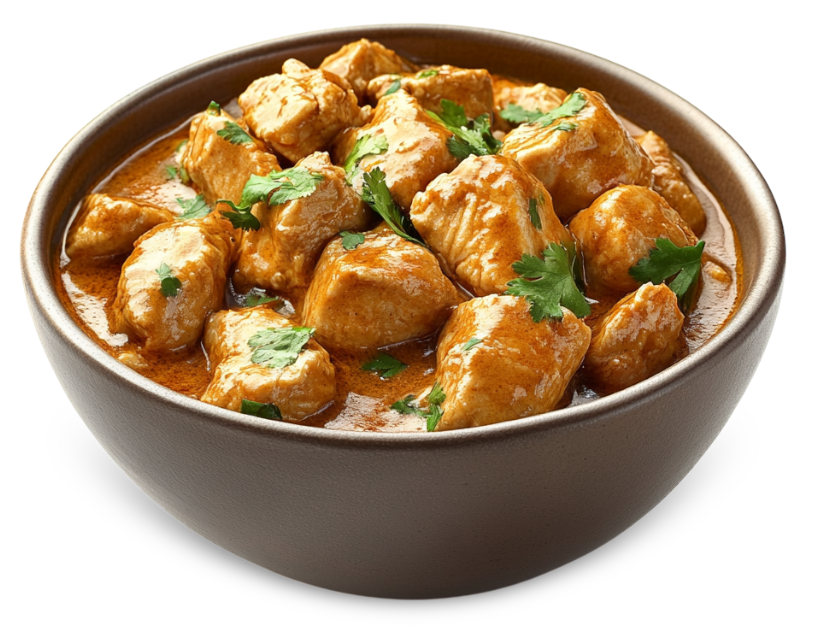
National Curried Chicken Day
Chicken curry’s journey starts with the ancient spice trade, which spread Indian flavors like turmeric, cumin, and coriander across the globe. While early references to curry date back to 1700 BCE in Mesopotamia, the dish we know today evolved in India, where locals combined vibrant spices with meat and vegetables to create aromatic meals. By the 18th century, British colonizers were smitten, bringing curry back to Europe and embedding it into Anglo-Indian cuisine. Chicken curry quickly became a star. In India, regional variations thrived: creamy and mild in the north with yogurt or cream, and fiery in the south with coconut, mustard seeds, and curry leaves. Meanwhile, in Jamaica, curry powder met Scotch bonnet peppers and allspice, producing a bold Caribbean twist. By the mid-20th century, chicken curry had conquered menus worldwide, from British pubs to Thai street stalls. The UK even crowned chicken tikka masala—featuring marinated chicken in a creamy tomato sauce—as its “national dish” in the early 2000s. But what makes a true chicken curry? Purists swear by homemade spice blends and slow cooking, while modern cooks lean on pre-made pastes and pressure cookers. Ghee or coconut oil? Fiery heat or gentle warmth? The debates are endless.
Read the story