

 United States
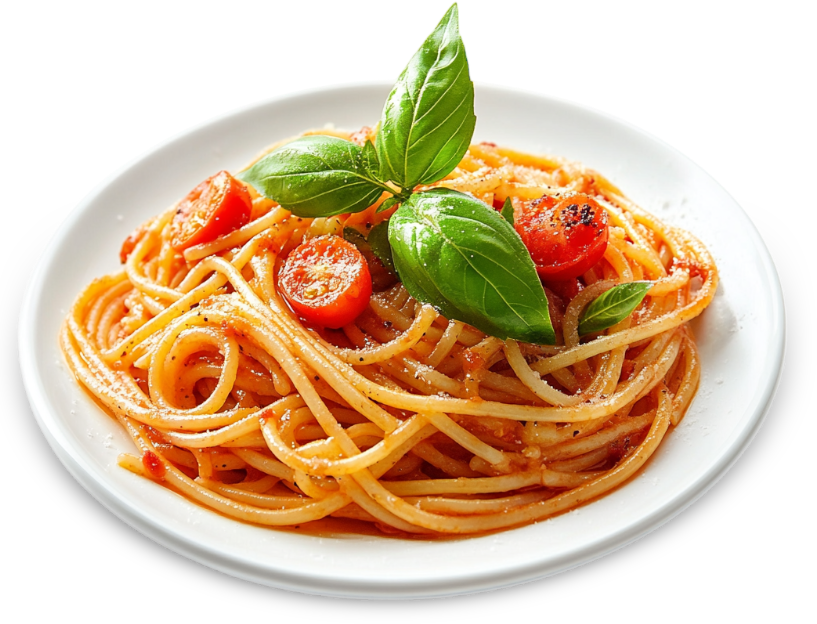
National Spaghetti Day
The origins of pasta trace back to the Jerusalem Talmud (3rd–5th centuries AD), where a boiled dough called itrium was a common staple. By the 9th century, the Arab world referenced itriyya, string-like dried semolina pasta, perfect for travel. Arab traders likely introduced pasta to Sicily during their 8th-century conquest, and by the 12th century, the Tabula Rogeriana by Muhammad al-Idrisi detailed its production in Sicily. Contrary to myths about Marco Polo bringing pasta from China, historians agree that pasta was already thriving in Italy before his 13th-century travels. While similarities exist between Italian pasta and Chinese noodles, their developments were independent. The term “spaghetti” stems from the Italian spaghetto, meaning “thin string.” Originally long strands, spaghetti shortened to the familiar 25–30 cm by the 20th century. By the 14th and 15th centuries, dried pasta gained popularity in Italy for its shelf life, making it indispensable for sailors exploring the New World. The 19th century brought pasta factories, revolutionizing spaghetti production and cementing it as a national staple. Italian immigrants in the late 19th and early 20th centuries carried spaghetti to the U.S., where it evolved. First served as Spaghetti Italienne—a simple tomato-sauce dish—Italian-Americans added their own flair, introducing meatballs and spices that transformed it into the beloved comfort food we know today.
Read the story