

 United States
National Pasta Day
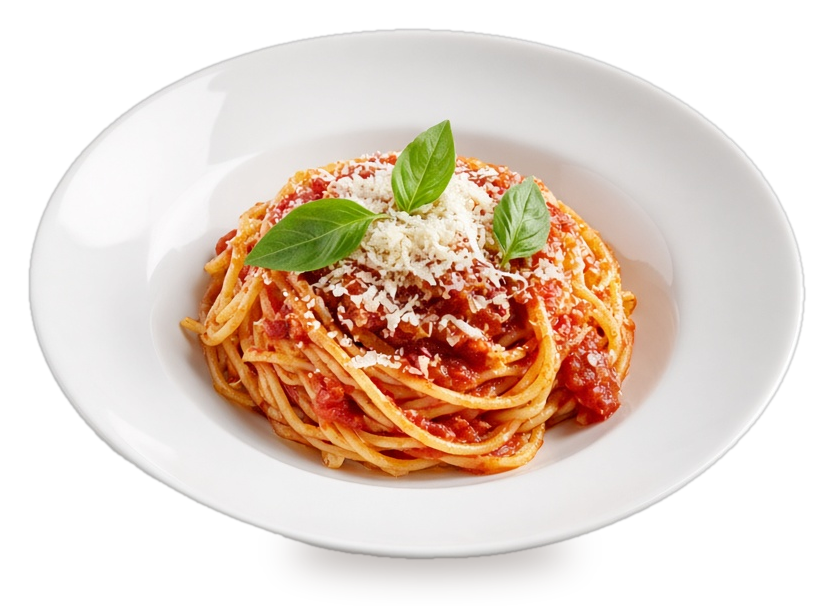
Pasta is a dough of durum wheat semolina or flour mixed with water or eggs, shaped into hundreds of forms and boiled until tender. Noodles were eaten in China thousands of years ago, but Italian pasta has its own history. Dried pasta was being made in Sicily by the 12th century, when the geographer al-Idrisi described a town near Palermo exporting it by ship, and the popular story that Marco Polo brought pasta back from China is a myth. Naples became the pasta capital in the 1600s, when mechanical presses made dried pasta cheap and street vendors sold maccheroni to be eaten by hand. Tomato sauce joined pasta in the late 1700s. Thomas Jefferson is often credited with helping to popularize macaroni in the United States after he encountered it in Europe, and Italian immigrants made spaghetti with meatballs and baked ziti American staples in the early 1900s. Italians match each shape to a sauce: long strands like spaghetti and linguine for oil and tomato sauces, ridged tubes like rigatoni and penne for chunky ragùs, and stuffed pasta like ravioli and tortellini served simply with butter or broth. Americans eat roughly 20 pounds of pasta per person each year. On National Pasta Day, cook a favorite dish, try a new shape, or make fresh pasta at home.
Read the story