
 United States
National Pickle Day
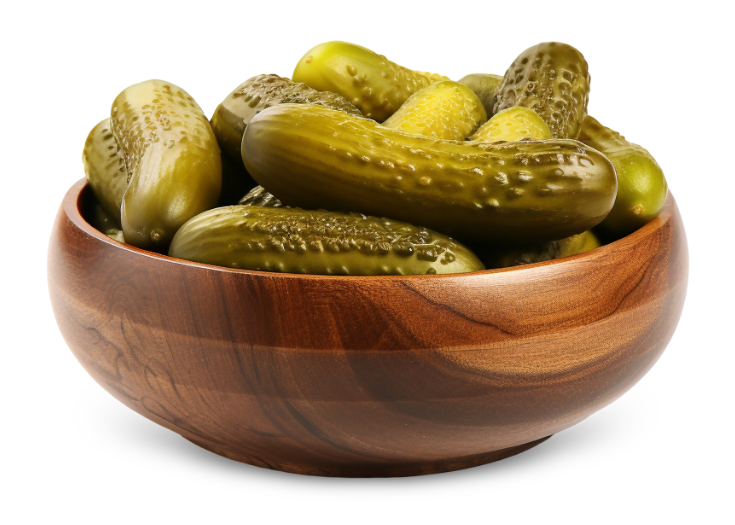
National Pickle Day, celebrated on November 14th, honors the ancient art of pickling, a preservation method dating back over 4,000 years. Originating from the Tigris River valley civilizations, pickling gained prominence with historical figures like Cleopatra and Julius Caesar endorsing its nutritional benefits. Christopher Columbus brought pickles to North America in 1492, recognizing their ability to prevent scurvy during sea voyages. The term “pickle” stems from the Dutch word “pekel,” emphasizing the role of brine in pickling. Dutch settlers in 17th-century New York laid the foundation for kosher dill pickles, a staple in Eastern European Jewish cuisine. National Pickle Day, possibly rooted in the Pickle Packers Association around 70 years ago, encourages enthusiasts to savor this brine-soaked treat. The history of pickles reveals their presence in ancient Mesopotamia, Cleopatra's beauty regimen, and Columbus's nautical voyages. The medieval era introduced dill, and the 17th century marked New York's pickle industry beginnings. The 20th century saw the global expansion of pickle varieties beyond cucumbers, including diverse vegetables and fruits. Pickles reflect regional preferences, cultural influences, and creative experimentation, with types like Dill, Sweet, Bread-and-butter, Kosher Dill, Gherkins, Kimchi, Gari, and Achar. Modern variations like Pickle Chips, Pickle Popsicles, and Koolickles showcase pickles' enduring adaptability. Companies like SuckerPunch continue to redefine the pickle landscape, bridging ancient traditions with contemporary culinary delights. National Pickle Day invites celebration and exploration of the diverse, versatile, and time-tested world of pickles.
Read the story