

 United States
National gazpacho day
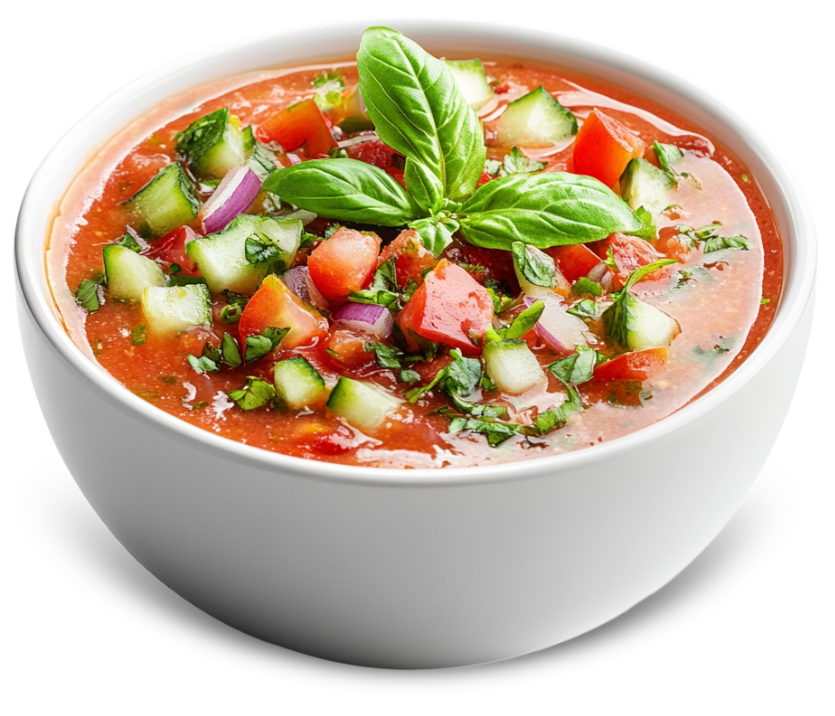
Gazpacho’s story is rooted in the culture and traditions of Andalusia, a region in southern Spain. Its origins go back to ancient times before tomatoes took center stage. The earliest versions of gazpacho were humble fare for farmers and laborers. Made from stale bread, water, garlic, olive oil, and vinegar, it was a simple way to stay nourished and hydrated under the Andalusian sun. This version, often called ajo blanco (white gazpacho), was hearty, practical, and didn’t rely on refrigeration—a necessity in a time before modern conveniences. T omatoes, now the most important ingredient in most gazpacho recipes, didn’t make their debut until much later. They arrived in Spain in the 16th century, brought from the Americas by explorers. However, it wasn’t until the 19th century that tomatoes were fully embraced in Spanish cuisine and incorporated into gazpacho. The addition of tomatoes transformed the dish into the vibrant, red, cold soup we know today. Regional variations of gazpacho began to emerge over time. While the classic tomato-based version is the most popular, Andalusia’s salmorejo is thicker and creamier, often garnished with ham and hard-boiled eggs. Other regions play with flavors by adding fruits like watermelon or strawberries for a sweet twist, or almonds for a creamy texture reminiscent of the original ajo blanco. Traditionally, gazpacho was prepared using a mortar and pestle to blend the ingredients into a smooth mixture. T oday, modern blenders and food processors make it quicker to create, but the essence of the dish—a celebration of fresh, simple ingredients—remains unchanged.
Read the story


