
 United States
National Rice Ball Day
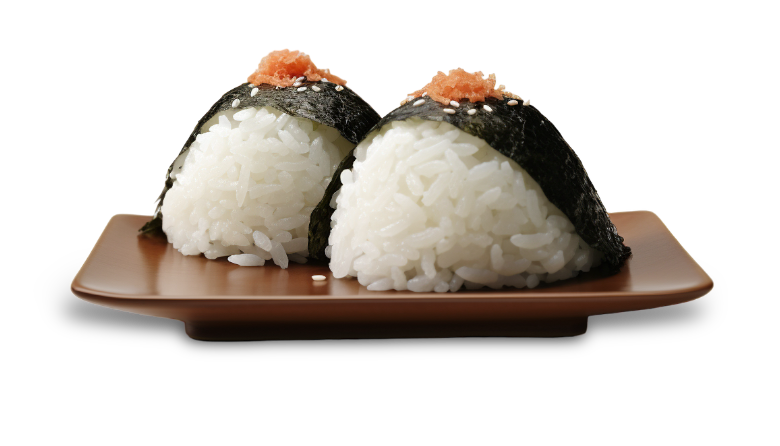
Rice balls, known as onigiri, have been a staple in Japanese cuisine since the 11th century, originally called Tonjiki. The term ”onigiri“ translates to ”to hold on to,“ reflecting how this snack is enjoyed. These rice balls were valued for their airtight seal, preserving fillings like meat. Onigiri typically comprises cooked white rice, various fillings, and nori to enhance flavor and hold it together. Fillings range from pickled plums to salted salmon, creating diverse and globally appealing flavors. While onigiri is iconic to Japan, variations exist worldwide. In China, zongzi features glutinous rice with sweet or savory fillings wrapped in bamboo leaves. In India, rice balls called pinda play a role in Hindu funeral rites. Italian cuisine has arancini and suppli, and in Ghana, omo tuo serves as a staple with soups. Onigiri's accessibility expanded globally in the 1980s with the invention of a machine producing triangular shapes, transforming the snack from a rare, handmade delicacy to a widely available and affordable treat. In popular culture, rice balls have left their mark. In the world of manga and anime, ”One Piece,“ Roronoa Zoro, the right-hand man of the main protagonist Monkey D. Luffy, is affectionately referred to as ”onigiri“ by his friends. This playful nickname arises from the resemblance of his head's shape and his hairstyle to a rice ball, a moniker that Zoro may not fully embrace.
Read the story