
 United States
National Tequila Day
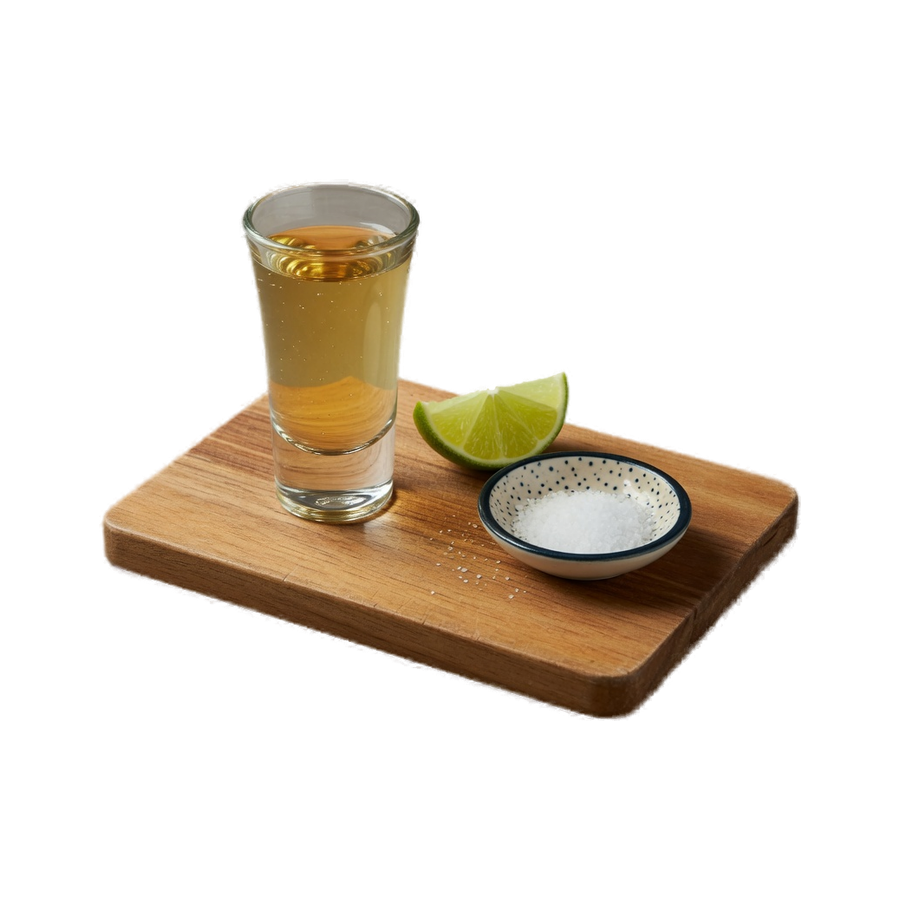
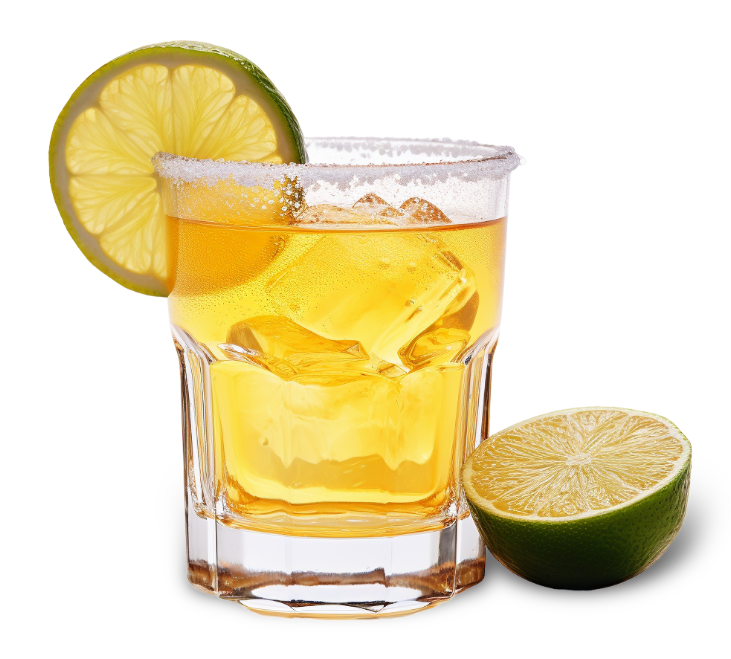
Tequila's journey traces back to ancient Mexico, where the indigenous people, including the Aztecs, fermented agave sap to create “pulque” around 1000 B.C. This precursor to tequila played a significant cultural role. In the 16th century, Spanish conquistadors introduced distillation, leading to a primitive version of tequila due to brandy shortages. Tequila's true origin lies in Tequila, Jalisco, Mexico, where it was officially distilled from the Blue Agave plant, known for its sweet flavor. Mexican law now mandates tequila production in specific regions. Commercial tequila production began in the late 1700s, with the Cuervo family in 1758 and the Sauza family in 1873. Blue agave became the essential ingredient, shaping tequila's evolution. During the Prohibition era, tequila gained popularity in the U.S., particularly in Tijuana, Mexico, known for inventive cocktails like the Margarita. In 1974, the Mexican government protected tequila as intellectual property, establishing strict regulations through the Tequila Regulatory Council. Tequila has experienced a modern renaissance, celebrated for its complexity and versatility. Bartenders globally showcase its unique flavors in inventive cocktails, making tequila a staple in the spirits world, whether enjoyed straight or in classic drinks like the Margarita.
Read the story