

 United States
National Salami Day
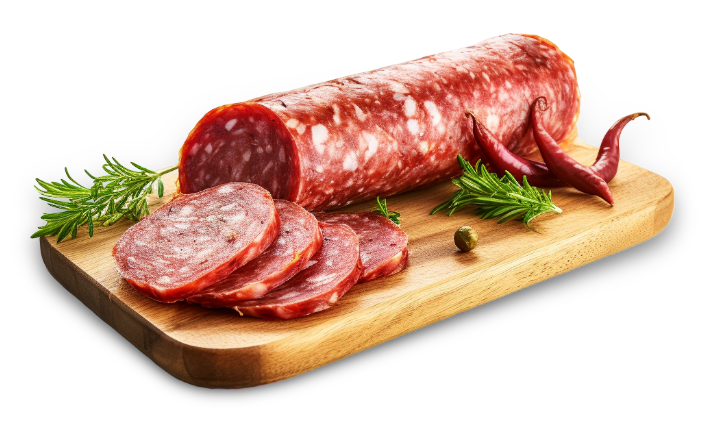
Salami, a cured sausage typically made from fermented and air-dried pork or beef, is celebrated on National Salami Day, initiated by the Salami Appreciation Society in 2006. The name ”salami“ originates from the Italian word ”sale,“ meaning salt, underlining its preservation with salt. While salami can be crafted from various meats, pork and beef, or a combination of both, are the most common choices. The history of salami traces back to ancient Rome, known as ”salsamentum,“ when it served as a crucial method for preserving meat without refrigeration. The sausage gained popularity among Southern European peasants. Europe, especially Germany, Italy, and France, is a major producer and consumer of salami, with hundreds of millions of pounds produced annually. National Salami Day highlights the rich tradition and global influence of this savory treat. Salami varieties abound, including Genoa salami aged with red wine, peppercorns, and garlic, and Hard Salami, which undergoes drying and smoking. Italy alone boasts over 300 types of salami, such as Brianza, Varzi, Milano, and Finocchiona, each offering a unique taste and texture. Versatile and beloved, salami is a key ingredient in sandwiches, pizza, antipasto plates, and more. National Salami Day celebrates not only the history and tradition of salami but also the endless variations and flavors that make it a culinary favorite worldwide.
Read the story