
Food Holidays
TodayCalendarExploreCountries
Language: English
  • English
  • Español
  • Français
  • Nederlands
  • עברית
  • Türkçe
  • العربية
Download on the App Store
Food Holidays

The live catalog of food holidays and national food days. Browse every holiday here — then keep it on your Home Screen with the iOS and Vision Pro app.

Download on the App Store

Explore

  • Today
  • Calendar
  • Explore
  • Countries
  • Get the app
  • Contact

The studio

Fill Studio · Amsterdam

Food Holidays is made in Amsterdam by Fill Studio.

support@foodholidays.app

  • Privacy Policy
  • Terms of Use

Write to us

Name, email, and a note — we read every one.

© 2026 Fill Studio · Amsterdam

Language

  • English
  • Español
  • Français
  • Nederlands
  • עברית
  • Türkçe
  • العربية

Explore

Find a food day

The search is fully open. No account. Type a food, pick a category, or just wander.

Beer and Pizza
United States flagUnited States·October 9 2026

International Beer and Pizza Day

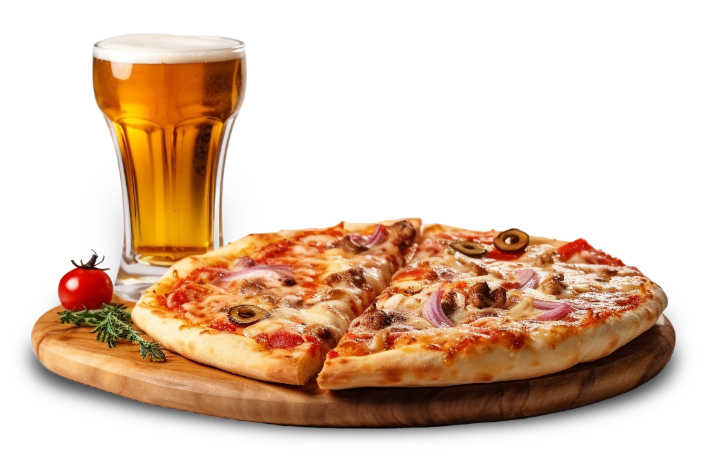
Beer, humanity's oldest alcoholic beverage, dates back to 5000 B.C., documented by the ancient Egyptians on papyrus scrolls. Meanwhile, pizza, born in 997 A.D. in Gaeta, Italy, evolved with the discovery of tomatoes from the New World. Fast forward to October 9, 2016, when web developer and pizza connoisseur Nick Saulino created International Beer and Pizza Day to celebrate this iconic duo. International Beer and Pizza Day is a time to enjoy and celebrate the delicious combination of beer and pizza. Picture the foamy head atop an amber-colored joy complementing the rich, cheesy texture of a favorite pizza slice. Saulino's brainchild encourages everyone to explore the infinite combinations of beer and pizza, transcending boundaries and flavors. While some argue that any beer can accompany any pizza, connoisseurs delight in enhancing the experience. Light beers like pilsners and blond ales complement veggie or cheese pizzas, while dark beers like porters and stouts elevate the flavors of meaty and mushroom pizzas. Fruity beers find their match with Hawaiian pizza, while citrusy varieties dance with seafood-topped delights. More than just a culinary celebration, International Beer and Pizza Day serves as a reminder to pause, unwind, and appreciate life's simple pleasures. It provides an opportunity to gather with friends, family, and colleagues, sharing laughter, stories, and, of course, the perfect pairing of beer and pizza.

Read the story
Cocktail
United States flagUnited States·March 24 2026

National Cocktail Day

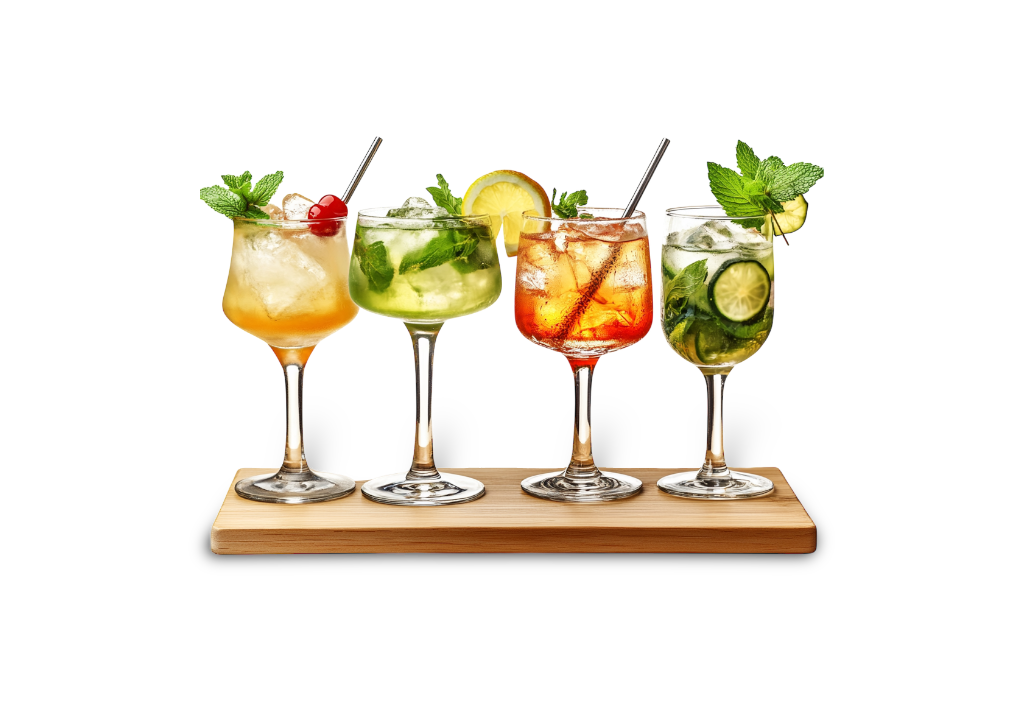
National Cocktail Day was created by holiday guru and freelance writer, Jace Shoemaker-Galloway, who thought it’d be fun to give cocktails their own special day. And we couldn’t agree more! The term “cocktail” first appeared in print in 1806, though the drink itself likely existed long before that. Some believe it’s derived from the French word coquetier, meaning “egg cup,” used by Antoine Peychaud to serve a mix of bitters and brandy in the late 1700s. By the early 1800s, whiskey mixtures were being called cocktails, and the craft of cocktail making started to gain popularity. By the 1860s, the invention of the cocktail shaker took the art of mixing drinks to a whole new level. Fast forward to the 1920s during Prohibition, and cocktails became the go-to way to mask the harsh taste of bootleg alcohol. With fruit juices, honey, and spices mixed in, they made moonshine a little more palatable, all while adding some fun to the speakeasies of the time. But cocktails aren’t just about masking bad booze. They’ve become a blend of science and art, with bartenders experimenting with flavors, textures, and colors. In fact, some modern cocktails are even known to change color right before your eyes! The classic cocktails, though, are where the real history lies. From the Old Fashioned to the Sazerac to the Manhattan, these drinks offer a sense of nostalgia and sophistication that’s hard to beat.

Read the story
Drink Wine
United States flagUnited States·February 18 2026

National Drink Wine Day

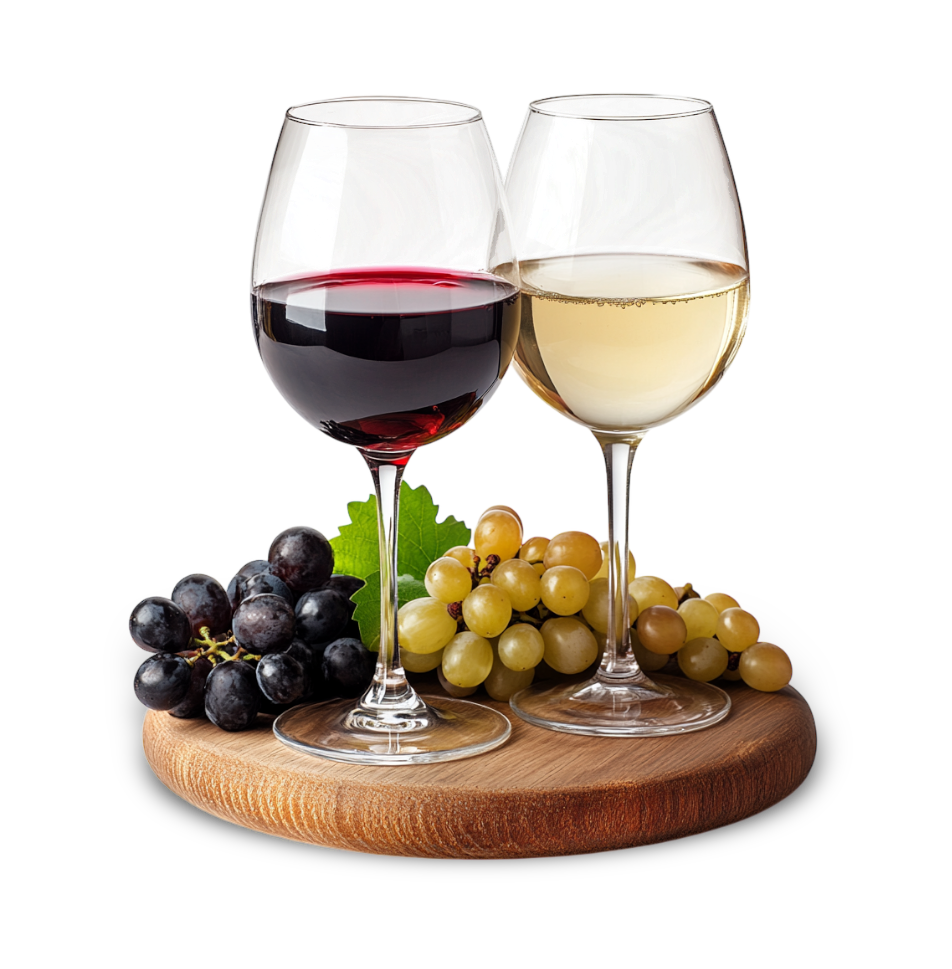
Thousands of years ago, someone accidentally left a bunch of crushed grapes sitting around. Days later, they noticed the mixture bubbling, took a sip, and wine was born. Fast forward to today, and here we are, dedicating a whole day to this magical, fermented gift to humanity: National Drink Wine Day. The oldest known winery was found in a cave in Armenia over 4,000 years ago. Ancient Egyptians stashed barrels of wine in Pharaohs’ tombs, and the Greeks considered it divine, offering it up during their secret rituals. Even now, wine continues to be a symbol of culture, connection, and a little bit of everyday luxury. Wine’s packed with antioxidants like resveratrol, which has been linked to heart health, lower cholesterol, and even reducing the risk of certain diseases. Pinot Noir has particularly high levels of resveratrol. What’s fascinating is how no two bottles of wine are ever truly the same. Everything from the soil the grapes grow in to the weather that year shapes the final flavor. That’s why wine enthusiasts can spend hours debating which vintage of Cabernet Sauvignon reigns supreme (or so they claim). National Drink Wine Day is about appreciating wine for everything it brings to the table. This is the day to raise your glass and toast to wine's incredible history and all the moments it makes a little better. Cheers to that!

Read the story
Happy Hour
United States flagUnited States·November 12 2026

National Happy Hour Day

Surprisingly, what we now associate with post-work fun in cities actually originated with the U.S. Navy in 1914. Before that, social clubs with “Happy Hour” existed in 1900. The modern Happy Hour began during the Mexican-American war, particularly in Veracruz Harbor, where the U.S.S. Arkansas sailors became a focus for reporters seeking stories. In 1914, a “Washington Times” article highlighted the contentment of U.S. sailors during their Happy Hour aboard ship, involving boxing matches, dancing, and drinking after busy days. Despite a ban on liquor in naval vessels from 1899, some sailors may have sneaked alcohol on board. By the end of WWII, Happy Hours became a widespread practice in U.S. naval fleets. On April 25, 1959, a “Saturday Evening Post” article popularized the term for everyone outside the Navy. According to “Bustle”, an article titled “The Men Who Chase Missiles” described the financial hazards faced by those living on remote islands tracking missile launches, except for a few who spent too much during Happy Hour at the bar, where the money added up fast.

Read the story
Hot Buttered Rum
United States flagUnited States·January 17 2026

National Hot Buttered Rum Day

Hot Buttered Rum dates back to the mid-17th century, when rum from Jamaica made its way to the U.S. and began being added to hot and cold drinks. It's believed the Hot Toddy evolved into what we know today as hot buttered rum, a favorite winter warmer around the holidays. So, what is it? According to Wine Enthusiast, it’s a mix of rum, butter, sugar, spices, and hot water that originally had medicinal uses. The butter adds richness, brown sugar sweetness, and spices like cinnamon, nutmeg, and cloves add warmth, making it the perfect drink to enjoy when the weather turns cold. You can use any rum you have, and even add liqueurs like Drambuie or Galliano for a twist. Hot buttered rum has been around since colonial America, where rum was considered nutritious. Bartender Jerry Thomas shared recipes for similar drinks in the mid-1800s, including Hot Spiced Rum and Hot Rum. Variations have popped up over the years—some add vanilla ice cream for creaminess or use coconut oil instead of butter. In the 1940s, hot buttered rum was revived as a Tiki drink, with Trader Vic creating a “hot buttered rum batter” associated with cozy winter vibes.

Read the story
Kahlua
United States flagUnited States·February 27 2026

National Kahlua Day

Kahlua is the coffee-flavored liqueur that has become a staple in cocktails and desserts worldwide. Made from sugar cane, rum, and 100% Arabica coffee beans, it originated in Mexico. The name "Kahlua" comes from Veracruz Nahuatl, meaning "House of the Acolhua People," or, as some suggest, it’s old slang for coffee. Either way, it’s a fitting name for this rich, bold drink. Though introduced in 1869, Kahlua’s modern form was officially created in 1936 by Pedro Domecq, who blended rum, coffee, vanilla, and corn syrup. By the 1940s, it had made its way to the U.S., quickly becoming a favorite. The 1960s saw clever marketing campaigns, including female leadership, boosting its popularity. By the 1980s, Kahlua was the world’s best-selling coffee liqueur. It remains a key ingredient in classics like the White Russian, Black Russian, Espresso Martini, and B-52 shot. Beyond drinks, it enhances desserts like ice cream, cakes, and cheesecakes with its deep coffee flavor. The process behind Kahlua is meticulous—Arabica beans are grown for six years before being roasted and blended with rum. The result? A smooth, timeless liqueur enjoyed in countless ways.

Read the story
Lager
United States flagUnited States·December 10 2026

National Lager Day

National Lager Day, observed on December 10th, commemorates the rich history and global influence of lager beer. Originating in 14th-century Bavaria, monks devised a revolutionary brewing method involving cold fermentation and storage in alpine caves, birthing the term “lager” from the German word “lagern,” meaning to store. This marked a departure from warm fermentation used for ales during that era. By the 16th century, cold fermentation became central to Bavarian brewing, defining lager with its crisp taste. The 19th century saw lager brewing crossing the Atlantic to America, transforming the beer landscape. Pale lagers gained popularity, and the lager family diversified into styles like dunkel, schwarzbier, amber lager, and Vienna lager, showcasing the beverage's versatility. Lager's influence expanded globally, with Gabriel Sedlmayr II perfecting brewing techniques in Europe, leading to iconic styles like the Pilsner. In the 1850s, German brewers introduced lager to the United States, initiating a brewing renaissance and making brands like Miller and Budweiser synonymous with American lagers. In recent times, the craft beer movement has revived interest in traditional lagers, with craft breweries offering diverse styles. National Lager Day invites enthusiasts to explore this storied beverage, honoring its heritage, brewing techniques, and global popularity. It's a day to celebrate lager's enduring appeal and dynamic evolution in the world of beer. Cheers to National Lager Day!

Read the story
Margarita
United States flagUnited States·February 22 2026

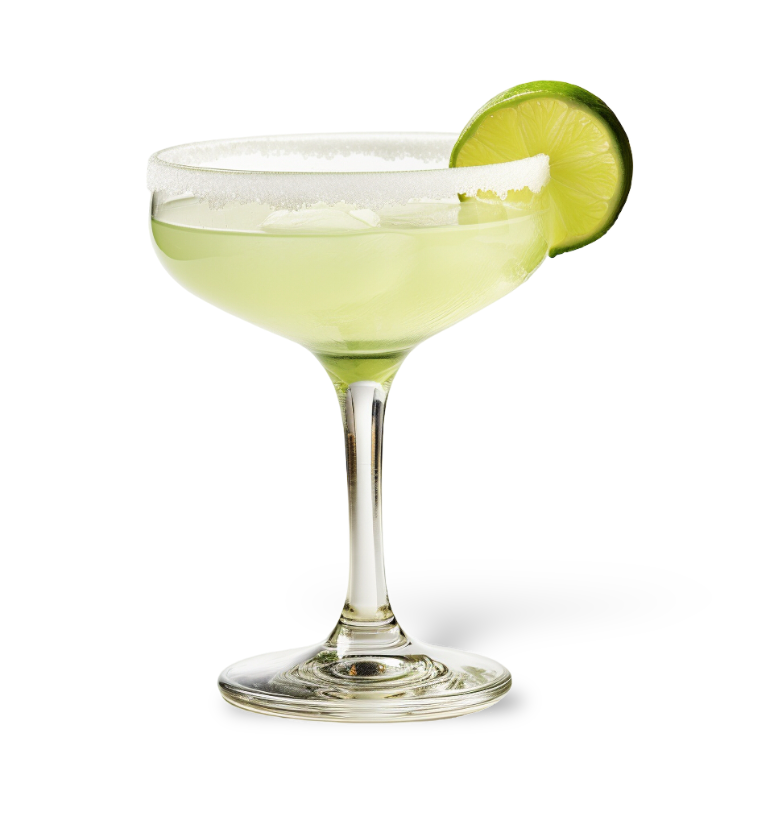
National Margarita Day

The day was initiated by Todd McCalla, who sought to share his love for margaritas and bring people together in celebration. Margarita is believed to have its origins dating back to World War II, with various stories competing for the title of its true creator. One tale credits Carlos Herrera, the owner of Rancho La Gloria restaurant, with its invention in 1938. Another narrative attributes the birth of the margarita to Don Carlos Orozco in 1941 when he served it to Margarita Henkel, the daughter of the German ambassador, at Hussong's Cantina in Mexico. Regardless of the exact origin, the margarita gained popularity in North America after its recipe was published in a 1958 issue of Esquire magazine. A margarita is a classic cocktail that combines tequila, triple sec (often Cointreau), and freshly squeezed lime juice. This delightful concoction can be served on the rocks, blended into a slushy consistency, or straight up. The glass's rim is often adorned with a touch of lime juice and a rimming of coarse salt, offering a perfect balance of sweet, tangy, and salty flavors. Margaritas come in various flavors and styles, making them a versatile and beloved drink for celebrations and relaxation.

Read the story
Moonshine
United States flagUnited States·June 5 2026

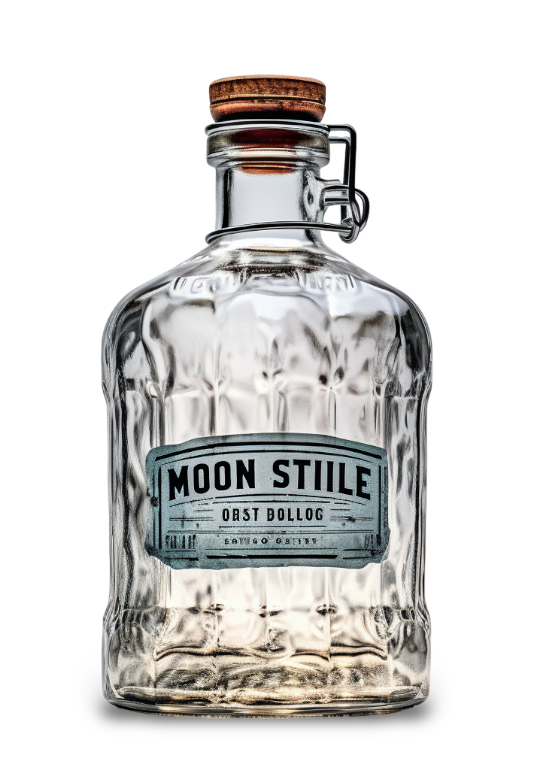
National Moonshine Day

National Moonshine Day is a celebration of a rich and storied beverage with a past that weaves through history, politics, and clandestine production. This drink, known by various names like white lightning, hooch, Mountain Dew, and more, has a fascinating history worth exploring. The word ”moonshine“ carries a sense of secrecy and intrigue, often conjuring images of hidden stills in the moonlit hills. Its origins are traced back to England, where ”moonshining“ was used to refer to illicit activities carried out at night. In the United States, moonshine production became intertwined with Prohibition, fast cars, and bootleggers. The passage of the 18th Amendment in 1919 led to the rise of moonshiners and bootleggers, as legal alcohol became scarce, making criminals out of those involved in the trade. Moonshine, once primarily made with corn, is a high-proof, clear spirit, often reaching about 150 proof, or roughly 75% alcohol by volume. It is distinct for not being aged in oak barrels like traditional whiskey. Instead, moonshiners would distill it without the mellowing process, resulting in a potent and unaged liquor. The production process involves a mash of corn, barley, and rye, creating a deliciously powerful blend. In recent years, moonshine has come out of the shadows and into the mainstream. Legal distilleries have taken up the mantle, producing a variety of moonshine flavors, giving consumers a taste of this historical and storied spirit. It's no longer associated with questionable brews and harmful contaminants, thanks to the regulations governing the industry.

Read the story
Punch
United States flagUnited States·September 20 2026

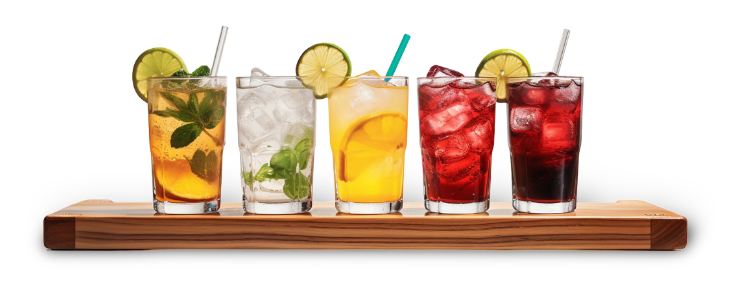
National Punch Day

National Punch Day celebrates the fascinating history of punch, a drink originating in India and introduced to England by British sailors in the 17th century. The term ”punch“ comes from the Sanskrit word ”panch,“ representing its five core ingredients: alcohol (originally wine or brandy), water, lemon, sugar, and tea or spices. The transformation of punch occurred in the 1650s when Jamaican rum replaced the original wine and brandy blend, leading to its widespread popularity at family gatherings and parties across Europe. The charm of punch extends beyond its taste to the iconic punch bowls, once cherished heirlooms passed through generations. National Punch Day encourages enthusiasts to celebrate by hosting punch-filled gatherings, showcasing both alcoholic and non-alcoholic variations. The event highlights the drink's versatility and inclusivity. Reflecting on punch's timeline adds depth to the celebration, from the term's first usage in 1632 to the establishment of punch houses in 1671 and the creation of Hawaiian Punch in 1934. Punch, considered the oldest cocktail, transcends mere refreshment; it's a cultural phenomenon shaped by British sailors, creating a sociable and shareable beverage that has endured through time. As we raise our glasses in a toast, National Punch Day invites us to appreciate the enduring appeal and rich heritage of this historic drink.

Read the story
Vanilla Custard
United States flagUnited States·August 17 2026

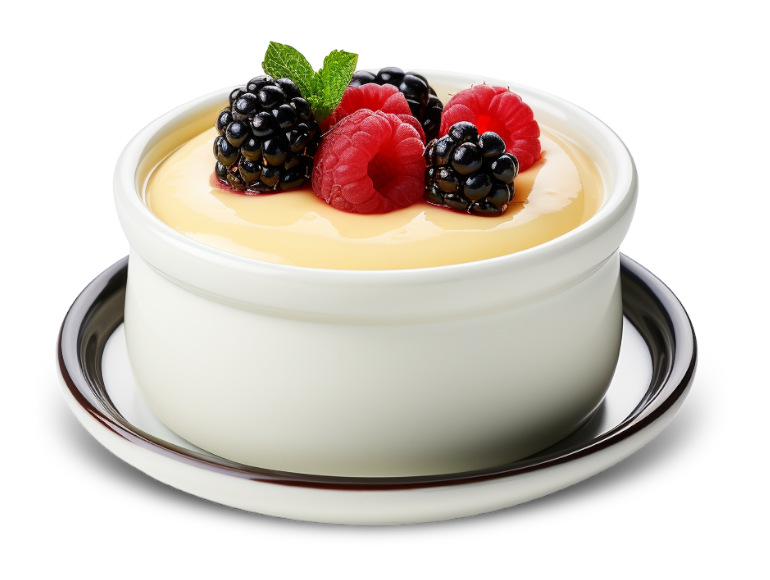
National Vanilla Custard Day

The roots of this delectable treat trace back to Ancient Rome, where the culinary marvel of using eggs as thickeners led to the creation of custard-like dishes sweetened with honey, nuts, and spices. Custard tarts gained popularity during the Middle Ages, becoming a culinary staple. Custard, a blend of milk or cream, egg yolks, sugar, and vanilla, offers a range of consistencies, from thin crème anglaise to thick crème pâtissière. Starch or gelatin additions create variations like crème anglaise collée or crème légère. Custard's versatility extends to filling pancakes, injecting donuts, or serving as a standalone dish. The fascinating journey of custard, from Roman origins to the Middle Ages and the introduction of vanilla in the 16th century, showcases its continuous evolution. National Vanilla Custard Day on August 17th, with mysterious origins, celebrates the timeless appeal of custard, appreciated by enthusiasts. While custard has transformed, its simple ingredients, including milk, sugar, egg yolks, cornstarch, butter, and vanilla, evoke strong emotions. Whether enjoyed on its own or enhancing dishes like pancakes or donuts, National Vanilla Custard Day is the perfect occasion to savor the rich, comforting goodness of this classic dessert.

Read the story
White Wine
United States flagUnited States·August 4 2026

National White Wine Day

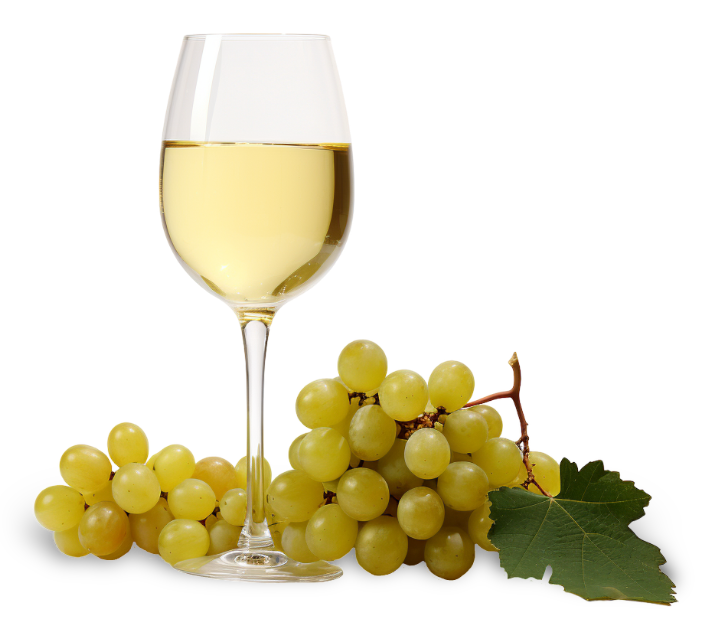
White wines, celebrated for their versatility, are revered as apéritifs, ideal companions for fish, white meats, and desserts. With a lighter and more invigorating profile compared to red wines, white wine has become a global favorite. The origins of wine trace back 7500 years to modern-day Iran, and by 460 BC, it had firmly established itself in European cultures, with Greek physician Hippocrates endorsing it for certain health benefits. In the Roman era, wine gained prominence, symbolizing prestige and being a key element in lavish banquets. Romans pioneered less sweet versions of white wine, influencing the preference for chilled wine in summer and warm wine in winter. White wine's popularity spread across Europe, leading to the proliferation of vineyards. By the 16th century, this enthusiasm reached the Americas, with vineyards emerging in various countries. Significant milestones, such as the creation of champagne in the 18th century, solidified white wine as the choice of the elite. Despite modern advancements in winemaking, the timeless affection for white wine endures. National White Wine Day provides an opportunity to celebrate this rich heritage and the evolving legacy of white wines, recognizing their role in both historical traditions and contemporary joy.

Read the story