Food Holidays
TodayCalendarExploreCountries
Language: English
  • English
  • Español
  • Français
  • Nederlands
  • עברית
  • Türkçe
  • العربية
Download on the App Store
Food Holidays

The live catalog of food holidays and national food days. Browse every holiday here — then keep it on your Home Screen with the iOS and Vision Pro app.

Download on the App Store

Explore

  • Today
  • Calendar
  • Explore
  • Countries
  • Get the app
  • Contact

The studio

Fill Studio · Amsterdam

Food Holidays is made in Amsterdam by Fill Studio.

support@foodholidays.app

  • Privacy Policy
  • Terms of Use

Write to us

Name, email, and a note — we read every one.

© 2026 Fill Studio · Amsterdam

Language

  • English
  • Español
  • Français
  • Nederlands
  • עברית
  • Türkçe
  • العربية

Explore

Find a food day

The search is fully open. No account. Type a food, pick a category, or just wander.

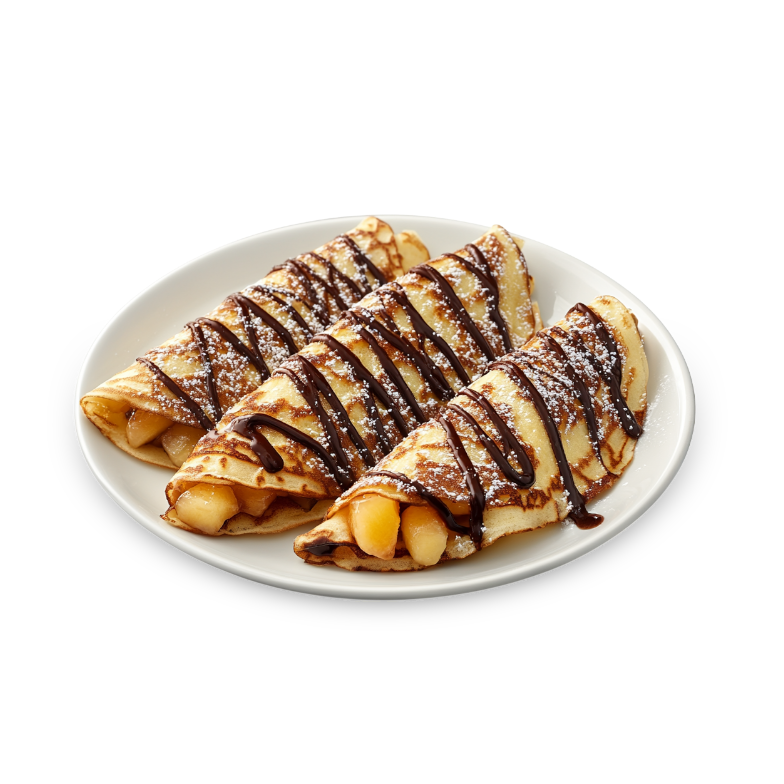
Bavarian Crepes
United States flagUnited States·March 22 2026

National Bavarian Crepes Day

The concept of crepes dates back to the 13th century, and the Bavarian twist on this treat has roots in Central and Eastern Europe. The name “palatschinke,” often associated with Bavarian crepes, comes from the Latin word “placenta,” which means flatbread—a nod to the simple, yet versatile, nature of crepes throughout history. Though crepes originated in France, the Bavarian variety stands out for its rich filling of Bavarian cream. Legend has it that this creamy concoction was brought to Bavaria by a French chef who made the region his home. And while the exact origins of the filling remain a mystery, historical references to Bavarian cream in the 1800s, during the time of renowned French chef Marie-Antoine Carême, suggest its French influence.

Read the story
Better Breakfast
United States flagUnited States
·
September 26 2026

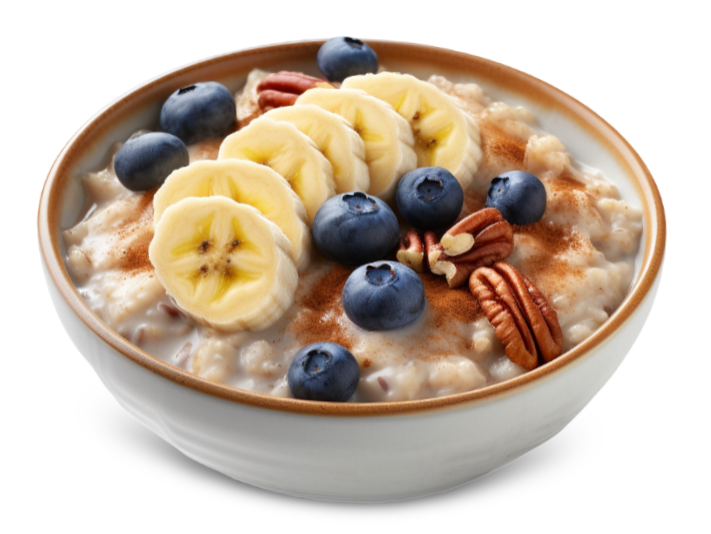
National Better Breakfast Day

National Better Breakfast Day, observed on September 26, serves as a reminder of the transformative power of a healthy morning meal in our fast-paced lives. Originating in response to the shift towards convenient but less nutritious breakfast choices, the day emphasizes the importance of quality over convenience. The evolution of breakfast, from family farms supplying fresh eggs in the early 1900s to the streamlined egg production of the 1950s, underscores the foundational role of nutritious breakfasts. Better Breakfast Day encourages a reevaluation of breakfast choices, advocating for rich eggs, solid protein, and balanced grains while discouraging sugary and carb-heavy options. Fiber-packed oatmeal, protein-rich omelets, and probiotic-rich Greek yogurt are promoted as alternatives to traditional indulgences like pancakes and bacon. The day aims to raise awareness about the significance of breakfast, especially for children, as research indicates that skipping breakfast can impact learning and focus. National Better Breakfast Day aligns with Better Breakfast Month, established in 1951, emphasizing September as the ideal time to promote healthier breakfast habits. As we celebrate on September 26, the day encourages a collective embrace of the power of mornings, prioritizing dietary needs. Three Bridges Egg Bites offers gluten-free, keto-friendly options, making nutritious breakfasts accessible even on the busiest days.


Read the story
Biscuit
United States flagUnited States·May 29 2026

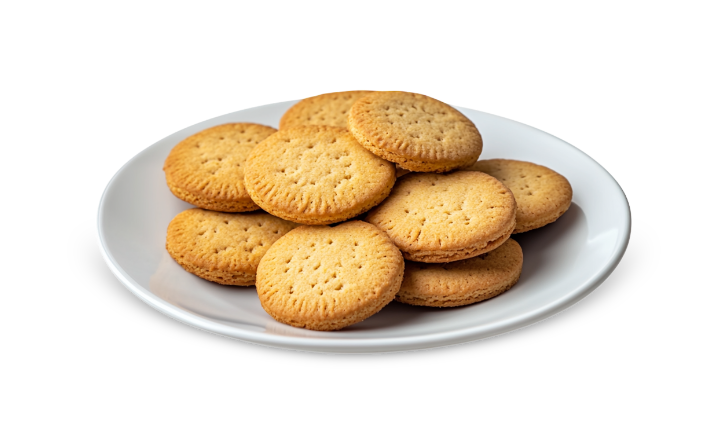
National Biscuit Day

The need for nutritious, long-lasting foods on long journeys, especially at sea, led to the baking of processed cereals, including flour-based biscuits. Initially, live food and a cook were taken aboard, but space constraints forced a shift to dried, hard-baked biscuits that wouldn’t spoil. Physicians once believed most health problems stemmed from digestion, so biscuits were recommended for daily sustenance. Early bakers made biscuits as hard as possible, knowing they softened over time. With increased sugar and refined flour supplies, biscuits transitioned from survival food to indulgence. The British biscuit industry flourished, fueled by market innovations. In 1831, Huntley & Palmers introduced the decorative biscuit tin, enabling global exports. By 1900, their biscuits were sold in 172 countries. This global spread led to distinct regional styles. In the U.S., biscuits evolved into soft, leavened quickbreads, favored for their ability to soak up gravy. Southern biscuits thrived due to soft winter wheat flour, which produced a tender texture. By 1931, Ballard and Ballard introduced refrigerated ready-to-bake biscuits, making them even more accessible. From ancient Egyptian millet loaves to Roman wheat paste crackers and Persian sweetened versions, biscuits have transformed through history. Today, National Biscuit Day celebrates both sweet and savory varieties, from oatcakes to crackers, highlighting their versatility and enduring appeal.

Read the story
Blueberry Pancake
United States flagUnited States·January 28 2026

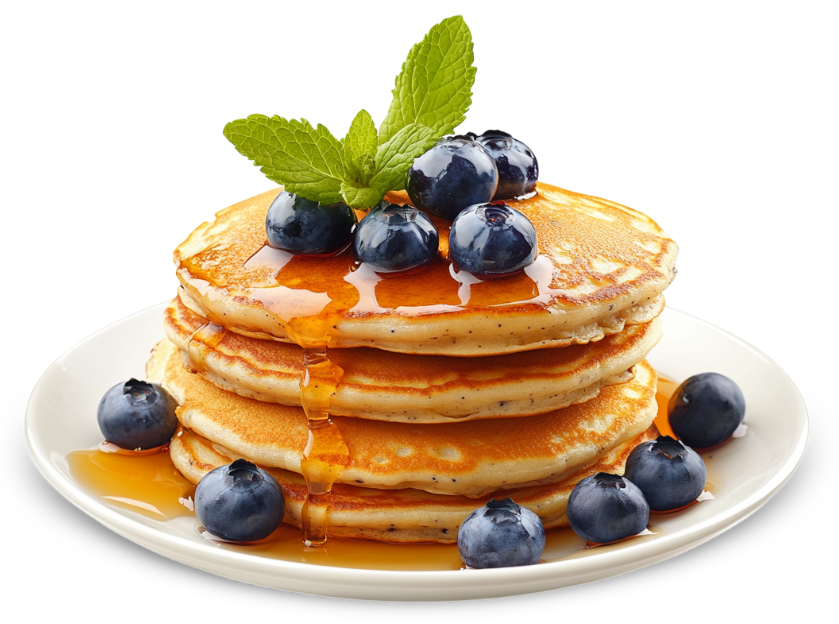
National Blueberry Pancake Day

Pancake’s history goes back to the Stone Age when humans were already crafting simple flatbreads cooked over hot ashes. Even Otzi the Iceman, preserved in ice for over 5,000 years, carried remnants of what could be the ancestor of today’s pancakes in his stomach. Fast-forward through the centuries, and pancakes evolved into something more recognizable, with additions like eggs, milk, and even unexpected ingredients like cabbage or cheese. By the time the term "pancake" entered English vocabulary in the 15th century, they were already beloved in countless variations worldwide. Names like griddle cakes, johnnycakes, and flapjacks joined the global repertoire, and nearly every culture had its own spin on the classic. But where do blueberries fit into all of this? Well, let’s start with the berries themselves. Native to North America, blueberries were a staple for Native Americans who valued them for their nutritional and medicinal properties. Long before the modern “superfood” hype, these tiny berries were curing ailments and flavoring recipes like pemmican—a blend of dried meat, fat, and berries. It wasn’t until the early 1900s that blueberries became a cultivated crop, thanks to Elizabeth White and Frederick Coville. This dynamic duo transformed the wild berry into a domesticated favorite, paving the way for blueberries to appear in everything from pies to pancakes. Blueberry pancakes’ popularity skyrocketed in North America, where the combination of fluffy batter and juicy berries felt like a match made in breakfast heaven.

Read the story
Canadian Bacon
United States flagUnited States·March 3 2026

National Canadian Bacon Day

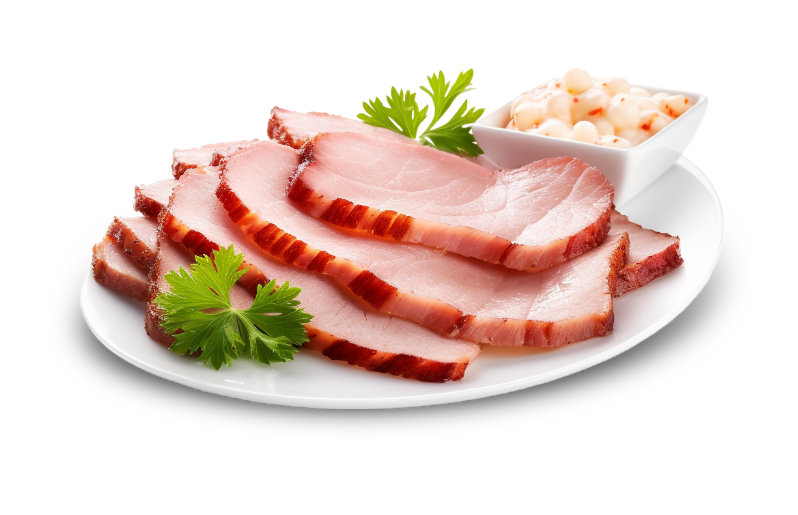
Ancient Chinese, Egyptians, and Romans cured pork to create a savory delight. The Romans even had a name for their version – “petaso.” As bacon fever spread through Europe, families embraced it for its remarkable shelf life. Now, let's fast forward to the New World. European settlers carried their pork curing secrets to America, but the bacon they crafted here was a tad different – saltier and leaner. It wasn't until the 19th and 20th centuries that bacon production boomed, thanks to innovations like brining and smoking. Today, bacon has secured its spot as an American culinary icon. Often dubbed “peameal bacon”, this special treat was once preserved by rolling it in ground-up dried yellow peas. The result? A meaty marvel that could save the day when you needed a quick meal. Fast forward to today, and Canadian bacon still gets its curing treatment, albeit with yellow cornmeal instead of peas. It's cut from the loin, served unsmoked, and packs a leaner punch than regular bacon – a bonus for those keeping an eye on their health.

Read the story
Croissant
United States flagUnited States·January 30 2026

National Croissant Day

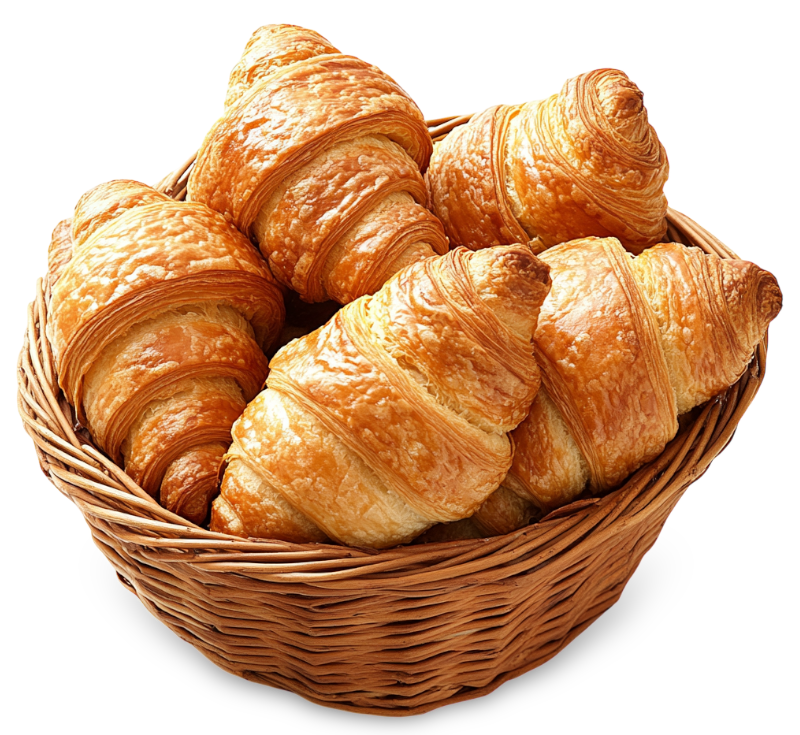
When you think of croissants, it’s impossible not to picture the buttery, golden layers that have become a quintessential symbol of French breakfast culture. But here’s the twist—it didn’t start in France. The croissant’s story begins in Austria, with its ancestor, the kipferl, a crescent-shaped pastry that dates back to at least the 13th century. Legend has it that the kipferl was baked to celebrate a military victory. One popular tale says Viennese bakers shaped the pastry to mimic the crescent moon seen on the Ottoman Empire's flag after the failed Siege of Vienna in 1683. Whether or not that’s true, what’s certain is that the kipferl paved the way for its puffier, flakier cousin. The croissant’s journey to France is credited to Marie Antoinette, the Austrian-born queen of France. She brought the kipferl along when she married King Louis XVI, and French bakers, ever the perfectionists, transformed it into the light, buttery marvel we know today. But it was August Zang, an Austrian artillery officer, who truly launched the croissant’s fame in France. In 1838, he opened the first Viennese bakery in Paris, introducing the city to the delights of kipferl and other Austrian treats. Over time, French bakers swapped the denser dough for pâte feuilletée, or puff pastry, giving us the delicate, layered texture that defines a croissant. By the early 20th century, croissants had become a breakfast staple in France, and Sylvain Claudius Goy’s 1915 recipe added yeast to the mix, giving them a distinct rise. Post-World War II innovations like flash freezing helped spread the croissant globally, and by the 1970s, the United States had fully embraced this flaky indulgence. Brands like Sara Lee introduced frozen croissants, while fast-food chains like Burger King turned them into breakfast sandwiches with creations like the Croissan'wich.

Read the story
Eggs Benedict
United States flagUnited States·April 16 2026

National Eggs Benedict Day

There are several theories about the true origin of Eggs Benedict. Some say it dates back to the 18th century, linking the dish to Pope Benedict XIII, who was obsessed with eggs. Legend has it that his egg habit was so strong that his name became tied to the dish. Whether it was for health or indulgence, one thing’s clear: the Pope loved his eggs. Another theory points to Lemuel Benedict, a Wall Street broker who, in 1894, wandered into the Waldorf Hotel after a night of overindulgence. Seeking relief, he ordered buttered toast, poached eggs, bacon, and Hollandaise. The chef, Oscar Tschirky, was so impressed that he swapped toast for English muffins, added it to the menu, and called it Eggs Benedict. A third claim came in 1967, when a letter to The New York Times mentioned Commodore E.C. Benedict, a yachtsman whose family supposedly passed down the recipe. Delmonico’s restaurant in New York also claims to have invented the dish in the 1860s. While the true creator remains unknown, what matters is that Eggs Benedict has evolved into a classic, with variations like Eggs Royale, Florentine, and Tex-Mex: a staple of brunch culture.

Read the story
French Toast
United States flagUnited States·November 28 2026

National French Toast Day

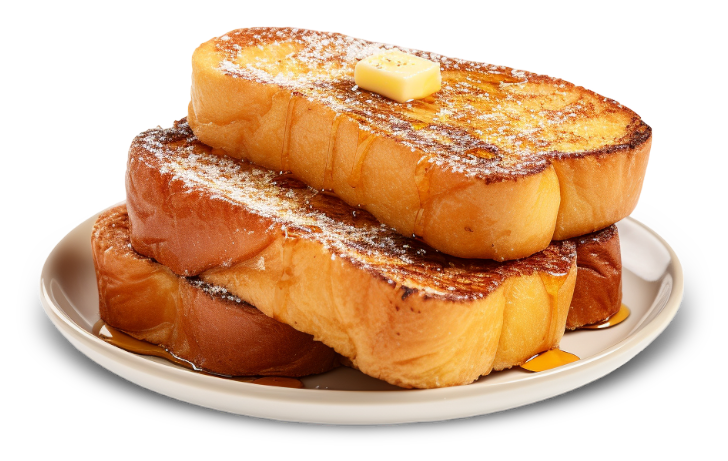
National French Toast Day, celebrated on November 28th, honors the iconic breakfast dish with a rich history dating back almost 2,000 years. Its roots trace to ancient Rome, where a dish called “Aliter Dulcia” involved soaking crustless white bread in a mixture of milk and eggs before frying and drizzling with honey. In medieval Europe, a similar dish known as “poor knight's pudding” provided a frugal yet filling meal. Contrary to the name, French toast is a misnomer, as it is called “pain perdu” or “lost bread” in France, highlighting its ability to revive stale bread. Joseph French, an innkeeper in Albany, New York, is credited with introducing French toast to the United States in 1724. The dish gained popularity in 17th-century England, and the term “French toast” is believed to originate from the Old Irish verb “to French,” meaning “to slice.” Fun facts about French toast include its occasional serving with ketchup in Great Britain and its Scottish version as a sausage sandwich. The dish has evolved globally, with variations like the Italian version featuring mozzarella cheese and the Creole variation adding whiskey to the egg and milk mixture. National French Toast Day is a delightful occasion to savor the diverse history and adaptations of this beloved breakfast treat.

Read the story
Shortbread
United States flagUnited States·January 6 2026

National Shortbread Day

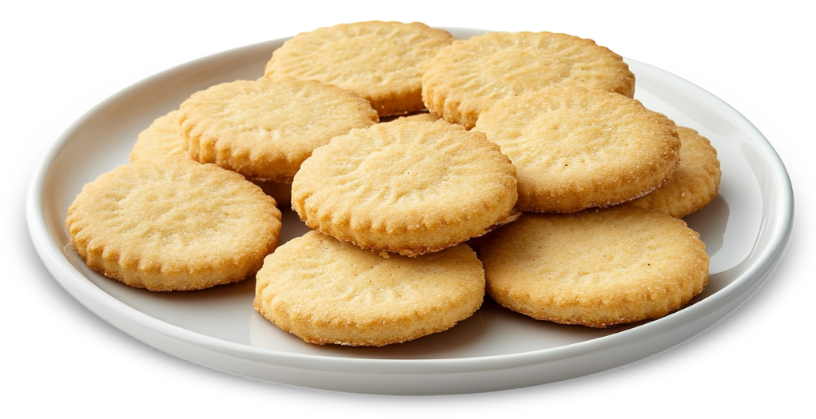
Did you know shortbread was once a luxurious treat reserved for special occasions like Christmas, Hogmanay, and even weddings? Shortbread’s story begins in medieval Scotland, where it evolved from “biscuit bread,” a twice-baked rusk made from leftover dough. By the 16th century, it gained prominence thanks to Mary, Queen of Scots, who refined the recipe and popularized the triangular “petticoat tails” design. The name may come from the French petites gatelles (“little cakes”) or the fabric patterns of Elizabethan petticoats—either way, it’s a royal legacy that stuck. The earliest known printed recipe for shortbread was published in 1736 by a Scotswoman named Mrs. McLintock. Her version highlighted the biscuit’s hallmark simplicity: butter, flour, and sugar, without any leavening agents. This lack of yeast or baking soda gave shortbread its unique, crumbly texture, a result of the high-fat content that “shortens” the dough. Shortbread became a staple of Scottish festivities, from the ancient Yule Cakes symbolizing the sun to the Hogmanay tradition of breaking a shortbread cake over a bride’s head for good luck. By the 18th century, it was a point of national pride, with Scotland firmly establishing itself as the home of this iconic biscuit. Classic shortbread features three iconic shapes: the circle (divided into “petticoat tails”), thick rectangular fingers, and individual rounds. Over time, bakers experimented with additional ingredients like rice flour for a grittier texture, caraway seeds for spice, or even demerara sugar for added sweetness. The modern Millionaire’s Shortbread, topped with caramel and chocolate, adds a decadent twist to the original recipe.

Read the story
Tea
United States flagUnited States·April 21 2026

National Tea Day

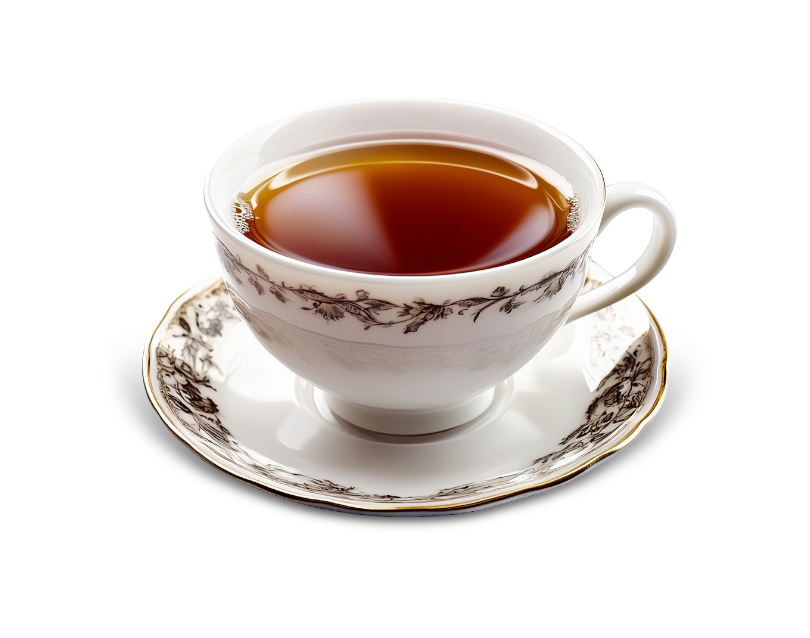
Founded in 2016, National Tea Day is celebrated on April 21, coinciding with Queen Elizabeth's birthday. While the Chinese are credited with inventing tea, it was Portuguese princess Catherine of Braganza who made it a staple in England. In 1662, when Catherine married King Charles II, she brought crates of loose-leaf tea with her. She drank it daily, and soon the royal court followed her lead, turning tea into a British tradition. National Tea Day aims to encourage tea-drinking year-round, though we can’t help but think of the iconic British afternoon tea. The tradition was introduced by the Duchess of Bedford, Anna Russell, in the 1840s to curb hunger between meals. She shared the idea with friends, and it quickly gained popularity among the aristocracy. Tea comes in many forms around the world. Green tea is enjoyed in China and Japan, while South Asian countries make spiced ‘chai.’ In Pakistan and Afghanistan, pink tea, or ‘Kashmiri tea,’ is served at weddings. In the UK, a classic cuppa is black tea with boiling water and a splash of milk. As Henry James once said, “There are few hours in life more agreeable than the hour dedicated to afternoon tea.”

Read the story