

Food Holidays
TodayCalendarExploreCountries
Language: English
  • English
  • Español
  • Français
  • Nederlands
  • עברית
  • Türkçe
  • العربية
Download on the App Store
Food Holidays

The live catalog of food holidays and national food days. Browse every holiday here — then keep it on your Home Screen with the iOS and Vision Pro app.

Download on the App Store

Explore

  • Today
  • Calendar
  • Explore
  • Countries
  • Get the app
  • Contact

The studio

Fill Studio · Amsterdam

Food Holidays is made in Amsterdam by Fill Studio.

support@foodholidays.app

  • Privacy Policy
  • Terms of Use

Write to us

Name, email, and a note — we read every one.

© 2026 Fill Studio · Amsterdam

Language

  • English
  • Español
  • Français
  • Nederlands
  • עברית
  • Türkçe
  • العربية

Explore

Find a food day

The search is fully open. No account. Type a food, pick a category, or just wander.

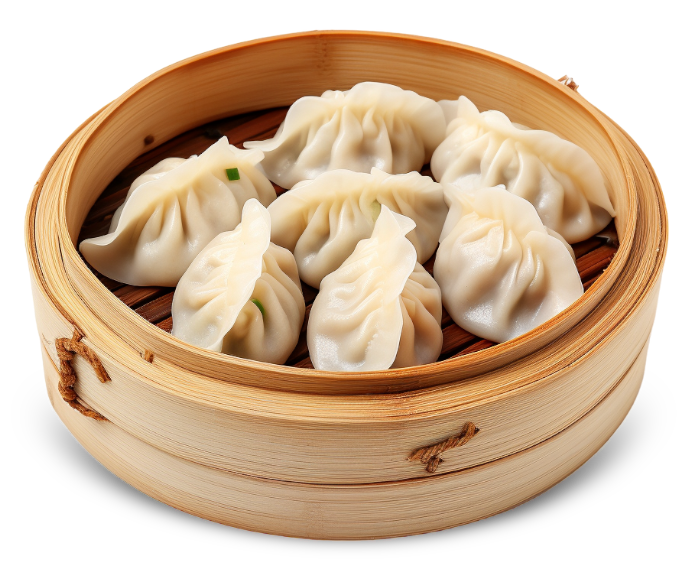
Dumpling
United States flagUnited States·September 26 2026

National Dumpling Day

Dumplings, originating over 1,800 years ago in China, are simple yet versatile creations featuring dough wrapped around a filling. The diverse history of dumplings spans the globe, with variations like Polish Pierogi, Georgian Khinkali, Japanese Gyoza, and Italian Ravioli. Whether sweet or savory, made with wheat flour, potatoes, or rice, dumplings have become a universal culinary delight. National Dumpling Day, initiated by TMI Food Group in 1989, celebrates these savory delights, offering endless possibilities from Pork & Shiitake Pot Stickers to Shrimp Mandu. Boiled, fried, or baked, dumplings have secured a place in diverse culinary landscapes. Dumplings have a rich timeline, from evidence of consumption in China during the Tang dynasty to Swiss consumption in 3,600 B.C. The first Western dumpling recipe emerged in 25 B.C., followed by the Chinese invention in 225 A.D. and the birth of Italian ravioli in the 1300s, weaving dumplings into global culinary history. National Dumpling Day, more than just a celebration of food, has become a cultural phenomenon. It inspires social media trends, culinary experiments, and a platform for showcasing creativity, recipes, and paying homage to the rich heritage of dumplings.

Read the story
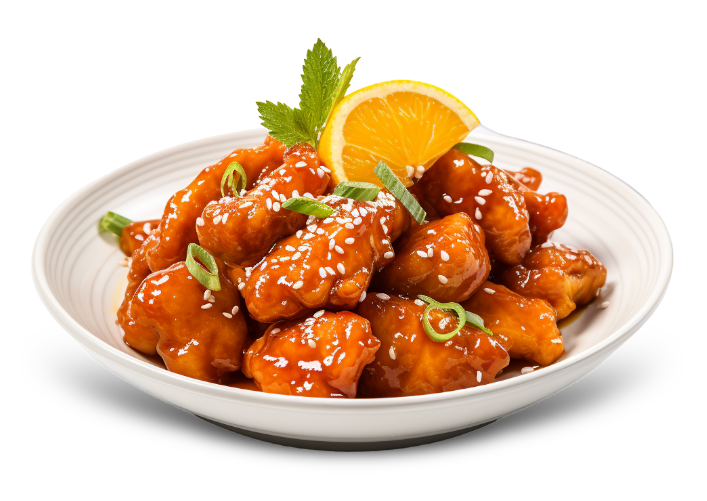
Orange Chicken
United States flagUnited States·July 15 2026

National Orange Chicken Day

Orange Chicken has its roots in a Chinese dish called tangerine chicken from China's Hunan province. Originally featuring chicken stir-fried in a sweet soy sauce with dried tangerine or orange peels, it underwent significant adaptation in the United States to become what we now know as orange chicken. Chinese immigrants introduced tangerine chicken to the U.S., where it was transformed to cater to American tastes, replacing dried peels with fresh orange peel and creating a sweet and sour chili sauce that differs from the original's savory and spicy profile. Chef Andy Kao, working at a Panda Express in Hawaii in 1987, is often credited with creating the modern orange chicken recipe. Since then, it has become a signature dish of Panda Express and a favorite at American Chinese restaurants nationwide. National Orange Chicken Day, established in 2017, celebrates this dish's global popularity. Orange chicken consists of battered and fried chicken coated in a sweet and sticky orange sauce made with ingredients like orange zest, juice, chili flakes, ginger, soy sauce, sugar, garlic, and vinegar. While variations exist, consulting an authentic Chinese recipe is recommended. With its distinctive flavors, orange chicken has become a beloved Chinese-American dish, celebrated annually on National Orange Chicken Day.

Read the story
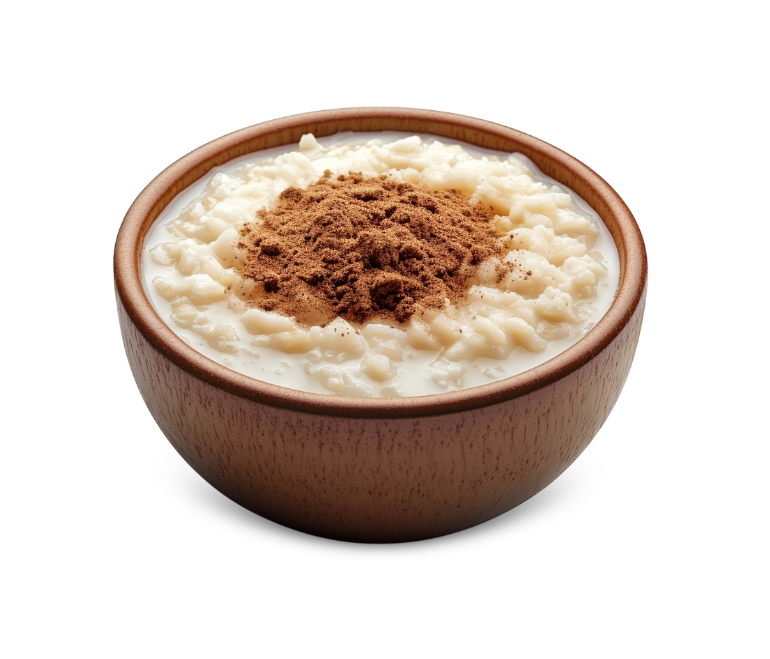
Rice Pudding
United States flagUnited States·August 9 2026

National Rice Pudding Day

Rice pudding is commonly enjoyed as a sweet dessert, but early versions were actually savory. Many believe rice pudding originated in ancient China or India, where rice and sugar played key roles in religious and cultural traditions. In India, a version called kheer was recorded as early as 6000 B.C., though it originally used sorghum instead of rice. Meanwhile, Middle Eastern and European rice puddings emerged in the 1300s, when rice was a luxury imported from Asia. Before the 1500s, European rice pudding was savory, cooked with broth, saffron, and almond milk. Sugar was later added, transforming it into the sweet dish we know today. By the 18th century, rice became more affordable, making rice pudding accessible to all. Rice pudding takes many forms worldwide. Spain’s arroz con leche features cinnamon and lemon zest, while Iran’s firni blends pistachios and cardamom. In the U.S., it’s often made with milk, sugar, cinnamon, and raisins.

Read the story