
Food Holidays
TodayCalendarExploreCountries
Language: English
  • English
  • Español
  • Français
  • Nederlands
  • עברית
  • Türkçe
  • العربية
Download on the App Store
Food Holidays

The live catalog of food holidays and national food days. Browse every holiday here — then keep it on your Home Screen with the iOS and Vision Pro app.

Download on the App Store

Explore

  • Today
  • Calendar
  • Explore
  • Countries
  • Get the app
  • Contact

The studio

Fill Studio · Amsterdam

Food Holidays is made in Amsterdam by Fill Studio.

support@foodholidays.app

  • Privacy Policy
  • Terms of Use

Write to us

Name, email, and a note — we read every one.

© 2026 Fill Studio · Amsterdam

Language

  • English
  • Español
  • Français
  • Nederlands
  • עברית
  • Türkçe
  • العربية

Explore

Find a food day

The search is fully open. No account. Type a food, pick a category, or just wander.

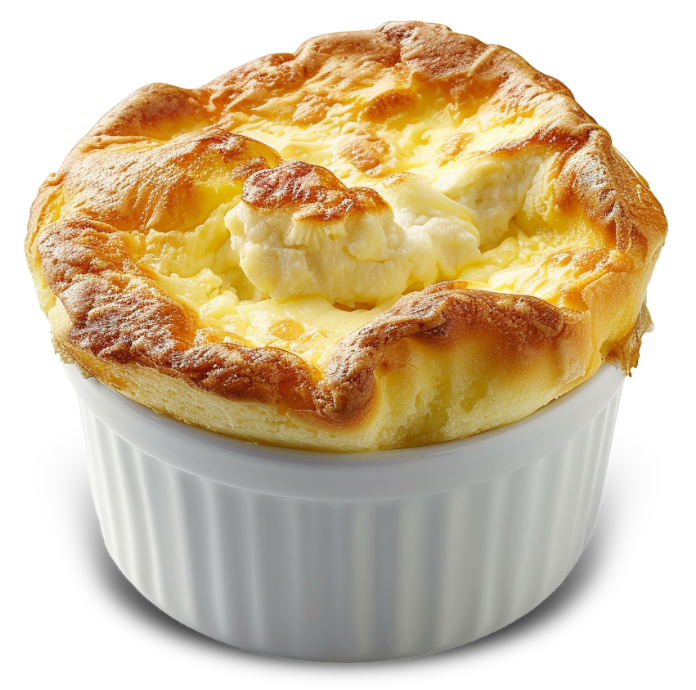
Cheese Souffle
United States flagUnited States·May 18 2026

National Cheese Souffle Day

A souffle is a yummy dish made with eggs that first came from France in the 1700s. Vincent La Chapelle is credited with mentioning it first, but Marie-Antoine Careme made it really famous by making it fancy. To make a souffle, you mix egg whites with a creamy sauce and bake it. It puffs up and turns golden brown. People add all sorts of things to it, like cheese, jam, fruit, chocolate, or lemon. The word “souffle” means to puff up, which is exactly what it does when it's cooked. You can make it sweet or savory, depending on what flavors you like. Traditionally, it's baked in a small dish called a ramekin. Over time, lots of different kinds of souffles have been made. Even though the basic steps are the same, the flavors you add can change how it tastes. About a hundred years after Marie-Antoine Caremes recipe, it became popular in the United States. Julia Child, a famous chef, helped make French cooking, including cheese souffles, popular in American homes.

Read the story


Croissant
United States flag
United States
·
January 30 2026

National Croissant Day

When you think of croissants, it’s impossible not to picture the buttery, golden layers that have become a quintessential symbol of French breakfast culture. But here’s the twist—it didn’t start in France. The croissant’s story begins in Austria, with its ancestor, the kipferl, a crescent-shaped pastry that dates back to at least the 13th century. Legend has it that the kipferl was baked to celebrate a military victory. One popular tale says Viennese bakers shaped the pastry to mimic the crescent moon seen on the Ottoman Empire's flag after the failed Siege of Vienna in 1683. Whether or not that’s true, what’s certain is that the kipferl paved the way for its puffier, flakier cousin. The croissant’s journey to France is credited to Marie Antoinette, the Austrian-born queen of France. She brought the kipferl along when she married King Louis XVI, and French bakers, ever the perfectionists, transformed it into the light, buttery marvel we know today. But it was August Zang, an Austrian artillery officer, who truly launched the croissant’s fame in France. In 1838, he opened the first Viennese bakery in Paris, introducing the city to the delights of kipferl and other Austrian treats. Over time, French bakers swapped the denser dough for pâte feuilletée, or puff pastry, giving us the delicate, layered texture that defines a croissant. By the early 20th century, croissants had become a breakfast staple in France, and Sylvain Claudius Goy’s 1915 recipe added yeast to the mix, giving them a distinct rise. Post-World War II innovations like flash freezing helped spread the croissant globally, and by the 1970s, the United States had fully embraced this flaky indulgence. Brands like Sara Lee introduced frozen croissants, while fast-food chains like Burger King turned them into breakfast sandwiches with creations like the Croissan'wich.

Read the story
Drink Wine
United States flagUnited States·February 18 2026

National Drink Wine Day

Thousands of years ago, someone accidentally left a bunch of crushed grapes sitting around. Days later, they noticed the mixture bubbling, took a sip, and wine was born. Fast forward to today, and here we are, dedicating a whole day to this magical, fermented gift to humanity: National Drink Wine Day. The oldest known winery was found in a cave in Armenia over 4,000 years ago. Ancient Egyptians stashed barrels of wine in Pharaohs’ tombs, and the Greeks considered it divine, offering it up during their secret rituals. Even now, wine continues to be a symbol of culture, connection, and a little bit of everyday luxury. Wine’s packed with antioxidants like resveratrol, which has been linked to heart health, lower cholesterol, and even reducing the risk of certain diseases. Pinot Noir has particularly high levels of resveratrol. What’s fascinating is how no two bottles of wine are ever truly the same. Everything from the soil the grapes grow in to the weather that year shapes the final flavor. That’s why wine enthusiasts can spend hours debating which vintage of Cabernet Sauvignon reigns supreme (or so they claim). National Drink Wine Day is about appreciating wine for everything it brings to the table. This is the day to raise your glass and toast to wine's incredible history and all the moments it makes a little better. Cheers to that!

Read the story
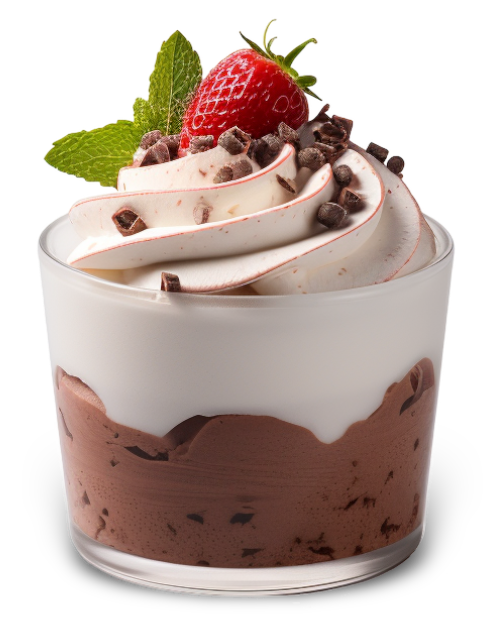
Mousse
United States flagUnited States·November 30 2026

National Mousse Day

The roots of mousse trace back to 18th-century France, where it was initially conceived as a savory dish. The term “mousse” itself signifies “foam,” reflecting its light and fluffy consistency achieved by whipping egg whites and cream. However, it wasn't until the late 19th century that fruit mousses gained popularity, with the French incorporating whipped cream into fruit, coffee, or liqueurs, creating what they called 'crème en mousse' or 'cream in a foam.' Chocolate mousse, now a beloved classic, rose to prominence in the U.S. during the 1930s, drawing inspiration from the introduction of chocolate pudding into American culinary culture. Over time, mousse recipes diversified, with savory versions featuring foie gras, shellfish, poultry, and vegetables, often stabilized with gelatin. **Interesting facts:** - In 1894, mousse was crafted from whipped cream, gelatin, and various ingredients. - Renowned artist Henri de Toulouse-Lautrec played a role in the evolution of mousse, experimenting with whipping chocolate and egg whites in 1900. - The term “chocolate mayonnaise” preceded the now-familiar “chocolate mousse.” - In 1977, white chocolate mousse made its debut in America and quickly won hearts. -Mousse cakes, multi-layered creations of mousse, biscuit, and filling, have gained popularity.

Read the story
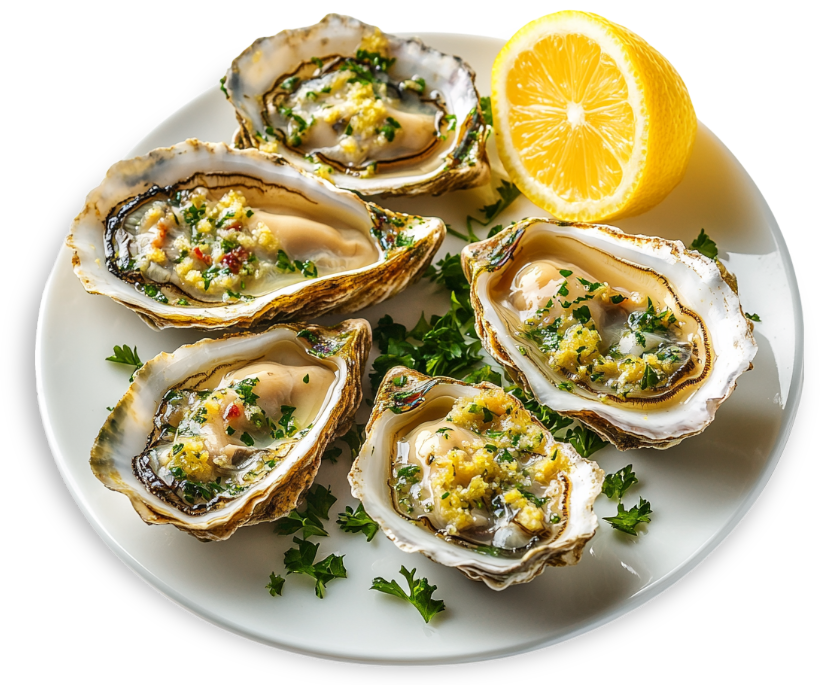
Oysters Rockefeller
United States flagUnited States·January 10 2026

National Oysters Rockefeller Day

Oysters Rockefeller, a blend of oysters on the half-shell, buttery green sauce, and crispy breadcrumbs, originated in New Orleans in 1889. Its story begins at Antoine’s Restaurant, founded in 1840 by French immigrant Antoine Alciatore. Decades later, his son Jules faced a culinary crisis: a shortage of escargot. Undeterred, he turned to Gulf Coast oysters, crafting a dish so rich it was named after John D. Rockefeller, the wealthiest man of the era. Jules himself declared, “I know of no other name rich enough for their richness.” The dish captivated diners with its vibrant green sauce, a mix of puréed vegetables, herbs, and butter. Yet, Jules took the exact recipe to his grave, leaving behind a mystery. While modern versions often use spinach, Antoine’s chefs have denied this repeatedly, keeping the true ingredients under wraps. Lab tests and guesses suggest parsley, celery, chives, and olive oil, but the authentic recipe remains Antoine’s secret. Oysters Rockefeller has become a culinary legend, with Antoine’s serving over 4 million plates since its creation, each meticulously numbered. In 2017, National Oysters Rockefeller Day was established to celebrate this masterpiece every January 10. Fun Fact: President Franklin D. Roosevelt enjoyed Oysters Rockefeller in 1937, famously hearing New Orleans Mayor Robert Maestri ask, “How you like dem erstas?” in a thick accent.

Read the story
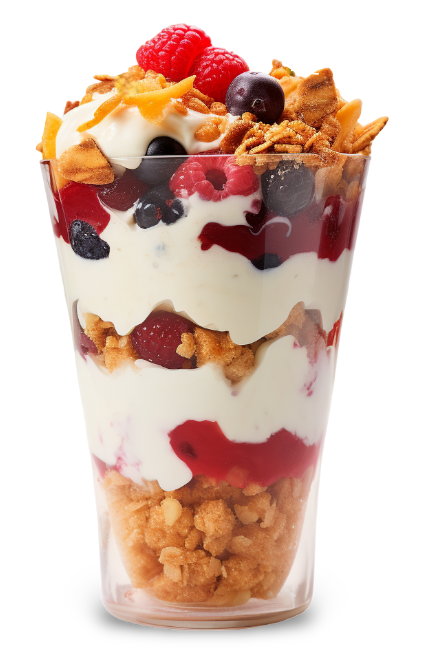
Parfait
United States flagUnited States·November 25 2026

National Parfait Day

The term “parfait,” meaning “perfect” in French, introduces a delightful culinary experience. Originating in France around 1894, the French parfait was a frozen dessert made from cream, eggs, sugar syrup, and sometimes alcohol, featuring a custard-like puree. The first recorded recipe surfaced in a late 19th-century French cookbook, formalizing parfait's introduction to the culinary world. As French cultural influence spread globally, so did the parfait, adapting to various styles. In the United States, the term encompasses both the French-style and American versions. American parfaits are a medley of flavors, featuring layers of parfait cream, ice cream, gelatin, and assorted toppings. The evolution of parfait in the USA went beyond French roots, with regions like the Northern U.S. and Canada incorporating yogurt, granola, fruit, and nuts. National Parfait Day, celebrated on November 25, is an occasion to enjoy and honor the diverse layers of flavor in this beloved frozen treat. Dessert evolution, from medieval sugar scarcity to Middle Ages sugar sculptures, paved the way for parfait's emergence. The Industrial Revolution democratized desserts, making them accessible to the masses. The French parfait stayed true to its origins, while the American version embraced creativity, leading to a dominant force in the dessert scene. National Parfait Day invites appreciation for the rich history and diverse variations of this frozen delight.

Read the story
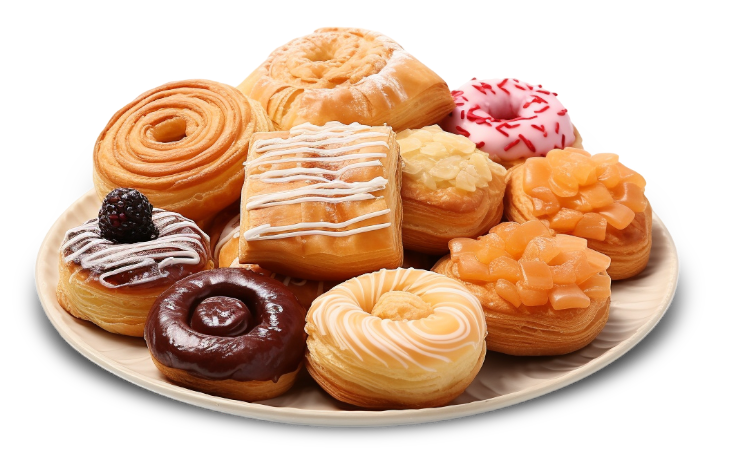
Pastry
United States flagUnited States·December 9 2026

National Pastry Day

National Pastry Day celebrates a rich history dating back to ancient Egypt, where innovative bakers crafted early pastries from wheat, honey, fruits, and nuts on hot stones. Greeks and Romans continued the tradition, creating sweet and savory pies in the 5th century BC. Medieval Europe elevated pastries to symbols of wealth, incorporating exotic spices introduced by Crusaders. The 17th century introduced delicate, flaky pastries, with the legendary Viennese croissant celebrating the defeat of the Ottoman Empire. In the 19th century, French pastry chefs like Antonin Carême became pioneers, creating iconic pastries such as éclairs and mille-feuille. Pastry evolution embraced regional flavors globally. In South America, empanadas gained popularity, while the Middle East contributed baklava. Asia introduced unique pastries like China's sweet bean paste-filled treats and Japan's mochi and manjū. National Pastry Day celebrates this culinary journey, recognizing pastries' cultural significance and the diverse, delicious creations that have delighted taste buds for centuries.

Read the story
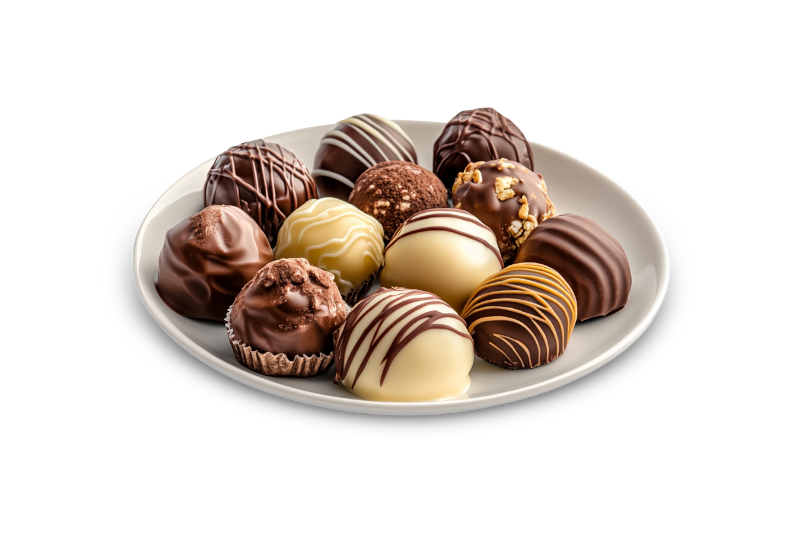
Pralines
United States flagUnited States·June 24 2026

National Pralines Day

The origins of pralines trace back to France, where Marshal du Plessis-Praslin’s chef, Clement Lassagne, is credited with their creation, though how exactly remains a mystery. Some say children in his kitchen caramelized almonds over a candle, while others claim an apprentice accidentally knocked almonds into hot caramel. When pralines arrived in New Orleans with Ursuline nuns in 1727, almonds were swapped for local pecans, and cream was added, giving birth to the pecan praline we know today. The nuns taught young “casket girls” this confectionery skill to prepare them for marriage, embedding pralines into Louisiana’s culinary history. By the 19th century, pralines became a vital part of New Orleans’ economy. Free women of color, known as pralinières, sold them in the French Quarter, gaining rare financial independence. While European pralines evolved into chocolate-filled bonbons, thanks to Belgian chocolatier Jean Neuhaus, American pralines remain a creamy, pecan-laden treat. Whether you say “prah-leen” or “pray-leen,” one thing is certain: the best way to experience this sweet Southern staple is fresh, hot off the slab in New Orleans.

Read the story
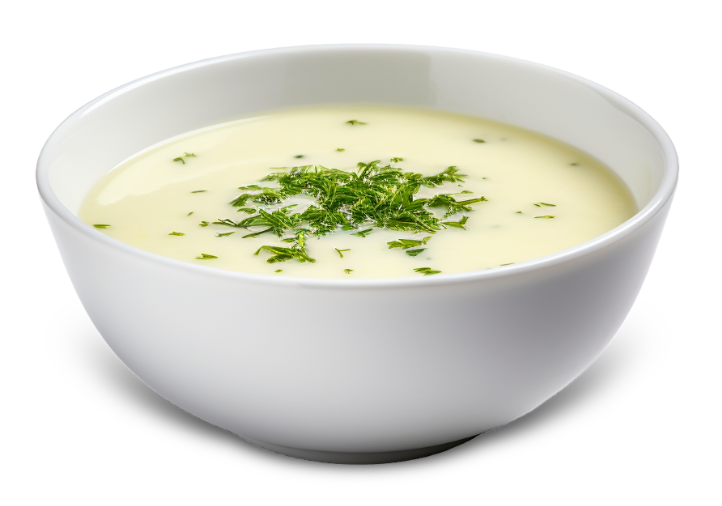
Vichyssoise
United States flagUnited States·November 18 2026

National Vichyssoise Day

National Vichyssoise Day, celebrated on November 18th, honors the beloved soup pronounced “vish-e-swaz.” This creamy delight is a blend of leeks, onions, potatoes, cream, and chicken stock, offering a versatile experience served either cold or hot. The origin of Vichyssoise is a culinary journey with conflicting tales. Some attribute its creation to King Louis XV of France, while others point to French cookbooks in the 19th century. However, the widely accepted story leads to 1917 in the Ritz-Carlton, New York, where French chef Louis Diat, inspired by his mother's soup in Vichy, France, crafted the iconic Vichyssoise. Originally intended for summer cooling, its popularity secured a permanent spot on the menu. Despite its French name, Vichyssoise has become a staple in American culinary culture, celebrated for its simplicity and satisfying blend of ingredients. National Vichyssoise Day pays homage to this soup's enduring appeal and its unique journey from France to the United States. Vichyssoise's historical connection to French soup traditions, its adaptability showcased by Chef Jules Gouffe in 1869, and its presence in the culinary memories of figures like Anthony Bourdain contribute to its rich legacy. From potential health benefits to creative variations, Vichyssoise continues to captivate diverse palates with its timeless charm.

Read the story