
Food Holidays
TodayCalendarExploreCountries
Language: English
  • English
  • Español
  • Français
  • Nederlands
  • עברית
  • Türkçe
  • العربية
Download on the App Store
Food Holidays

The live catalog of food holidays and national food days. Browse every holiday here — then keep it on your Home Screen with the iOS and Vision Pro app.

Download on the App Store

Explore

  • Today
  • Calendar
  • Explore
  • Countries
  • Get the app
  • Contact

The studio

Fill Studio · Amsterdam

Food Holidays is made in Amsterdam by Fill Studio.

support@foodholidays.app

  • Privacy Policy
  • Terms of Use

Write to us

Name, email, and a note — we read every one.

© 2026 Fill Studio · Amsterdam

Language

  • English
  • Español
  • Français
  • Nederlands
  • עברית
  • Türkçe
  • العربية

Explore

Find a food day

The search is fully open. No account. Type a food, pick a category, or just wander.

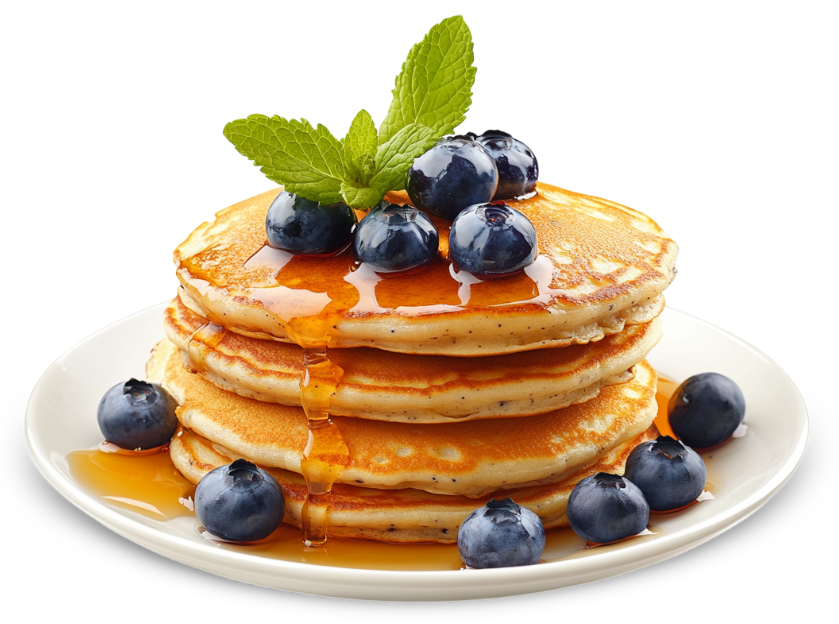
Blueberry Pancake
United States flagUnited States·January 28 2026

National Blueberry Pancake Day

Pancake’s history goes back to the Stone Age when humans were already crafting simple flatbreads cooked over hot ashes. Even Otzi the Iceman, preserved in ice for over 5,000 years, carried remnants of what could be the ancestor of today’s pancakes in his stomach. Fast-forward through the centuries, and pancakes evolved into something more recognizable, with additions like eggs, milk, and even unexpected ingredients like cabbage or cheese. By the time the term "pancake" entered English vocabulary in the 15th century, they were already beloved in countless variations worldwide. Names like griddle cakes, johnnycakes, and flapjacks joined the global repertoire, and nearly every culture had its own spin on the classic. But where do blueberries fit into all of this? Well, let’s start with the berries themselves. Native to North America, blueberries were a staple for Native Americans who valued them for their nutritional and medicinal properties. Long before the modern “superfood” hype, these tiny berries were curing ailments and flavoring recipes like pemmican—a blend of dried meat, fat, and berries. It wasn’t until the early 1900s that blueberries became a cultivated crop, thanks to Elizabeth White and Frederick Coville. This dynamic duo transformed the wild berry into a domesticated favorite, paving the way for blueberries to appear in everything from pies to pancakes. Blueberry pancakes’ popularity skyrocketed in North America, where the combination of fluffy batter and juicy berries felt like a match made in breakfast heaven.

Read the story
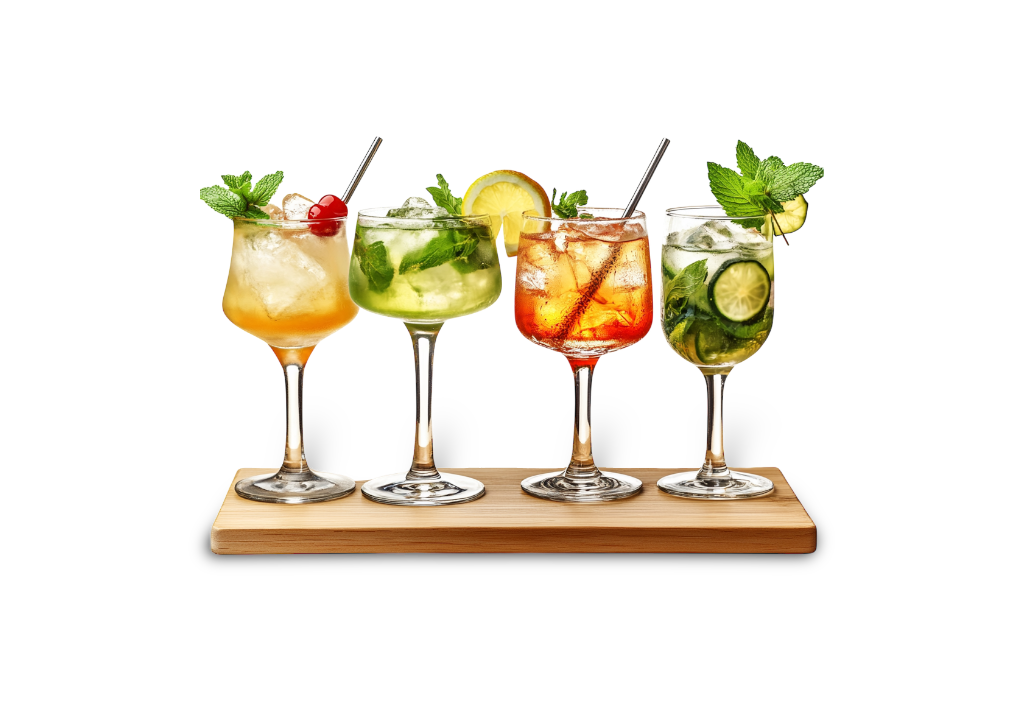
Cocktail
United States flagUnited States·March 24 2026

National Cocktail Day

National Cocktail Day was created by holiday guru and freelance writer, Jace Shoemaker-Galloway, who thought it’d be fun to give cocktails their own special day. And we couldn’t agree more! The term “cocktail” first appeared in print in 1806, though the drink itself likely existed long before that. Some believe it’s derived from the French word coquetier, meaning “egg cup,” used by Antoine Peychaud to serve a mix of bitters and brandy in the late 1700s. By the early 1800s, whiskey mixtures were being called cocktails, and the craft of cocktail making started to gain popularity. By the 1860s, the invention of the cocktail shaker took the art of mixing drinks to a whole new level. Fast forward to the 1920s during Prohibition, and cocktails became the go-to way to mask the harsh taste of bootleg alcohol. With fruit juices, honey, and spices mixed in, they made moonshine a little more palatable, all while adding some fun to the speakeasies of the time. But cocktails aren’t just about masking bad booze. They’ve become a blend of science and art, with bartenders experimenting with flavors, textures, and colors. In fact, some modern cocktails are even known to change color right before your eyes! The classic cocktails, though, are where the real history lies. From the Old Fashioned to the Sazerac to the Manhattan, these drinks offer a sense of nostalgia and sophistication that’s hard to beat.

Read the story
Drink Wine
United States flagUnited States·February 18 2026

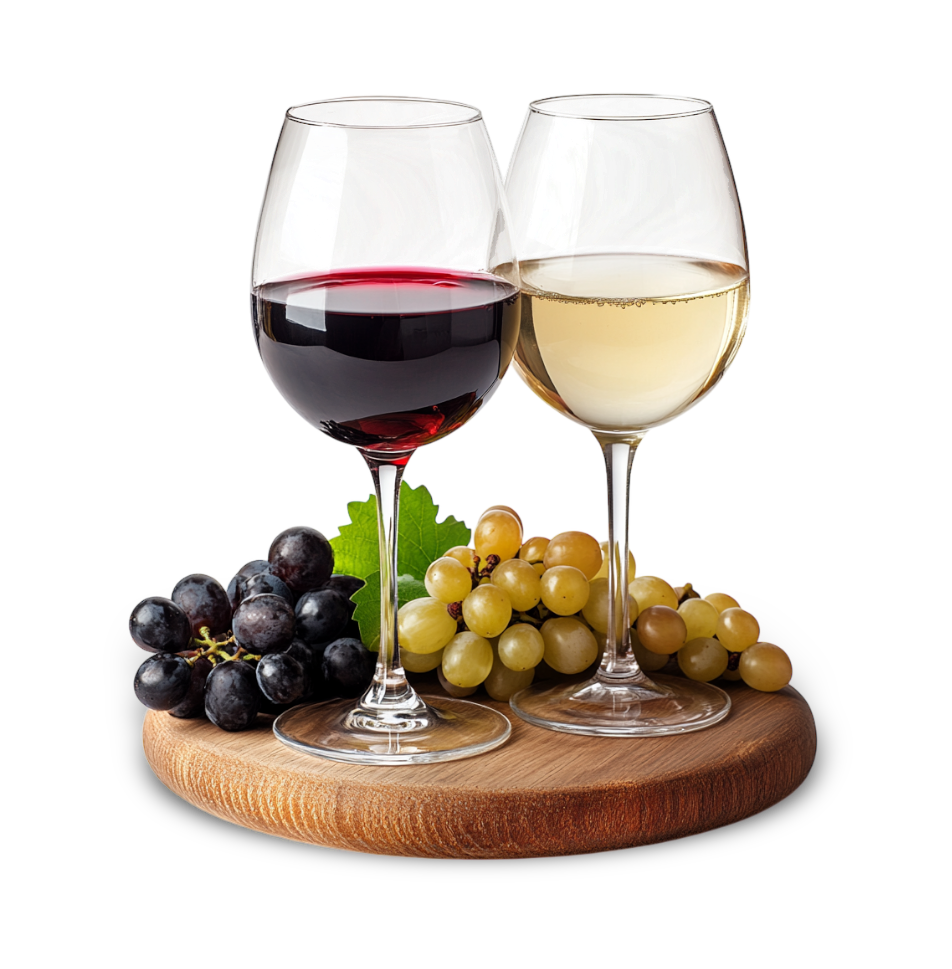
National Drink Wine Day

Thousands of years ago, someone accidentally left a bunch of crushed grapes sitting around. Days later, they noticed the mixture bubbling, took a sip, and wine was born. Fast forward to today, and here we are, dedicating a whole day to this magical, fermented gift to humanity: National Drink Wine Day. The oldest known winery was found in a cave in Armenia over 4,000 years ago. Ancient Egyptians stashed barrels of wine in Pharaohs’ tombs, and the Greeks considered it divine, offering it up during their secret rituals. Even now, wine continues to be a symbol of culture, connection, and a little bit of everyday luxury. Wine’s packed with antioxidants like resveratrol, which has been linked to heart health, lower cholesterol, and even reducing the risk of certain diseases. Pinot Noir has particularly high levels of resveratrol. What’s fascinating is how no two bottles of wine are ever truly the same. Everything from the soil the grapes grow in to the weather that year shapes the final flavor. That’s why wine enthusiasts can spend hours debating which vintage of Cabernet Sauvignon reigns supreme (or so they claim). National Drink Wine Day is about appreciating wine for everything it brings to the table. This is the day to raise your glass and toast to wine's incredible history and all the moments it makes a little better. Cheers to that!

Read the story
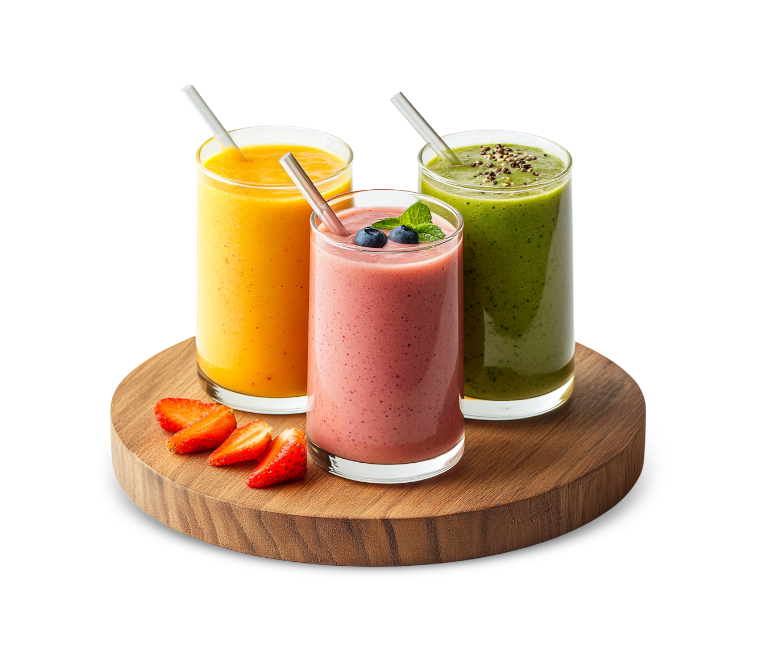
Smoothie
United States flagUnited States·June 21 2026

National Smoothie Day

Smoothies have been around for centuries, with early versions dating back to the Mayans and Aztecs, who blended fruits with water and spices. However, the modern smoothie emerged with the invention of the blender and home refrigeration in the early 20th century. In the 1920s, Julius Freed created a frothy orange juice blend, leading to the famous "Orange Julius." Around the same time, blended fruit drinks became popular in the U.S., inspired by South American pureed fruit drinks. The 1930s saw the introduction of yogurt into smoothies, making them creamier and packed with probiotics. By the 1960s, health food stores and juice bars were selling smoothies, fueled by the macrobiotic and health food movements. Jack Lalanne, an early fitness advocate, promoted juicing and healthy eating, contributing to the smoothie trend. The 1970s brought the term "smoothie," popularized by Steven Kuhnau, a lactose-intolerant teenager who opened "Smoothie King." The 1980s saw smoothies go mainstream as fast-food chains added them to menus. By the 2000s, superfoods like kale, chia seeds, and spirulina made smoothies a trendy health drink. The 2003 release of the "Magic Bullet" made home blending even easier. Today, smoothies are a staple for health-conscious individuals, enjoyed in countless variations from fruit blends to protein-packed post-workout drinks.

Read the story