
Food Holidays
TodayCalendarExploreCountries
Language: English
  • English
  • Español
  • Français
  • Nederlands
  • עברית
  • Türkçe
  • العربية
Download on the App Store
Food Holidays

The live catalog of food holidays and national food days. Browse every holiday here — then keep it on your Home Screen with the iOS and Vision Pro app.

Download on the App Store

Explore

  • Today
  • Calendar
  • Explore
  • Countries
  • Get the app
  • Contact

The studio

Fill Studio · Amsterdam

Food Holidays is made in Amsterdam by Fill Studio.

support@foodholidays.app

  • Privacy Policy
  • Terms of Use

Write to us

Name, email, and a note — we read every one.

© 2026 Fill Studio · Amsterdam

Language

  • English
  • Español
  • Français
  • Nederlands
  • עברית
  • Türkçe
  • العربية

Explore

Find a food day

The search is fully open. No account. Type a food, pick a category, or just wander.

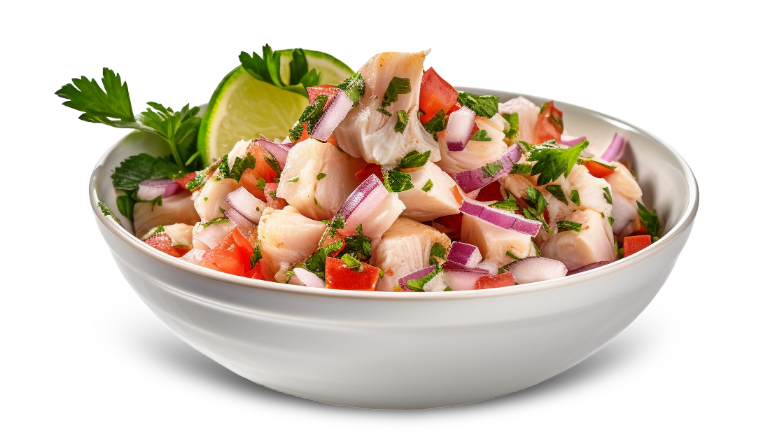
Ceviche
United States flagUnited States·June 28 2026

National Ceviche Day

National Ceviche Day is a Peruvian celebration dedicated to honoring the iconic dish of ceviche, a citrusy seafood delight. Known as cebiche, seviche, or sebiche, ceviche holds a special place in the hearts and palates of those in the Pacific coastal regions of Latin America and beyond. The dish features fresh raw saltwater fish, such as corvina or sea bass, finely chopped and marinated in zesty lime or lemon juice. The marinade includes onions, ají pepper, chili pepper, salt, and coriander. While ceviche has spread to many Latin American countries, its roots are deeply embedded in Peru. The name “ceviche” shares etymological connections with the Spanish and Portuguese dish “escabeche.” Spanish conquistadors played a role in ceviche's journey, and its origins, whether pre-Hispanic or during colonial times, are subjects of debate. Traditional Peruvian ceviche involves marinating freshly caught saltwater fish in key lime juice, blended with onions, chili peppers, salt, and pepper. It is served as an appetizer or main course with corn on the cob and sweet potatoes. The dish has evolved into unique variations across Latin America, with Ecuador, Chile, Mexico, Nicaragua, and El Salvador offering their twists. Recognized as part of Peru's cultural heritage, ceviche was officially celebrated on June 28 as National Ceviche Day by the Ministry of Production in 2008. The dish serves as a culinary ambassador, representing Peru's rich gastronomic culture to the world.

Read the story
Green Chili
United States flagUnited States·December 16 2026

National Green Chili Day

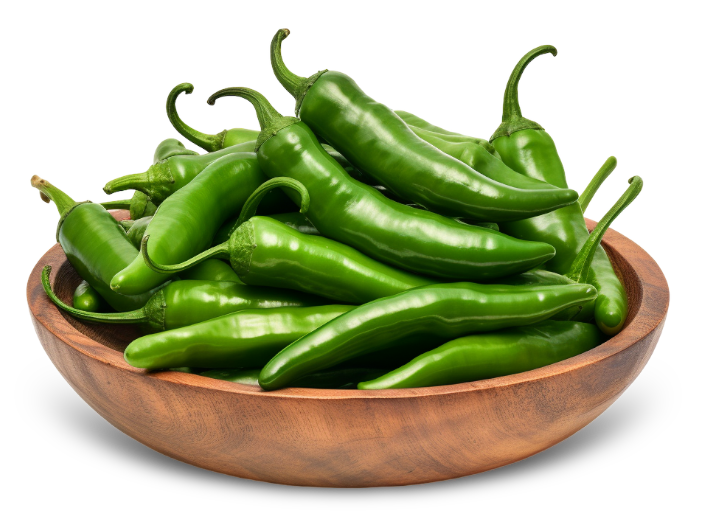
The history of green chili traces back to the roots of chiles in Mesoamerica, originating in South America and domesticated around 6,000 years ago. Cultivated by the Inca, Mayans, and Aztecs, chiles held religious significance. In the Southwestern United States, the Pueblo people incorporated chiles into their diet, with the natural cultivation of the Pueblo green chile in the Pueblo Valley. The late 1800s and early 1900s saw crucial developments, with Dr. Fabian Garcia creating the New Mexico No. 9 in 1913, aiming for genetic consistency. Sub-varieties like Numex Centennial and Rio Grande 21 diversified the green chile landscape. The 1930s marked a surge in chile-infused foods' popularity in the Southwest, becoming integral to New Mexico cuisine. In the 1940s, strategic marketing emphasized the economic importance of green chiles, solidifying their prominence. Green chiles continued to evolve, influencing culinary traditions beyond regional borders. National Green Chili Day, celebrated every December 16th, brings people together to honor the rich history and diverse flavors of green chili. Whether enjoyed on its own, as a topping, or a key ingredient, green chiles remain a spicy and flavorful journey through centuries of culinary heritage.

Read the story
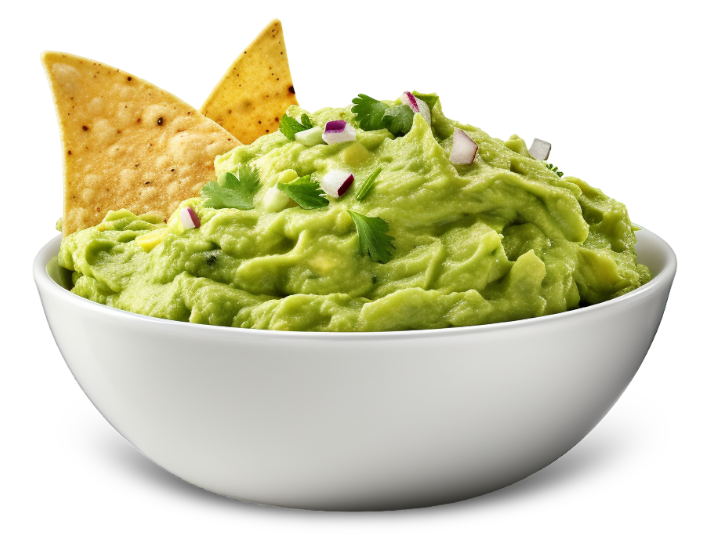
Guacamole
United States flagUnited States·September 16 2026

National Guacamole Day

Celebrate the creamy delight of avocados on September 16, National Guacamole Day in the U.S. This flavorful dip has roots dating back to the 16th century with the Aztecs in Mexico, who called it ”ahuacamolli.“ Spanish conquistadors added their twist with ingredients like onions and cilantro, resulting in the guacamole we know today, which traveled across continents to become a staple in American and Mexican cuisines. Crafting guacamole is a simple yet delicious process. Ripe avocados are mashed with salt and lime or lemon juice to prevent browning. The recipe has evolved to include tomatoes, onions, garlic, cilantro, and spices. Guacamole isn't just tasty; it's nutrient-packed, offering over 20 vitamins and heart-healthy fatty acids. On National Guacamole Day, create your own masterpiece by combining avocados with tomatoes, red onion, garlic, lime juice, and salt. Mash together, adjust seasonings, and enjoy with tortilla chips or as a flavorful addition to dishes. Guacamole's popularity has made it a staple for celebrations like Super Bowl Sunday and Cinco de Mayo. Its versatility extends to being a dip, condiment, salad ingredient, or even spread on toast. The day's origins are somewhat unclear, but it is linked to increased avocado availability in the U.S. post the North American Free Trade Agreement in 1994, showcasing guacamole's irresistible blend of flavors and health benefits.

Read the story
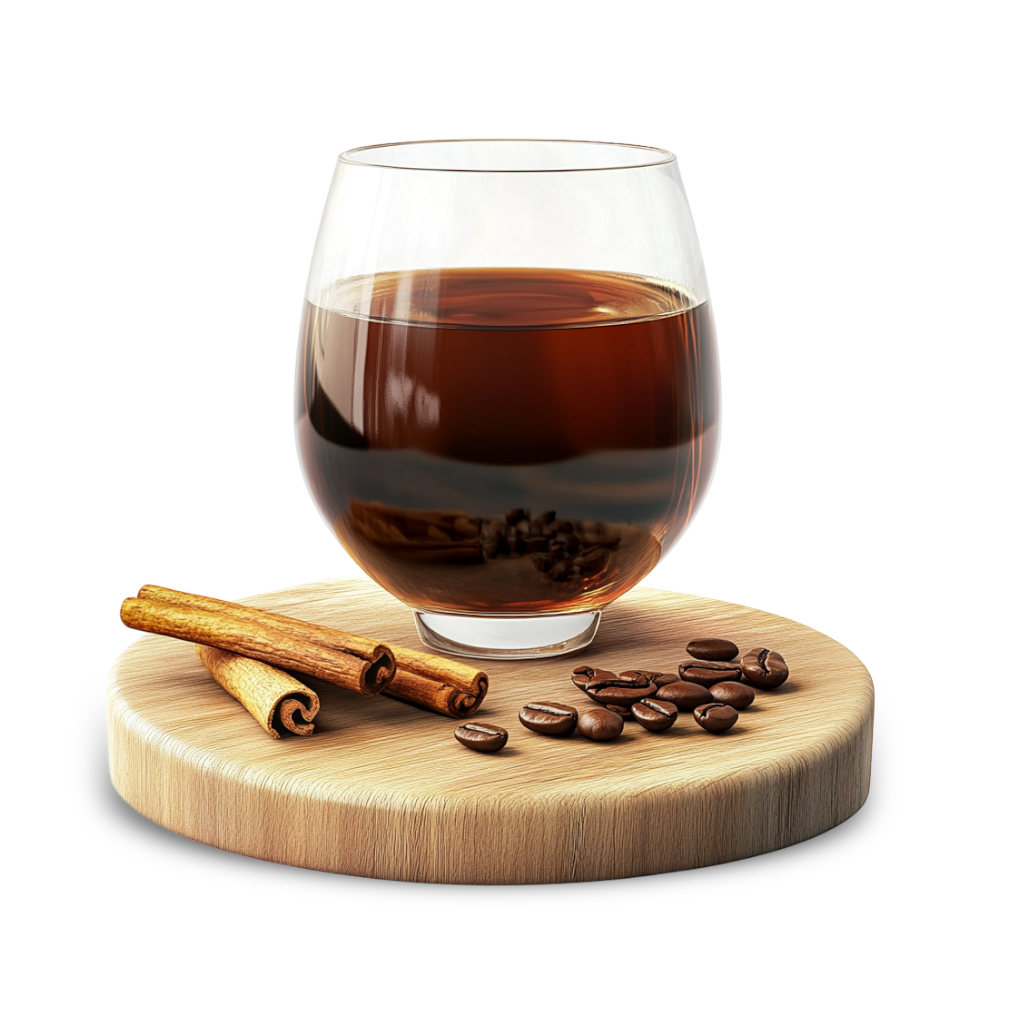
Kahlua
United States flagUnited States·February 27 2026

National Kahlua Day

Kahlua is the coffee-flavored liqueur that has become a staple in cocktails and desserts worldwide. Made from sugar cane, rum, and 100% Arabica coffee beans, it originated in Mexico. The name "Kahlua" comes from Veracruz Nahuatl, meaning "House of the Acolhua People," or, as some suggest, it’s old slang for coffee. Either way, it’s a fitting name for this rich, bold drink. Though introduced in 1869, Kahlua’s modern form was officially created in 1936 by Pedro Domecq, who blended rum, coffee, vanilla, and corn syrup. By the 1940s, it had made its way to the U.S., quickly becoming a favorite. The 1960s saw clever marketing campaigns, including female leadership, boosting its popularity. By the 1980s, Kahlua was the world’s best-selling coffee liqueur. It remains a key ingredient in classics like the White Russian, Black Russian, Espresso Martini, and B-52 shot. Beyond drinks, it enhances desserts like ice cream, cakes, and cheesecakes with its deep coffee flavor. The process behind Kahlua is meticulous—Arabica beans are grown for six years before being roasted and blended with rum. The result? A smooth, timeless liqueur enjoyed in countless ways.

Read the story