
Food Holidays
TodayCalendarExploreCountries
Language: English
  • English
  • Español
  • Français
  • Nederlands
  • עברית
  • Türkçe
  • العربية
Download on the App Store
Food Holidays

The live catalog of food holidays and national food days. Browse every holiday here — then keep it on your Home Screen with the iOS and Vision Pro app.

Download on the App Store

Explore

  • Today
  • Calendar
  • Explore
  • Countries
  • Get the app
  • Contact

The studio

Fill Studio · Amsterdam

Food Holidays is made in Amsterdam by Fill Studio.

support@foodholidays.app

  • Privacy Policy
  • Terms of Use

Write to us

Name, email, and a note — we read every one.

© 2026 Fill Studio · Amsterdam

Language

  • English
  • Español
  • Français
  • Nederlands
  • עברית
  • Türkçe
  • العربية

Explore

Find a food day

The search is fully open. No account. Type a food, pick a category, or just wander.

Almond
United States flagUnited States·February 16 2026

National Almond Day

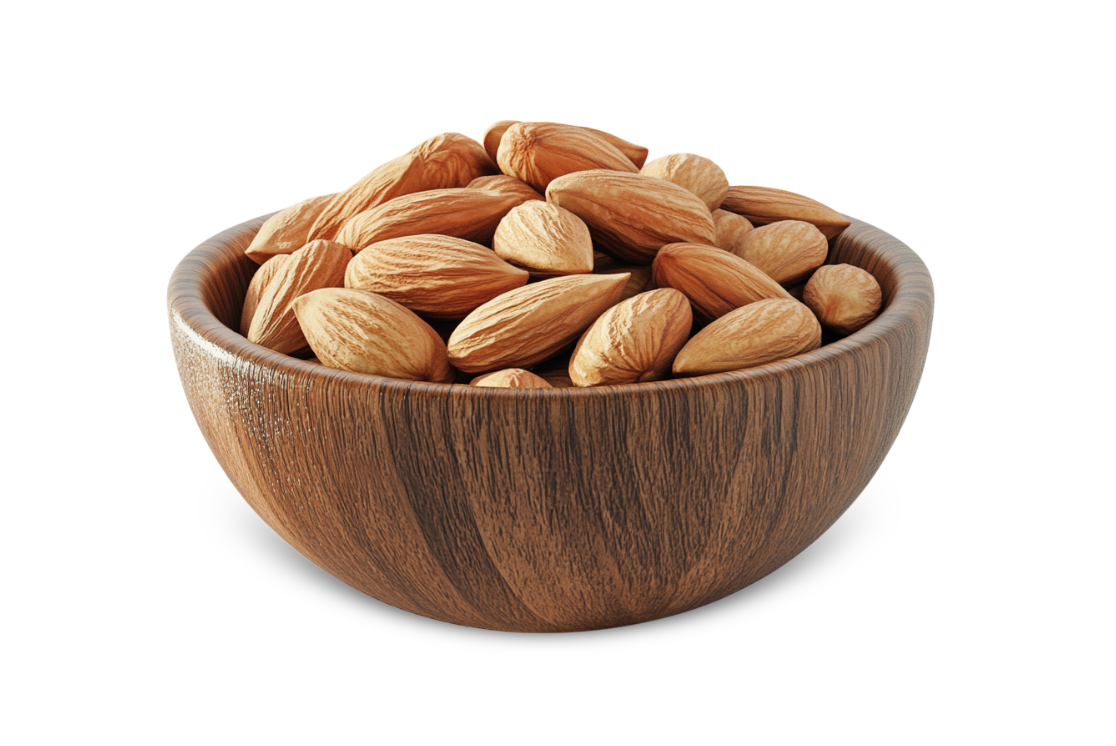
Almonds journey began in Iran, western Asia, and China, where wild almond trees thrived. Early farmers discovered a magical mutation: sweet almonds, free from the cyanide found in their bitter cousins. Thanks to this discovery, almonds became a safe and delectable treat, eventually spreading far and wide. Nomadic tribes and explorers couldn’t resist almonds during their long journeys along the Silk Road, snacking on them for energy. As they traveled, almond trees began popping up from China to the Mediterranean. By the time the Romans got their hands on them, almonds were celebrated as fertility charms, often gifted at weddings. Almonds are mentioned in ancient Hebrew texts and the Bible, where they symbolize hope, renewal, and divine favor. In Christian art, almond branches represented Mary and Jesus. Even Van Gogh painted almond blossoms, inspired by their beauty. While almonds became a staple in Spain, Italy, and Greece, their big break came in the 1700s when Franciscan missionaries introduced them to California. After a few rocky decades of cultivation (blame poor soil and climate knowledge), California became almond central. Today, the state produces 80% of the world’s almonds, making it the global almond king. Almonds pack a punch with vitamin E, magnesium, protein, and healthy fats. They’re heart-healthy, filling, and versatile.

Read the story
Couscous
United States flagUnited States·August 5 2026

National Couscous Day

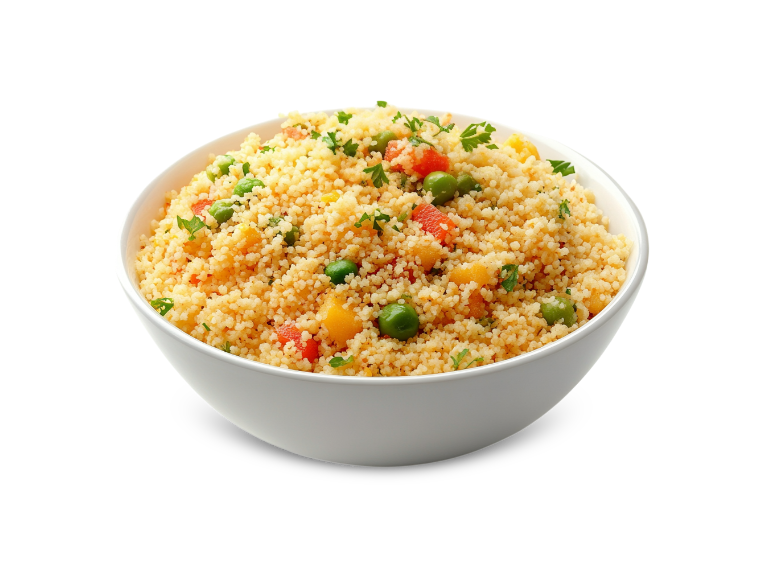
Couscous likely dates back to at least 6000 B.C. Some believe it spread from North Africa to the Middle East, possibly carried by Muslims and Sephardic Jews expelled from Spain in the 15th century. The first written record of couscous appeared in 13th-century Moorish Spanish cookbooks. Couscous is high in protein and fiber but low in fat. It’s also quite affordable, nutritious, and easy to store, and is comparable to rice or pasta. It is traditionally made from wheat but can also be prepared using sorghum, barley, millet, or corn. Couscous is versatile and simple to cook, it pairs with vegetables, legumes, meat, fish, or fruit. In North Africa, couscous holds cultural and religious significance, served during family feasts, weddings, and Ramadan celebrations. National Couscous Day, introduced in 2020 by The Branded Food Group (BFG) Limited, highlights couscous as a healthy, easy-to-make alternative to rice and pasta. The event promotes couscous recipes, its nutritional benefits, and its cultural importance. High in protein and fiber but low in fat, couscous is enjoyed worldwide in both savory and sweet dishes. National Couscous Day encourages people to explore and appreciate this ancient, versatile dish.

Read the story
Olive
United States flagUnited States·June 1 2026

National Olive Day

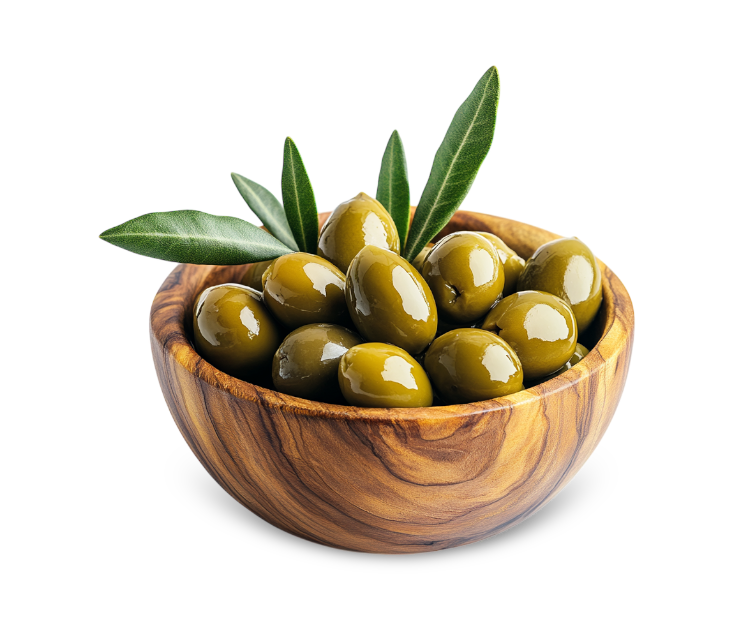
The olive tree, one of the oldest cultivated trees, traces its roots back 6,000 years to Asia Minor, spreading through Iran, Syria, and Palestine before reaching the Mediterranean. By 3,000 BC, olives were thriving in Crete, possibly fueling the wealth of the Minoans. The Phoenicians carried olives to Africa and Europe, while the Romans spread them further as they expanded their empire. Olive oil has played a central role in many cultures and religions. Ancient Egyptians placed olives in tombs, Greeks anointed victorious athletes, and Jewish and Christian traditions used olive oil in sacred ceremonies. Christian missionaries later brought olives to California, planting groves alongside their missions. California's olive industry saw waves of planting over the past 150 years, particularly in the north, where groves as old as 150 years still exist. However, in the south, urbanization has pushed out olive farming. Efforts like the Mission Olive Preservation, Restoration, and Education Project (MOPREP) aim to protect California’s olive heritage. The olive tree’s legacy extends to mythology. Athena gifted an olive tree to Athens, winning the city’s name. Even today, an olive tree stands on the Acropolis, said to be a descendant of the original. Revered for its resilience and symbolic value, the olive remains a cornerstone of Mediterranean life and global agriculture.

Read the story
Rice Pudding
United States flagUnited States·August 9 2026

National Rice Pudding Day

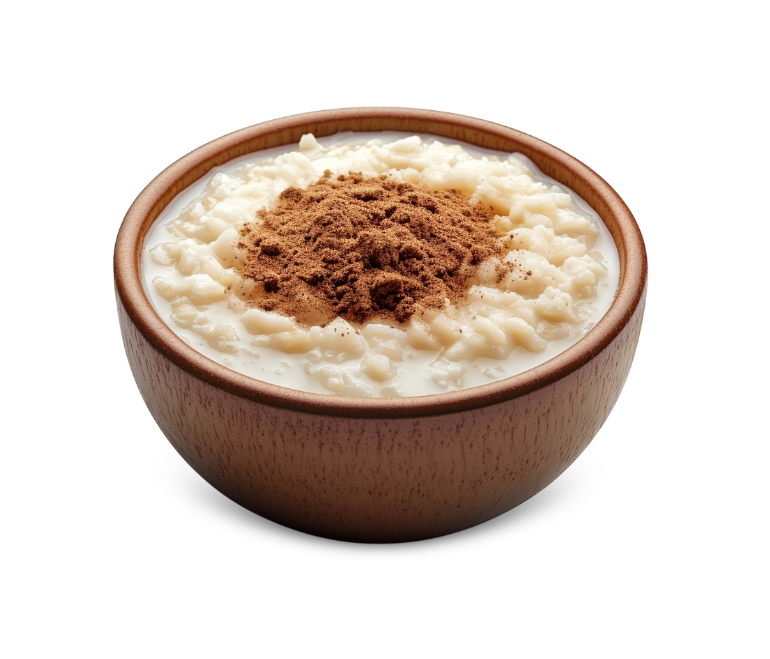
Rice pudding is commonly enjoyed as a sweet dessert, but early versions were actually savory. Many believe rice pudding originated in ancient China or India, where rice and sugar played key roles in religious and cultural traditions. In India, a version called kheer was recorded as early as 6000 B.C., though it originally used sorghum instead of rice. Meanwhile, Middle Eastern and European rice puddings emerged in the 1300s, when rice was a luxury imported from Asia. Before the 1500s, European rice pudding was savory, cooked with broth, saffron, and almond milk. Sugar was later added, transforming it into the sweet dish we know today. By the 18th century, rice became more affordable, making rice pudding accessible to all. Rice pudding takes many forms worldwide. Spain’s arroz con leche features cinnamon and lemon zest, while Iran’s firni blends pistachios and cardamom. In the U.S., it’s often made with milk, sugar, cinnamon, and raisins.

Read the story