
 United States
National Granola Bar Day
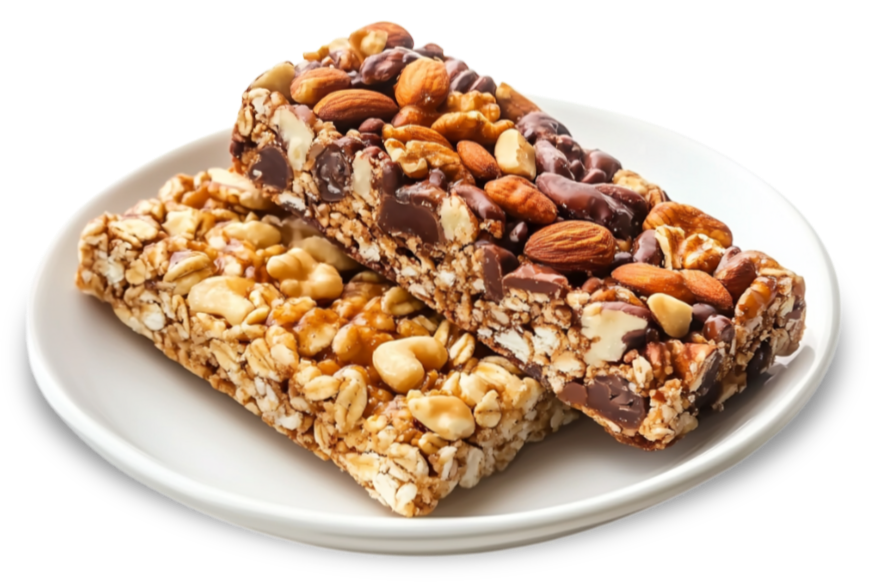
In 1863, Dr. James Caleb Jackson, a health spa operator in Dansville, New York, created granula, a baked mix of crumbled Graham flour clusters. Nutritious but far from thrilling, it was designed as a health food for spa patients. In the 1870s, Dr. John Harvey Kellogg revamped the recipe, replacing Graham flour with oats and soaking the mixture in milk for his patients. He also called it granula—until Jackson sued him. Forced to rebrand, Kellogg renamed it granola. Despite its early buzz, granola faded from popularity until the 1960s, when hippie culture and commercial innovation brought it back into the spotlight. By the 1970s, granola was booming. Companies like Quaker Oats and Pet Incorporated launched products like Heartland Natural Cereal and Quaker 100% Natural Granola. Then came the ultimate convenience: granola bars. Often credited to Stanley Mason or Edward Thayer, Sr., these energy-packed bites combined rolled oats, nuts, fruits, and syrups, perfect for hikers, bikers, and busy moms. Granola bars can be crunchy or chewy, baked or raw, but there’s a catch: many are loaded with sugar, fats, and calories, making them more like candy bars in disguise. So, while granola’s roots lie in health food, today’s bars walk a fine line between nutritious fuel and indulgent snack, a delicious evolution from its humble beginnings.
Read the story