

 United States
National Tempura Day
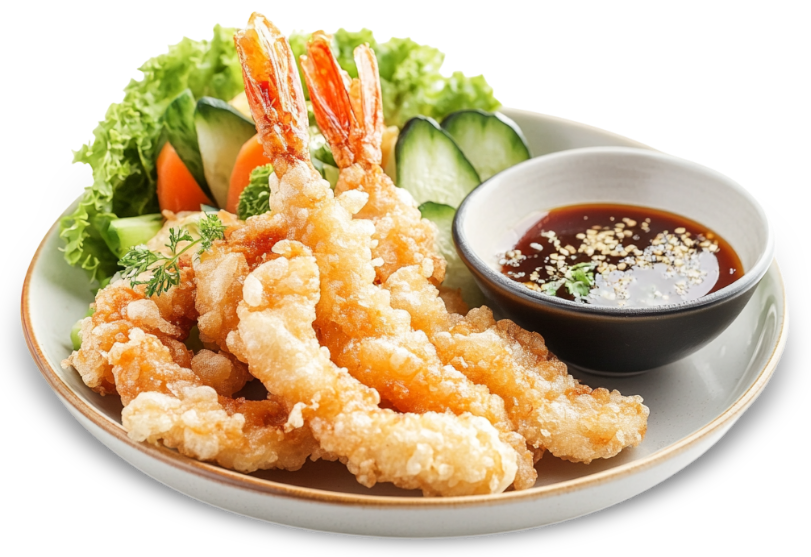
Did you know tempura wasn’t originally Japanese? It actually came to Japan via Portuguese missionaries in the 16th century. While the original recipe might not have looked like the tempura we know today, the Japanese turned it into an art form, creating this iconic dish. Tempura’s story began around 1549 when Portuguese missionaries introduced a batter-frying technique during their time in Nagasaki. The name “tempura” comes from the Latin word tempora, referring to fasting periods like Lent. During these times, meat was off the table, so fried fish and vegetables became a tasty alternative. The Japanese embraced the technique, adapting it with their own ingredients and culinary finesse. By the late 1600s, tempura was a street food superstar in Edo (modern-day Tokyo). Sold at yatai (food carts), early tempura was thick and fritter-like. But it didn’t stay that way for long. Japanese chefs refined the batter—using just flour, water, and eggs—and began frying fresh seafood and vegetables to crispy perfection. They even swapped traditional oils for sesame oil, which added a rich, nutty flavor while masking any fishy aromas. As it gained popularity, regional variations popped up across Japan. In Kyoto and Osaka, lighter batters were used for vegetable tempura, while Nagasaki stuck to its thicker, fritter-style roots. By the 1800s, Tokyo chefs perfected the tempura we know today—crispy, light, and paired with dipping sauces like tentsuyu or sprinkled with a touch of salt.
Read the story