
 United States
National Pumpkin Day
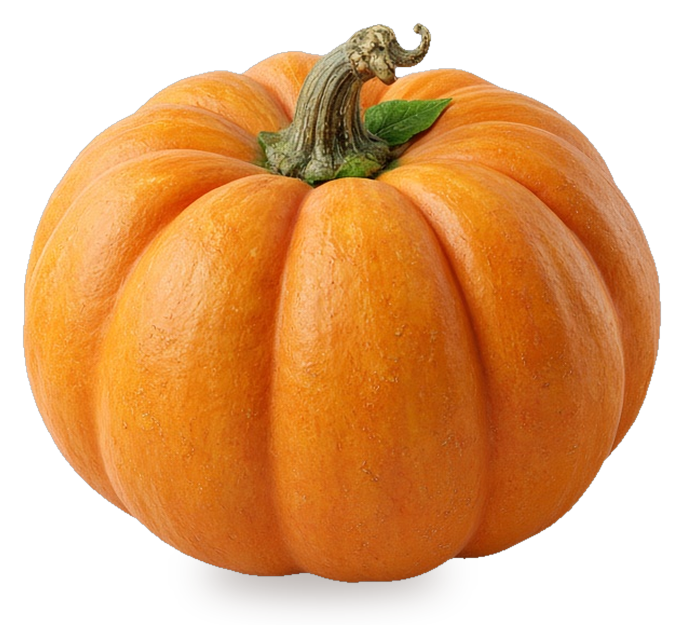
Pumpkins are one of the oldest cultivated crops in the Americas. Seeds found in Mexico date back thousands of years, and Native Americans grew pumpkins alongside corn and beans long before European settlers arrived. Early colonists learned to roast, stew, and dry the flesh, and some hollowed pumpkins out, filled them with milk, spices, and honey, and baked them in hot ashes, an early ancestor of pumpkin pie. Botanically a fruit and a member of the squash family, the pumpkin is rich in beta-carotene, fiber, and potassium. Its sweet, earthy flesh works in soups, breads, curries, and risottos, and of course in pies, while the roasted seeds, known as pepitas, make a crunchy snack. Today the United States grows more than a billion pounds of pumpkins a year, with Illinois leading production. Many end up as jack-o'-lanterns, a Halloween tradition that Irish immigrants adapted from carved turnips, and giant pumpkin contests regularly produce fruit weighing well over 2,000 pounds. On National Pumpkin Day, visit a pumpkin patch, carve a jack-o'-lantern, roast the seeds, or cook something warming with fresh pumpkin.
Read the story