

 United States
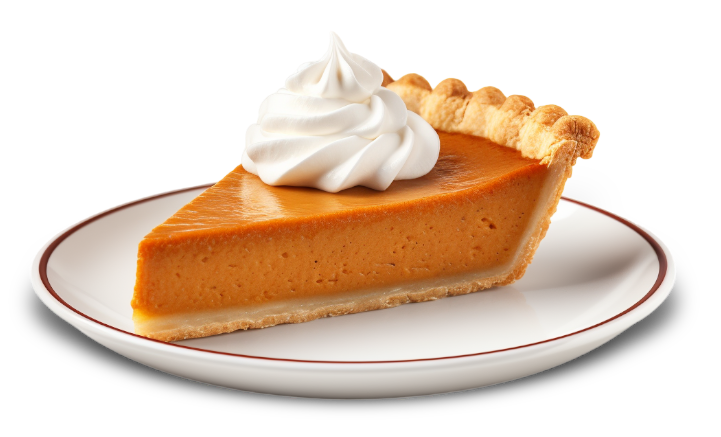
National Pumpkin Pie Day
The roots of pumpkin pie delve into history, originating over 10,000 years ago in Central America. European explorers transported pumpkin seeds to England, swiftly integrating them into the pie-making culture. Pilgrims aboard the Mayflower in 1620 likely brought pumpkin knowledge, and the inaugural Thanksgiving in 1621 likely featured a pumpkin creation. The evolution of pumpkin pie was intricate. 17th-century English cookbooks birthed recipes involving boiling pumpkin in milk and straining it before encasing it in a crust. The 1670 Gentlewoman's Companion proposed layers of pumpkin and apple, seasoned with spices and herbs. By 1796, Amelia Simmons' “American Cookery” unveiled a custard-filled pumpkin pie precursor. In the mid-1800s, amid debates over slavery, pumpkin pie assumed political significance as New England abolitionists incorporated it into literature. Post-Civil War, Thanksgiving's nationalization in 1863 expanded pumpkin pie's appeal beyond New England. Despite the controversy, it emerged as a symbol of national unity. In 1929, Libby's introduction of canned pumpkin revolutionized Thanksgiving traditions. Today, the pumpkin pie tradition endures, celebrated not only on Thanksgiving but also on its dedicated day, December 25th. Pumpkin spice, permeating everything from lattes to candles, has become a seasonal sensation. Writers and poets immortalize pumpkin pie, connecting it to the festive spirit of holidays. The enduring popularity of pumpkin pie epitomizes the fusion of cultural, culinary, and historical elements, solidifying its place in American and Canadian traditions.
Read the story