
 United States
National Plum Pudding Day
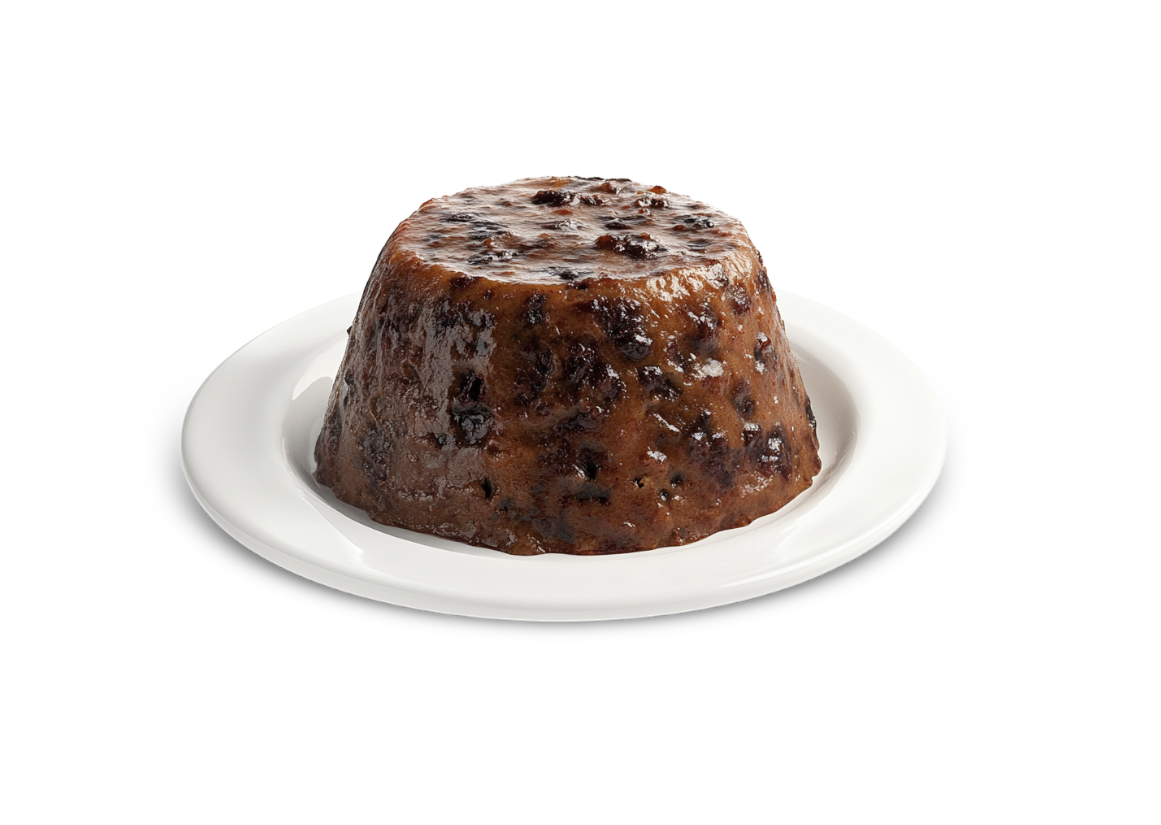
Let’s clear the air first, plum pudding isn’t a pudding in the American sense, and it certainly doesn’t involve plums. Back in 17th-century England, the word “plum” was slang for raisins or dried fruits like currants and figs. Mix those with suet (beef or mutton fat), breadcrumbs, and warming spices like cinnamon and nutmeg, and you’ve got the essence of plum pudding. This dense, steamed concoction is typically doused with brandy and ceremonially set aflame before serving. Often, it’s topped with a sprig of holly, creating an iconic dessert that screams Victorian Christmas. The origins of plum pudding stretch back to medieval times when it began as a savory pottage—a brothy mix of meat, root vegetables, and dried fruits. Over time, sugar became more accessible, transforming the dish into the sweetened, boozy delight we know today. By the 16th century, plum pudding had become a Christmas staple so ingrained in English culture that Oliver Cromwell famously banned it, deeming it too decadent. (Spoiler: the pudding—and Christmas—came back stronger than ever after Cromwell’s fall.) A highlight of plum pudding lore is Stir-Up Sunday, the last Sunday before Advent when families would gather to prepare their Christmas puddings. Tradition dictated that everyone in the household take a turn stirring the mixture—east to west, of course, to honor the Magi. Wishes were made, coins were hidden, and all had a good time.
Read the story