

 United States
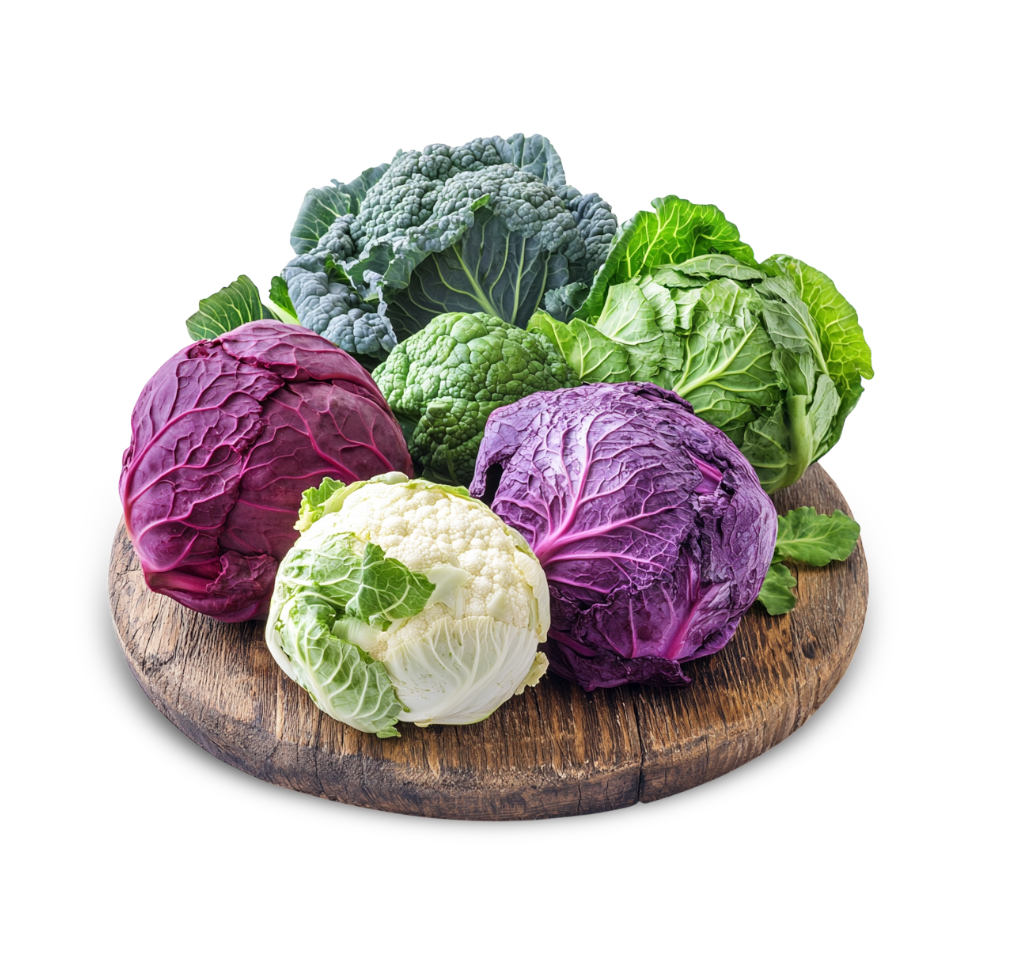
National Cabbage Day
The exact origin of cabbage is unclear, but its wild ancestors had thick, water-retaining leaves, allowing them to survive in cold, dry climates. Domesticated in Europe around 3,000 years ago, cabbage was also cultivated in North China as early as 4000 BC. Even Mesopotamians knew of it, though ancient Egyptians only began growing it during the Ptolemaic dynasty. By early Rome, cabbage was a dietary staple. The Greeks called it “krambe,” while Romans used “brassica” or “olus.” Some legends claim Diogenes ate nothing but cabbage. Romans even preferred it over other vegetables and believed it had medicinal properties, treating gout, headaches, and even mushroom poisoning. In the 8th century, Charlemagne encouraged its cultivation. By the 14th century, the first round-headed cabbages appeared in England and spread across Europe. Portuguese traders later introduced it to India, while Japan didn’t adopt it until the 18th century. Jacques Cartier brought cabbage to North America in 1541, where it became essential on ships due to its high vitamin C content, preventing scurvy. Today, China leads global production, while Russia consumes the most. From coleslaw to kimchi, cabbage remains a versatile, nutritious, and beloved staple worldwide.
Read the story