

 United States
National Ravioli Day
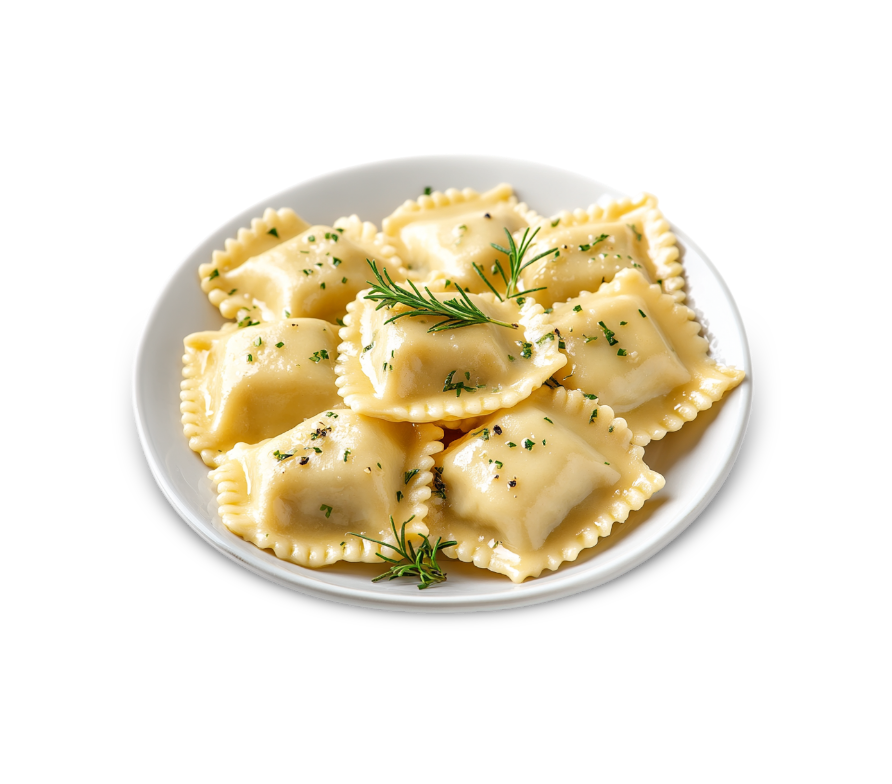
The origins of ravioli can be traced back to the 1300s, in Italy, with its first recorded mention by Francesco di Marco, a Venetian merchant. By the 16th century, ravioli had journeyed to Rome, where Bartolomeo Scappi, the famous Renaissance chef, served it at gatherings of Catholic cardinals. Over time, this elegant dish transitioned from the tables of the aristocracy to the homes of everyday Italians, becoming a cherished part of the regional cuisine. Ravioli’s versatility is part of its charm. While it can be stuffed with rich, meaty fillings, it also shines with vegetarian options like cheese, mushrooms, pumpkin, or even sweet almond biscuits. These adaptations were especially important during religious holidays when meat was off the menu, showcasing ravioli’s ability to adapt to the needs of the day. One fascinating theory about ravioli’s creation ties it to sailors from Genoa, who ingeniously wrapped their meal leftovers in dough, creating an early version of this stuffed pasta. Another theory suggests ravioli was inspired by a dish called "torta," a large, savory pie whose essence was distilled into bite-sized perfection. Regional variations abound, with northern Italy favoring specialties like ravioli di zucca e amaretti (pumpkin and almond biscuits). This dish, often enjoyed during Christmas, reflects Italy’s rich culinary heritage.
Read the story