

 United States
National French Bread Day
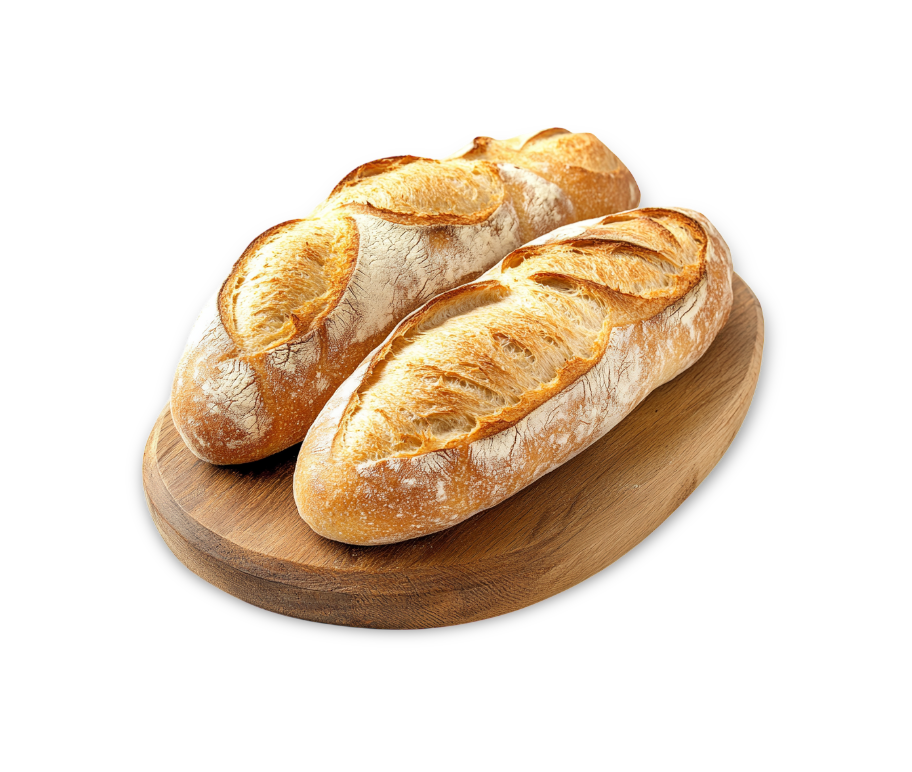
National French Bread Day celebrates one of France’s most iconic culinary symbol, the baguette. While its official debut came in 1920, the baguette’s roots stretch further back. In 1920, a new French law prohibited bakers from starting work before 4 a.m., creating a challenge: how could they bake fresh bread in time for the morning rush? The solution? A long, thin loaf that baked faster than traditional round loaves. This quick-baking bread revolutionized French bakeries, making morning bread fresher and more accessible. However, stick-shaped bread had existed long before. Some trace its origins to Napoleon Bonaparte, who allegedly wanted bread that soldiers could tuck into their uniforms. Others credit the post-French Revolution era, when a “Bread of Equality” decree called for bread affordable for all social classes. In 1944, France hosted its first Grand Prix de la Baguette competition, celebrating the nation’s finest bakers. By 1993, the Bread Decree (Le Décret Pain) established strict guidelines for traditional baguettes, allowing only flour, water, salt, and yeast in their preparation.
Read the story