

 United States
National Escagort Day
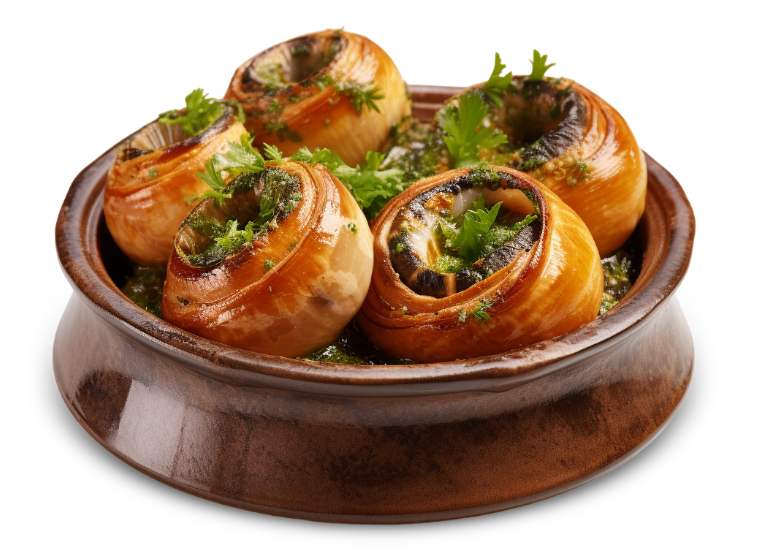
Escargot are edible snails that are a delicacy, typically prepared with butter and garlic, and served in their shells, making for a rich and unique culinary experience. Escargot has a history dating back to ancient Roman times. Archeological evidence suggests that people have been indulging in snails for centuries, with the Romans even enhancing their appeal by feeding them wine and barley, considering them a delicacy fit for emperors. Escargot, a French term, encompasses not just the dish but also the edible snails themselves. While not consumed worldwide, they find particular favor in countries like France, Spain, and Portugal, where they are often relished as a starter. These gastropods are typically served grilled in their shells, accompanied by a metal pick to extract the succulent meat. In France, you can even purchase them in cans, complete with empty shells and specially designed plates for serving. Despite their indulgent reputation, edible snails are surprisingly nutritious. They are high in protein and low in fat, and they offer a lot of essential nutrients, including potassium, vitamin E, iron, magnesium, phosphorus, copper, and selenium. **Interesting Facts:** - The practice of growing snails specifically for consumption is known as heliculture. - Snails raised on farms destined for the dinner table are typically fed ground cereal, ensuring their nutritional value. - In the United States, restaurants serve approximately one billion snails annually, showcasing the dish's growing popularity. - Research has explored the potential of snail slime in treating various health conditions, from stomach ulcers to skin problems, such as scars and spots.
Read the story