

 United States
National Potato Day
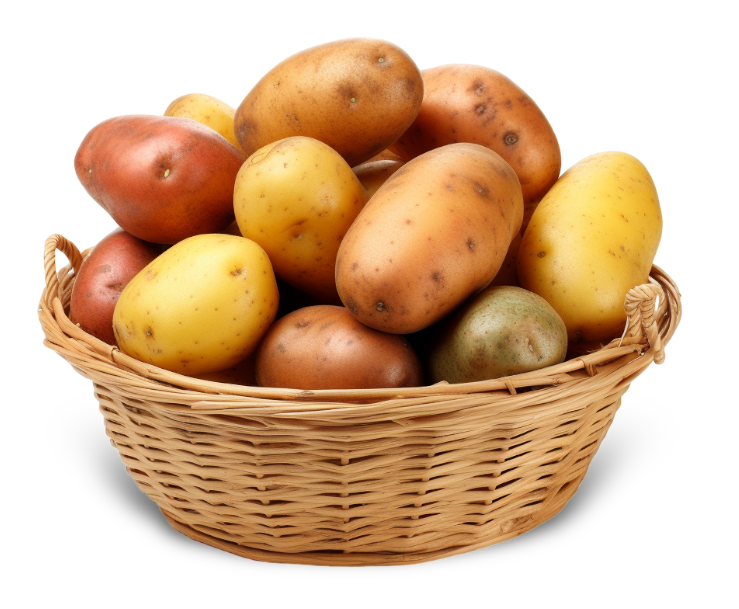
The story of the potato begins in the Andes mountains of South America, where wild potatoes have grown for thousands of years. The Incas in Peru were the first to cultivate these small, narrow tubers around 400 BCE, using them not only as food but also to measure time, with the cooking of a potato marking the passage of hours. In the 16th century, Spanish conquistadors, in their quest for riches, stumbled upon these peculiar tubers and brought them back to Europe. However, the potato was met with suspicion due to its resemblance to poisonous nightshade plants. It was primarily used as animal feed and food for the poor. The turning point for the potato in Europe came when Frederick the Great of Prussia decided to grow them in a heavily guarded royal field to generate intrigue and encourage theft by the people. This clever strategy led to the widespread adoption of the potato. In France, the fashion-forward King Louis XVI and Marie Antoinette popularized the potato by wearing its blossoms as accessories, helping change perceptions of this versatile vegetable. Meanwhile, in the United States, it was Thomas Jefferson who introduced potatoes at a White House dinner, further boosting their popularity, especially among Irish immigrants. The potato's journey continued, and it eventually became one of the most important crops in the world, ranking alongside rice, wheat, and maize. Potatoes are easy to grow, require fewer resources, and offer exceptional nutritional value, making them a valuable food source.
Read the story