

 United States
National Mustard Day
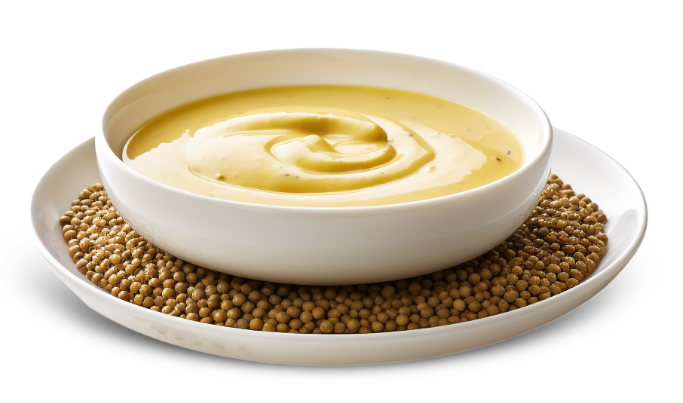
Mustard, derived from the seeds of the mustard plant, boasts a rich history dating back to Ancient Egypt. Initially employed for medicinal purposes, the Greeks and Romans embraced its diverse properties, incorporating it into their cuisine and medicinal practices. Northern France became a significant mustard producer, with the term 'mustard' originating from 'mosto,' a blend of unfermented grape juice and mustard seeds crafted by French monks. Prepared mustard, as we know it today, emerged in 13th-century Dijon, France, when Pope John XXII appointed his nephew as the Grand Mustard-Maker. The 19th century saw the British become the first mustard millers on an industrial scale. In 1904, modern yellow mustard made its debut in Rochester, New York, gaining popularity, especially with the classic American hot dog. The National Mustard Museum, founded by Barry Levenson, showcases over 5,600 mustards from 70+ countries. National Mustard Day, initiated in 1991, is celebrated annually at the National Mustard Museum, featuring games, music, and free mustard sampling. Mustard comes in various flavors, ranging from sweet to spicy, rooted in the diverse types of mustard seeds used, including white, brown, and black mustard. Mustard seeds, whether whole, ground, cracked, or bruised, find application in culinary creations, providing a pungent taste when ground or mixed with liquids.
Read the story