
 United States
International Poke Day
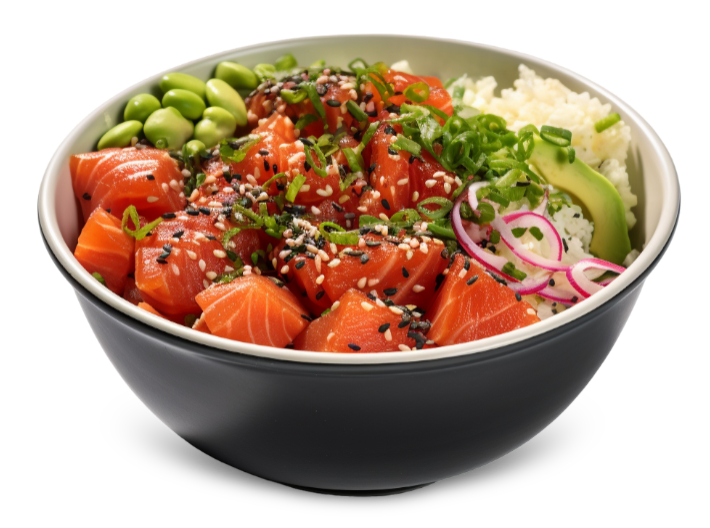
Pronounced ”poh-kay,“ poke originated in the 1970s as a snack for Hawaiian fishermen who seasoned fish cut-offs with salt, spices, and seaweed. Translating to ”to dice“ or ”to cut into pieces“ in Hawaiian, poke, unlike ceviche, avoids citrus fruits for curing. Initially featuring skipjack tuna with traditional seasonings, modern Hawaiian poke now embraces octopus and additional ingredients like sesame seed oil, soy sauce, chili pepper, and green onion. In the early 2010s, poke expanded beyond Hawaii, gaining global popularity, especially in mainland North America. The evolution led to the creation of poke bowls—sushi-grade raw fish or seafood on a base of boiled rice with various toppings. These bowls showcase artfully arranged ingredients, preserving distinct flavors. International Poke Day, established by Angela Wong of Splash Poke in Canada, invites enthusiasts to celebrate with a poke dish at a restaurant, try crafting poke at home, or host a Hawaiian-themed gathering. The day's history intertwines with poke's journey from a humble Hawaiian snack to a global sensation. The timeline of International Poke Day includes its 1970s inception, the proliferation of Hawaiian restaurant chains in North America by 2012, a shift from pre-marinated to sauced poke in 2014, and a unique 2021 milestone when poke was delivered to astronauts aboard space stations through UberEats during the ”I Love Poke“ festival hosted by Hawaiian chef Sam Choy.
Read the story