
Food Holidays
TodayCalendarExploreCountries
Language: English
  • English
  • Español
  • Français
  • Nederlands
  • עברית
  • Türkçe
  • العربية
Download on the App Store
Food Holidays

The live catalog of food holidays and national food days. Browse every holiday here — then keep it on your Home Screen with the iOS and Vision Pro app.

Download on the App Store

Explore

  • Today
  • Calendar
  • Explore
  • Countries
  • Get the app
  • Contact

The studio

Fill Studio · Amsterdam

Food Holidays is made in Amsterdam by Fill Studio.

support@foodholidays.app

  • Privacy Policy
  • Terms of Use

Write to us

Name, email, and a note — we read every one.

© 2026 Fill Studio · Amsterdam

Language

  • English
  • Español
  • Français
  • Nederlands
  • עברית
  • Türkçe
  • العربية

Explore

Find a food day

The search is fully open. No account. Type a food, pick a category, or just wander.

Drink Wine
United States flagUnited States·February 18 2026

National Drink Wine Day

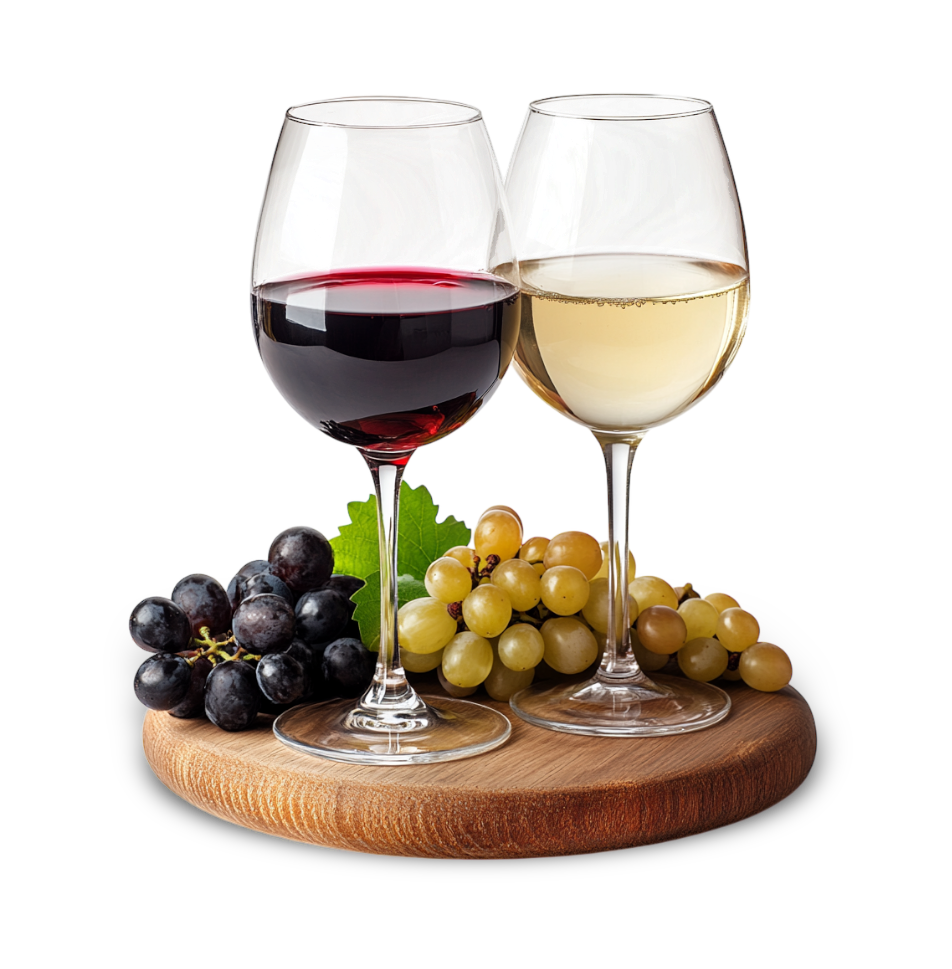
Thousands of years ago, someone accidentally left a bunch of crushed grapes sitting around. Days later, they noticed the mixture bubbling, took a sip, and wine was born. Fast forward to today, and here we are, dedicating a whole day to this magical, fermented gift to humanity: National Drink Wine Day. The oldest known winery was found in a cave in Armenia over 4,000 years ago. Ancient Egyptians stashed barrels of wine in Pharaohs’ tombs, and the Greeks considered it divine, offering it up during their secret rituals. Even now, wine continues to be a symbol of culture, connection, and a little bit of everyday luxury. Wine’s packed with antioxidants like resveratrol, which has been linked to heart health, lower cholesterol, and even reducing the risk of certain diseases. Pinot Noir has particularly high levels of resveratrol. What’s fascinating is how no two bottles of wine are ever truly the same. Everything from the soil the grapes grow in to the weather that year shapes the final flavor. That’s why wine enthusiasts can spend hours debating which vintage of Cabernet Sauvignon reigns supreme (or so they claim). National Drink Wine Day is about appreciating wine for everything it brings to the table. This is the day to raise your glass and toast to wine's incredible history and all the moments it makes a little better. Cheers to that!

Read the story
Olive
United States flagUnited States·June 1 2026

National Olive Day

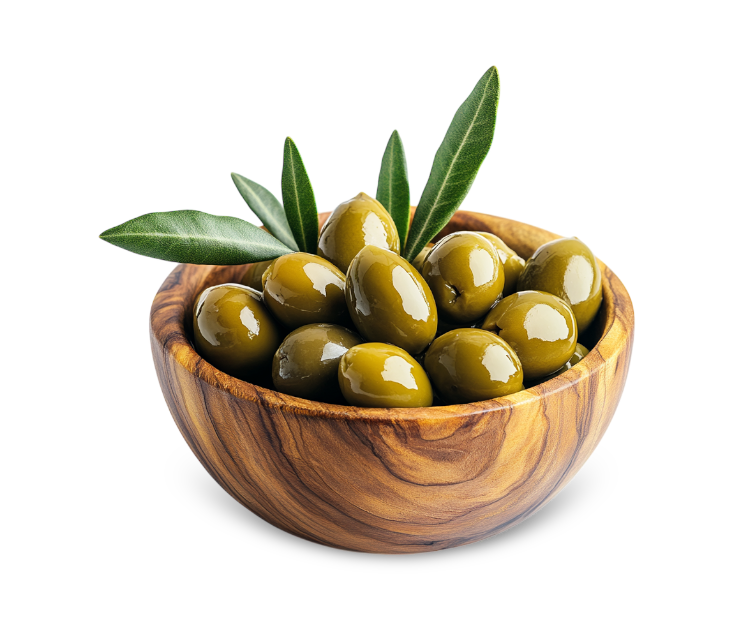
The olive tree, one of the oldest cultivated trees, traces its roots back 6,000 years to Asia Minor, spreading through Iran, Syria, and Palestine before reaching the Mediterranean. By 3,000 BC, olives were thriving in Crete, possibly fueling the wealth of the Minoans. The Phoenicians carried olives to Africa and Europe, while the Romans spread them further as they expanded their empire. Olive oil has played a central role in many cultures and religions. Ancient Egyptians placed olives in tombs, Greeks anointed victorious athletes, and Jewish and Christian traditions used olive oil in sacred ceremonies. Christian missionaries later brought olives to California, planting groves alongside their missions. California's olive industry saw waves of planting over the past 150 years, particularly in the north, where groves as old as 150 years still exist. However, in the south, urbanization has pushed out olive farming. Efforts like the Mission Olive Preservation, Restoration, and Education Project (MOPREP) aim to protect California’s olive heritage. The olive tree’s legacy extends to mythology. Athena gifted an olive tree to Athens, winning the city’s name. Even today, an olive tree stands on the Acropolis, said to be a descendant of the original. Revered for its resilience and symbolic value, the olive remains a cornerstone of Mediterranean life and global agriculture.

Read the story
Rice Pudding
United States flagUnited States·August 9 2026

National Rice Pudding Day

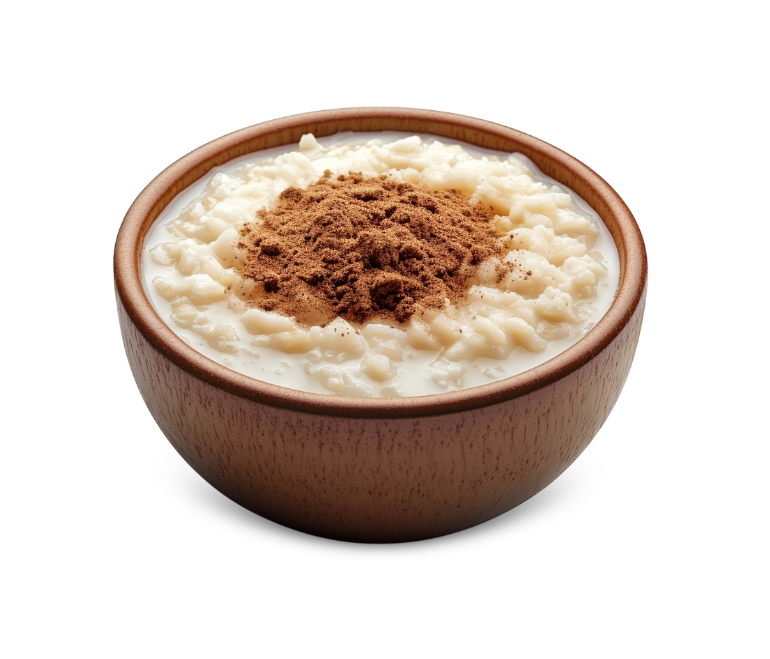
Rice pudding is commonly enjoyed as a sweet dessert, but early versions were actually savory. Many believe rice pudding originated in ancient China or India, where rice and sugar played key roles in religious and cultural traditions. In India, a version called kheer was recorded as early as 6000 B.C., though it originally used sorghum instead of rice. Meanwhile, Middle Eastern and European rice puddings emerged in the 1300s, when rice was a luxury imported from Asia. Before the 1500s, European rice pudding was savory, cooked with broth, saffron, and almond milk. Sugar was later added, transforming it into the sweet dish we know today. By the 18th century, rice became more affordable, making rice pudding accessible to all. Rice pudding takes many forms worldwide. Spain’s arroz con leche features cinnamon and lemon zest, while Iran’s firni blends pistachios and cardamom. In the U.S., it’s often made with milk, sugar, cinnamon, and raisins.

Read the story
Shrimp
United States flagUnited States·May 10 2026

National Shrimp Day

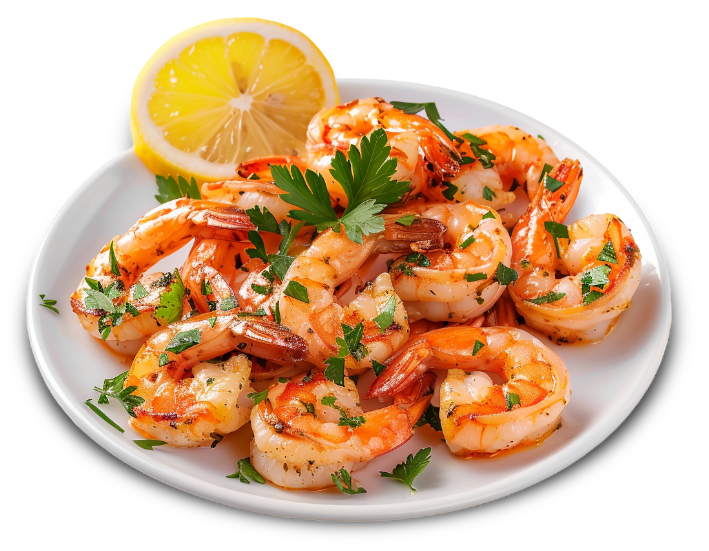
Shrimp has been a staple on dinner tables for thousands of years! Ancient Greeks and Romans enjoyed this shellfish, and today, shrimp is caught and shipped worldwide. Japan leads in shrimp consumption per capita, followed by the United States. With over 2,000 species, shrimp vary in size and color. The most common varieties include Rock, Pink, Tiger, and White Shrimp. Historians believe French explorers in the 1700s encountered shrimping in Louisiana. By the mid-1700s, Mobile, Alabama, became a seafood hub, with Mississippi following in the late 1800s. The beloved Southern shrimp boil likely developed around this time. Meanwhile, Italian settlers in California began fishing for shrimp in the late 19th century. As harvesting and shipping improved, shrimp became a national favorite by the early 1900s. Today, shrimp is the most widely eaten crustacean in the U.S., celebrated through recipes, contests, and, of course, eating! Shrimp can be wild-caught or farmed, with over 90% of U.S. shrimp imports being farmed. Available fresh or frozen, shrimp provide lean protein, iron, B12, selenium, and omega-3s. They are grilled, fried, boiled, or baked in dishes like jambalaya, gumbo, and paella.

Read the story