
Food Holidays
TodayCalendarExploreCountries
Language: English
  • English
  • Español
  • Français
  • Nederlands
  • עברית
  • Türkçe
  • العربية
Download on the App Store
Food Holidays

The live catalog of food holidays and national food days. Browse every holiday here — then keep it on your Home Screen with the iOS and Vision Pro app.

Download on the App Store

Explore

  • Today
  • Calendar
  • Explore
  • Countries
  • Get the app
  • Contact

The studio

Fill Studio · Amsterdam

Food Holidays is made in Amsterdam by Fill Studio.

support@foodholidays.app

  • Privacy Policy
  • Terms of Use

Write to us

Name, email, and a note — we read every one.

© 2026 Fill Studio · Amsterdam

Language

  • English
  • Español
  • Français
  • Nederlands
  • עברית
  • Türkçe
  • العربية

Explore

Find a food day

The search is fully open. No account. Type a food, pick a category, or just wander.

Carbonated Beverage with Caffeine
United States flagUnited States·November 19 2026

National Carbonated Beverage with Caffeine Day

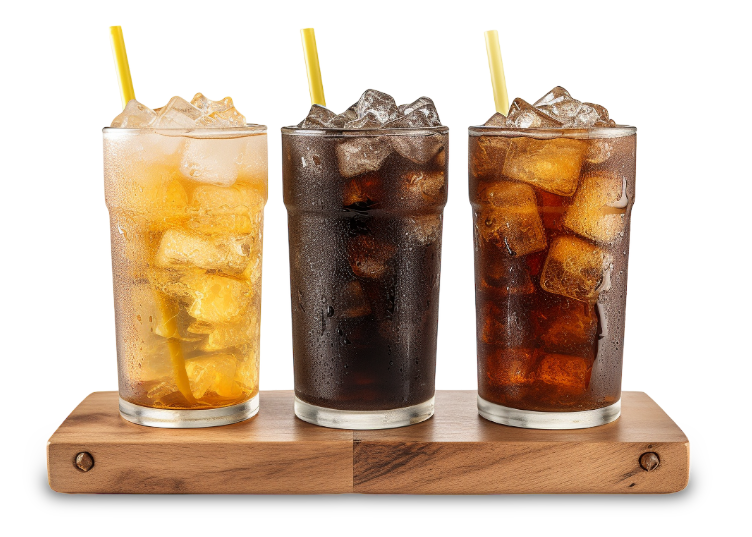
National Carbonated Beverage with Caffeine Day celebrates the accidental discovery of carbonated water by Englishman Joseph Priestly in 1767. While experimenting above a beer vat in Leeds, Priestly stumbled upon infusing water with carbon dioxide, laying the foundation for soft drinks. Caffeine, a central nervous system stimulant, plays a pivotal role in our daily lives, with 90% of North American adults relying on it. Originally sourced from the kola nut for colas, caffeine now comes from various sources, leading to diverse content in different brands. The fusion of carbonation and caffeine has driven the evolution of beverages beyond traditional sodas. From sparkling waters to flavored sodas and cold-brewed coffee, enthusiasts explore diverse options on this day. Alcoholic beverages, carbonated through fermentation, laid the groundwork for Priestly's invention. His accidental innovation, combined with the advent of resealable bottles and trade development, catapulted carbonated water into mainstream markets, shaping the beverage industry as we know it. National Carbonated Beverage with Caffeine Day commemorates this transformative discovery, highlighting the ubiquitous role of carbonation and caffeine in our daily beverage choices.

Read the story
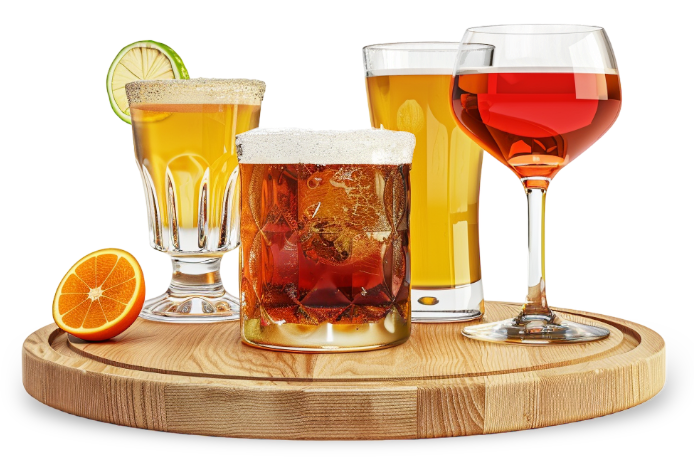
Cocktail
United States flagUnited States·March 24 2026

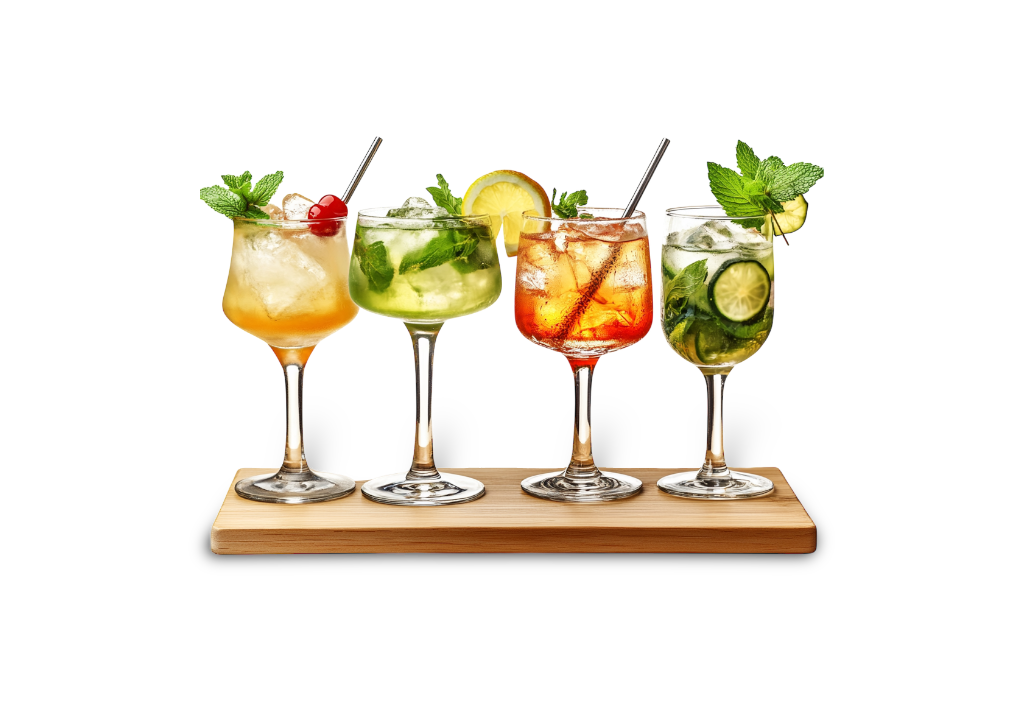
National Cocktail Day

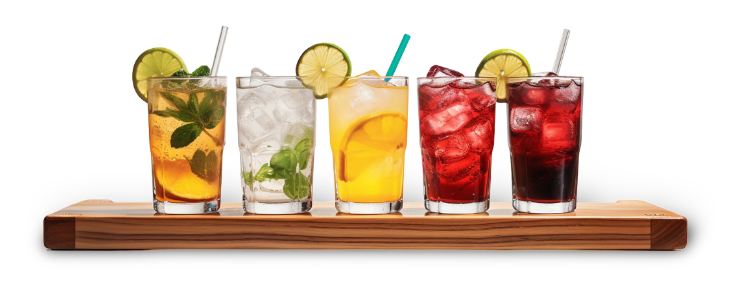
National Cocktail Day was created by holiday guru and freelance writer, Jace Shoemaker-Galloway, who thought it’d be fun to give cocktails their own special day. And we couldn’t agree more! The term “cocktail” first appeared in print in 1806, though the drink itself likely existed long before that. Some believe it’s derived from the French word coquetier, meaning “egg cup,” used by Antoine Peychaud to serve a mix of bitters and brandy in the late 1700s. By the early 1800s, whiskey mixtures were being called cocktails, and the craft of cocktail making started to gain popularity. By the 1860s, the invention of the cocktail shaker took the art of mixing drinks to a whole new level. Fast forward to the 1920s during Prohibition, and cocktails became the go-to way to mask the harsh taste of bootleg alcohol. With fruit juices, honey, and spices mixed in, they made moonshine a little more palatable, all while adding some fun to the speakeasies of the time. But cocktails aren’t just about masking bad booze. They’ve become a blend of science and art, with bartenders experimenting with flavors, textures, and colors. In fact, some modern cocktails are even known to change color right before your eyes! The classic cocktails, though, are where the real history lies. From the Old Fashioned to the Sazerac to the Manhattan, these drinks offer a sense of nostalgia and sophistication that’s hard to beat.

Read the story
Coffee Milkshake
United States flagUnited States·July 26 2026

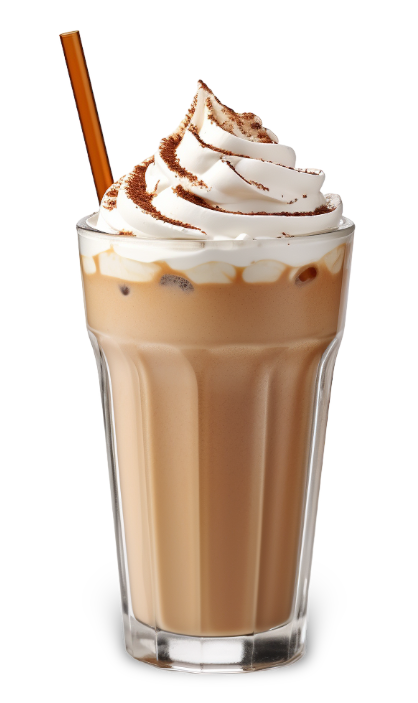
National Coffee Milkshake Day

The history of coffee milkshakes dates back to the late 19th century when non-alcoholic versions gained popularity. Initially, milkshakes were alcoholic, featuring eggs and whiskey, but by 1900, the non-alcoholic, ice cream-based version became prevalent. Coffee milkshakes follow the classic recipe, blending milk and ice cream with sweeteners and flavorings. The key ingredient for a chilled coffee milkshake is cold-brewed coffee, achieved by steeping coarsely ground coffee in cold, filtered water for at least eight hours. Coffee milkshakes offer a refreshing way to enjoy the taste of coffee, particularly on hot summer days when a hot cup is less appealing. The term “milkshake” first appeared in 1885, initially referring to alcoholic beverages but evolving into the ice cream-based treat we know today. Milkshakes became popular in malt shops by the 1930s and iconic meeting places for students. While the exact origins of coffee milkshakes in America are uncertain, they are attributed to Italian immigrants in Rhode Island, where they are known as “coffee cabinets.” These concoctions, dating back to the World War II era, typically include coffee ice cream, coffee syrup, and milk. Despite uncertainties, coffee milkshakes have become a cherished summer tradition, blending the best of both coffee and ice cream into an irresistible treat. National Coffee Milkshake Day, celebrated on an unspecified date, provides a reason to enjoy this delightful fusion of flavors.

Read the story
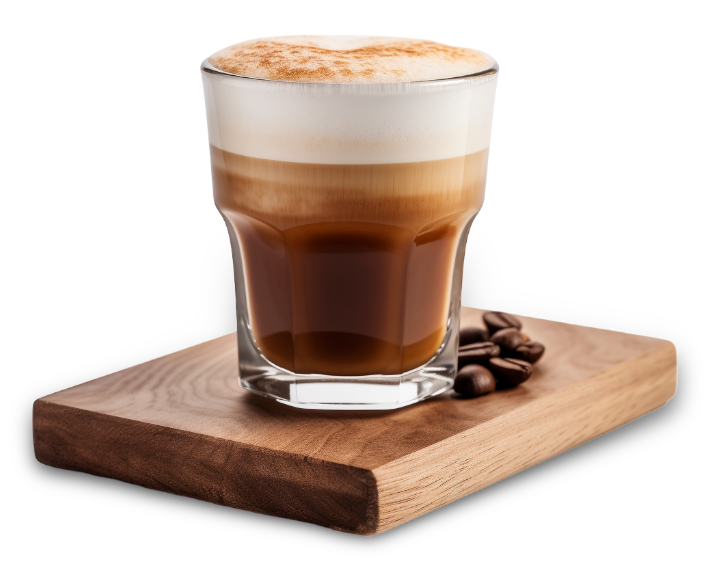
Cortado
United States flagUnited States·December 20 2026

National Cortado Day

The cortado, a beloved coffee creation with roots in Spain's Basque Country, has an intriguing and mysterious origin. Named for the Spanish word “cut,” the cortado is known for the unique way milk cuts through the intensity of espresso, creating a distinctive taste. Originating in the Basque region, it later spread to Portugal and Latin America, finding a special place as an afternoon indulgence. The cortado's essence lies in its adaptability, with variations emerging as it traveled across regions. Traditionalists in Spain maintain a 1:1 espresso-to-milk ratio with minimal froth, while Saudi Arabia and Costa Rica offer unique interpretations. The cortado encountered an interesting variation in the United States—the Gibraltar—introduced by the Blue Bottle Coffee Company in San Francisco in 2005. Starbucks and Costa Coffee's adoption of the cortado marked a significant chapter, with each chain putting its spin on the classic. In recent years, the cortado has faced challenges in a changing coffee landscape, adapting to evolving consumer preferences and pricing strategies. From its mysterious origins to modern-day variations, the cortado remains a testament to the enduring allure of simplicity and the timeless pursuit of refined coffee craftsmanship.

Read the story
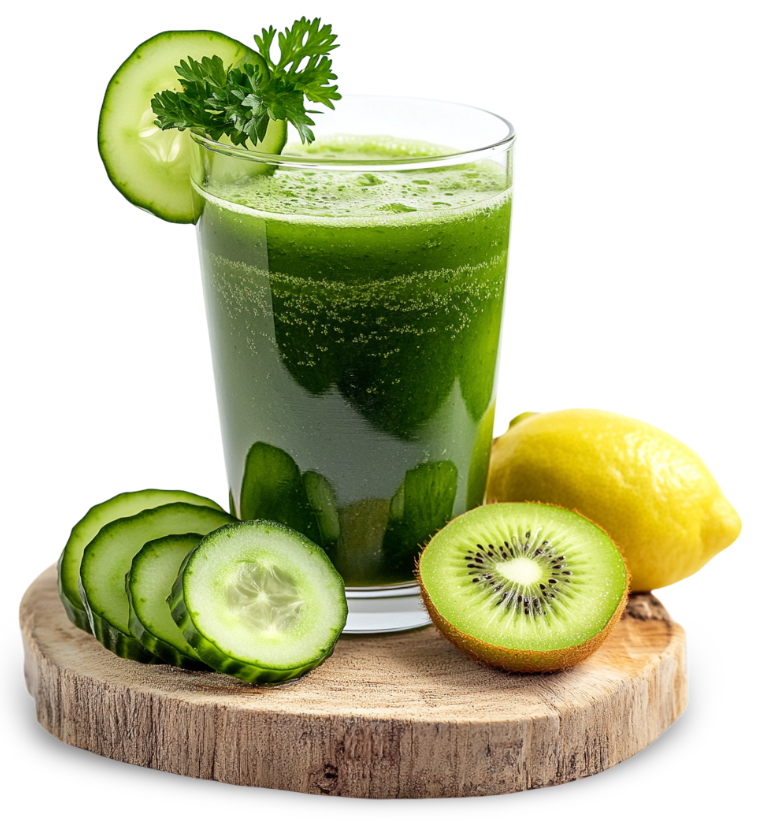
Green Juice
United States flagUnited States·January 26 2026

National Green Juice Day

Green juice has been celebrated for its health benefits long before it became trendy. Packed with vitamins like C, E, and A, it’s like a drinkable multivitamin for glowing skin and happy cells. And unlike your morning coffee, green juice fuels your energy naturally—no caffeine crashes here. Plus, it’s a secret weapon for detoxifying your system, curbing sugar cravings, and simplifying healthy weight loss. Whether you’re blending fresh kale and celery or opting for a powdered version, green juice offers a fresh start in every sip. But this isn’t just about the benefits—it’s about a story. People have been exploring the magic of juicing for centuries. Ancient civilizations mashed fruits and vegetables into elixirs for strength and vitality. Fast forward to 1936, when Norman Walker invented the first juicer, bringing green juice to modern kitchens. By the 1990s, Hollywood embraced green juice for its health and beauty perks, making it a staple in wellness circles. Today, it’s more than a trend; it’s a ritual. National Green Juice Day is Evolution Fresh’s way of turning a drink into a movement. Over the years, they’ve hosted promotions like free juice deliveries and social media challenges, encouraging everyone to celebrate their health.

Read the story
Happy Hour
United States flagUnited States·November 12 2026

National Happy Hour Day

Surprisingly, what we now associate with post-work fun in cities actually originated with the U.S. Navy in 1914. Before that, social clubs with “Happy Hour” existed in 1900. The modern Happy Hour began during the Mexican-American war, particularly in Veracruz Harbor, where the U.S.S. Arkansas sailors became a focus for reporters seeking stories. In 1914, a “Washington Times” article highlighted the contentment of U.S. sailors during their Happy Hour aboard ship, involving boxing matches, dancing, and drinking after busy days. Despite a ban on liquor in naval vessels from 1899, some sailors may have sneaked alcohol on board. By the end of WWII, Happy Hours became a widespread practice in U.S. naval fleets. On April 25, 1959, a “Saturday Evening Post” article popularized the term for everyone outside the Navy. According to “Bustle”, an article titled “The Men Who Chase Missiles” described the financial hazards faced by those living on remote islands tracking missile launches, except for a few who spent too much during Happy Hour at the bar, where the money added up fast.

Read the story
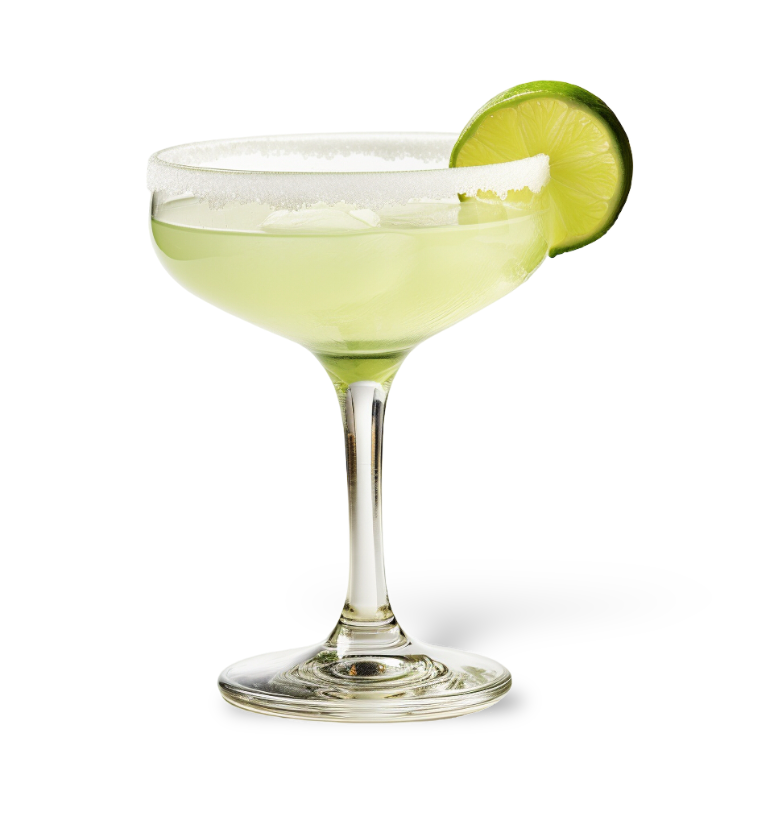
Margarita
United States flagUnited States·February 22 2026

National Margarita Day

The day was initiated by Todd McCalla, who sought to share his love for margaritas and bring people together in celebration. Margarita is believed to have its origins dating back to World War II, with various stories competing for the title of its true creator. One tale credits Carlos Herrera, the owner of Rancho La Gloria restaurant, with its invention in 1938. Another narrative attributes the birth of the margarita to Don Carlos Orozco in 1941 when he served it to Margarita Henkel, the daughter of the German ambassador, at Hussong's Cantina in Mexico. Regardless of the exact origin, the margarita gained popularity in North America after its recipe was published in a 1958 issue of Esquire magazine. A margarita is a classic cocktail that combines tequila, triple sec (often Cointreau), and freshly squeezed lime juice. This delightful concoction can be served on the rocks, blended into a slushy consistency, or straight up. The glass's rim is often adorned with a touch of lime juice and a rimming of coarse salt, offering a perfect balance of sweet, tangy, and salty flavors. Margaritas come in various flavors and styles, making them a versatile and beloved drink for celebrations and relaxation.

Read the story
Punch
United States flagUnited States·September 20 2026

National Punch Day

National Punch Day celebrates the fascinating history of punch, a drink originating in India and introduced to England by British sailors in the 17th century. The term ”punch“ comes from the Sanskrit word ”panch,“ representing its five core ingredients: alcohol (originally wine or brandy), water, lemon, sugar, and tea or spices. The transformation of punch occurred in the 1650s when Jamaican rum replaced the original wine and brandy blend, leading to its widespread popularity at family gatherings and parties across Europe. The charm of punch extends beyond its taste to the iconic punch bowls, once cherished heirlooms passed through generations. National Punch Day encourages enthusiasts to celebrate by hosting punch-filled gatherings, showcasing both alcoholic and non-alcoholic variations. The event highlights the drink's versatility and inclusivity. Reflecting on punch's timeline adds depth to the celebration, from the term's first usage in 1632 to the establishment of punch houses in 1671 and the creation of Hawaiian Punch in 1934. Punch, considered the oldest cocktail, transcends mere refreshment; it's a cultural phenomenon shaped by British sailors, creating a sociable and shareable beverage that has endured through time. As we raise our glasses in a toast, National Punch Day invites us to appreciate the enduring appeal and rich heritage of this historic drink.

Read the story
Smoothie
United States flagUnited States·June 21 2026

National Smoothie Day

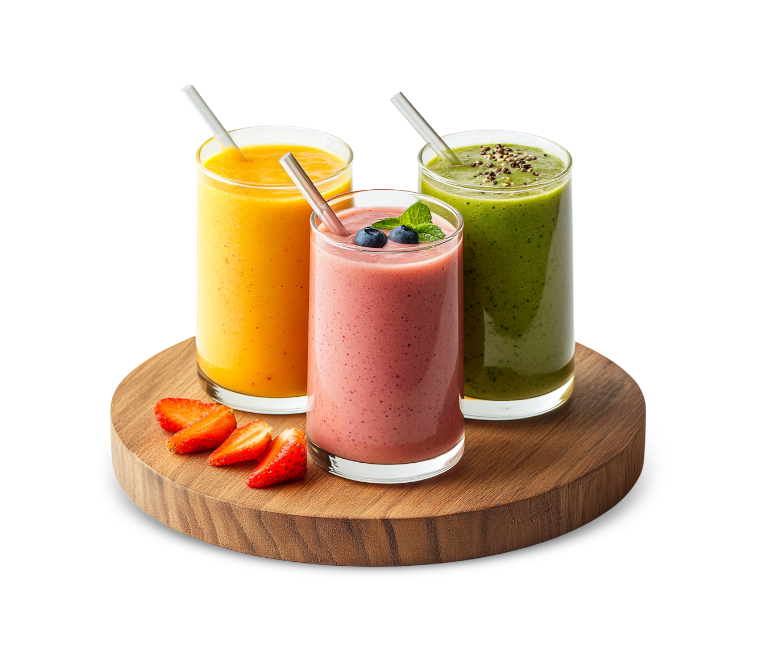
Smoothies have been around for centuries, with early versions dating back to the Mayans and Aztecs, who blended fruits with water and spices. However, the modern smoothie emerged with the invention of the blender and home refrigeration in the early 20th century. In the 1920s, Julius Freed created a frothy orange juice blend, leading to the famous "Orange Julius." Around the same time, blended fruit drinks became popular in the U.S., inspired by South American pureed fruit drinks. The 1930s saw the introduction of yogurt into smoothies, making them creamier and packed with probiotics. By the 1960s, health food stores and juice bars were selling smoothies, fueled by the macrobiotic and health food movements. Jack Lalanne, an early fitness advocate, promoted juicing and healthy eating, contributing to the smoothie trend. The 1970s brought the term "smoothie," popularized by Steven Kuhnau, a lactose-intolerant teenager who opened "Smoothie King." The 1980s saw smoothies go mainstream as fast-food chains added them to menus. By the 2000s, superfoods like kale, chia seeds, and spirulina made smoothies a trendy health drink. The 2003 release of the "Magic Bullet" made home blending even easier. Today, smoothies are a staple for health-conscious individuals, enjoyed in countless variations from fruit blends to protein-packed post-workout drinks.

Read the story