

Food Holidays
TodayCalendarExploreCountries
Language: English
  • English
  • Español
  • Français
  • Nederlands
  • עברית
  • Türkçe
  • العربية
Download on the App Store
Food Holidays

The live catalog of food holidays and national food days. Browse every holiday here — then keep it on your Home Screen with the iOS and Vision Pro app.

Download on the App Store

Explore

  • Today
  • Calendar
  • Explore
  • Countries
  • Get the app
  • Contact

The studio

Fill Studio · Amsterdam

Food Holidays is made in Amsterdam by Fill Studio.

support@foodholidays.app

  • Privacy Policy
  • Terms of Use

Write to us

Name, email, and a note — we read every one.

© 2026 Fill Studio · Amsterdam

Language

  • English
  • Español
  • Français
  • Nederlands
  • עברית
  • Türkçe
  • العربية

Explore

Find a food day

The search is fully open. No account. Type a food, pick a category, or just wander.

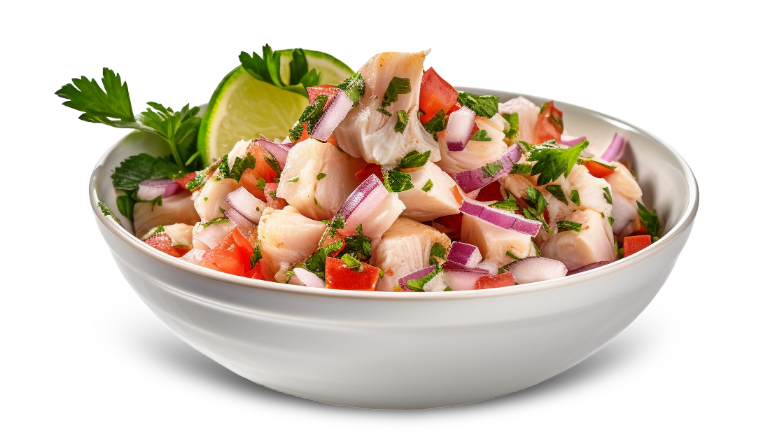
Ceviche
United States flagUnited States·June 28 2026

National Ceviche Day

National Ceviche Day is a Peruvian celebration dedicated to honoring the iconic dish of ceviche, a citrusy seafood delight. Known as cebiche, seviche, or sebiche, ceviche holds a special place in the hearts and palates of those in the Pacific coastal regions of Latin America and beyond. The dish features fresh raw saltwater fish, such as corvina or sea bass, finely chopped and marinated in zesty lime or lemon juice. The marinade includes onions, ají pepper, chili pepper, salt, and coriander. While ceviche has spread to many Latin American countries, its roots are deeply embedded in Peru. The name “ceviche” shares etymological connections with the Spanish and Portuguese dish “escabeche.” Spanish conquistadors played a role in ceviche's journey, and its origins, whether pre-Hispanic or during colonial times, are subjects of debate. Traditional Peruvian ceviche involves marinating freshly caught saltwater fish in key lime juice, blended with onions, chili peppers, salt, and pepper. It is served as an appetizer or main course with corn on the cob and sweet potatoes. The dish has evolved into unique variations across Latin America, with Ecuador, Chile, Mexico, Nicaragua, and El Salvador offering their twists. Recognized as part of Peru's cultural heritage, ceviche was officially celebrated on June 28 as National Ceviche Day by the Ministry of Production in 2008. The dish serves as a culinary ambassador, representing Peru's rich gastronomic culture to the world.

Read the story
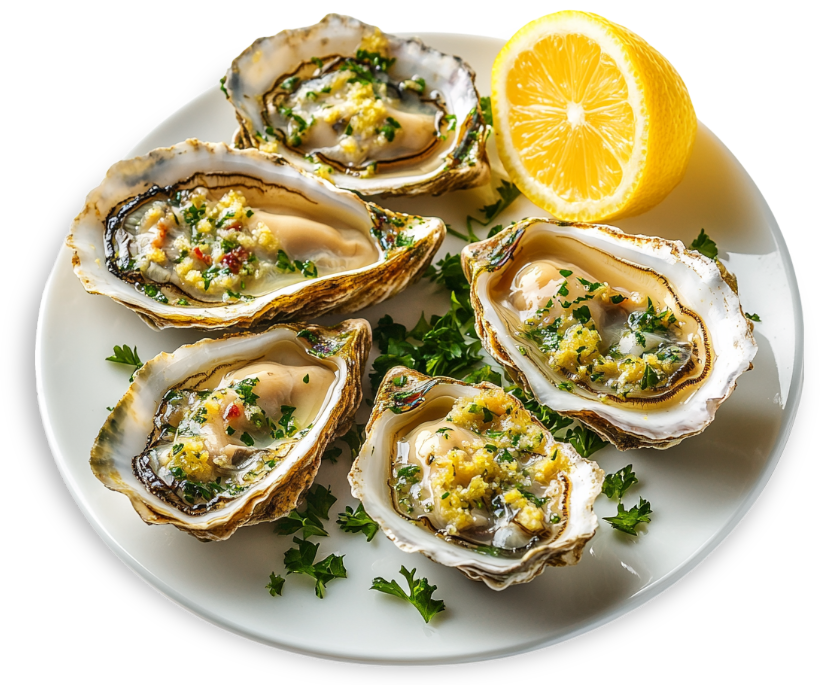
Oysters Rockefeller
United States flagUnited States·January 10 2026

National Oysters Rockefeller Day

Oysters Rockefeller, a blend of oysters on the half-shell, buttery green sauce, and crispy breadcrumbs, originated in New Orleans in 1889. Its story begins at Antoine’s Restaurant, founded in 1840 by French immigrant Antoine Alciatore. Decades later, his son Jules faced a culinary crisis: a shortage of escargot. Undeterred, he turned to Gulf Coast oysters, crafting a dish so rich it was named after John D. Rockefeller, the wealthiest man of the era. Jules himself declared, “I know of no other name rich enough for their richness.” The dish captivated diners with its vibrant green sauce, a mix of puréed vegetables, herbs, and butter. Yet, Jules took the exact recipe to his grave, leaving behind a mystery. While modern versions often use spinach, Antoine’s chefs have denied this repeatedly, keeping the true ingredients under wraps. Lab tests and guesses suggest parsley, celery, chives, and olive oil, but the authentic recipe remains Antoine’s secret. Oysters Rockefeller has become a culinary legend, with Antoine’s serving over 4 million plates since its creation, each meticulously numbered. In 2017, National Oysters Rockefeller Day was established to celebrate this masterpiece every January 10. Fun Fact: President Franklin D. Roosevelt enjoyed Oysters Rockefeller in 1937, famously hearing New Orleans Mayor Robert Maestri ask, “How you like dem erstas?” in a thick accent.

Read the story
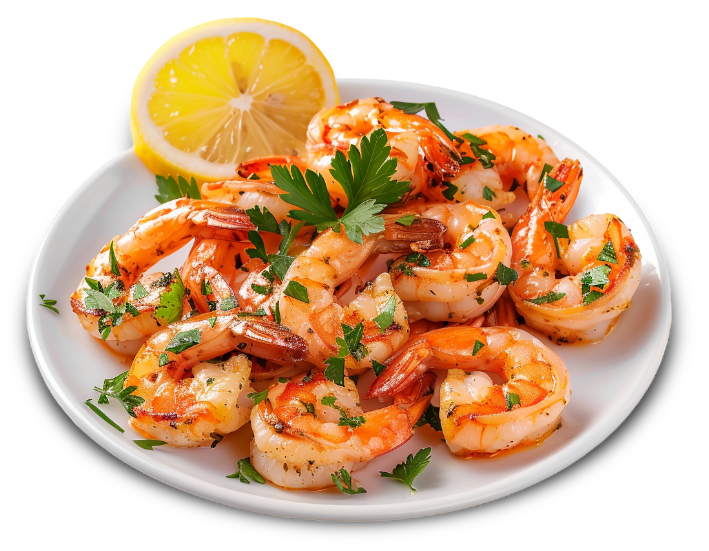
Shrimp
United States flagUnited States·May 10 2026

National Shrimp Day

Shrimp has been a staple on dinner tables for thousands of years! Ancient Greeks and Romans enjoyed this shellfish, and today, shrimp is caught and shipped worldwide. Japan leads in shrimp consumption per capita, followed by the United States. With over 2,000 species, shrimp vary in size and color. The most common varieties include Rock, Pink, Tiger, and White Shrimp. Historians believe French explorers in the 1700s encountered shrimping in Louisiana. By the mid-1700s, Mobile, Alabama, became a seafood hub, with Mississippi following in the late 1800s. The beloved Southern shrimp boil likely developed around this time. Meanwhile, Italian settlers in California began fishing for shrimp in the late 19th century. As harvesting and shipping improved, shrimp became a national favorite by the early 1900s. Today, shrimp is the most widely eaten crustacean in the U.S., celebrated through recipes, contests, and, of course, eating! Shrimp can be wild-caught or farmed, with over 90% of U.S. shrimp imports being farmed. Available fresh or frozen, shrimp provide lean protein, iron, B12, selenium, and omega-3s. They are grilled, fried, boiled, or baked in dishes like jambalaya, gumbo, and paella.

Read the story