
 United States
National Acorn Squash Day
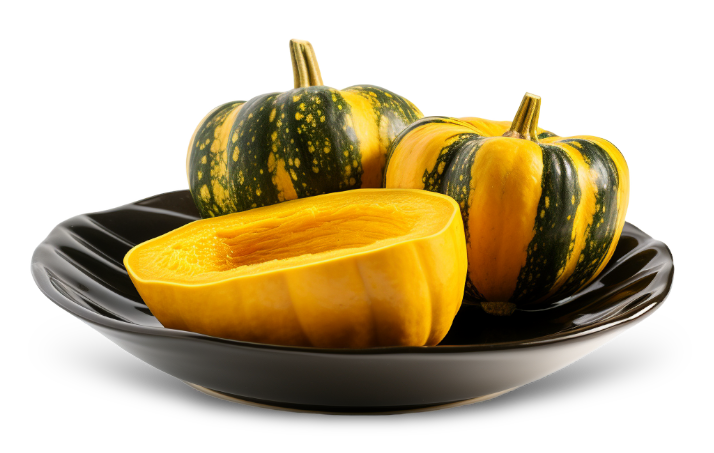
Acorn squash is native to North and Central America and has a rich history dating back thousands of years. Native Americans cultivated and utilized this squash in the late 16th century, long before European settlers arrived, and its durability allowed it to be a staple in their diet. With its characteristic acorn shape and a spectrum of colors ranging from dark green to bright orange, acorn squash gained popularity over the years. It wasn't until the 1800s that a commercial variety of acorn squash made its way back to the United States from Denmark, marketed by the Iowa Seed Company of Des Moines as the ”table queen.“ Today, acorn squash is cherished for its culinary versatility and enduring shelf life, making it an essential ingredient for winter dishes. Acorn squash is more than just its striking appearance. This winter squash, despite belonging to the same family as summer squashes like zucchini, offers a sweet, nutty flavor when cooked. Its flesh can be baked, sautéed, steamed, or microwaved, and it's often used as a canvas for stuffing with a variety of ingredients, from rice to meat and vegetables. Moreover, acorn squash is nutritionally rich, providing essential nutrients like dietary fiber, potassium, vitamin C, vitamin B, magnesium, and manganese. It's an excellent addition to a balanced diet and offers several health benefits, such as regulating blood sugar levels and promoting heart health.
Read the story