
 United States
National Blonde Brownie Day
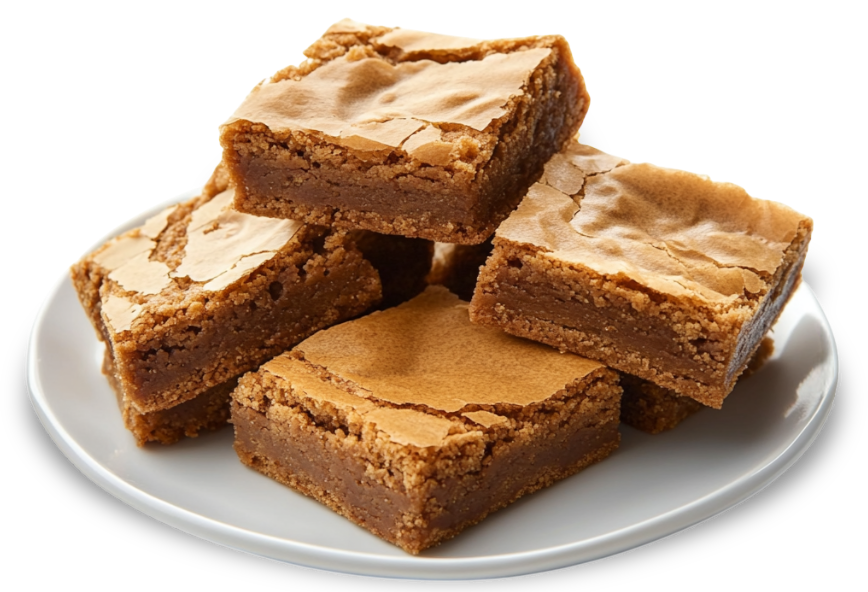
Blondies first appeared in Fannie Farmer's The Boston Cooking-School Cookbook in 1896, though they were called "brownies" at the time despite lacking chocolate. Instead, these treats used vanilla and molasses to achieve their signature golden hue. They were a new twist on desserts, highlighting the natural caramel flavor of brown sugar and setting them apart from traditional chocolate brownies. By 1906, Farmer’s updated cookbook included both blondies and chocolate brownies, but they were still grouped under the "brownie" name. Confusing, right? The name "brownies" itself was inspired by elf-like creatures, not the chocolatey flavor we know today. It wasn’t until the 1970s or 1980s that the term “blondie” became popular, giving these golden bars their own identity. Originally a luxury treat, blondies were often served at upscale events in the American South. Their golden color made them a refreshing alternative to darker chocolate desserts. Made with brown sugar, butter, eggs, and vanilla, blondies offer a rich, caramel-like flavor, with a texture that's soft yet dense, perfect as a bar or cookie. While the classic blondie has a vanilla and brown sugar base, they’ve evolved into a versatile treat. Bakers love to experiment with mix-ins like nuts, chocolate chips, or caramel swirls, making blondies a delightful and customizable dessert for over a century.
Read the story