
 United States
National Shortbread Day
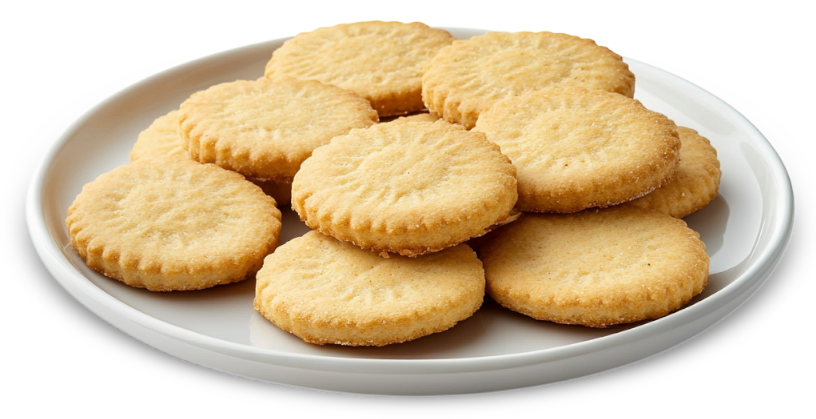
Did you know shortbread was once a luxurious treat reserved for special occasions like Christmas, Hogmanay, and even weddings? Shortbread’s story begins in medieval Scotland, where it evolved from “biscuit bread,” a twice-baked rusk made from leftover dough. By the 16th century, it gained prominence thanks to Mary, Queen of Scots, who refined the recipe and popularized the triangular “petticoat tails” design. The name may come from the French petites gatelles (“little cakes”) or the fabric patterns of Elizabethan petticoats—either way, it’s a royal legacy that stuck. The earliest known printed recipe for shortbread was published in 1736 by a Scotswoman named Mrs. McLintock. Her version highlighted the biscuit’s hallmark simplicity: butter, flour, and sugar, without any leavening agents. This lack of yeast or baking soda gave shortbread its unique, crumbly texture, a result of the high-fat content that “shortens” the dough. Shortbread became a staple of Scottish festivities, from the ancient Yule Cakes symbolizing the sun to the Hogmanay tradition of breaking a shortbread cake over a bride’s head for good luck. By the 18th century, it was a point of national pride, with Scotland firmly establishing itself as the home of this iconic biscuit. Classic shortbread features three iconic shapes: the circle (divided into “petticoat tails”), thick rectangular fingers, and individual rounds. Over time, bakers experimented with additional ingredients like rice flour for a grittier texture, caraway seeds for spice, or even demerara sugar for added sweetness. The modern Millionaire’s Shortbread, topped with caramel and chocolate, adds a decadent twist to the original recipe.
Read the story