
 United States
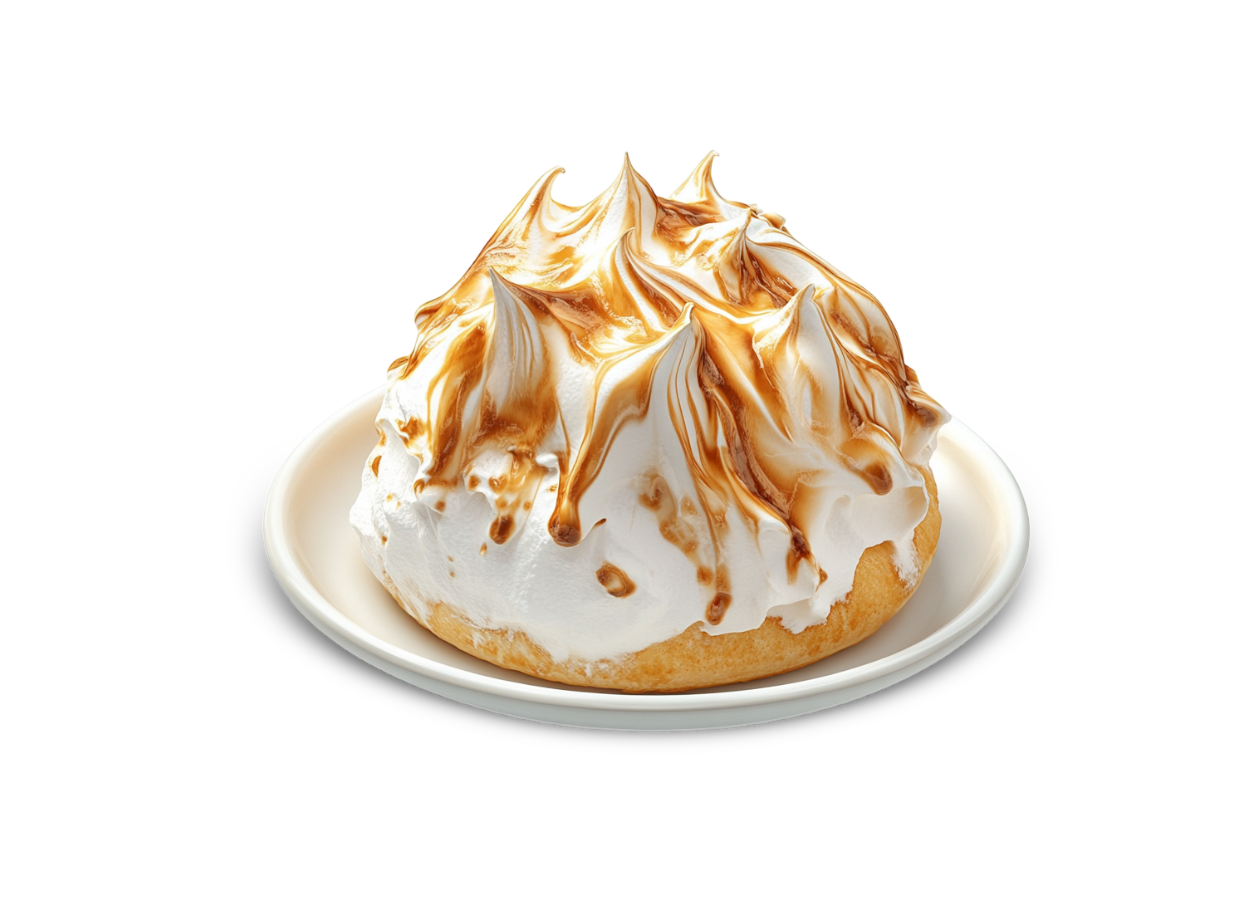
National Baked Alaska Day
It’s 1867, and the U.S. has just purchased Alaska from Russia for $7 million—about two cents an acre. Critics called it “Seward’s Folly,” convinced it was a frozen mistake. But Charles Ranhofer, head chef at Delmonico’s in New York, saw inspiration. Known for crafting dishes based on major events, he created Baked Alaska—a dessert as dramatic as the controversy itself. The science behind it? Sir Benjamin Thompson (aka Count Rumford), a physicist obsessed with heat, discovered that meringue acts as an insulator. This meant ice cream could survive intense heat when covered in a fluffy, protective layer. French chefs later used this knowledge in the 1830s to create Omelette Norwegge, a dessert of cake, ice cream, and torched meringue. Ranhofer took that idea and gave it an American twist. When Alaska became U.S. territory, Delmonico’s debuted “Alaska, Florida,” a contrast of icy cold and fiery heat. Originally made with banana ice cream, walnut spice cake, and toasted meringue, it was a masterpiece of textures and temperatures. The name Baked Alaska gained popularity over time, symbolizing the territory’s snowy expanses. More than 150 years later, you can still enjoy it at Delmonico’s—or make it yourself. The recipe? Layers of sponge cake, a mound of your favorite ice cream, all blanketed in whipped meringue. Bake at 500°F for a few minutes, browning the outside while the inside stays frozen. A sweet, sizzling tribute to history!
Read the story