
 United States
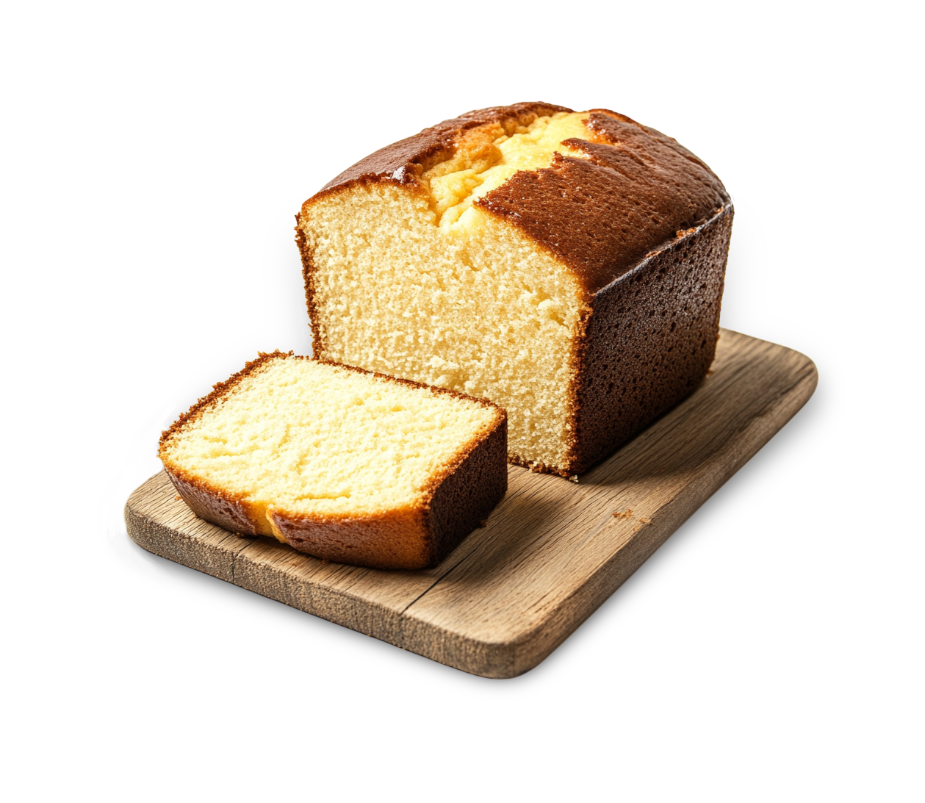
National Pound Cake
The name “pound cake” is no mystery. In 18th-century Europe, the original recipe called for a pound of each ingredient: flour, butter, sugar, and eggs. This straightforward formula made it easy to remember and share in a time when literacy wasn’t widespread. Plus, it guaranteed a cake big enough to feed a crowd, or maybe an army! These early pound cakes were hefty (a solid four pounds, to be exact) and likely served at large gatherings or sold by the slice. Over time, the recipe evolved, with bakers scaling down the portions for smaller households. Halving or quartering the ingredients became the norm, and the modern pound cake was born. While the basic recipe remains the same, pound cakes have taken on local flavors and styles around the world: In **Britain**, it’s known as Madeira cake, often paired with tea. In **France**, you might find pound cakes enhanced with lemon juice or chocolate. In **the U.S.**, variations abound with additions like vanilla, almond extract, or a touch of baking powder for a lighter texture. Today’s pound cakes are a little more refined than their dense, traditional counterparts. Baking powder or soda is often added to make the cake lighter, while substitutions like oil or margarine can tweak the texture and flavor.
Read the story