

 United States
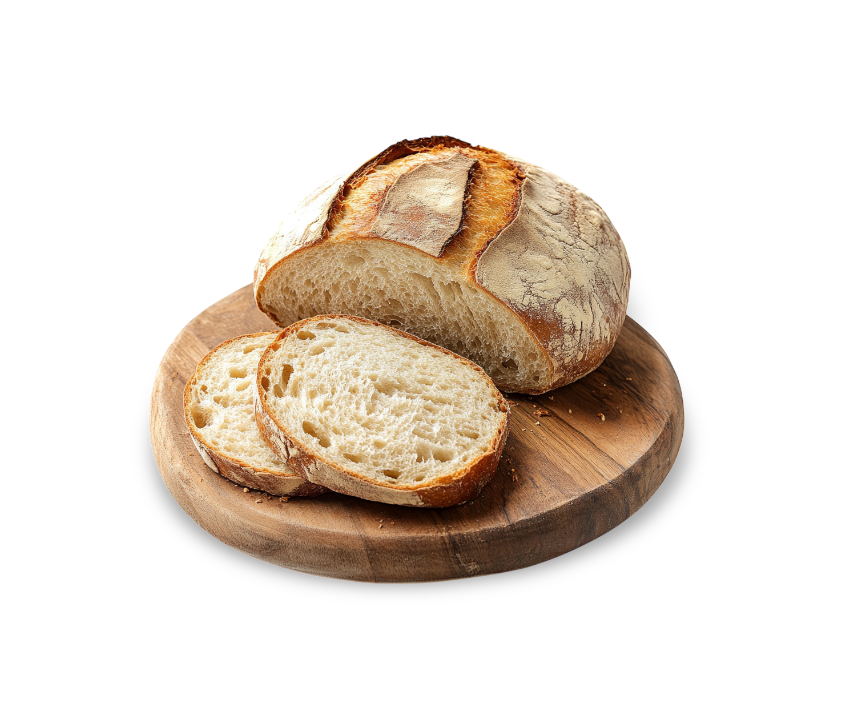
National Sourdough Bread Day
Sourdough’s magic comes from a mix of wild yeast and Lactobacillus cultures. These microscopic collaborators create the bread’s signature sour tang while acting as a natural preservative. Before refrigeration and preservatives, sourdough’s longer shelf life was revolutionary. Sourdough was likely one of the first forms of leavened bread. Ancient bakers discovered fermentation and realized that slightly sourdough made bread rise. It was the OG baking hack. Some breads actually need sourdough to work. Rye bread, for instance, has such low gluten that traditional yeast won’t rise it. Enter sourdough, the perfect partner for rye (and the reason your tuna sandwich tastes so good on rye). Then there’s San Francisco, the sourdough capital of the U.S. During the Gold Rush of the 1850s, French bakers brought sourdough starters to northern California for hungry miners. Fun fact: San Francisco’s unique wild yeasts give its sourdough its distinct flavor. No wonder it’s famous! Sourdough’s reign as leavening king was dethroned as wheat-based breads became popular. Bakers discovered they didn’t need sourdough’s unique properties. Beer byproducts like barm took over, and purpose-grown yeasts made baking faster.
Read the story