
 United States
National Empanada Day
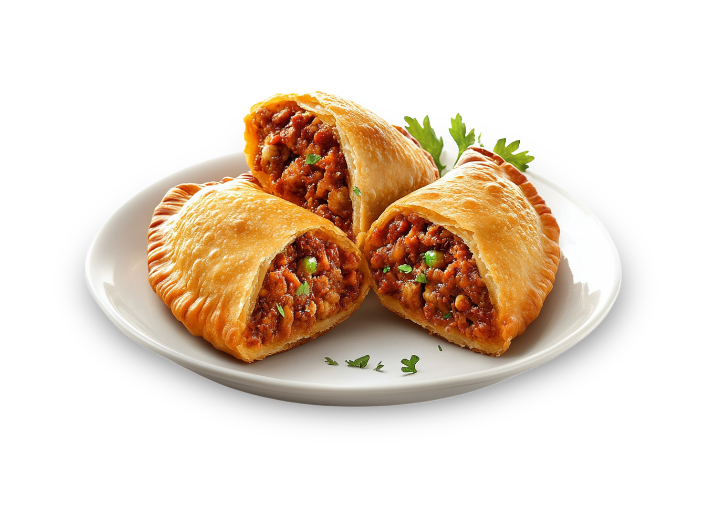
Empanada’s origins date back to Galicia, Spain, where the word empanar, meaning “to coat in bread,” describes it. Early versions of empanadas were practical: portable, delicious, and filling, they were the perfect meal for workers and travelers alike. But the concept wasn’t confined to Spain. Thanks to trade routes and migration, the empanada took a world tour, gathering local flavors and identities along the way. Empanadas are now a cultural chameleon, adapting to the tastes of every region they touch. In Portugal, they’re packed with sardines or tuna. In Argentina, the fillings range from spiced beef to sweetened quince. The Caribbean often opts for fried empanadas, stuffed with seasoned pork or seafood, while Bolivia has its famous salteñas, which come with a juicy, savory surprise. Empanadas aren’t just savory. In some places, they’re a dessert, stuffed with fruit, sweetened cream, or even chocolate. The empanada made its first official appearance in a Catalan cookbook in 1520, listed with a seafood filling that would still hold its own at any food festival today. However, some food historians believe the samosa, a triangular hand pie from South Asia, influenced empanadas.
Read the story