
 United States
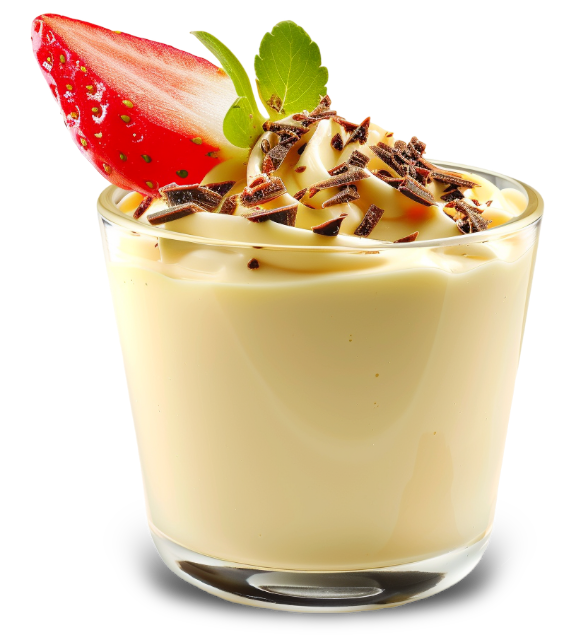
National Vanilla Pudding Day
Pudding has been around for ages, but it wasn't always sweet like it is now. The word “pudding” comes from the French word “boudin”, which might have come from the Latin word “botellus”, meaning “small sausage”. Back in medieval times, pudding was a salty dish made by mixing animal intestines, blood, and oats. Sounds tasty, right? But over time, pudding changed into the dessert we enjoy today. By the 19th century, pudding had become a big part of British food, liked by rich and poor alike. The classic Christmas pudding, made with dried fruit, spices, and suet, shows how much people loved pudding back then. It was loved so much that in 1904, a British scientist called J.J. Thomson compared the structure of atoms to a plum pudding. But pudding didn't stay just in Britain. Because of colonialism, it spread to other countries too. In the United States, tapioca pudding, made with tapioca pearls, milk, and sugar, became popular in the 1920s. And in India, rice pudding, called kheer, has been a sweet dish for ages. Nowadays, pudding comes in all kinds of flavors. There's chocolate pudding, banana pudding, bread pudding, rice pudding, and more. And because of instant pudding, which was invented in the 1940s, we can enjoy pudding in less than five minutes. How convenient! From starting as a salty dish that looked like sausage to becoming a sweet dessert, pudding has changed a lot. It's cool to think about how it's traveled through time and different places, making lots of people happy along the way. So next time you have a creamy cup of pudding, remember how it's become the treat we love today.
Read the story