
 United States
National Chocolate Macaroon Day
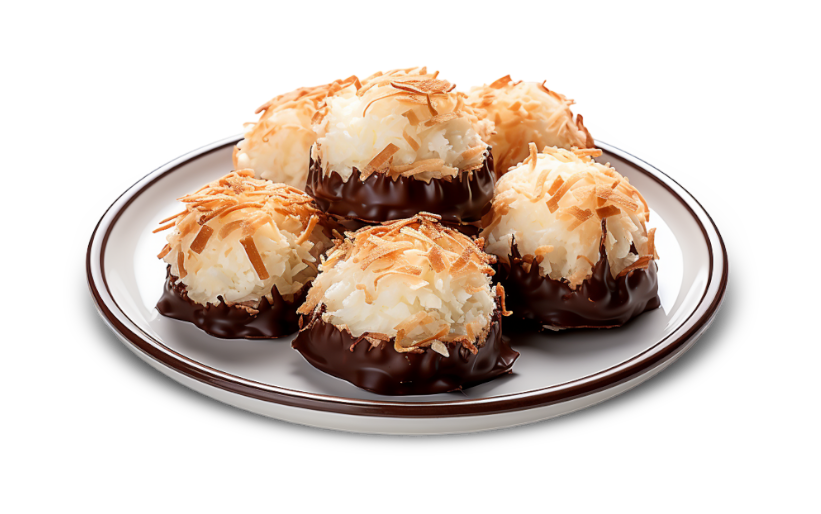
The history of macaroons dates back to the 8th or 9th century when inventive monks in an Italian monastery crafted these sweet delicacies using almond powder, egg whites, and sugar, symbolizing hospitality. In the 16th century, Italian monks and pastry chefs introduced the macaroon recipe to the French court, thanks to Catherine de' Medici. Over time, macaroons became a beloved part of French cuisine. During the French Revolution, Benedictine nuns, Sister Marie-Elisabeth and Sister Marguerite, sought refuge in Nancy, turning to baking and selling macaroons for a living. Known as ”the Macaroon Sisters,“ they inadvertently contributed to the spread of macaroons across Europe. Macaroons gained popularity among Italian Jews due to their unique characteristics, being suitable for Passover as they lacked flour or leavening. This quality made macaroons a cherished dessert among European Jews, enjoyed year-round. The journey of macaroons continued to the United States, where they took on a new identity. While French macarons made with almond flour are widely recognized, the most common variation in the U.S. is the coconut macaroon. This change occurred because almond macaroons were challenging to make and transport, leading to shredded coconut becoming the key ingredient in the familiar and beloved coconut macaroon enjoyed by many in the United States.
Read the story