

 United States
National Couscous Day
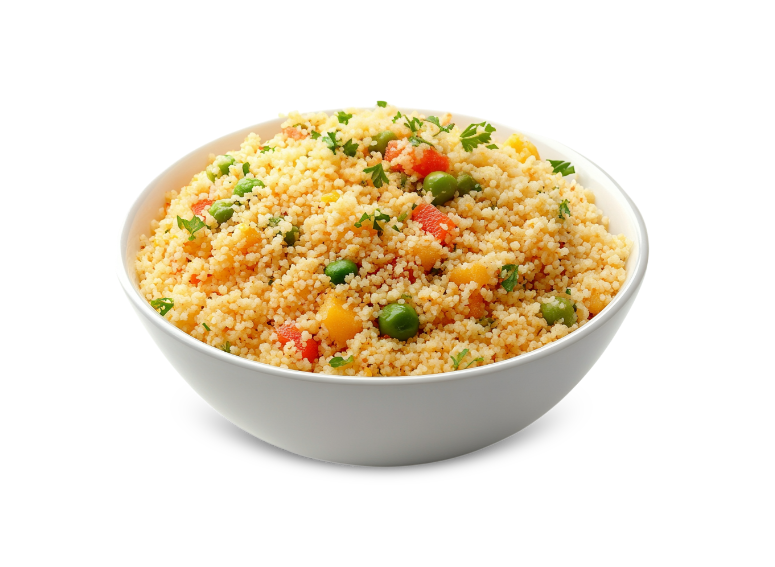
Couscous likely dates back to at least 6000 B.C. Some believe it spread from North Africa to the Middle East, possibly carried by Muslims and Sephardic Jews expelled from Spain in the 15th century. The first written record of couscous appeared in 13th-century Moorish Spanish cookbooks. Couscous is high in protein and fiber but low in fat. It’s also quite affordable, nutritious, and easy to store, and is comparable to rice or pasta. It is traditionally made from wheat but can also be prepared using sorghum, barley, millet, or corn. Couscous is versatile and simple to cook, it pairs with vegetables, legumes, meat, fish, or fruit. In North Africa, couscous holds cultural and religious significance, served during family feasts, weddings, and Ramadan celebrations. National Couscous Day, introduced in 2020 by The Branded Food Group (BFG) Limited, highlights couscous as a healthy, easy-to-make alternative to rice and pasta. The event promotes couscous recipes, its nutritional benefits, and its cultural importance. High in protein and fiber but low in fat, couscous is enjoyed worldwide in both savory and sweet dishes. National Couscous Day encourages people to explore and appreciate this ancient, versatile dish.
Read the story