

 United States
National Cashew Day
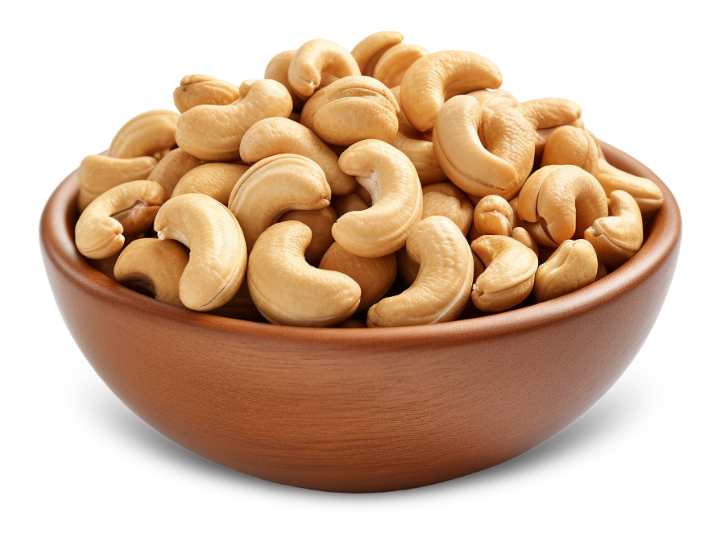
Cashew's global journey began in South America, where its tree, native to the region, caught the attention of Portuguese explorers in the 16th century. These explorers transported the cashew from Brazil to Goa, a Portuguese colony, initiating a trajectory that would span Southeast Asia and Africa. Today, the cashew tree thrives in tropical regions worldwide, with top cashew-producing countries including Côte d’Ivoire, India, Vietnam, Burundi, and the Philippines. Notably, Ghana, Tanzania, Guinea-Bissau, Nigeria, and Côte d’Ivoire lead in cashew nut exports. Beyond being a popular snack, cashews play a prominent role in South Asian cuisine, enhancing curries, sweets, sauces, and desserts. The cashew's versatility extends to the kitchen, with its oil serving as a cooking or salad dressing, and cashew milk emerging as a dairy-free alternative. While cashew shells are toxic, they find purpose in industries producing coatings, lubricants, paints, and resins. The fragile cashew apple contributes its essence to local cuisines and beverages. Fun facts include the presence of the world's largest cashew tree in Brazil, covering over 81,000 sq. ft. Cashews, classified as seeds rather than true nuts, have a unique history intertwined with poison ivy and poison sumac. The Portuguese played a pivotal role, introducing cashews to India in the 1560s, where they gained favor and spread to Southeast Asia and Africa. From Brazil's jungles to the tropics of India and beyond, cashews have embarked on a remarkable journey, becoming a culinary staple in diverse cuisines. In Ayurvedic medicine, cashews are esteemed for their stimulant, rejuvenating, and aphrodisiac properties.
Read the story