
 United States
National Brisket Day
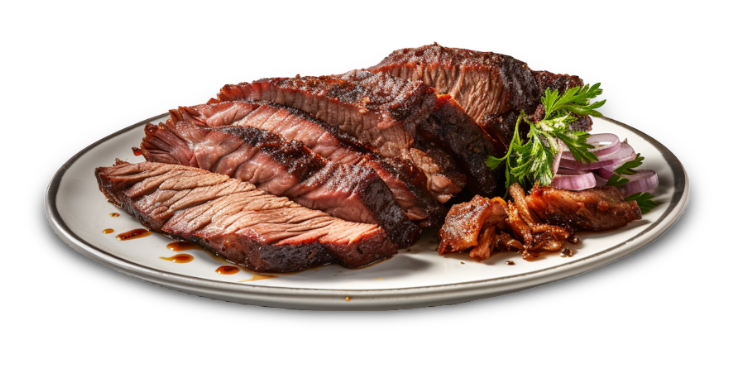
Originating from the breast area of the cow, brisket is divided into point cuts and flat cuts, each offering distinct culinary possibilities. The point cut, rich in fat and connective tissue, excels in braising or smoking, imparting a deep flavor. On the other hand, the flat cut, leaner but equally flavorful, requires a different preparation. Despite being a challenging cut, brisket transforms into tender, rich meat through slow cooking, breaking down its chewy connective tissues into gelatinized goodness. The origins of National Brisket Day are unclear, lost to history, but brisket has a longstanding culinary history. The term ”brisket“ has roots in the Middle Ages, derived from the Old Norse word ”brjosk.“ Briskets have historical ties to the celebration of Passover by Eastern and Central European Jews since the 1700s. While brisket was mentioned in a Texas advertisement in 1910, it gained popularity in the 1950s when featured on a barbecue restaurant menu. Brisket's influence extends beyond American cuisine, known as Suadero in Mexican culinary traditions. It is used to make burnt ends, a Midwest favorite. With two cuts, flat and point, brisket offers versatility—point cuts for smoking and flat cuts for braised recipes. The Spanish settlers introduced meat cows to America, contributing to brisket's culinary journey.
Read the story