

 United States
National Filet Mignon Day
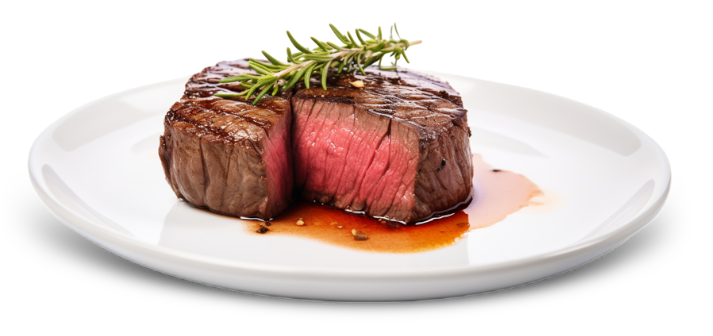
Filet mignon, translating to “cute fillet” in French, is a prized and tender steak cut sourced from the smaller end of the tenderloin. Its exceptional tenderness, attributed to minimal connective tissue, makes it a highly coveted but expensive beef cut. Typically weighing no more than 500 grams per heifer or steer, filet mignon is renowned for its mouthwatering quality. Cooked through various methods like pan-frying, grilling, broiling, or roasting, filet mignon is often seared briefly on high heat and may be wrapped in bacon to enhance flavor and prevent dryness. It pairs well with classic accompaniments such as red wine reduction, cognac sauce, or au poivre. Having been a part of American cuisine since before the 18th century, filet mignon was initially known as medallions or tenderloin steak. The term “filet mignon” was coined in 1906 by American writer O. Henry, contributing to its image as a symbol of luxury and exclusivity, despite being widely enjoyed today. While filet mignon is commonly associated with beef tenderloin, it's essential to recognize that in some regions, such as France, the term refers to pork tenderloin. Bacon is frequently used in filet mignon preparation to add flavor and moisture, contributing to its culinary allure.
Read the story