
 United States
International Biscotti Day
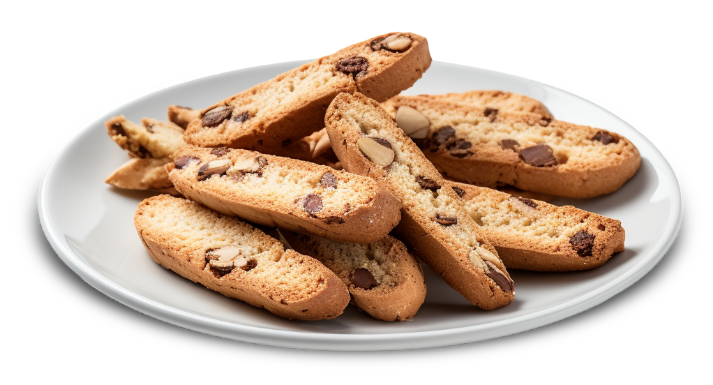
Biscotti, also known as cantucci, have a rich history dating back to the 17th century in Prato, Tuscany. Originating as a practical, long-shelf-life food for Roman travelers and soldiers, biscotti gained popularity during the Renaissance in Tuscany. Antonio Mattei, a Tuscan baker, showcased his creation at the International Exposition of 1867 in Paris, marking a pivotal moment in the biscotti Renaissance. The traditional biscotti recipe involves a unique combination of flour, eggs, sugar, pine nuts, and almonds. Notably, the absence of fats and leavening agents contributes to their signature dry and crunchy texture. Shaped into a log, baked, cooled, and sliced before undergoing a second baking, biscotti's form is achieved. Modern variations of the recipe offer a range of flavors, including Chocolate Hazelnut, Honey Pistachio, and Almond and Lemon Dipped in White Chocolate. Ingredients like butter, different nuts, baking powder, spices, chocolate chips, and dried fruit may be added, with some variations dipped in chocolate after the second baking. Biscotti's charm extends to its association with Vin Santo, a white dessert wine from Tuscany. In Italy, biscotti are served as a dessert, often accompanied by this sweet wine, and in Catalonia, they are enjoyed with dessert wines like muscat. Christopher Columbus played a role in introducing biscotti to America during his voyages, leading to modifications and adaptations. Biscotti are now enjoyed in various culinary delights, from tea and coffee pairings to inclusion in parfaits.
Read the story