
Food Holidays
TodayCalendarExploreCountries
Language: English
  • English
  • Español
  • Français
  • Nederlands
  • עברית
  • Türkçe
  • العربية
Download on the App Store
Food Holidays

The live catalog of food holidays and national food days. Browse every holiday here — then keep it on your Home Screen with the iOS and Vision Pro app.

Download on the App Store

Explore

  • Today
  • Calendar
  • Explore
  • Countries
  • Get the app
  • Contact

The studio

Fill Studio · Amsterdam

Food Holidays is made in Amsterdam by Fill Studio.

support@foodholidays.app

  • Privacy Policy
  • Terms of Use

Write to us

Name, email, and a note — we read every one.

© 2026 Fill Studio · Amsterdam

Language

  • English
  • Español
  • Français
  • Nederlands
  • עברית
  • Türkçe
  • العربية

Explore

Find a food day

The search is fully open. No account. Type a food, pick a category, or just wander.

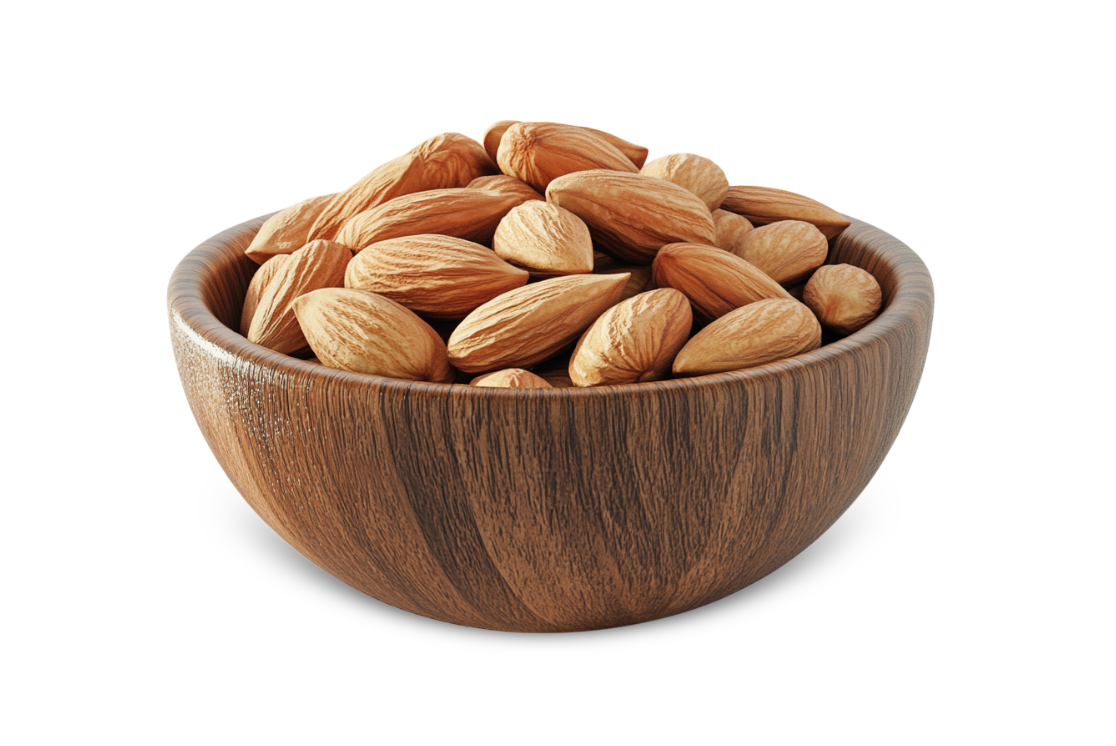
Almond
United States flagUnited States·February 16 2026

National Almond Day

Almonds journey began in Iran, western Asia, and China, where wild almond trees thrived. Early farmers discovered a magical mutation: sweet almonds, free from the cyanide found in their bitter cousins. Thanks to this discovery, almonds became a safe and delectable treat, eventually spreading far and wide. Nomadic tribes and explorers couldn’t resist almonds during their long journeys along the Silk Road, snacking on them for energy. As they traveled, almond trees began popping up from China to the Mediterranean. By the time the Romans got their hands on them, almonds were celebrated as fertility charms, often gifted at weddings. Almonds are mentioned in ancient Hebrew texts and the Bible, where they symbolize hope, renewal, and divine favor. In Christian art, almond branches represented Mary and Jesus. Even Van Gogh painted almond blossoms, inspired by their beauty. While almonds became a staple in Spain, Italy, and Greece, their big break came in the 1700s when Franciscan missionaries introduced them to California. After a few rocky decades of cultivation (blame poor soil and climate knowledge), California became almond central. Today, the state produces 80% of the world’s almonds, making it the global almond king. Almonds pack a punch with vitamin E, magnesium, protein, and healthy fats. They’re heart-healthy, filling, and versatile.

Read the story
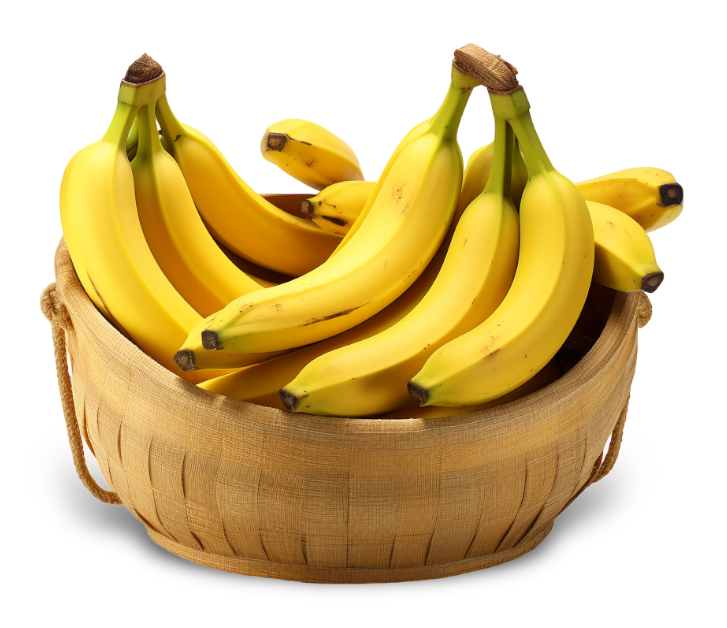
Banana Lovers
United States flagUnited States·August 26 2026

National Banana Lovers Day

Bananas, not growing on trees but on large herbaceous plants, are nutrient-rich fruits with dietary fiber, sugars, and vitamin B6. There are two main types: dessert bananas for fresh consumption and culinary creations, and plantains for savory dishes. From banana bread and pudding to the iconic banana split and Bananas Foster, these fruits showcase culinary versatility, including the popular banana chips snack. Bananas' history spans over 10,000 years, originating in Southeast Asia and spreading globally, gaining popularity in the Western world in the 20th century. In the early 1900s, the United Fruit Company (now Chiquita) played a role in popularizing bananas in the United States, even portraying them as a vegetable akin to potatoes. This led to creative recipes and the comedic image of slipping on banana peels, a gag seen in early movies. Apart from their culinary uses, bananas offer health benefits, containing potassium, fiber, vitamin B6, vitamin C, amino acids, and tryptophan. These nutrients contribute to combating high blood pressure, ulcers, calcium loss, and some cancers while promoting overall well-being. The banana's journey from exotic to everyday reflects its global impact and cultural significance.

Read the story
Bavarian Crepes
United States flagUnited States·March 22 2026

National Bavarian Crepes Day

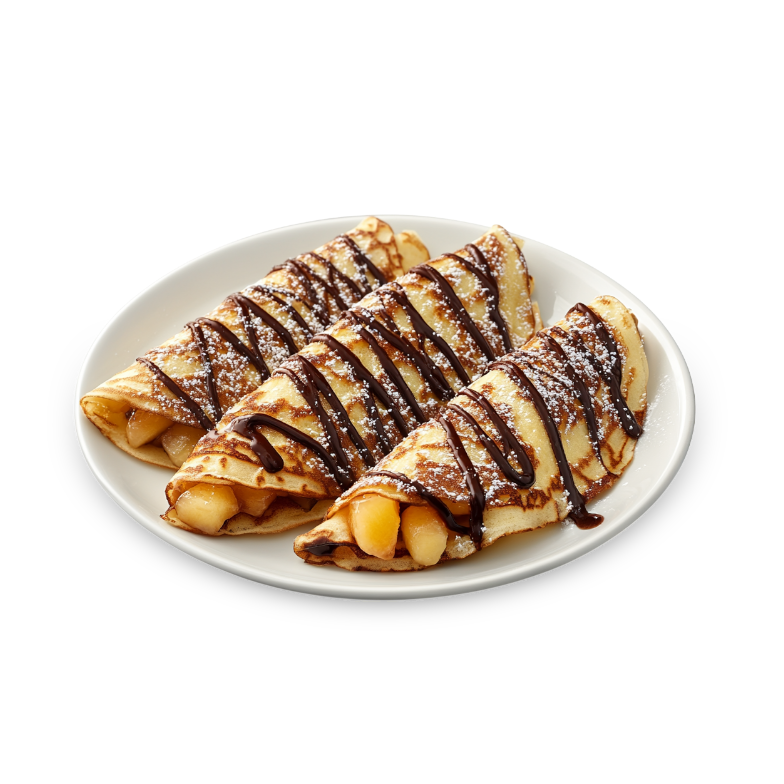
The concept of crepes dates back to the 13th century, and the Bavarian twist on this treat has roots in Central and Eastern Europe. The name “palatschinke,” often associated with Bavarian crepes, comes from the Latin word “placenta,” which means flatbread—a nod to the simple, yet versatile, nature of crepes throughout history. Though crepes originated in France, the Bavarian variety stands out for its rich filling of Bavarian cream. Legend has it that this creamy concoction was brought to Bavaria by a French chef who made the region his home. And while the exact origins of the filling remain a mystery, historical references to Bavarian cream in the 1800s, during the time of renowned French chef Marie-Antoine Carême, suggest its French influence.

Read the story
Biscuit
United States flagUnited States·May 29 2026

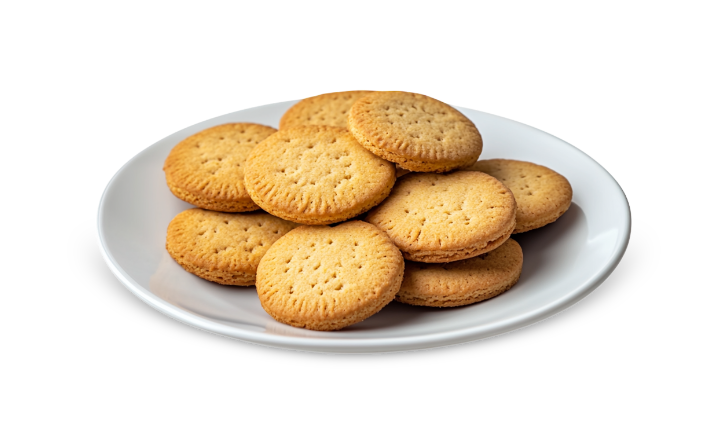
National Biscuit Day

The need for nutritious, long-lasting foods on long journeys, especially at sea, led to the baking of processed cereals, including flour-based biscuits. Initially, live food and a cook were taken aboard, but space constraints forced a shift to dried, hard-baked biscuits that wouldn’t spoil. Physicians once believed most health problems stemmed from digestion, so biscuits were recommended for daily sustenance. Early bakers made biscuits as hard as possible, knowing they softened over time. With increased sugar and refined flour supplies, biscuits transitioned from survival food to indulgence. The British biscuit industry flourished, fueled by market innovations. In 1831, Huntley & Palmers introduced the decorative biscuit tin, enabling global exports. By 1900, their biscuits were sold in 172 countries. This global spread led to distinct regional styles. In the U.S., biscuits evolved into soft, leavened quickbreads, favored for their ability to soak up gravy. Southern biscuits thrived due to soft winter wheat flour, which produced a tender texture. By 1931, Ballard and Ballard introduced refrigerated ready-to-bake biscuits, making them even more accessible. From ancient Egyptian millet loaves to Roman wheat paste crackers and Persian sweetened versions, biscuits have transformed through history. Today, National Biscuit Day celebrates both sweet and savory varieties, from oatcakes to crackers, highlighting their versatility and enduring appeal.

Read the story
Bittersweet Chocolate with Almonds
United States flagUnited States·November 7 2026

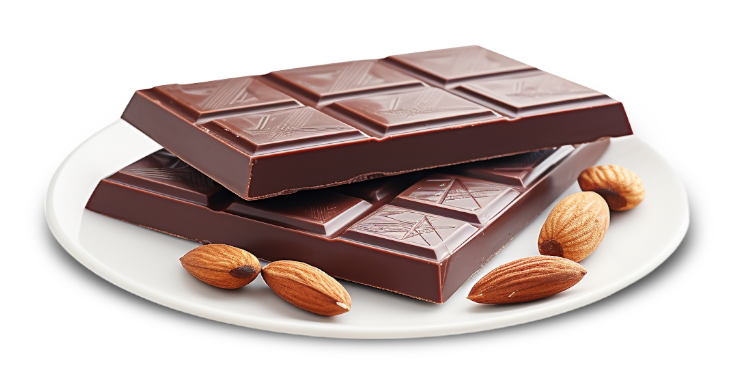
National Bittersweet Chocolate with Almonds Day

The history of this day traces back to the 18th century when Eliza Smith's cookbook, ”The Compleat Housewife,“ featured a recipe for chocolate almonds. Bittersweet chocolate, a type of dark chocolate, is distinguished by its cocoa content, containing chocolate liquor, sugar, cocoa butter, and vanilla. It has less sugar and more liquor than semisweet chocolate, and the terms are often interchangeable in baking. Almonds, though not true nuts botanically, are culinary nuts widely used in various sweets and desserts. The pairing of chocolate and almonds dates back to at least the mid-18th century, and Eliza Smith's recipe highlighted this delightful combination. Recent studies emphasize the health benefits of consuming small quantities of bittersweet chocolate, and adding almonds enhances these benefits. The National Confectioners Association sponsors National Bittersweet Chocolate with Almonds Day, emphasizing the delicious and healthy nature of this pairing. Celebrating this day can take various forms, from enjoying a classic chocolate bar with almonds to exploring artisanal truffles, clusters, barks, or even incorporating this flavor combination into savory dishes. The origins of this specific day are somewhat unknown, but it is likely that it was established to honor the rich history and delightful taste of bittersweet chocolate with almonds.

Read the story
Blueberry Pancake
United States flagUnited States·January 28 2026

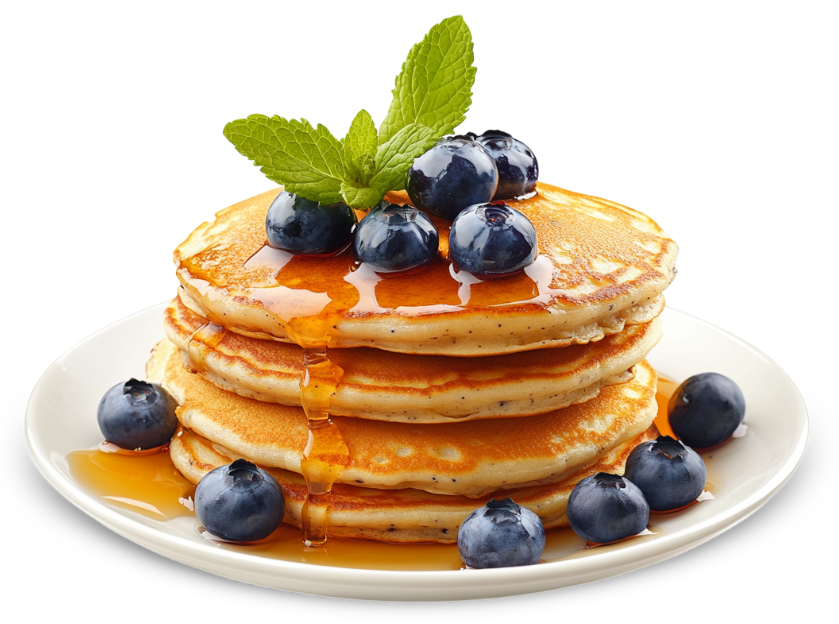
National Blueberry Pancake Day

Pancake’s history goes back to the Stone Age when humans were already crafting simple flatbreads cooked over hot ashes. Even Otzi the Iceman, preserved in ice for over 5,000 years, carried remnants of what could be the ancestor of today’s pancakes in his stomach. Fast-forward through the centuries, and pancakes evolved into something more recognizable, with additions like eggs, milk, and even unexpected ingredients like cabbage or cheese. By the time the term "pancake" entered English vocabulary in the 15th century, they were already beloved in countless variations worldwide. Names like griddle cakes, johnnycakes, and flapjacks joined the global repertoire, and nearly every culture had its own spin on the classic. But where do blueberries fit into all of this? Well, let’s start with the berries themselves. Native to North America, blueberries were a staple for Native Americans who valued them for their nutritional and medicinal properties. Long before the modern “superfood” hype, these tiny berries were curing ailments and flavoring recipes like pemmican—a blend of dried meat, fat, and berries. It wasn’t until the early 1900s that blueberries became a cultivated crop, thanks to Elizabeth White and Frederick Coville. This dynamic duo transformed the wild berry into a domesticated favorite, paving the way for blueberries to appear in everything from pies to pancakes. Blueberry pancakes’ popularity skyrocketed in North America, where the combination of fluffy batter and juicy berries felt like a match made in breakfast heaven.

Read the story
Bologna
United States flagUnited States·October 24 2026

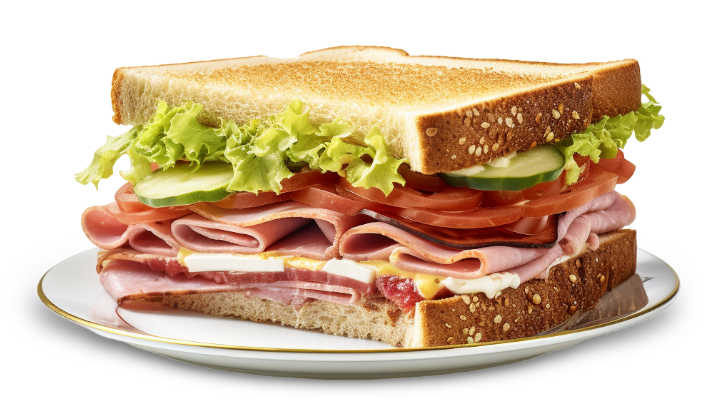
National Bologna Day

Originally known as mortadella, bologna, a finely ground pork sausage, received papal protection in 1661, distinguishing it from other pork sausages. Italian immigrants brought it to the U.S., where it evolved to include diverse meats like pork, beef, turkey, and seasonings such as black pepper, coriander, and myrtle berries. American bologna, distinct from its European counterpart, adheres to U.S. regulations with a fine grind and the absence of visible lard. The bologna sandwich became a regional favorite, especially in the South, Midwest, and Appalachia. Made with pre-sliced bologna between white bread, it became a canvas for creativity, adorned with condiments like mayonnaise, ketchup, mustard, cheese, tomatoes, pickles, and onions. National Bologna Day on October 24 invites celebration by crafting a bologna sandwich or enjoying one from a local deli. The versatile nature of bologna allows for various preparations, from sandwiches to bologna burgers, offering a spectrum of delightful flavors. Bologna's journey in the U.S. reflects immigration waves and economic changes, with German immigrants adapting it to local tastes, and the Great Depression cementing its status as an affordable and versatile luncheon meat for millions of Americans.

Read the story
Brandied Fruit
United States flagUnited States·October 20 2026

National Brandied Fruit Day

Brandied fruit has a rich history dating back to the Victorian era when brandy emerged as a remarkable preservative for fruits. In the 19th century, brandied fruit gained global popularity, providing a delicious solution to fruit preservation challenges in an era without refrigeration. Crafting brandied fruit involves soaking fresh, sweet fruit in brandy, sugar, and spices for nearly 30 days. This meticulous process not only preserves the fruits but also enhances their flavor, creating a delectable dessert for adults. The tradition is deeply rooted in brandy's historical significance, initially distilled in 1313 in France as a medicinal remedy known as 'eau de vie' or 'water of life.' George Washington played a key role in its commercial distillation in America in 1797. To celebrate National Brandied Fruit Day, enthusiasts are encouraged to prepare their brandied fruit in advance, allowing flavors to meld over at least a week. The recipe involves combining various fruits with different brandies like cognac, applejack, or kirschwasser. This concoction can be used as a delightful topping for cakes, pies, or ice cream, offering a blend of sweetness and the rich undertones of brandy. Beyond its culinary appeal, brandied fruit's historical significance lies in preserving fruits during times without refrigeration. This process not only extended the shelf life of fruits but also created a decadent treat that transcends time. Brandied fruit also plays a unique role as the starter for Friendship Cake, akin to a sourdough bread starter.

Read the story
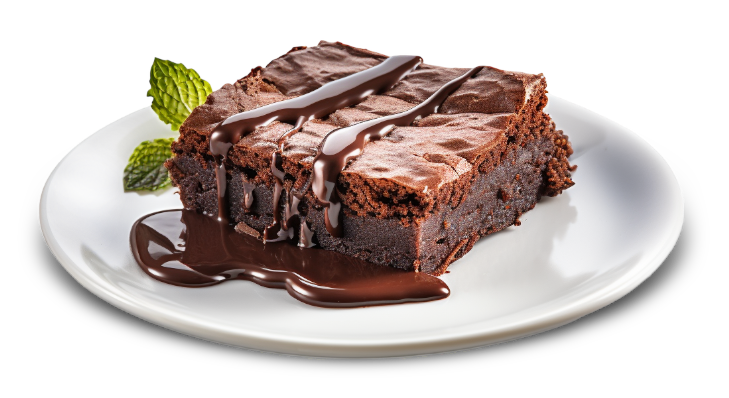
Brownie
United States flagUnited States·December 8 2026

National Brownie Day

National Brownie Day traces its roots to 1893 at the Palmer House Hotel in Chicago, where socialite Bertha Palmer requested a small, cake-like dessert for boxed lunches at the Chicago World’s Columbian Exposition. The resulting Palmer House Brownie, adorned with walnuts and apricot glaze, became the iconic origin of the brownie, even though the name emerged later. As the 20th century began, the brownie underwent transformations, with the 1907 “Bangor Brownie” adaptation featuring extra richness with an additional egg and chocolate square. The term “Bangor” tied back to a Maine town where a housewife was believed to have created the original brownie recipe, solidifying the brownie's identity amid myths of its accidental creation. Before chocolate brownies gained fame, the blondie, featured in Fanny Farmer's 1869 cookbook, graced American tables with its light brown color and molasses flavor. Over time, brown sugar replaced molasses, introducing a butterscotch note. Blondies evolved with various chefs and cultural influences, offering a myriad of delicious variations. National Brownie Day is intertwined with historical significance, celebrating the 1893 exposition's 400th anniversary of Columbus' arrival and symbolizing Chicago's recovery from the Great Fire of 1871.

Read the story
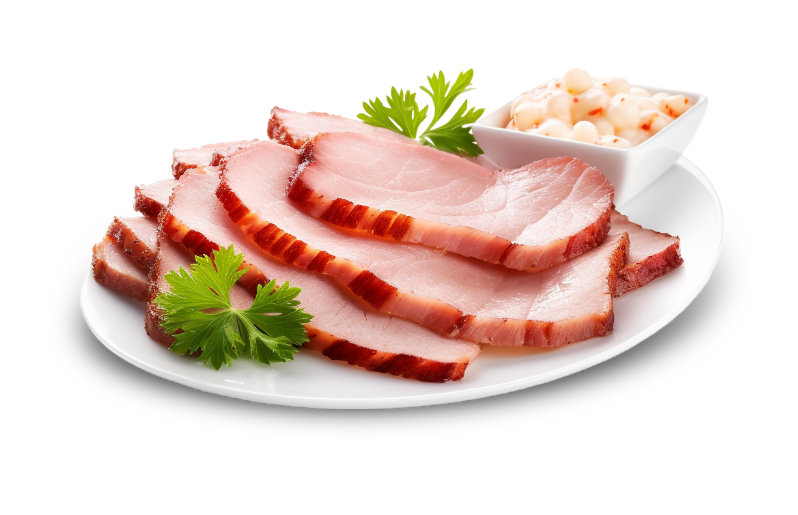
Canadian Bacon
United States flagUnited States·March 3 2026

National Canadian Bacon Day

Ancient Chinese, Egyptians, and Romans cured pork to create a savory delight. The Romans even had a name for their version – “petaso.” As bacon fever spread through Europe, families embraced it for its remarkable shelf life. Now, let's fast forward to the New World. European settlers carried their pork curing secrets to America, but the bacon they crafted here was a tad different – saltier and leaner. It wasn't until the 19th and 20th centuries that bacon production boomed, thanks to innovations like brining and smoking. Today, bacon has secured its spot as an American culinary icon. Often dubbed “peameal bacon”, this special treat was once preserved by rolling it in ground-up dried yellow peas. The result? A meaty marvel that could save the day when you needed a quick meal. Fast forward to today, and Canadian bacon still gets its curing treatment, albeit with yellow cornmeal instead of peas. It's cut from the loin, served unsmoked, and packs a leaner punch than regular bacon – a bonus for those keeping an eye on their health.

Read the story
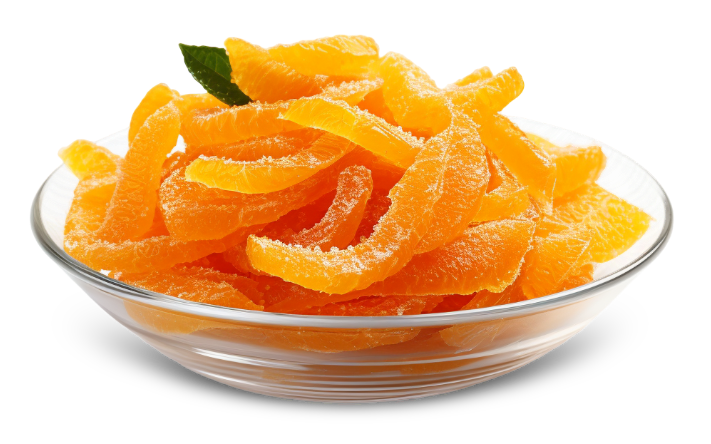
Candied Orange Peel
United States flagUnited States·May 4 2026

National Candied Orange Peel Day

Candied orange peel is a beloved addition to cakes and pastries, cherished for its ability to save what would otherwise be discarded orange peels. The process of preserving foods using sugar and honey dates back to ancient times, with evidence of its use in ancient China and Mesopotamia for various culinary creations. The practice of candying fruit, as we know it, appears to have originated in Arab culture, where it was served at banquets. Candied fruits made their way to the West, becoming a vital ingredient in some of the most iconic European desserts, like the Italian Panettone, which incorporates candied orange and lemon peels. Typically, orange peel is candied by boiling it in sugared water and then rolling it in sugar before allowing it to dry. This day serves as an opportunity to highlight the versatility and charm of candied orange peels. Chefs and bakers frequently use them to enhance the flavor and presentation of their dishes. They play a significant role in holiday baking, finding their way into recipes such as cookies and fruitcakes, as well as granola and tarts. The orange peel, often discarded, can now be enjoyed in a crystallized, sugary form, becoming a favorite in cookies, cakes, and pastries.

Read the story
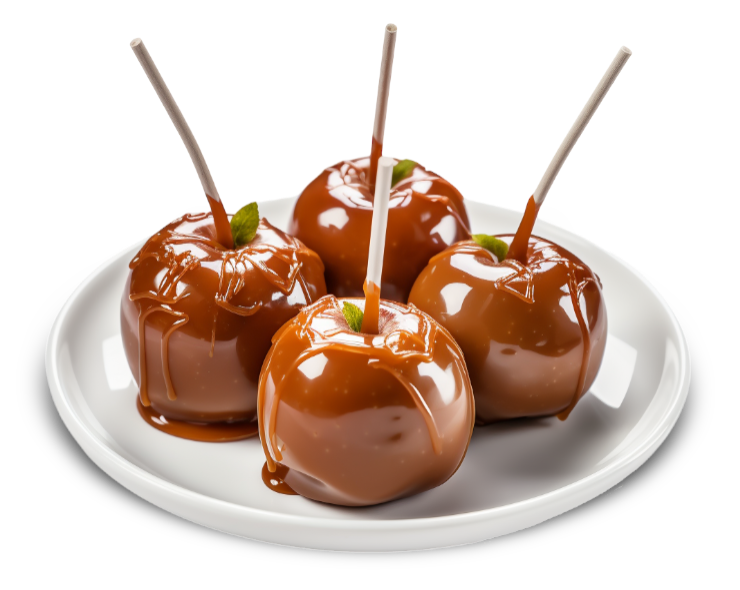
Caramel Apple
United States flagUnited States·October 31 2026

National Caramel Apple Day

Picture this: a surplus of Halloween caramels, a few apples, and a stroke of culinary genius. Enter Dan Walker, the mastermind behind the caramel apple, who melted down excess caramels and coated apples, giving birth to an instant autumn classic. The synergy of fall's apple season and Halloween festivities made caramel apples the go-to snack for hayrides, corn mazes, and Halloween parties. The process is as simple as it is scrumptious—skewer a tart, crisp apple like Fuji or Granny Smith, dip it into a pool of melted caramel and let it cool. The result? A crunchy, sweet masterpiece, perfect for Halloween and beyond. Don't mistake these for candy apples; the distinction lies in the coating, with candy apples boasting a sugar layer instead. Fast forward to the present, and National Caramel Apple Day invites us to relive cherished memories of crafting these treats at fairs, carnivals, or at home with family. The tantalizing aroma of caramelized sugar and the luscious crunch of a well-made caramel apple make this day a true fall favorite. In 1908, William W. Kolb, a New Jersey candy maker, introduced the red caramel apple. Meanwhile, caramel apples found their moment in the 1950s, thanks to Dan Walker's inventive use of Halloween caramels. The popularity of these treats soared, with Vito Raimondi's invention of the caramel apple-making machine in 1960 revolutionizing the production process.

Read the story
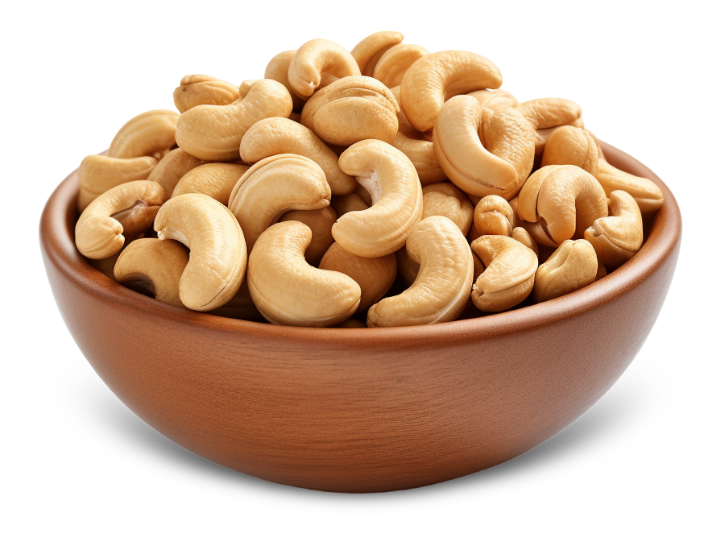
Cashew
United States flagUnited States·November 23 2026

National Cashew Day

Cashew's global journey began in South America, where its tree, native to the region, caught the attention of Portuguese explorers in the 16th century. These explorers transported the cashew from Brazil to Goa, a Portuguese colony, initiating a trajectory that would span Southeast Asia and Africa. Today, the cashew tree thrives in tropical regions worldwide, with top cashew-producing countries including Côte d’Ivoire, India, Vietnam, Burundi, and the Philippines. Notably, Ghana, Tanzania, Guinea-Bissau, Nigeria, and Côte d’Ivoire lead in cashew nut exports. Beyond being a popular snack, cashews play a prominent role in South Asian cuisine, enhancing curries, sweets, sauces, and desserts. The cashew's versatility extends to the kitchen, with its oil serving as a cooking or salad dressing, and cashew milk emerging as a dairy-free alternative. While cashew shells are toxic, they find purpose in industries producing coatings, lubricants, paints, and resins. The fragile cashew apple contributes its essence to local cuisines and beverages. Fun facts include the presence of the world's largest cashew tree in Brazil, covering over 81,000 sq. ft. Cashews, classified as seeds rather than true nuts, have a unique history intertwined with poison ivy and poison sumac. The Portuguese played a pivotal role, introducing cashews to India in the 1560s, where they gained favor and spread to Southeast Asia and Africa. From Brazil's jungles to the tropics of India and beyond, cashews have embarked on a remarkable journey, becoming a culinary staple in diverse cuisines. In Ayurvedic medicine, cashews are esteemed for their stimulant, rejuvenating, and aphrodisiac properties.

Read the story
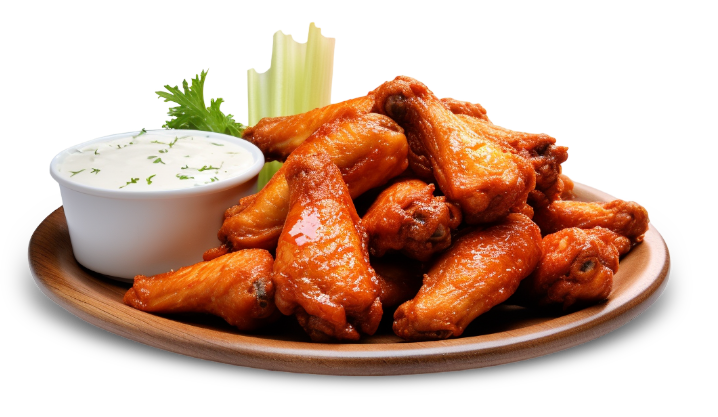
Chicken Wing
United States flagUnited States·July 29 2026

National Chicken Wing Day

Buffalo wings, a quintessential American classic, feature deep-fried, unbreaded chicken wings coated in a tantalizing blend of cayenne pepper hot sauce, vinegar, and butter. Served with celery, carrot sticks, and blue cheese or ranch dressing, these wings are a beloved appetizer and bar food. The dish's origins, often attributed to Teresa Bellissimo at the Anchor Bar in Buffalo in 1964, have a bit of mystery, with other contenders like John Young introducing a breaded version in 1961. Regardless of the true inventor, Buffalo wings quickly gained popularity, turning into a sensation and inspiring variations on other fried foods. The 1970s and 1980s saw Buffalo wings becoming a staple in the United States and Canada, leading to the emergence of popular chicken wing franchises. The city of Buffalo declared July 29th as Chicken Wing Day in 1977. National Chicken Wing Day is celebrated annually, with restaurants offering discounts and promotions. The love for Buffalo wings extends to the National Buffalo Wing Festival in Orchard Park, New York, since 2003. The dish's evolution reflects its journey from humble origins to global stardom, now an essential part of gatherings worldwide, enjoyed for its versatility, affordability, and diverse flavors.

Read the story
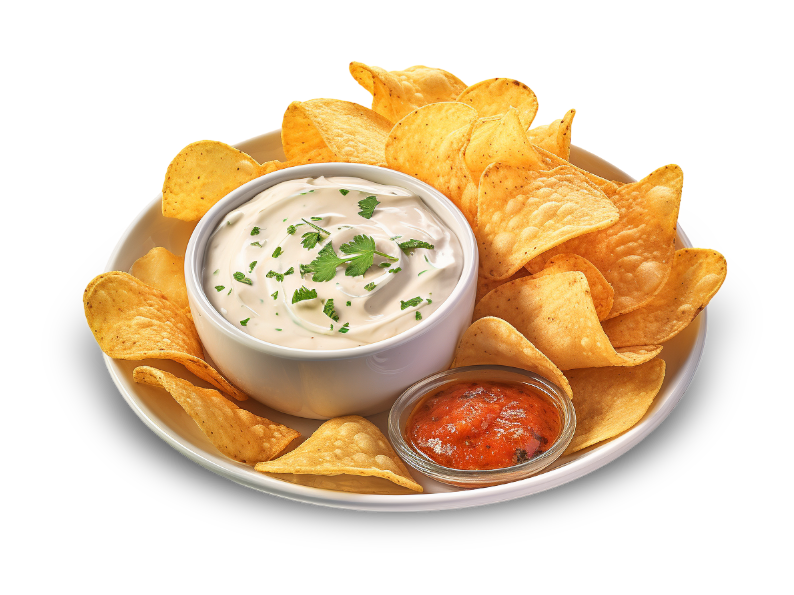
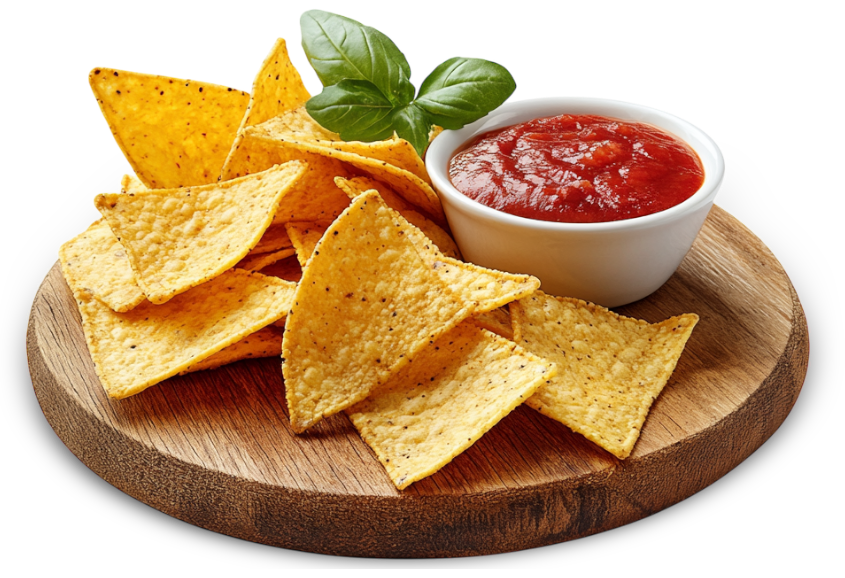
Chips and Dip
United States flagUnited States·March 23 2026

National Chips and Dip Day

The superstar of this culinary celebration, the potato chip, was born in 1853. Legend has it that a disgruntled diner sent back thick potato wedges, prompting a creative chef named George Crum to slice potatoes paper-thin, fry them to a crisp, and season them generously with salt. To everyone's surprise, the thin, salty chips became a sensation, eventually finding their way to mass production. Fast forward to the 1950s, and you've got the birth of a legendary pairing – chips and dips. Lipton's advertising campaign for their dehydrated onion soup mix suggested using it as a dip, and suddenly, everyone was dipping their chips. This newfound trend sparked an annual celebration, with March 23rd becoming the official day to revel in the chip-and-dip extravaganza. National Chip and Dip Day is a fiesta of flavors and textures! From tortilla chips to corn chips, pretzel chips, and even fruity chips, there's a chip to suit every palate. But what's a chip without its trusty sidekick, the dip? Creamy cheese, zesty salsa, tangy guacamole – the dip options are as diverse as the chips themselves.

Read the story
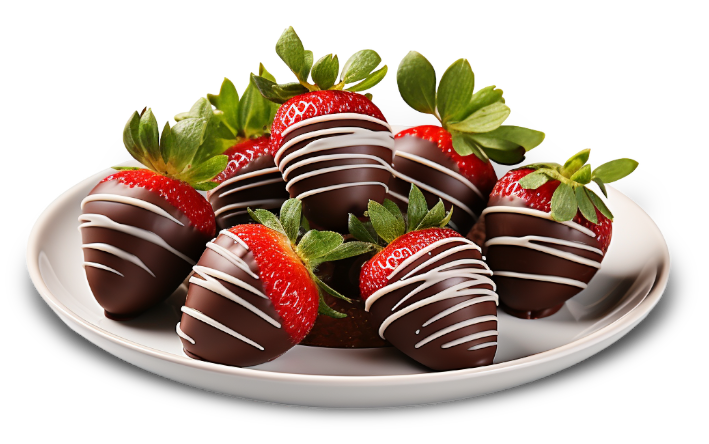
Chocolate Covered Anything
United States flagUnited States·December 16 2026

National Chocolate Covered Anything Day

National Chocolate Covered Anything Day is rooted in the rich history of chocolate, which traces back to Mesoamerica around 1900 BC. Initially enjoyed as fermented beverages by the Aztecs, cacao seeds held significant value, even serving as currency. With its journey to Europe in the sixteenth century, chocolate transformed from a frothy, unsweetened beverage to a sweet delight, captivating European aristocrats. The term “chocolate” first appeared in print in England in 1604. The eighteenth century witnessed the rise of chocolate as a fashionable drink in Europe, and by 1765, the first chocolate manufacturing took place in the United States. The nineteenth century saw the birth of chocolate candy bars, with Cadbury leading the way in 1842, and the introduction of milk chocolate by Daniel Peter in 1875. Milton S. Hershey's entrepreneurial spirit in the early twentieth century marked a significant chapter, leading to the creation of the Hershey bar in 1900 and the iconic Hershey's Kiss in 1907. The history of chocolate extended beyond pleasure during World War II, with Hershey providing troops with Ration D bars. Despite the mystery surrounding the origin of National Chocolate Covered Anything Day, the celebration is deeply intertwined with chocolate's global journey, evolving and being embraced by diverse cultures over the centuries.

Read the story
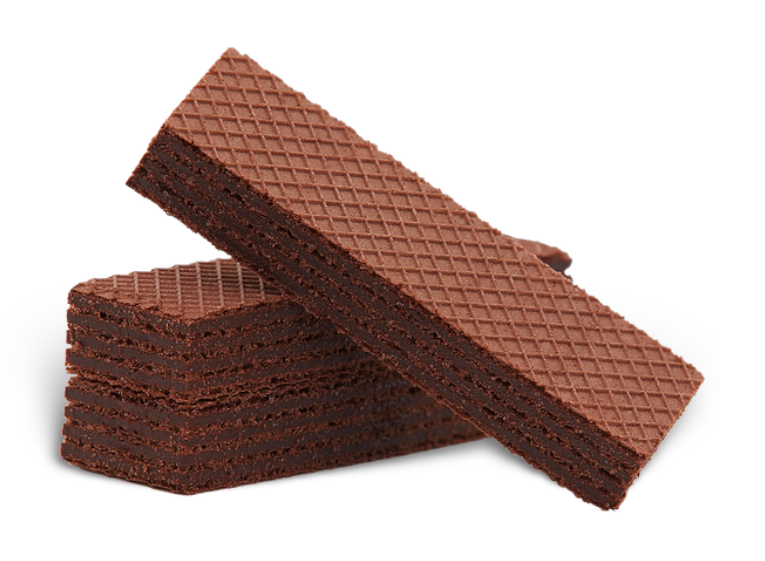
Chocolate Wafer
United States flagUnited States·July 3 2026

National Chocolate Wafer Day

In North America, the history of chocolate wafers traces back to the mid-1800s, initially created as snacks and after-dinner treats. These delicate cookies, with a light flavor and a rich chocolate filling, gained popularity during tea time and social gatherings. While enjoyed on their own, they became versatile ingredients, adding texture and flavor to desserts like ice cream, cakes, and cheesecakes. Numerous passionate companies produced chocolate wafers, each proud of unique ingredients, recipes, and packaging. Mergers in the 1930s led to fewer dedicated brands. Today, chocolate wafers remain beloved for their waffle-like pattern and thin, crispy layers. A staple in ice cream parlors, they complement favorite flavors. Bakers use them in various treats, enhancing cakes and cheesecakes, and they serve as decorative elements. Kit Kat, an iconic brand, combines chocolate and wafers globally. Kit Kat bars are popular in America and beyond. Another creation, the chocolate waffle cone, featuring chocolate wafers, holds ice cream and provides an extra treat afterward. National Chocolate Wafer Day's origin is somewhat mysterious, with speculation that Nabisco introduced it in 1924 as a promotional tool, quickly gaining popularity. Regardless, the day offers a perfect excuse to enjoy one of America's favorite snacks - chocolate wafers.

Read the story
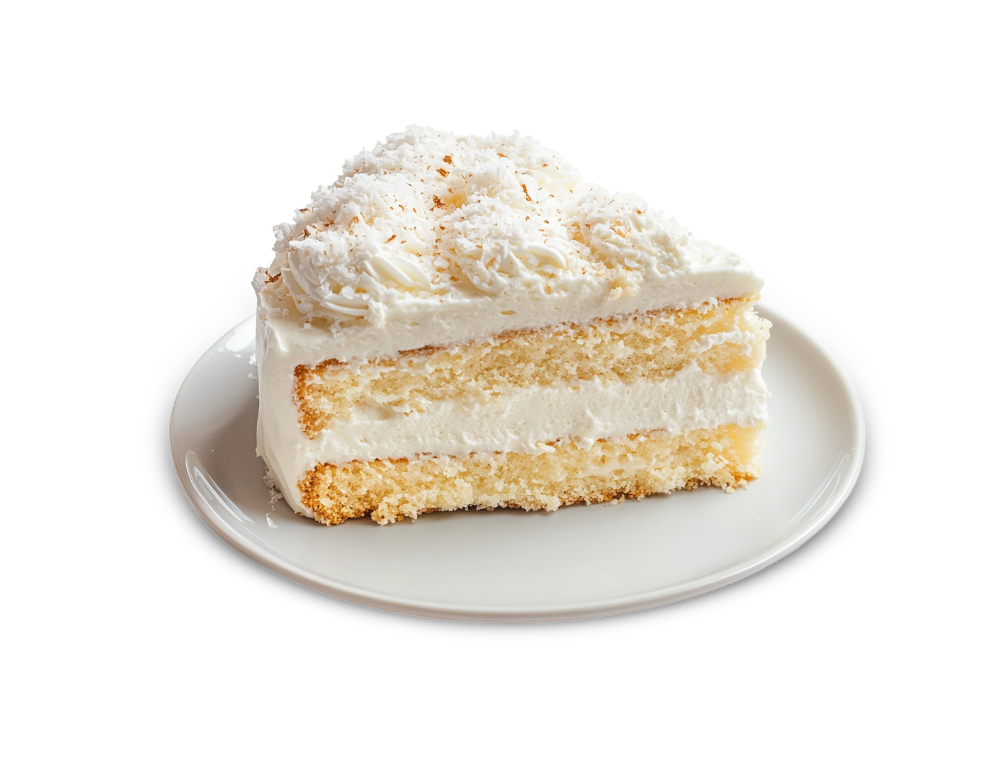
Coconut Torte
United States flagUnited States·March 13 2026

National Coconut Torte Day

The word torte comes from the German and Italian languages, both referring to a round cake. It has deep European roots, with iconic tortes like the Sachertorte and Linzer Torte hailing from Austria and Germany. These multilayered cakes, often filled with whipped cream or jam, have been enjoyed for centuries. Coconuts themselves have been around for thousands of years. They were traded along ancient trade routes, first brought to Europe by Arab traders from India and East Africa. Marco Polo even described the coconut as "The Pharaoh’s Nut" in the 13th century, referring to its unique shape. By the 16th century, the name coco (which means "head" or "skull" in Portuguese) stuck, and the coconut became a symbol of mystery and healing powers. Fast forward to the 1920s, when the coconut cake became a popular treat at social gatherings, especially among women. As people experimented with coconut, the coconut torte was born, blending the European tradition of tortes with the tropical sweetness of coconut. This cake is often layered with coconut cream, covered in coconut flakes, and may feature coconut-flavored frosting, creating a perfect balance of rich and refreshing flavors. While coconut torte originated in the Southern United States, it's enjoyed around the world today, with many variations. It typically consists of a few layers of cake brushed with simple syrup, layered with creamy coconut filling, and topped off with a generous amount of coconut flakes.

Read the story
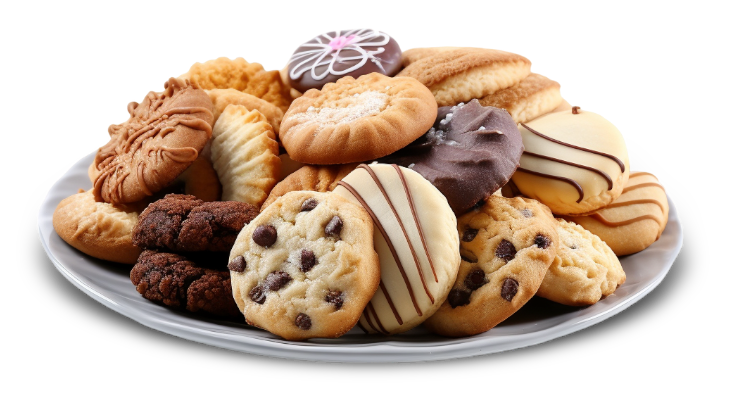
Cookie
United States flagUnited States·December 4 2026

National Cookie Day

Cookies, originally dubbed “little cakes,” have a storied history dating back to Persia in the 7th century, where they served as test cakes for oven temperatures. The term “cookie” finds its roots in the Dutch word “koekje,” meaning “little cake,” and Dutch colonists brought these treats to America in the 17th century, transforming them into the present-day American cookie. What distinguishes cookies from traditional cakes and pastries is their unique composition. Cookie dough typically lacks water, relying on a higher content of oil or butter, resulting in a denser structure and a beloved texture. Throughout history, cookies adapted to the tastes of different cultures, with playful names like jumbles and tea cakes. The 19th century saw transformative changes in cookie history, fueled by transportation advancements. Trains provided access to new ingredients like coconut and oranges, expanding flavor options. The 20th century brought electricity, extending cookie shelf life and introducing innovative ingredients. A pivotal moment occurred in 1937 when Ruth Graves Wakefield invented the iconic chocolate chip cookie at the Toll House Restaurant. The agreement with Nestle to print the recipe on its chocolate bar packaging elevated the chocolate chip cookie to legendary status. In the 21st century, Maxine's Heavenly emerged as a modern homage to wholesome and delicious cookies, reimagining traditional recipes with healthier alternatives. National Cookie Day, founded in 1987 by Matt Nader of Blue Chip Cookies, celebrates this iconic treat's diversity, with noteworthy types including chocolate chip, butter, oatmeal raisin, and peanut butter cookies.

Read the story
Corn Chip
United States flagUnited States·January 29 2026

National Corn Chip Day

Corn chips have been crunching their way into snack bowls since 1932, thanks to Charles Elmer Doolin, a Texan with a sweet tooth and a flair for innovation. Doolin owned a candy store but wanted to add something savory to his offerings. His fried tortilla experiments kept turning stale too quickly, so he sought a new approach. One day, Doolin discovered strips of fried corn dough at a local gas station and was hooked. After persuading the seller to share the recipe, he perfected it and began selling bags of his version. That’s when Fritos was born, sparking America's love affair with corn chips. By 1945, Doolin partnered with Herman Lay (yes, the Lay’s potato chips guy) to distribute Fritos nationwide. The duo formed a snack-world powerhouse, and by the 1950s, Fritos became one of America’s top-selling corn chips. After Doolin’s death, the two companies merged in 1959 to create Frito-Lay, the snack empire we know today. But what exactly is a corn chip? Made from cornmeal and fried (or baked for a lighter crunch), they’re thick, salty, and satisfyingly crunchy, with a bold roasted corn flavor. Unlike tortilla chips, which are thinner and often paired with salsa, corn chips stand strong on their own or as the perfect chili companion.

Read the story
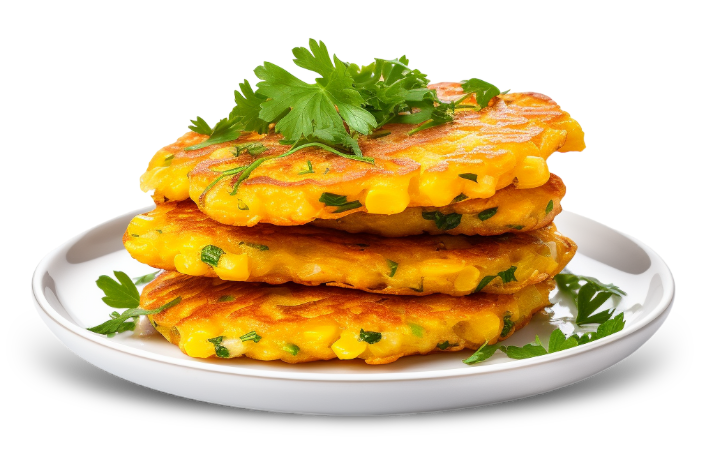
Corn Fritter
United States flagUnited States·July 16 2026

National Corn Fritter Day

The history of corn fritters unfolds as a culinary evolution, starting with Native Americans incorporating maize into their cuisine. However, the absence of deep-frying in their tradition limited the development of corn-based fried dishes. European settlers, upon their arrival in America, pioneered the creation of corn fritters, with the Southern United States becoming the epicenter of this culinary innovation amidst its renowned deep-fried traditions. Traditional Southern corn fritters consist of butter, milk, flour, eggs, and corn kernels, offering a versatile canvas for preparation—deep-fried, shallow-fried, or baked. Accompaniments like cream, honey, fruit, or jam enhance their flavors, and some variations include creamed corn, providing a unique twist. Corn fritters transcended borders, reaching Indonesia, where they are known as bakwan jagung or perkedel jagung. In the Indonesian version, corn fritters take on a savory profile with intact corn kernels in the batter. Prepared with ingredients like salt, pepper, garlic, shallots, eggs, scallion, and celery, and deep-fried in coconut oil, they have become a popular appetizer and snack, showcasing the adaptability and global appeal of this Southern classic.

Read the story
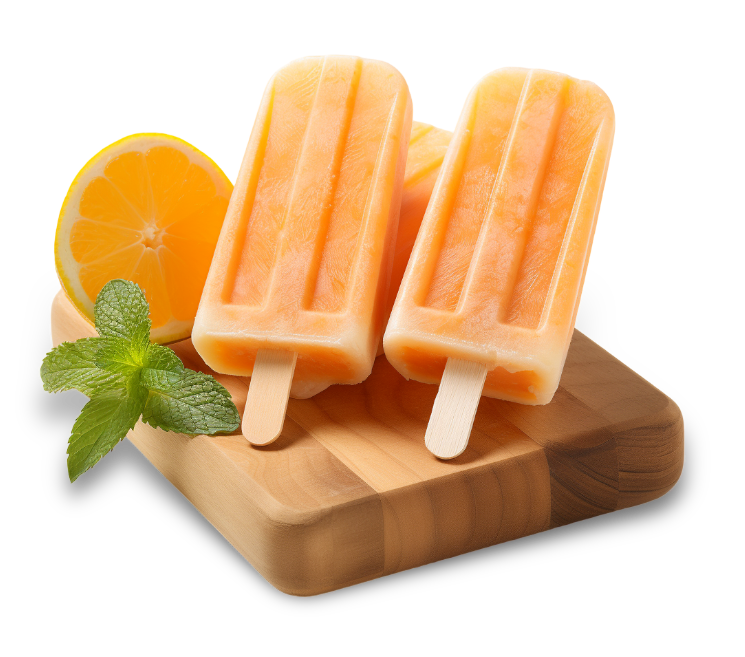
Creamsicle
United States flagUnited States·August 14 2026

National Creamsicle Day

The Creamsicle, a beloved frozen treat owned by Good Humor under Unilever, features a flat vanilla ice cream bar on a stick enveloped in flavored ice. While the classic orange-vanilla combination is iconic, the Creamsicle boasts various flavors like lime, blue raspberry, grape, blueberry, and cherry, earning it the nickname “50-50 bar.” The origin of the Creamsicle traces back to 1905 when 11-year-old Frank Epperson accidentally left a mixture of fruit juice and water outside overnight, resulting in a frozen treat with a stick in the center. This invention, initially named Epsicle, evolved into the Popsicle, Creamsicle, and Dreamsicle after Frank was granted a patent in 1924. During the Great Depression, the Twin Popsicle was introduced, offering an affordable treat for two children. Today, Creamsicle enthusiasts can enjoy a variety of flavors, including sugar-free and low-calorie options. The frozen delight has inspired an array of desserts and beverages, such as creamsicle pie, layer cake, pudding, cupcakes, smoothies, and martinis, showcasing the enduring appeal of the delightful cream and orange combination. National Creamsicle Day invites everyone to indulge in the sweet and tangy possibilities offered by this iconic frozen dessert.

Read the story
Croissant
United States flagUnited States·January 30 2026

National Croissant Day

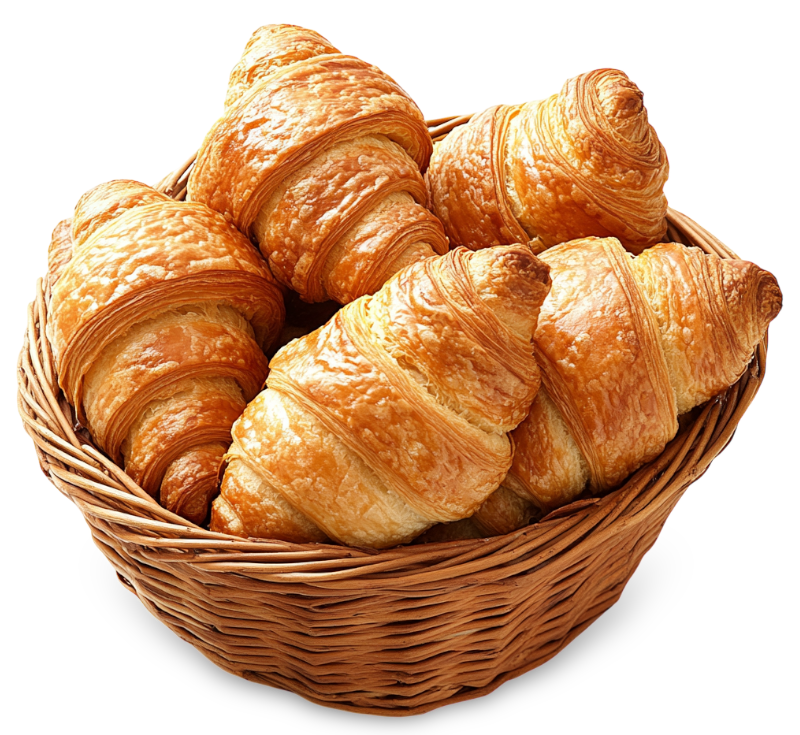
When you think of croissants, it’s impossible not to picture the buttery, golden layers that have become a quintessential symbol of French breakfast culture. But here’s the twist—it didn’t start in France. The croissant’s story begins in Austria, with its ancestor, the kipferl, a crescent-shaped pastry that dates back to at least the 13th century. Legend has it that the kipferl was baked to celebrate a military victory. One popular tale says Viennese bakers shaped the pastry to mimic the crescent moon seen on the Ottoman Empire's flag after the failed Siege of Vienna in 1683. Whether or not that’s true, what’s certain is that the kipferl paved the way for its puffier, flakier cousin. The croissant’s journey to France is credited to Marie Antoinette, the Austrian-born queen of France. She brought the kipferl along when she married King Louis XVI, and French bakers, ever the perfectionists, transformed it into the light, buttery marvel we know today. But it was August Zang, an Austrian artillery officer, who truly launched the croissant’s fame in France. In 1838, he opened the first Viennese bakery in Paris, introducing the city to the delights of kipferl and other Austrian treats. Over time, French bakers swapped the denser dough for pâte feuilletée, or puff pastry, giving us the delicate, layered texture that defines a croissant. By the early 20th century, croissants had become a breakfast staple in France, and Sylvain Claudius Goy’s 1915 recipe added yeast to the mix, giving them a distinct rise. Post-World War II innovations like flash freezing helped spread the croissant globally, and by the 1970s, the United States had fully embraced this flaky indulgence. Brands like Sara Lee introduced frozen croissants, while fast-food chains like Burger King turned them into breakfast sandwiches with creations like the Croissan'wich.

Read the story
Cupcake
United States flagUnited States·December 15 2026

National Cupcake Day

The cupcake, rooted in the late 18th century, found its earliest known recipe in Amelia Simmons' 1796 book “American Cookery.” Titled “Light Cakes to bake in small cups,” these individual delights were baked in teacups, possibly created to surprise loved ones. The term “cupcake” originated in the 19th century due to recipes like “1-2-3-4 cakes,” specifying one cup of butter, two cups of sugar, three cups of flour, and four eggs, using measuring cups instead of weights. In 1828, Eliza Leslie's cookbook officially introduced the term “cupcake,” emphasizing both the small cup-like containers for baking and the measured use of cups in recipes. Initially baked in various containers, cupcakes evolved visually, with the 20th century introducing the first official flavor by Hostess in 1919. The 21st century witnessed a cupcake renaissance, with Sprinkles Cupcakes in 2005 sparking a global craze. Magnolia Bakery's feature in “Sex and the City” further propelled cupcakes into the mainstream. Today, cupcakes have become edible art, adorned with intricate decorations, and serve as symbols of joy and celebration, evolving from their humble origins to captivate taste buds in a myriad of flavors.

Read the story
Eat a Hoagie
United States flagUnited States·September 14 2026

National Eat a Hoagie Day

Eat a Hoagie Day celebrates the hoagie, a sandwich rooted in the heart of Philadelphia's Italian immigrant community. Originating in the early 20th century as the ”Hog Island sandwich,“ crafted by Italian shipyard workers, the hoagie became a staple for laborers facing long workdays. Its name evolved from linguistic connections like ”on the hoke“ and the generosity of street vendors, intertwining with the immigrant narrative of Philadelphia. Beyond the city, the hoagie gained widespread popularity, with Pittsburgh embracing it in the mid-20th century, solidifying its status across Pennsylvania. In 1992, Philadelphia Mayor Ed Rendell declared the hoagie the city's official sandwich, recognizing its cultural significance. The hoagie's journey extended to mainstream outlets like Woolworth's and Wawa. By the 1950s, restaurants adopted the term, and Woolworth's introduced hoagies at lunch counters, expanding their reach. Wawa, a Pennsylvania-based convenience store chain, embraced the hoagie as a flagship product, ensuring its availability to a broader audience. Today, Eat a Hoagie Day honors this culinary marvel, celebrating its history, cultural ties, and resilience as a symbol of community in Philadelphia and beyond.

Read the story
Eat A Peach Day
United States flagUnited States·August 22 2026

National Eat A Peach Day

Peaches, with roots tracing back to ancient China, were first domesticated along the Yangzi River around 6000 BC, symbolizing vitality and protection against evil spirits in Chinese culture. In the United States, August 22nd is dedicated to celebrating peaches, coinciding with their typical harvest period between June and August. Beyond their sweet and juicy taste, peaches offer numerous health benefits, being rich in vitamins A, C, and E, as well as essential minerals like potassium, iron, and calcium. Native to Northwest China, peaches made their way to Europe through Persia and arrived in North America in the 16th century via Spanish explorers. The first peach tree in North America was planted in Virginia in the 17th century, and commercial cultivation in the United States began in the 18th century, with Georgia earning the title of the “Peach State.” It's fascinating to note that peaches are closely related to nectarines, belonging to the same species, with the distinction being the presence or absence of fuzz on their skin, a trait selectively bred by nectarine farmers.

Read the story
Fritters
United States flagUnited States·December 2 2026

National Fritters Day

These pan-fried or deep-fried cakes, celebrated for their versatility, have a rich history that dates back to 1665, with their origins attributed to the ancient Romans who later introduced them to Europe. Fritters, characterized by a batter made with milk and egg akin to pancake batter, come in a myriad of forms across various cuisines. From Japanese tempura to American corn fritters, these crispy delights can be filled with an array of ingredients, including fruit, vegetables, meat, seafood, or cheese. The world is, quite literally, your fritter-filled oyster. The historical journey of fritters unfolds through diverse culinary traditions. French beignets, Italian bigne, and Greek loukoumades showcase the sweet side of fritters. Tempura, a Japanese creation influenced by Portuguese and Spanish techniques, offers a savory twist. In the U.S., corn fritters steal the show, capturing the essence of Southern comfort with ingredients like butter, milk, flour, egg, and corn kernels. As we explore the globe of fritters, it's worth noting the debate over what defines a true fritter. Some argue that anything battered and fried qualifies, while others insist on minced fillings. Regardless, the love for fritters transcends borders, featuring diverse renditions like the Philippine Kwek-Kwek, American Apple Fritters, Thai Nam Phrik Kapi, Korean Ojungeo-Twigim, Iranian Kuku-Sabzi, and British Pea Fritters.

Read the story
Gingerbread
United States flagUnited States·June 5 2026

National Gingerbread Day

The origins of gingerbread date back to ancient times, with the earliest known recipe hailing from 2400 BC Greece. The term ”gingerbread“ derives from the Latin ”zingebar,“ originally referring to preserved ginger, a spice originating in China and introduced to Europe through the Silk Road. Gingerbread had ceremonial roles in ancient Greece and Egypt, later appearing in medieval European fairs as hard cookies shaped like animals, royalty, and more, often adorned with gold leaf. Queen Elizabeth I's affinity for decorative gingerbread contributed to its association with elegance. Introduced to America by European settlers, gingerbread cookies played a role in colonial politics, featured in the first American cookbook by Amelia Simmons. The unique story of Gingerbread Lafayette involves Mary Ball Washington serving her gingerbread to Marquis de Lafayette during his visit to her Virginia home, adding historical depth to the American connection. The evolution of gingerbread is seen in its transformation from a soft cake to hard, shaped cookies, reflecting changing preferences over centuries. The beloved Christmas tradition of gingerbread houses likely originated in 16th-century Germany, gaining popularity after the publication of the Brothers Grimm's ”Hansel and Gretel,“ inspiring intricate, candy-adorned creations. Recent years have seen gingerbread enthusiasts creating massive houses, with a Texas creation holding the Guinness World Record at 60 feet long, 42 feet wide, and over 10 feet tall.

Read the story
Gingerspan
United States flagUnited States·July 1 2026

National Gingersnap Day

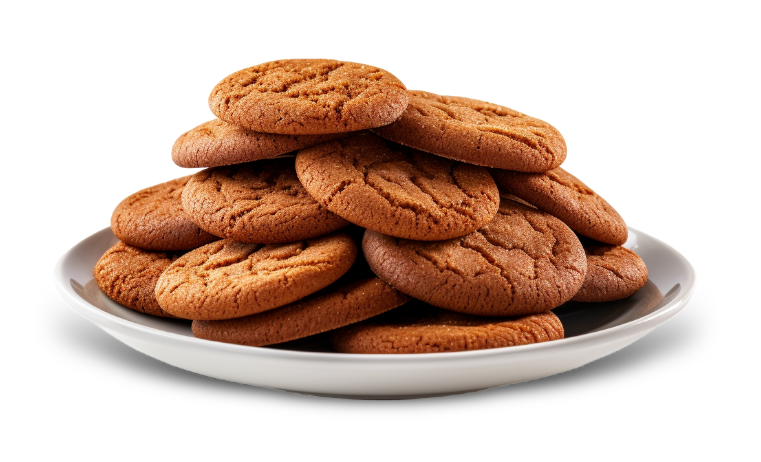
Also known as ginger biscuits or ginger nuts, these round, plain cookies are characterized by a distinct flavor profile featuring ginger, cinnamon, cloves, molasses, brown sugar, and nutmeg. While commonly enjoyed with tea, coffee, hot chocolate, or even ice cream and yogurt, their origins can be traced back to medieval monks in Franconia, Germany, during the 13th century. The story of gingersnaps begins with their precursor, Lebkuchen, honey-sweetened bar cookies similar to gingerbread, enriched with aniseed, coriander, cloves, allspice, cardamom, and ginger. Evolving from the German Christmas gingerbread, Lebkuchen, gingersnaps emerged, simplifying the spice blend to emphasize the distinctive ginger flavor. Introduced to the United States in the 19th century, they gained popularity as a snack, especially enjoyed with tea or coffee, and became favored by sailors for their durability during long journeys. National Gingersnap Day celebrates this beloved cookie, recognizing its rich history and the joy it brings to our taste buds. Although the exact origins of the holiday are elusive, it is believed to have roots in Germany in the 13th century or potentially medieval England. Beyond their delightful taste, gingersnaps offer health benefits, thanks to the anti-inflammatory properties of ingredients like ginger, cinnamon, and cloves, contributing to heart health, digestion, and oral hygiene. The inclusion of dried ginger, a key ingredient, adds antihistamine and decongestant properties, making these cookies more than just a tasty treat.

Read the story
Green Chili
United States flagUnited States·December 16 2026

National Green Chili Day

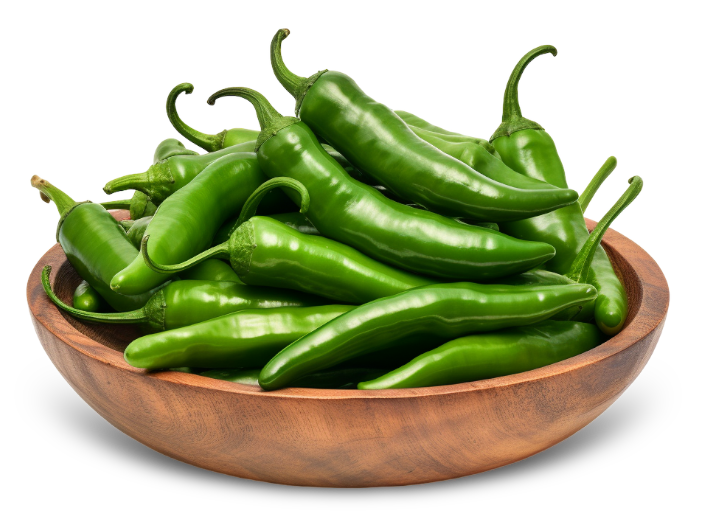
The history of green chili traces back to the roots of chiles in Mesoamerica, originating in South America and domesticated around 6,000 years ago. Cultivated by the Inca, Mayans, and Aztecs, chiles held religious significance. In the Southwestern United States, the Pueblo people incorporated chiles into their diet, with the natural cultivation of the Pueblo green chile in the Pueblo Valley. The late 1800s and early 1900s saw crucial developments, with Dr. Fabian Garcia creating the New Mexico No. 9 in 1913, aiming for genetic consistency. Sub-varieties like Numex Centennial and Rio Grande 21 diversified the green chile landscape. The 1930s marked a surge in chile-infused foods' popularity in the Southwest, becoming integral to New Mexico cuisine. In the 1940s, strategic marketing emphasized the economic importance of green chiles, solidifying their prominence. Green chiles continued to evolve, influencing culinary traditions beyond regional borders. National Green Chili Day, celebrated every December 16th, brings people together to honor the rich history and diverse flavors of green chili. Whether enjoyed on its own, as a topping, or a key ingredient, green chiles remain a spicy and flavorful journey through centuries of culinary heritage.

Read the story
Grilled Cheese Sandwich
United States flagUnited States·April 12 2026

National Grilled Cheese Sandwich Day

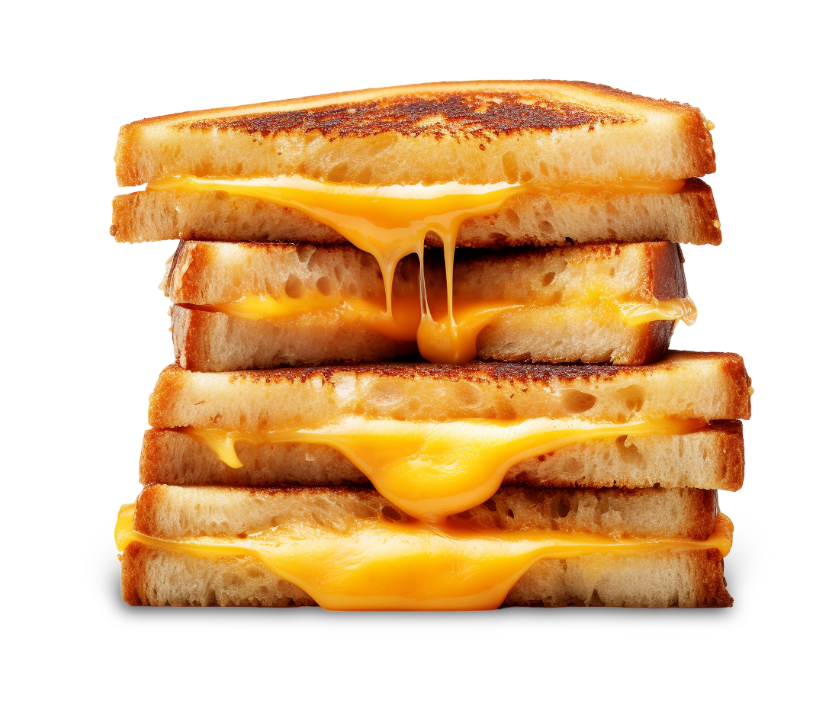
The history of the grilled cheese sandwich is as rich and satisfying as the sandwich itself. While the pairing of bread and cheese dates back to ancient times, the modern version we know today found its footing in the 1920s. It was during this era that two game-changing inventions laid the foundation for grilled cheese's widespread popularity: the bread slicer and processed American cheese. In 1927, Otto Frederick Rohwedder introduced the bread-slicing machine, which revolutionized the distribution of sliced bread. Shortly before this, James L. Kraft's processed cheese ensured that cheese could endure long journeys without spoiling. These innovations paved the way for the creation of the grilled cheese sandwich as we know it. The term 'grilled cheese' was coined in the 1960s when the addition of a second slice of bread on top made it one of the most popular lunch or dinner choices. It was also known as the ”cheese toasty“ or ”toasted cheese sandwich.“ The American Navy played a crucial role in popularizing the grilled cheese sandwich. During World War II, Navy chefs prepared hundreds of ”American cheese-filled sandwiches“ for hungry military personnel, introducing the world to this delicious treat. National Grilled Cheese Sandwich Day is a celebration of this iconic sandwich and its history. The possibilities are endless, from classic American cheese on white bread to gourmet combinations like Gouda on sourdough.

Read the story
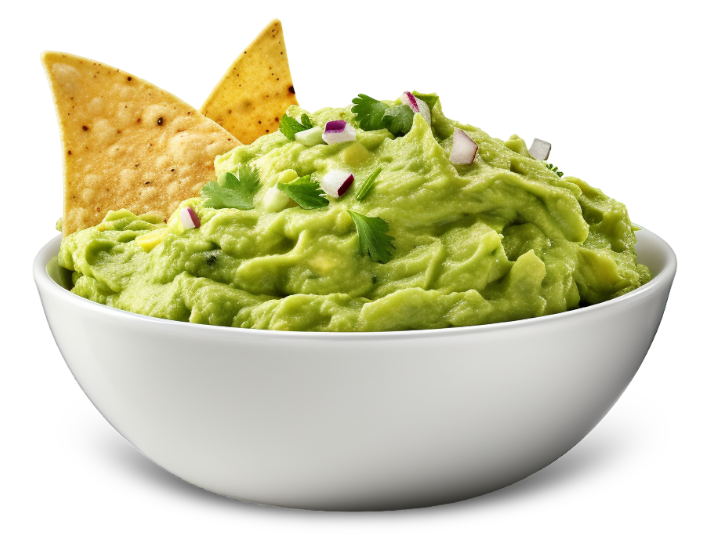
Guacamole
United States flagUnited States·September 16 2026

National Guacamole Day

Celebrate the creamy delight of avocados on September 16, National Guacamole Day in the U.S. This flavorful dip has roots dating back to the 16th century with the Aztecs in Mexico, who called it ”ahuacamolli.“ Spanish conquistadors added their twist with ingredients like onions and cilantro, resulting in the guacamole we know today, which traveled across continents to become a staple in American and Mexican cuisines. Crafting guacamole is a simple yet delicious process. Ripe avocados are mashed with salt and lime or lemon juice to prevent browning. The recipe has evolved to include tomatoes, onions, garlic, cilantro, and spices. Guacamole isn't just tasty; it's nutrient-packed, offering over 20 vitamins and heart-healthy fatty acids. On National Guacamole Day, create your own masterpiece by combining avocados with tomatoes, red onion, garlic, lime juice, and salt. Mash together, adjust seasonings, and enjoy with tortilla chips or as a flavorful addition to dishes. Guacamole's popularity has made it a staple for celebrations like Super Bowl Sunday and Cinco de Mayo. Its versatility extends to being a dip, condiment, salad ingredient, or even spread on toast. The day's origins are somewhat unclear, but it is linked to increased avocado availability in the U.S. post the North American Free Trade Agreement in 1994, showcasing guacamole's irresistible blend of flavors and health benefits.

Read the story
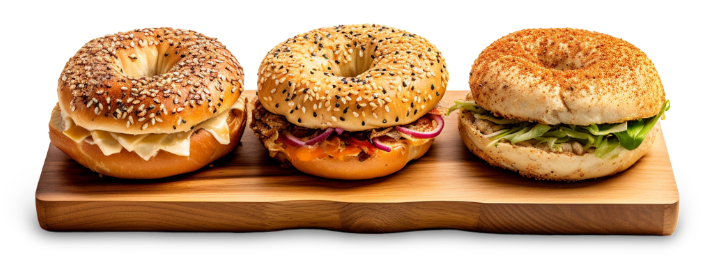
Have a Bagel yay
United States flagUnited States·December 11 2026

National Have a Bagel Day

The bagel, originating in 13th-century Eastern Europe, began as the obwarzanek, a boiled, ring-shaped bread. In Polish (bajgiel) and Yiddish (beygal), Jewish bakers created a unique cultural symbiosis by baking for both Jewish and Christian communities. By the 17th century, bagels were integral to Polish and Slavic diets, associated with childbirth and Jewish mourning rituals. In the 19th century, Polish Jewish immigrants brought bagels to the U.S., notably to New York City, where bagel culture thrived. In 1907, New York bagel bakers formed the International Beigel Bakers Union, engaging in labor strikes to protect bagel making traditions. The bagel's trajectory shifted in the 20th century with Meyer Thompson's bagel-making machine in 1918, later championed by Murray Lender. This innovation enabled mass production, introducing various flavors and pre-sliced, frozen options beyond the classic plain and salt bagels. By the mid-20th century, bagels became a nationwide phenomenon, often paired with lox and cream cheese. However, the bagel's popularity led to the decline of powerful bagel unions and alterations to traditional recipes with the introduction of preservatives. This shift reflected the challenges of preserving culinary heritage amid modernization.

Read the story
Mustard
United States flagUnited States·August 1 2026

National Mustard Day

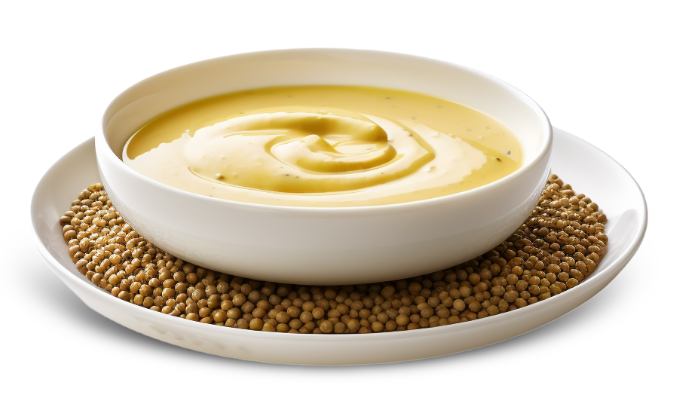
Mustard, derived from the seeds of the mustard plant, boasts a rich history dating back to Ancient Egypt. Initially employed for medicinal purposes, the Greeks and Romans embraced its diverse properties, incorporating it into their cuisine and medicinal practices. Northern France became a significant mustard producer, with the term 'mustard' originating from 'mosto,' a blend of unfermented grape juice and mustard seeds crafted by French monks. Prepared mustard, as we know it today, emerged in 13th-century Dijon, France, when Pope John XXII appointed his nephew as the Grand Mustard-Maker. The 19th century saw the British become the first mustard millers on an industrial scale. In 1904, modern yellow mustard made its debut in Rochester, New York, gaining popularity, especially with the classic American hot dog. The National Mustard Museum, founded by Barry Levenson, showcases over 5,600 mustards from 70+ countries. National Mustard Day, initiated in 1991, is celebrated annually at the National Mustard Museum, featuring games, music, and free mustard sampling. Mustard comes in various flavors, ranging from sweet to spicy, rooted in the diverse types of mustard seeds used, including white, brown, and black mustard. Mustard seeds, whether whole, ground, cracked, or bruised, find application in culinary creations, providing a pungent taste when ground or mixed with liquids.

Read the story
Noodle Ring
United States flagUnited States·December 11 2026

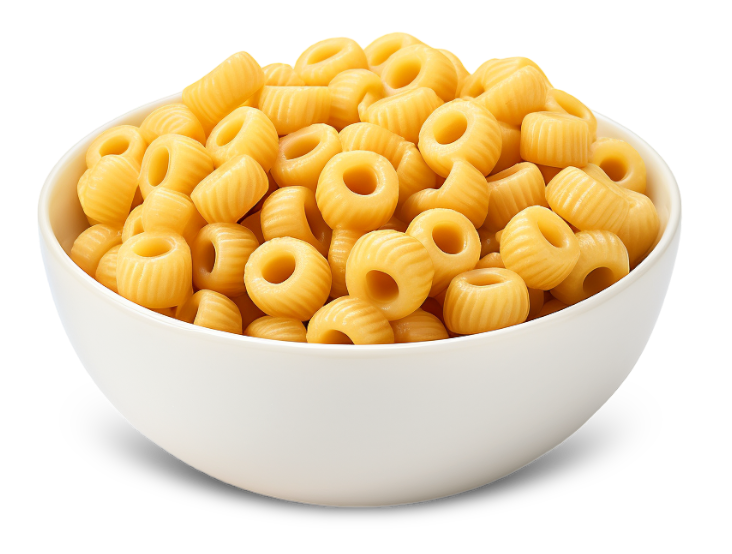
National Noodle Ring Day

National Noodle Ring Day traces its origins to the Middle Ages when cooks experimented with pasta. However, it wasn't until the 1900s that noodle rings gained culinary prominence. The first documented recipe, from a 1936 Pennsylvania Dutch cookbook, featured noodles, flour, milk, egg, and cheese baked in the iconic bundt pan. Concurrently, Noodle Kugel, a dish in Jewish culinary traditions, demonstrated the noodle ring's adaptability. Further evolution occurred with a 1965 Catholic cookbook suggesting noodle rings for Lenten meals, emphasizing their versatility with various fillings. This period solidified the noodle ring's reputation as a flexible and delectable dish for diverse tastes and occasions. By the mid-20th century, noodle rings became synonymous with home-cooked meals and celebrations, adorning dinner tables across cultures. However, the rise of simpler options like mac and cheese led to the noodle ring's gradual decline in popularity, fading from the culinary spotlight.

Read the story
Parfait
United States flagUnited States·November 25 2026

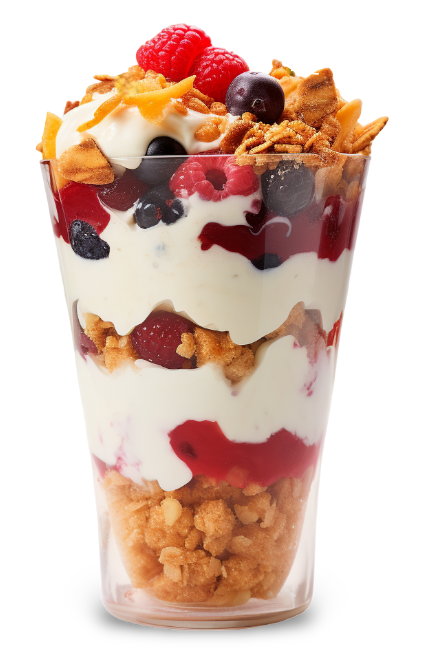
National Parfait Day

The term “parfait,” meaning “perfect” in French, introduces a delightful culinary experience. Originating in France around 1894, the French parfait was a frozen dessert made from cream, eggs, sugar syrup, and sometimes alcohol, featuring a custard-like puree. The first recorded recipe surfaced in a late 19th-century French cookbook, formalizing parfait's introduction to the culinary world. As French cultural influence spread globally, so did the parfait, adapting to various styles. In the United States, the term encompasses both the French-style and American versions. American parfaits are a medley of flavors, featuring layers of parfait cream, ice cream, gelatin, and assorted toppings. The evolution of parfait in the USA went beyond French roots, with regions like the Northern U.S. and Canada incorporating yogurt, granola, fruit, and nuts. National Parfait Day, celebrated on November 25, is an occasion to enjoy and honor the diverse layers of flavor in this beloved frozen treat. Dessert evolution, from medieval sugar scarcity to Middle Ages sugar sculptures, paved the way for parfait's emergence. The Industrial Revolution democratized desserts, making them accessible to the masses. The French parfait stayed true to its origins, while the American version embraced creativity, leading to a dominant force in the dessert scene. National Parfait Day invites appreciation for the rich history and diverse variations of this frozen delight.

Read the story
Pastry
United States flagUnited States·December 9 2026

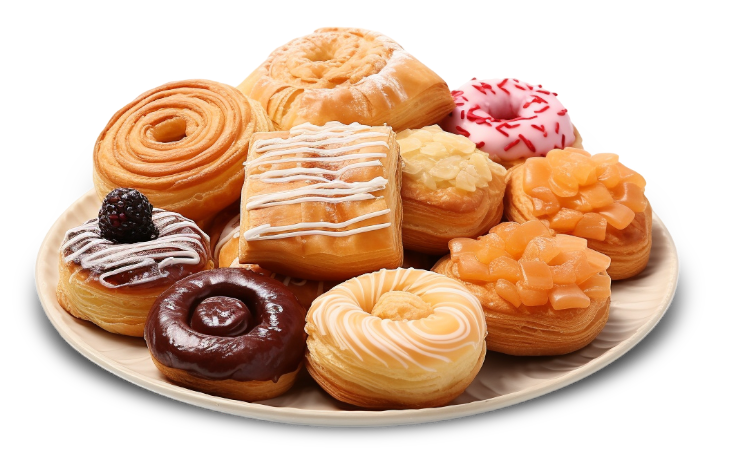
National Pastry Day

National Pastry Day celebrates a rich history dating back to ancient Egypt, where innovative bakers crafted early pastries from wheat, honey, fruits, and nuts on hot stones. Greeks and Romans continued the tradition, creating sweet and savory pies in the 5th century BC. Medieval Europe elevated pastries to symbols of wealth, incorporating exotic spices introduced by Crusaders. The 17th century introduced delicate, flaky pastries, with the legendary Viennese croissant celebrating the defeat of the Ottoman Empire. In the 19th century, French pastry chefs like Antonin Carême became pioneers, creating iconic pastries such as éclairs and mille-feuille. Pastry evolution embraced regional flavors globally. In South America, empanadas gained popularity, while the Middle East contributed baklava. Asia introduced unique pastries like China's sweet bean paste-filled treats and Japan's mochi and manjū. National Pastry Day celebrates this culinary journey, recognizing pastries' cultural significance and the diverse, delicious creations that have delighted taste buds for centuries.

Read the story
Peanut Butter and Chocolate
United States flagUnited States·July 23 2026

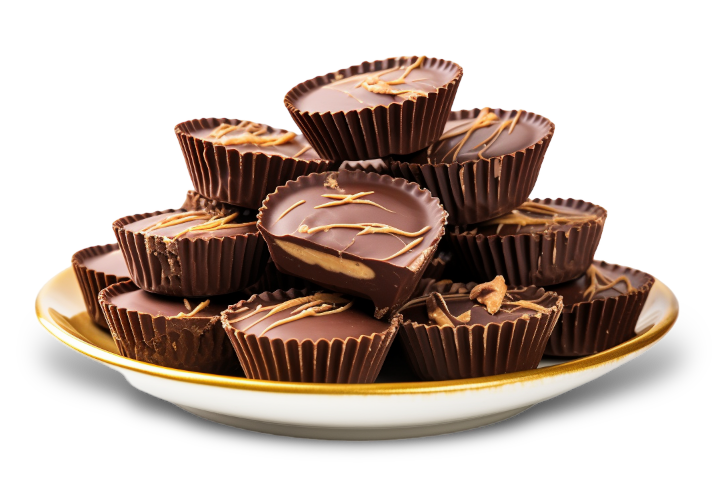
National Peanut Butter and Chocolate Day

Peanut Butter and Chocolate Day celebrates the delectable union of peanut butter and chocolate, two ingredients with rich histories. Peanut butter's roots extend to the Aztecs, initially used as a remedy for toothaches, while chocolate was considered a royal drink and sacred offering. Although the exact moment of their first meeting is unclear, the combination has become iconic and beloved by sweet enthusiasts. The magic of Peanut Butter and Chocolate Day lies in celebrating the pairing of a humble legume, ground into a creamy paste, and a tree nut with grand aspirations. The true enchantment began when they merged, leading to countless variations of this delightful duo that have never disappointed culinary enthusiasts. Reese's Peanut Butter Cups played a significant role in popularizing this combination. Crafted by dairyman Harry Reese on a farm owned by chocolate mogul Milton Hershey, these cups became iconic, eventually leading to the founding of the H.B. Reese Candy Co. and its later acquisition by Hershey for $23.5 million. Today, Reese's Peanut Butter Cups rank as the second-best-selling candy product globally, showcasing the enduring popularity of this classic treat. The irresistible appeal of chocolate and peanut butter is attributed to “dynamic sensory contrast” by food scientist Gregory Ziegler. The contrast between the smooth, melt-in-your-mouth quality of chocolate and the satisfying crunch of peanuts creates a delightful sensation, often referred to as the “ice cream effect.” This dynamic duo's changing textures captivate taste buds, making it a timeless and beloved pairing enjoyed even after a hearty meal.

Read the story
Peanut Butter and Jelly
United States flagUnited States·April 2 2026

National Peanut Butter and Jelly Day

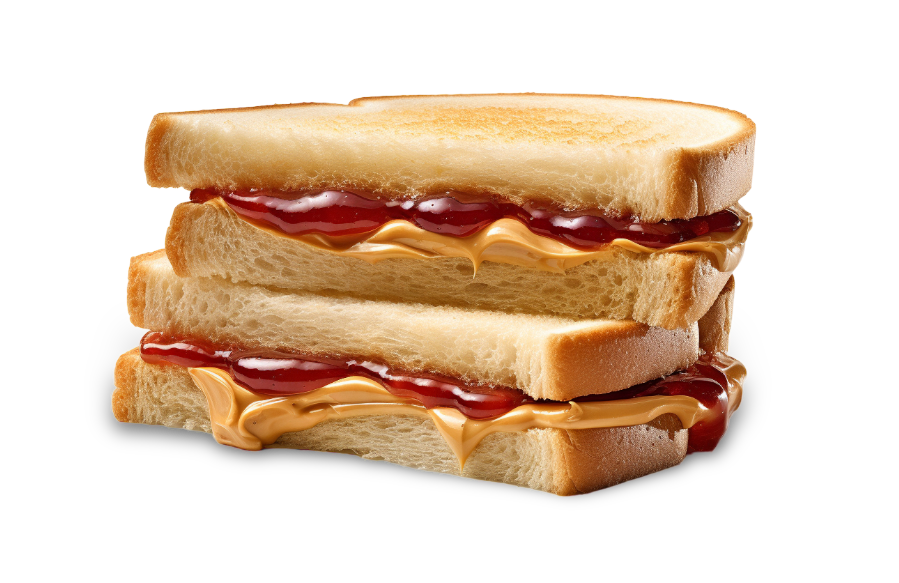
Julia Davis Chandler is credited with creating what we now know as the peanut butter and jelly sandwich in 1901. Chandler's recipe has been published in the Boston Cooking School Magazine of Culinary Science and Domestic Economics. The recipe called for three layers of bread, one layer of peanut butter, and one of currant jelly. Peanut butter was introduced at the Chicago World's Fair in 1883 and was originally considered to be a delicacy for the upper classes. It was sold in New York City's finest tea rooms and paired with savory foods like cheese, saltines, celery, and watercress. It wasn't until 1896 that a recipe in Good Housekeeping magazine urged people to try spreading peanut butter on bread. As the production of peanut butter increased, the prices dropped, making it more accessible to all classes. In the 1920s, the invention of sliced bread revolutionized not only the world but also American children's school lunches and snacks, enabling them to easily make their sandwiches, with PB&J being the top choice. In fact, peanut butter and jelly sandwiches are so loved in the United States that they have been a part of the US Army's military ration list since World War II.

Read the story
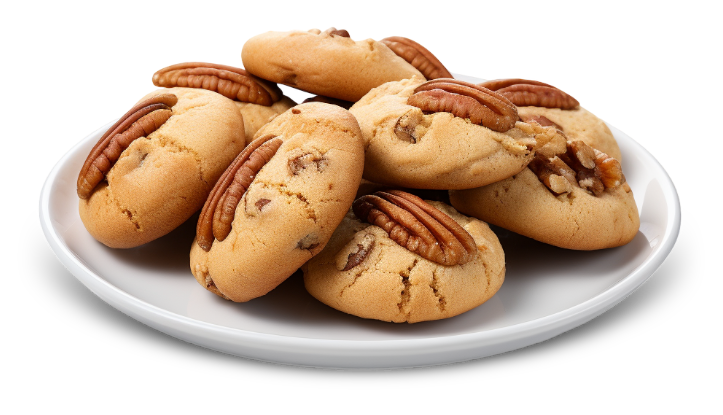
Pecan Cookie
United States flagUnited States·September 21 2026

National Pecan Cookie Day

National Queso Day, celebrated annually on September 20th, honors the rich history of a dish that originated in the Mexican state of Chihuahua and later became a staple in Tex-Mex and Southwestern cuisine. The journey of queso began with the Aztecs, who crafted an early version of ”chihuahua cheese.“ Spanish conquistadors introduced new cheese-making techniques, leading to the birth of melted cheese dishes that would later evolve into queso. The exact origins of queso are debated, with some crediting Otis Farnsworth in 1900 and others pointing to Martinez Café in 1918 for its introduction to Tex-Mex. Regardless, National Queso Day invites enthusiasts to savor the simple pleasures of Chile con Queso—a delectable blend of cheeses, cream, and jalapeño peppers, often enjoyed with tortilla chips or tortillas. The social and sharing aspect of queso, often served in communal bowls, has made it a popular choice for gatherings. Tex-Mex restaurants have elevated queso by offering variations with black beans, ground pork or beef, guacamole, and pico de gallo. While its exact roots may be debated, queso's undeniable deliciousness has solidified its place in American cuisine, with Velveeta's invention in 1918 and features in cookbooks. From Tex-Mex eateries to fast-food chains like Chipotle and Wendy's, the love for queso continues to grow, making it a beloved and versatile dish enjoyed across the United States.

Read the story
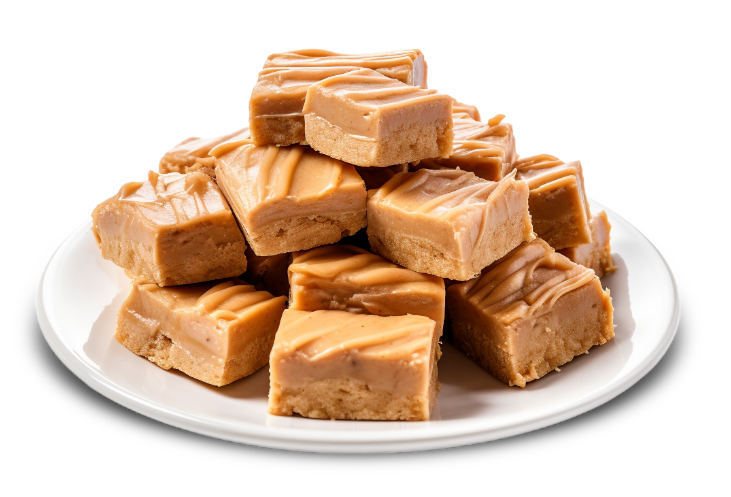
Penuche Fudge
United States flagUnited States·July 22 2026

National Penuche Fudge Day

Penuche, pronounced pe-new-chee or even panucci in Italian, is a type of fudge that sets itself apart with its unique blend of ingredients, including brown sugar, butter, milk, and a hint of vanilla. What truly distinguishes penuche fudge is its delightful lighter color, attributed to the caramelization of brown sugar. This confection is not only cherished in New England, where it likely originated, but also holds a place in the hearts of some Southern regions, where it's affectionately known as brown sugar fudge candy. The journey of penuche fudge extends beyond the mainland United States, making its way to Hawaii under the names 'panocha' or 'panuche.' In Quebec, a similar delicacy known as 'sucre à la crème' graces tables during the winter holiday season. What sets penuche apart from traditional fudge is its commitment to maintaining the purity of flavor; it is never infused with chocolate or other overpowering additions. Instead, its character is defined by the rich, caramel-like taste of brown sugar, which is the secret to its unique flavor. While nuts, particularly pecans, may be included to enhance the texture, they don't dominate the flavor profile.

Read the story
Peppermint Patty
United States flagUnited States·February 11 2026

National Peppermint Patty Day

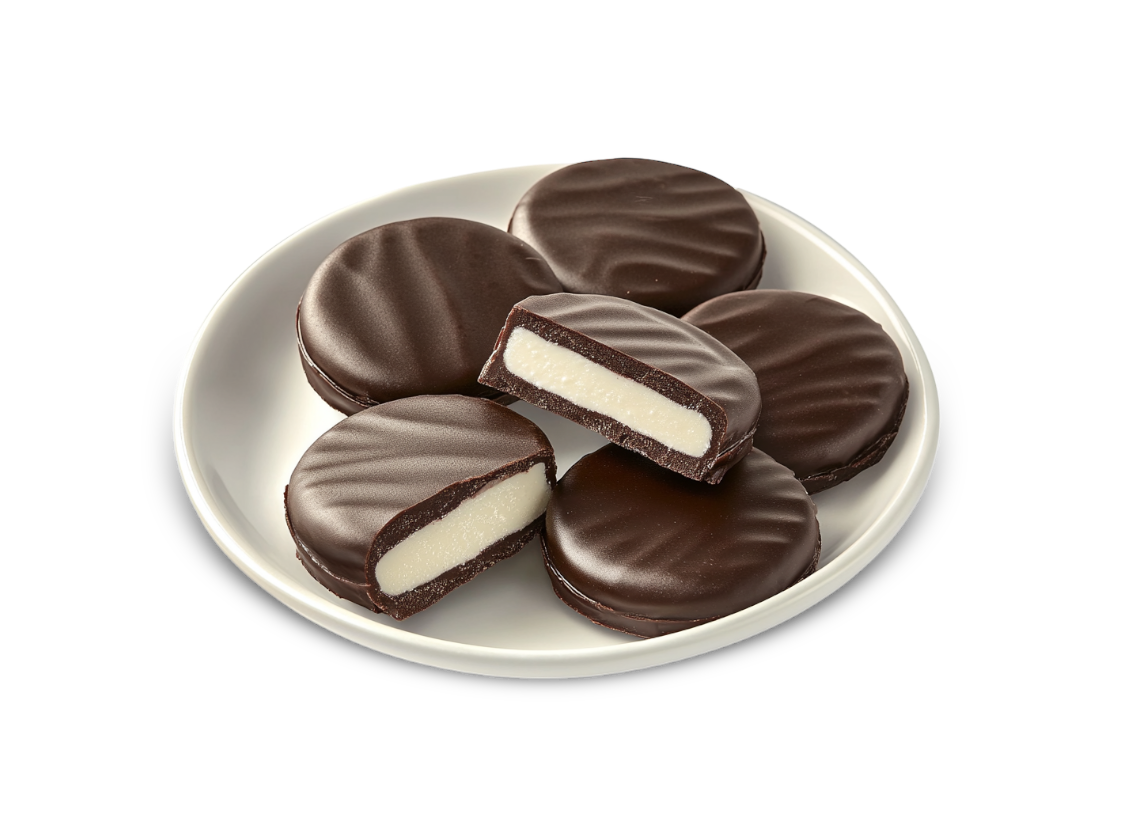
The peppermint patty’s story begins in 1840 on the Isle of Man, where the Quiggin family crafted mint cakes. By 1880, the Kendal Mint Cake Company carried on the tradition, delighting palates with fresh, minty confections. Fast-forward to the early 1900s, and peppermint patties were making waves in the U.S., crafted by regional confectioners like Idaho Candy Company and Trudeau Candies. But it was a small company in York, Pennsylvania, that changed the game. In 1940, the York Cone Company introduced the York Peppermint Pattie, known for its firm snap and perfectly balanced flavors. Unlike its softer predecessors, the York patty had a crisp, clean break—a hallmark so essential that patties failing the “snap test” never hit store shelves. By 1975, York’s treat went national, thanks to its acquisition by Peter Paul (of Almond Joy fame) and a move to Reading, Pennsylvania. Today, under Hershey’s ownership, the patty remains a beloved classic.

Read the story
Pickle
United States flagUnited States·November 14 2026

National Pickle Day

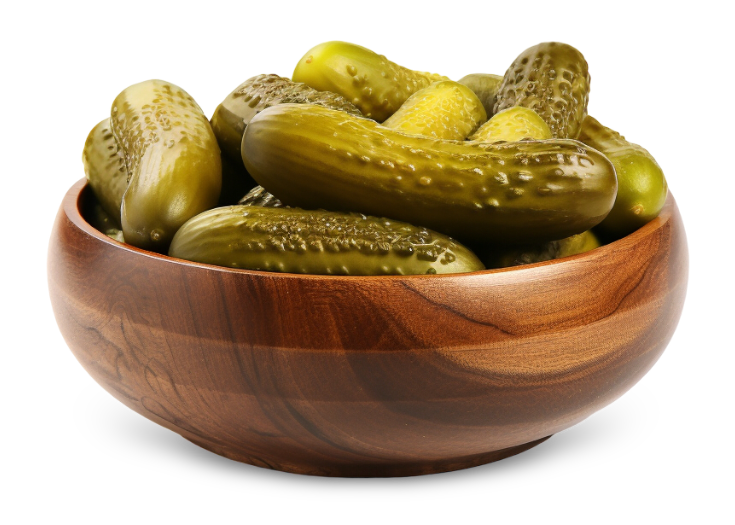
National Pickle Day, celebrated on November 14th, honors the ancient art of pickling, a preservation method dating back over 4,000 years. Originating from the Tigris River valley civilizations, pickling gained prominence with historical figures like Cleopatra and Julius Caesar endorsing its nutritional benefits. Christopher Columbus brought pickles to North America in 1492, recognizing their ability to prevent scurvy during sea voyages. The term “pickle” stems from the Dutch word “pekel,” emphasizing the role of brine in pickling. Dutch settlers in 17th-century New York laid the foundation for kosher dill pickles, a staple in Eastern European Jewish cuisine. National Pickle Day, possibly rooted in the Pickle Packers Association around 70 years ago, encourages enthusiasts to savor this brine-soaked treat. The history of pickles reveals their presence in ancient Mesopotamia, Cleopatra's beauty regimen, and Columbus's nautical voyages. The medieval era introduced dill, and the 17th century marked New York's pickle industry beginnings. The 20th century saw the global expansion of pickle varieties beyond cucumbers, including diverse vegetables and fruits. Pickles reflect regional preferences, cultural influences, and creative experimentation, with types like Dill, Sweet, Bread-and-butter, Kosher Dill, Gherkins, Kimchi, Gari, and Achar. Modern variations like Pickle Chips, Pickle Popsicles, and Koolickles showcase pickles' enduring adaptability. Companies like SuckerPunch continue to redefine the pickle landscape, bridging ancient traditions with contemporary culinary delights. National Pickle Day invites celebration and exploration of the diverse, versatile, and time-tested world of pickles.

Read the story
Pistachio
United States flagUnited States·February 26 2026

National Pistachio Day

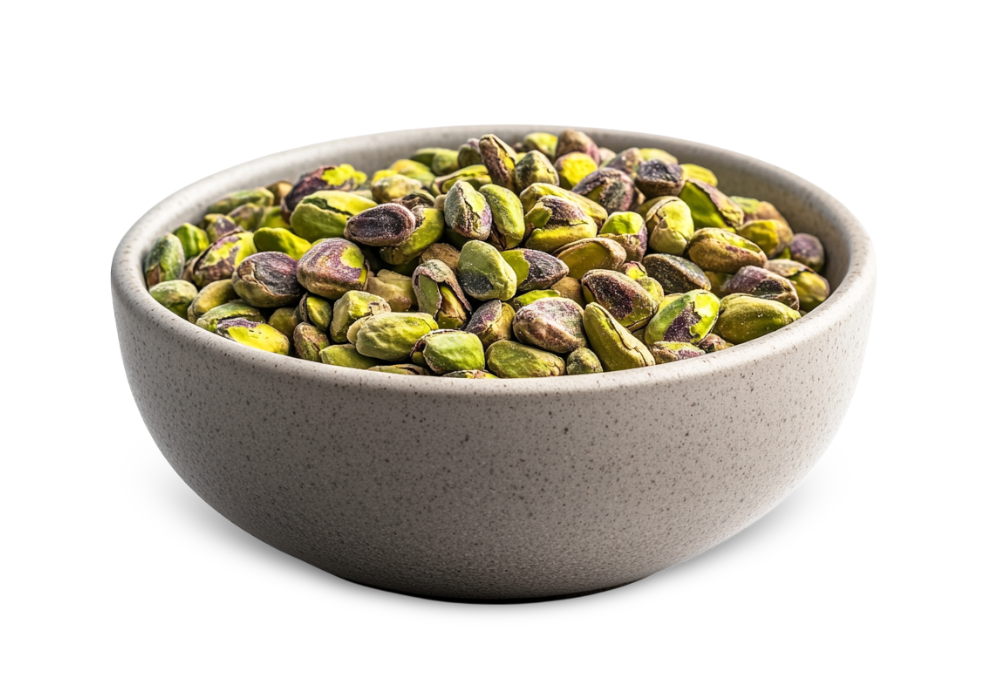
Pistachios have a rich history, believed to be one of the oldest cultivated nuts, dating back over 9,000 years! These nuts were grown in the famed Hanging Gardens of Babylon around 700 BC and are one of the only two nuts mentioned in the Old Testament, with references from around 500 BC. In ancient times, pistachios were so highly valued that the Queen of Sheba allegedly forbade commoners from growing them, saving them exclusively for royalty. By the 1st century AD, the Romans introduced them to Europe, and by the 1800s, they arrived in the U.S., thanks to immigrants with Middle Eastern roots. For a time, pistachios were dyed red to hide imperfections, leading to red-stained fingers. By the 1980s, the dye was dropped, and pistachios began being sold in their natural, green hue. Pistachios are not just a snack—they’re used in desserts like baklava, ice cream, and Watergate salad. Packed with antioxidants, fiber, and healthy fats, they’re also linked to better heart health, improved digestion, and blood sugar regulation.

Read the story
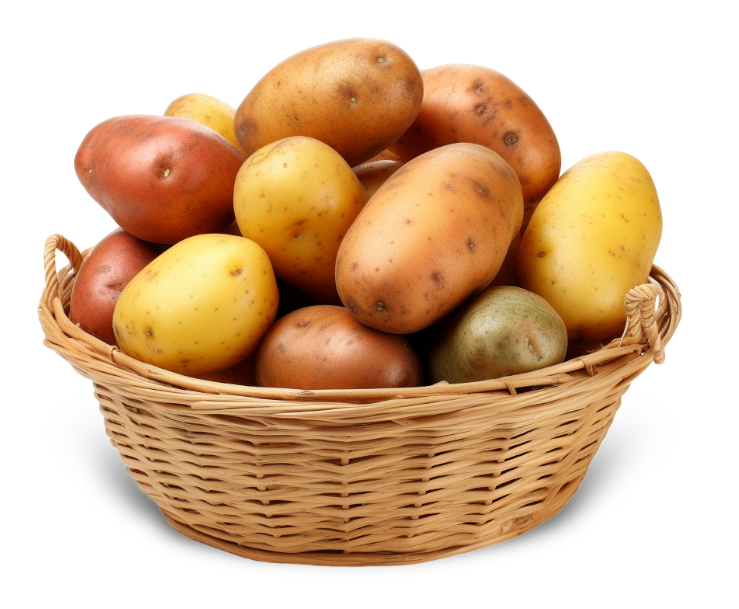
Potato
United States flagUnited States·August 19 2026

National Potato Day

The story of the potato begins in the Andes mountains of South America, where wild potatoes have grown for thousands of years. The Incas in Peru were the first to cultivate these small, narrow tubers around 400 BCE, using them not only as food but also to measure time, with the cooking of a potato marking the passage of hours. In the 16th century, Spanish conquistadors, in their quest for riches, stumbled upon these peculiar tubers and brought them back to Europe. However, the potato was met with suspicion due to its resemblance to poisonous nightshade plants. It was primarily used as animal feed and food for the poor. The turning point for the potato in Europe came when Frederick the Great of Prussia decided to grow them in a heavily guarded royal field to generate intrigue and encourage theft by the people. This clever strategy led to the widespread adoption of the potato. In France, the fashion-forward King Louis XVI and Marie Antoinette popularized the potato by wearing its blossoms as accessories, helping change perceptions of this versatile vegetable. Meanwhile, in the United States, it was Thomas Jefferson who introduced potatoes at a White House dinner, further boosting their popularity, especially among Irish immigrants. The potato's journey continued, and it eventually became one of the most important crops in the world, ranking alongside rice, wheat, and maize. Potatoes are easy to grow, require fewer resources, and offer exceptional nutritional value, making them a valuable food source.

Read the story
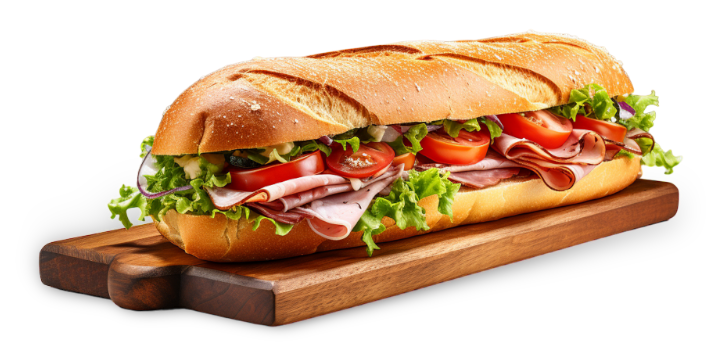
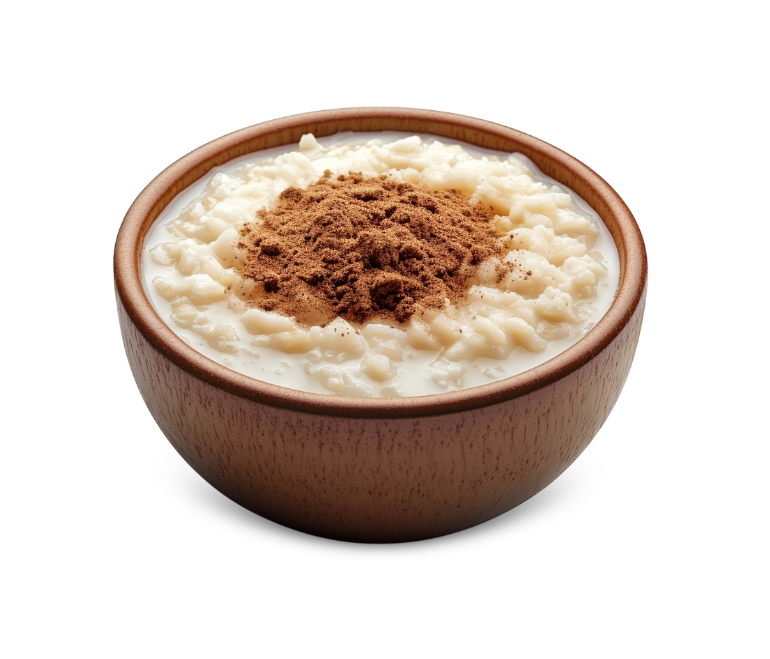
Rice Pudding
United States flagUnited States·August 9 2026

National Rice Pudding Day

Rice pudding is commonly enjoyed as a sweet dessert, but early versions were actually savory. Many believe rice pudding originated in ancient China or India, where rice and sugar played key roles in religious and cultural traditions. In India, a version called kheer was recorded as early as 6000 B.C., though it originally used sorghum instead of rice. Meanwhile, Middle Eastern and European rice puddings emerged in the 1300s, when rice was a luxury imported from Asia. Before the 1500s, European rice pudding was savory, cooked with broth, saffron, and almond milk. Sugar was later added, transforming it into the sweet dish we know today. By the 18th century, rice became more affordable, making rice pudding accessible to all. Rice pudding takes many forms worldwide. Spain’s arroz con leche features cinnamon and lemon zest, while Iran’s firni blends pistachios and cardamom. In the U.S., it’s often made with milk, sugar, cinnamon, and raisins.

Read the story
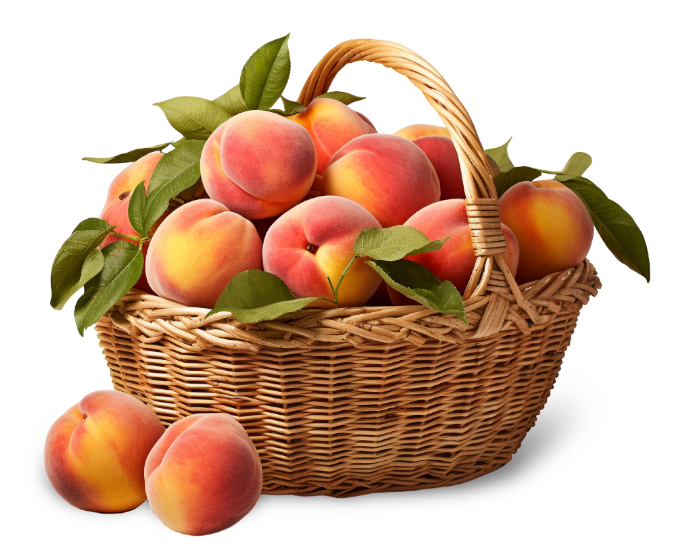
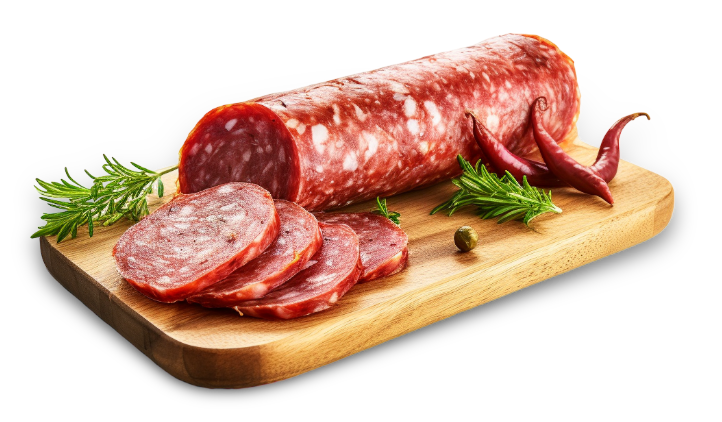
Salami
United States flagUnited States·September 7 2026

National Salami Day

Salami, a cured sausage typically made from fermented and air-dried pork or beef, is celebrated on National Salami Day, initiated by the Salami Appreciation Society in 2006. The name ”salami“ originates from the Italian word ”sale,“ meaning salt, underlining its preservation with salt. While salami can be crafted from various meats, pork and beef, or a combination of both, are the most common choices. The history of salami traces back to ancient Rome, known as ”salsamentum,“ when it served as a crucial method for preserving meat without refrigeration. The sausage gained popularity among Southern European peasants. Europe, especially Germany, Italy, and France, is a major producer and consumer of salami, with hundreds of millions of pounds produced annually. National Salami Day highlights the rich tradition and global influence of this savory treat. Salami varieties abound, including Genoa salami aged with red wine, peppercorns, and garlic, and Hard Salami, which undergoes drying and smoking. Italy alone boasts over 300 types of salami, such as Brianza, Varzi, Milano, and Finocchiona, each offering a unique taste and texture. Versatile and beloved, salami is a key ingredient in sandwiches, pizza, antipasto plates, and more. National Salami Day celebrates not only the history and tradition of salami but also the endless variations and flavors that make it a culinary favorite worldwide.

Read the story
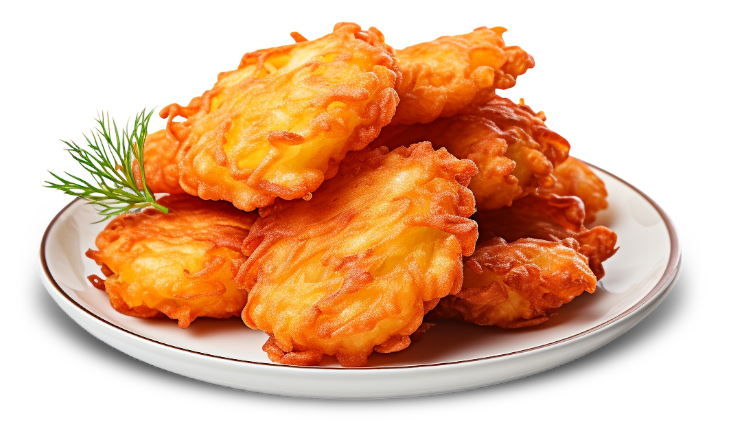
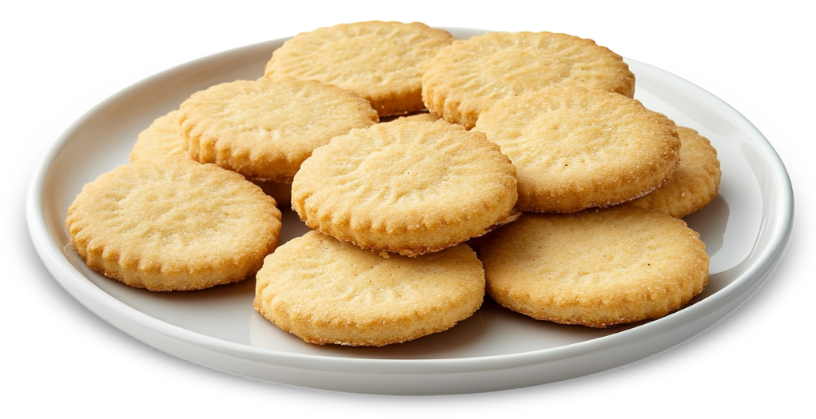
Shortbread
United States flagUnited States·January 6 2026

National Shortbread Day

Did you know shortbread was once a luxurious treat reserved for special occasions like Christmas, Hogmanay, and even weddings? Shortbread’s story begins in medieval Scotland, where it evolved from “biscuit bread,” a twice-baked rusk made from leftover dough. By the 16th century, it gained prominence thanks to Mary, Queen of Scots, who refined the recipe and popularized the triangular “petticoat tails” design. The name may come from the French petites gatelles (“little cakes”) or the fabric patterns of Elizabethan petticoats—either way, it’s a royal legacy that stuck. The earliest known printed recipe for shortbread was published in 1736 by a Scotswoman named Mrs. McLintock. Her version highlighted the biscuit’s hallmark simplicity: butter, flour, and sugar, without any leavening agents. This lack of yeast or baking soda gave shortbread its unique, crumbly texture, a result of the high-fat content that “shortens” the dough. Shortbread became a staple of Scottish festivities, from the ancient Yule Cakes symbolizing the sun to the Hogmanay tradition of breaking a shortbread cake over a bride’s head for good luck. By the 18th century, it was a point of national pride, with Scotland firmly establishing itself as the home of this iconic biscuit. Classic shortbread features three iconic shapes: the circle (divided into “petticoat tails”), thick rectangular fingers, and individual rounds. Over time, bakers experimented with additional ingredients like rice flour for a grittier texture, caraway seeds for spice, or even demerara sugar for added sweetness. The modern Millionaire’s Shortbread, topped with caramel and chocolate, adds a decadent twist to the original recipe.

Read the story
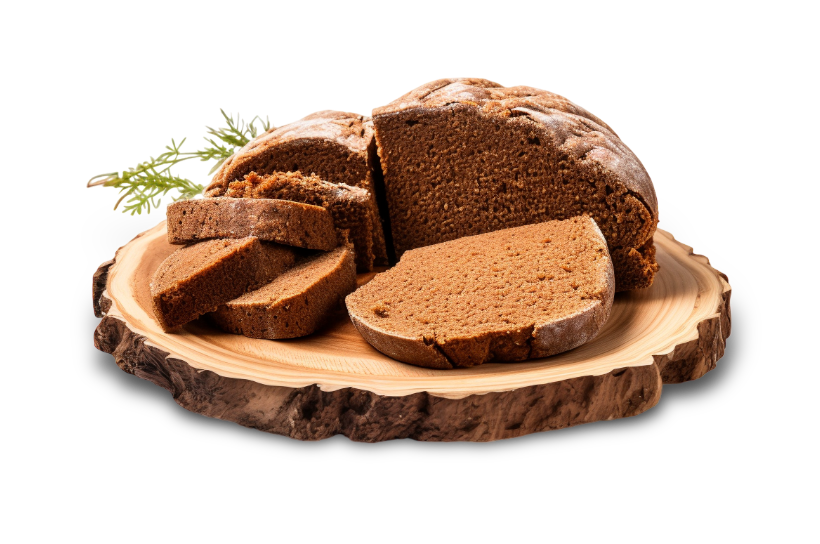
Sloppy Joe
United States flagUnited States·March 18 2026

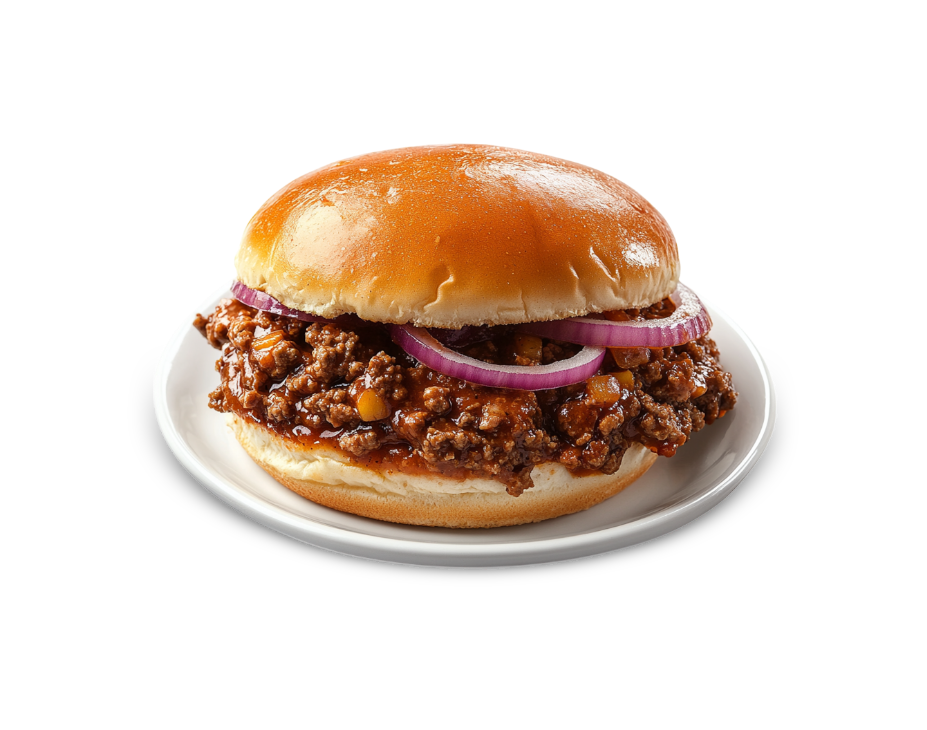
National Sloppy Joe Day

Sloppy Joe's first gained traction in the 1930s, likely due to ground beef being an affordable and accessible staple. But where did it originate? There are different theories. One tale traces it to Sioux City, Iowa, where a café cook named Joe added tomato sauce to a loose meat sandwich. Another credits Key West, Florida, where a bar called Sloppy Joe’s, established just after Prohibition, may have adapted the recipe. And then there’s Havana, Cuba, where a bartender named Joe (with a famously untidy bar) allegedly inspired the name and possibly the sandwich itself. Regardless of its beginnings, the Sloppy Joe has evolved over time. Originally a simple mix of ground beef and tomato sauce, modern variations include green peppers, onions, and even cheese. By the 1940s, the sandwich had made its way into pop culture, appearing in classics like Citizen Kane and It’s a Wonderful Life. Today, Sloppy Joes are an American classic, celebrated for their simplicity and satisfying messiness.

Read the story
Smoothie
United States flagUnited States·June 21 2026

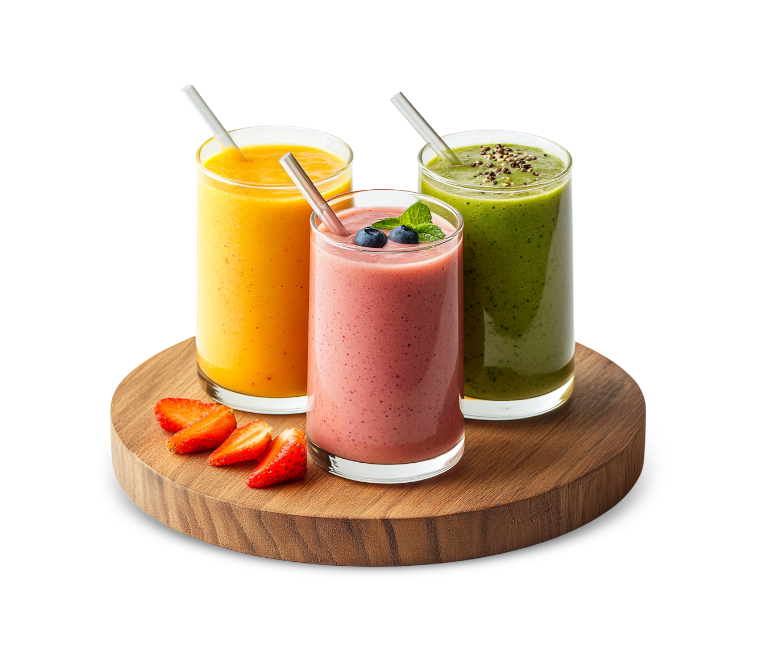
National Smoothie Day

Smoothies have been around for centuries, with early versions dating back to the Mayans and Aztecs, who blended fruits with water and spices. However, the modern smoothie emerged with the invention of the blender and home refrigeration in the early 20th century. In the 1920s, Julius Freed created a frothy orange juice blend, leading to the famous "Orange Julius." Around the same time, blended fruit drinks became popular in the U.S., inspired by South American pureed fruit drinks. The 1930s saw the introduction of yogurt into smoothies, making them creamier and packed with probiotics. By the 1960s, health food stores and juice bars were selling smoothies, fueled by the macrobiotic and health food movements. Jack Lalanne, an early fitness advocate, promoted juicing and healthy eating, contributing to the smoothie trend. The 1970s brought the term "smoothie," popularized by Steven Kuhnau, a lactose-intolerant teenager who opened "Smoothie King." The 1980s saw smoothies go mainstream as fast-food chains added them to menus. By the 2000s, superfoods like kale, chia seeds, and spirulina made smoothies a trendy health drink. The 2003 release of the "Magic Bullet" made home blending even easier. Today, smoothies are a staple for health-conscious individuals, enjoyed in countless variations from fruit blends to protein-packed post-workout drinks.

Read the story
Taffy
United States flagUnited States·May 23 2026

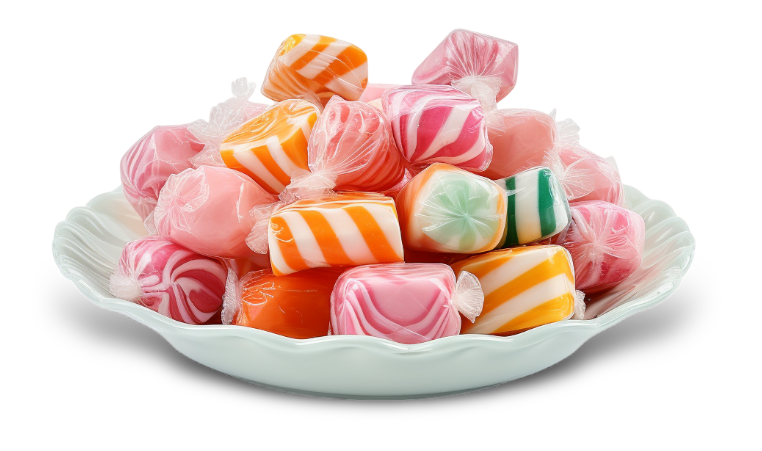
National Taffy Day

Taffy is a blend of boiled sugar, butter, oil, and secret ingredients. This alchemical process transforms the mixture into a fluffy, light, and irresistibly sweet candy, s howcasing vibrant hues that entice both children and adults, creating a timeless allure passed down through generations. The history of taffy dates back to 1817 in the United States, with the term referring to boiled candy. Rising to popularity in the mid-1800s, taffy captivated sweet enthusiasts with its chewable texture. The candy-making process involved boiling the mixture in copper kettles over an open fire, and the tradition of the taffy pull emerged in the 1840s, turning candy-making into a shared experience. In 2005, Laffy Taffy introduced a novel variety shaped like a long cord, marking an exciting evolution in taffy. Modern technology has revolutionized production, allowing the crafting of nearly 1000 pieces in a minute. Notably, Atlantic City's Salt Water Taffy, despite its name, contains no seawater, and its history, shaped by Joseph Fralinger and Enoch James, endures on the boardwalk. Attributed to David Bradley, the invention of taffy, specifically saltwater taffy, has a fascinating origin involving a storm covering Bradley's shop with saltwater, leading to the accidental creation of this beloved treat. Taffy's enduring popularity stems from its soft and chewy texture, diverse flavors, and visually appealing presentation, making it a staple in households and candy stores across the United States.

Read the story
Zucchini Bread
United States flagUnited States·April 25 2026

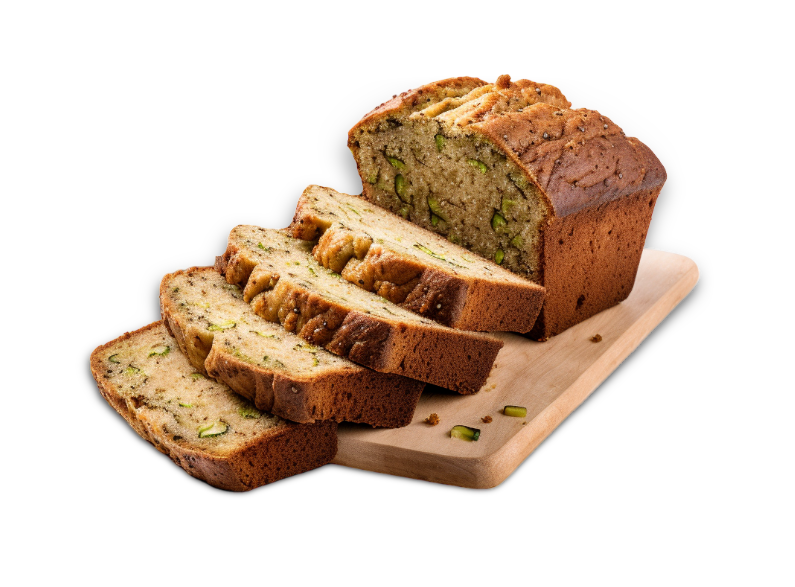
National Zucchini Bread Day

The zucchini is believed to have been introduced to the Americas by explorers. Its Italian name, ”Zucchino,“ was derived in Italy from ”Zucca,“ meaning squash. In the 19th century, it reached Milan, Italy, and later returned to North America with Italian immigrants in the 1920s. However, the zucchini's presence in Mexico dates back thousands of years before its Italian debut, playing a vital role in Mexican cuisine as one-third of the ”three sisters“ alongside beans and corn. The story of zucchini bread adds to its fascinating journey, originating in the 19th century during a period of culinary innovation. The batter is baked into loaves and enjoyed with various toppings or as a snack. National Zucchini Bread Day in April encourages baking and sharing this delightful creation, offering a variety of recipes like chocolate chip, cinnamon, and lemon zucchini bread. Zucchini's adaptability shines in various cooking methods, from grilling to stir-frying, making it a healthy and delicious option. Nutritionally, zucchini is fiber-rich, low in carbs, and packed with vitamins, antioxidants, and minerals beneficial for health. National Zucchini Bread Day not only celebrates this versatile vegetable but also highlights its nutritional benefits, with the bonus historical note that even President George Washington had a fondness for zucchinis, enjoying growing them himself.
Read the story