
Food Holidays
TodayCalendarExploreCountries
Language: English
  • English
  • Español
  • Français
  • Nederlands
  • עברית
  • Türkçe
  • العربية
Download on the App Store
Food Holidays

The live catalog of food holidays and national food days. Browse every holiday here — then keep it on your Home Screen with the iOS and Vision Pro app.

Download on the App Store

Explore

  • Today
  • Calendar
  • Explore
  • Countries
  • Get the app
  • Contact

The studio

Fill Studio · Amsterdam

Food Holidays is made in Amsterdam by Fill Studio.

support@foodholidays.app

  • Privacy Policy
  • Terms of Use

Write to us

Name, email, and a note — we read every one.

© 2026 Fill Studio · Amsterdam

Language

  • English
  • Español
  • Français
  • Nederlands
  • עברית
  • Türkçe
  • العربية

Explore

Find a food day

The search is fully open. No account. Type a food, pick a category, or just wander.

Ice Cream for Breakfast
United States flagUnited States·February 3 2026

Ice Cream for Breakfast Day

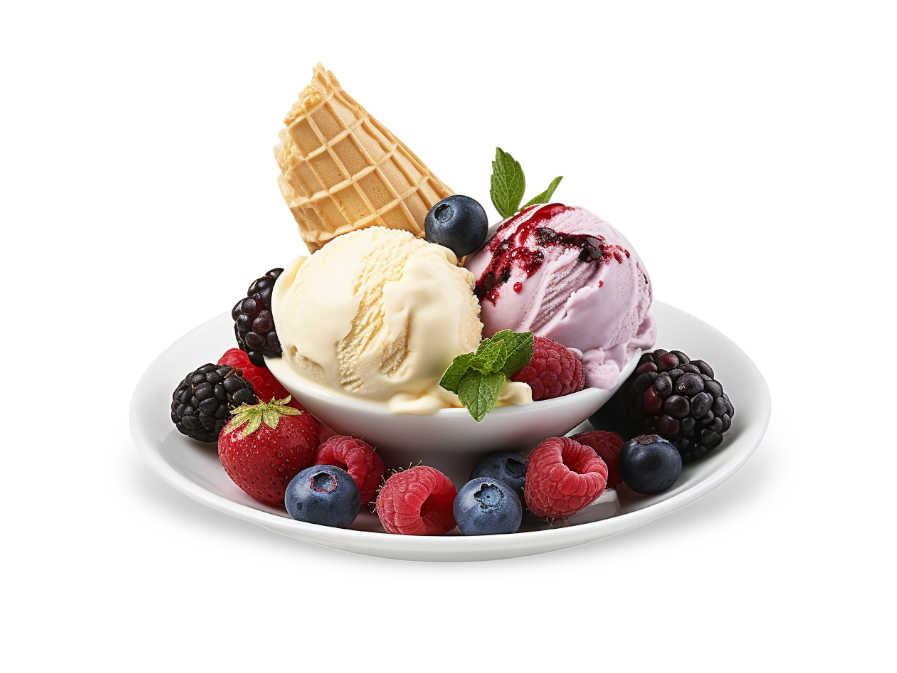
This tradition, born in snowy Rochester, New York in the 1960s, was the brainchild of Florence Rappaport, a mother of six looking to ward off cabin fever. As her youngest duo, Ruth (now Kristal) and Joe Rappaport, shivered and complained about the icy chill, Florence had a whimsical idea: “Let's have ice cream for breakfast!” The following year, her children eagerly reminded her, and the sweet tradition was born. Over the years, this frosty festivity spread far and wide, thanks to Florence's globe-trotting grandchildren. Today, Ice Cream for Breakfast Day is celebrated from New York to Namibia, with festivities ranging from cozy family gatherings to lively parties. Even Cosmopolitan and local publications have sung its praises. This day can add a sprinkle of joy to winter so dive into a scoop of chocolate, or vanilla, or get creative with flavors like bacon or avocado ice cream. Top it with fresh fruit or a dash of your favorite cereal for a crunchy twist. And if you're feeling adventurous, try cinnamon toast or coffee ice cream.

Read the story
Apple Dumpling
United States flagUnited States·September 17 2026

National Apple Dumpling Day

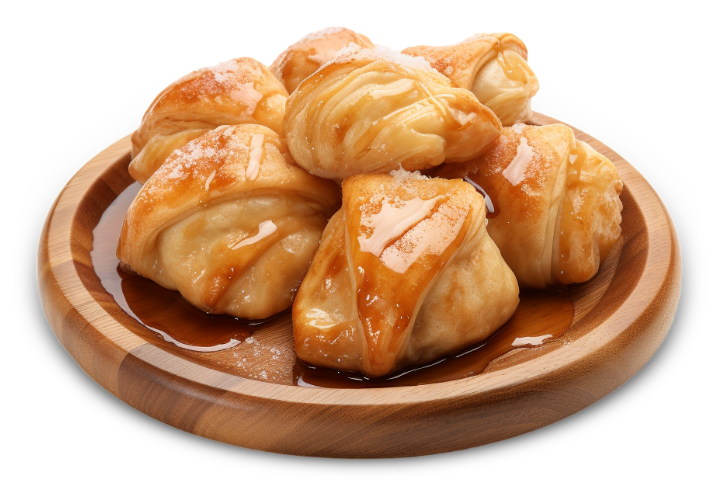
National Apple Dumpling Day on September 17th is a delightful celebration dedicated to one of America's most beloved desserts. Originating in the northeastern United States, particularly around Pennsylvania, this delectable pastry has a rich history dating back to the 17th century. Imagine biting into a warm, golden-brown apple dumpling, its aroma filling your kitchen with the essence of fall. The dish consists of apples wrapped in pastry, often flavored with cinnamon and occasionally studded with raisins. Popularized by the Amish, apple dumplings have become a cultural staple enjoyed by all social classes. To commemorate National Apple Dumpling Day, consider trying your hand at crafting this timeless treat. A simple recipe involves combining flour, salt, and shortening to create a crumbly dough. Wrap Granny Smith apples in portions of the dough, filling them with a delightful mixture of cinnamon, sugar, and butter. Seal the dumplings and bake until tender, creating a mouthwatering dessert that pairs perfectly with vanilla ice cream or a sweet sauce. The history of National Apple Dumpling Day is somewhat mysterious, but the origins of the dish itself can be traced back to England, Bavaria, and Austria. Originally boiled and steamed, the word ”dumpling“ comes from the German term ”dampf,“ meaning steam. Over time, the dish evolved into a baked delight, with spiced Granny Smith apples becoming a key ingredient.

Read the story
Apple Pie
United States flagUnited States·May 13 2026

National Apple Pie Day

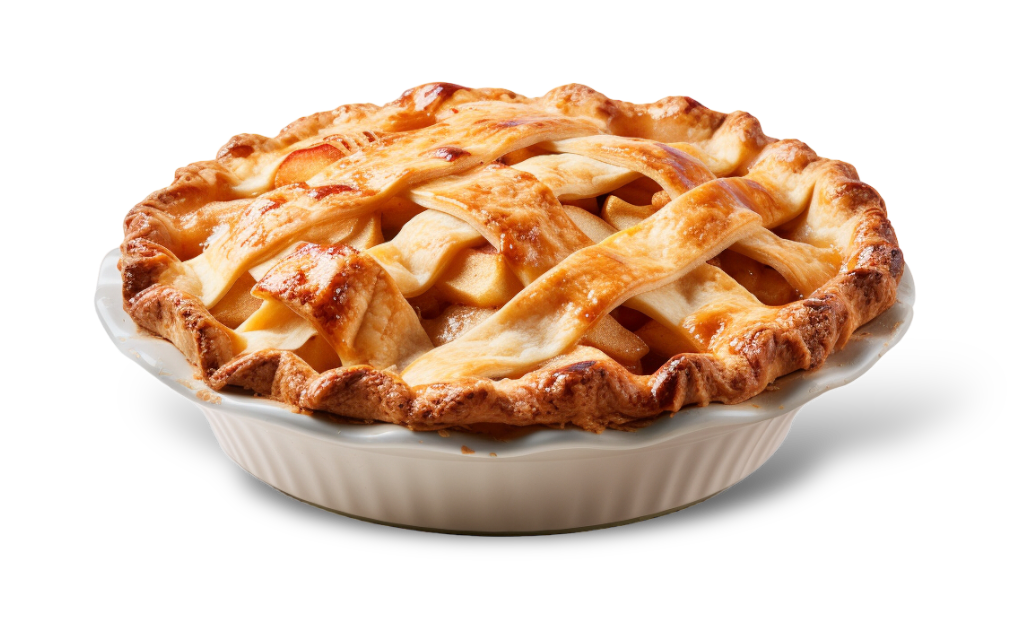
Apple pie is often seen as the ultimate American dessert. There are even two National Apple Pie Days each year! And let’s not forget the phrase “as American as apple pie.” But here’s the twist, apple pie didn’t originate in the U.S., nor did apples. Apples came from Asia, brought to the Americas by European settlers. Before that, only crab apples grew in North America. The first apples were used mainly for cider, but by the early 1800s, pie-friendly apples were being grown, coinciding with Johnny Appleseed’s legendary travels. The phrase “as American as apple pie” first appeared in 1924, but its connection to patriotism was cemented during World War II. Soldiers famously said they were fighting for “mom and apple pie,” reinforcing its status as an American icon. The earliest known apple pie recipe was printed in England in 1381, featuring apples, spices, and even saffron. Dutch apple pies, with their signature lattice crust, date back to 1514. France, Germany, and Italy had their own versions long before American colonies existed. Though not originally American, apple pie became a national symbol through nostalgia, marketing, and wartime sentiment. Today, whether homemade or store-bought, apple pie remains a beloved tradition, served hot, cold, and always with a side of history.

Read the story
Applesauce Cake
United States flagUnited States·June 6 2026

National Applesauce Cake Day

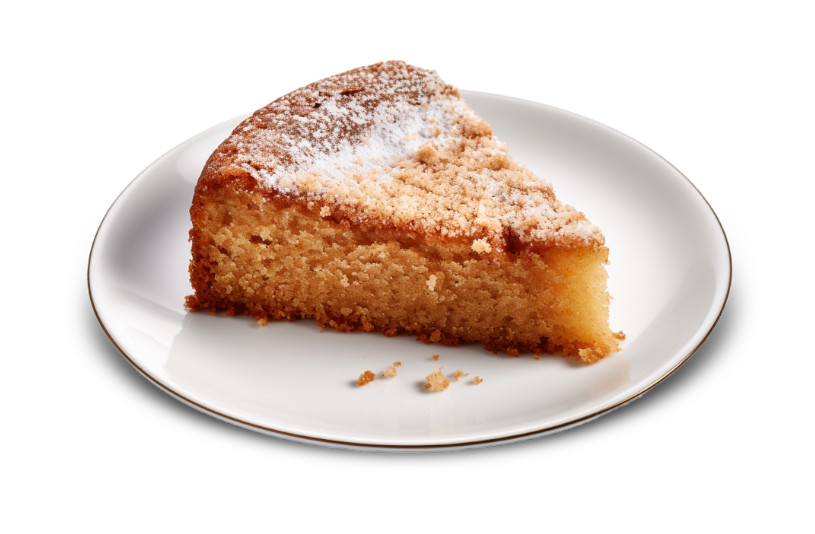
National Applesauce Cake Day is a celebration of a traditional American dessert that has stood the test of time. This moist and spiced cake, made with applesauce, sugar, and flour, has a rich history dating back to colonial times. In the early 20th century, during times of economic hardship, like the Great Depression and World War I, applesauce cake gained particular popularity due to its affordability and adaptability. It served as a practical and patriotic treat, requiring minimal ingredients, and was enjoyed by people of all ages. The roots of applesauce cake can be traced to colonial New England, where it was a part of the northeastern United States' culinary heritage. From 1900 to the 1950s, recipes for applesauce cake frequently appeared in American cookbooks, marking its enduring appeal. The moist, flavorful cake has evolved over the years to include various spices, nuts, and even vegan variations. **National Applesauce Cake Day timeline:** - 1739 Applesauce's First Appearance: Eliza Smith shares a recipe for applesauce in her cookbook “Complete Housewife.” - 1917 Applesauce Cake in Literature: Professor Mary Swartz Rose writes about applesauce cake in “Everyday Foods in War Time.” - 1940 Sugar Rationing in WWII: Applesauce replaces sugar in cakes during WWII’s times of economic hardship. - 2016 Perfect Dessert for Vegans: American author Anne Byrn shares a vintage applesauce cake recipe for vegans.

Read the story
Banana Split
United States flagUnited States·August 25 2026

National Banana Split Day

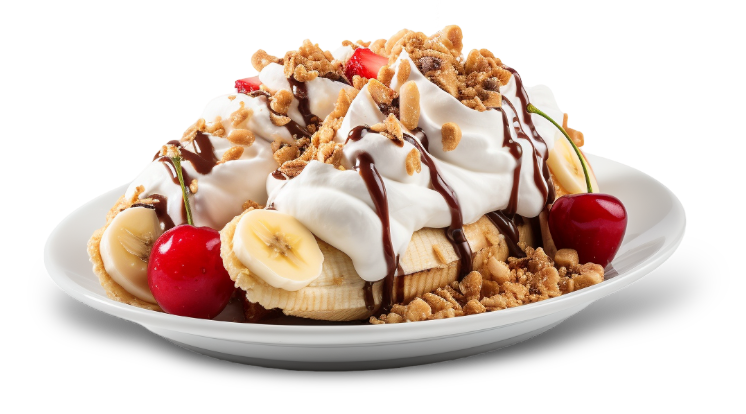
Banana Split consists of a banana cut in half lengthwise, hence the name “banana split,” with scoops of vanilla, strawberry, and chocolate ice cream nestled between the banana halves. The dessert is then lavishly adorned with a combination of chocolate, strawberry, and pineapple sauces, generously topped with whipped cream, nuts, and a maraschino cherry. The history of the banana split is as rich and flavorful as the dessert itself. In 1904, a 23-year-old apprentice pharmacist named David Evans Strickler created the very first banana split at Tassel's Pharmacy in Latrobe, Pennsylvania. Strickler's invention was a stroke of genius, combining the perfect harmony of bananas with the rich, sweet flavors of ice cream, whipped cream, maraschino cherries, strawberries, hot fudge, and other delectable toppings. The popularity of the banana split quickly spread, thanks to enthusiastic students at Saint Vincent College nearby, who frequented the pharmacy to savor this new, extraordinary treat. The word-of-mouth buzz among the college students helped introduce the banana split to a wider audience, and soon, it became an American institution, with Strickler's banana-based sundaes earning the moniker “Dr. Dave's.” While the true origins of the banana split have been contested by various towns, Latrobe, Pennsylvania, where Strickler's creation is well-documented, remains the most likely birthplace of this iconic dessert. Wilmington, Ohio, also claims credit for its invention, but the evidence leans in favor of Latrobe.

Read the story
Blueberry Pancake
United States flagUnited States·January 28 2026

National Blueberry Pancake Day

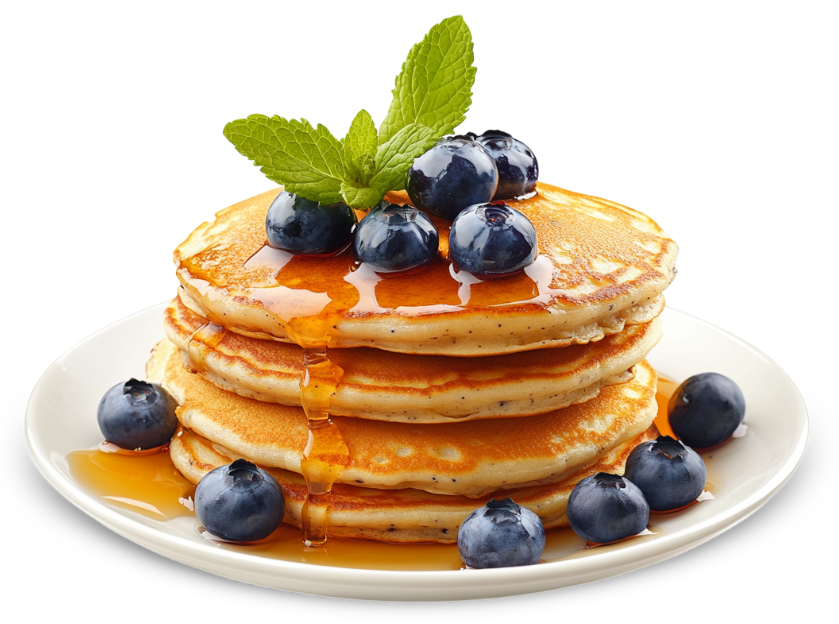
Pancake’s history goes back to the Stone Age when humans were already crafting simple flatbreads cooked over hot ashes. Even Otzi the Iceman, preserved in ice for over 5,000 years, carried remnants of what could be the ancestor of today’s pancakes in his stomach. Fast-forward through the centuries, and pancakes evolved into something more recognizable, with additions like eggs, milk, and even unexpected ingredients like cabbage or cheese. By the time the term "pancake" entered English vocabulary in the 15th century, they were already beloved in countless variations worldwide. Names like griddle cakes, johnnycakes, and flapjacks joined the global repertoire, and nearly every culture had its own spin on the classic. But where do blueberries fit into all of this? Well, let’s start with the berries themselves. Native to North America, blueberries were a staple for Native Americans who valued them for their nutritional and medicinal properties. Long before the modern “superfood” hype, these tiny berries were curing ailments and flavoring recipes like pemmican—a blend of dried meat, fat, and berries. It wasn’t until the early 1900s that blueberries became a cultivated crop, thanks to Elizabeth White and Frederick Coville. This dynamic duo transformed the wild berry into a domesticated favorite, paving the way for blueberries to appear in everything from pies to pancakes. Blueberry pancakes’ popularity skyrocketed in North America, where the combination of fluffy batter and juicy berries felt like a match made in breakfast heaven.

Read the story
Blueberry Pie
United States flagUnited States·April 28 2026

National Blueberry Pie Day

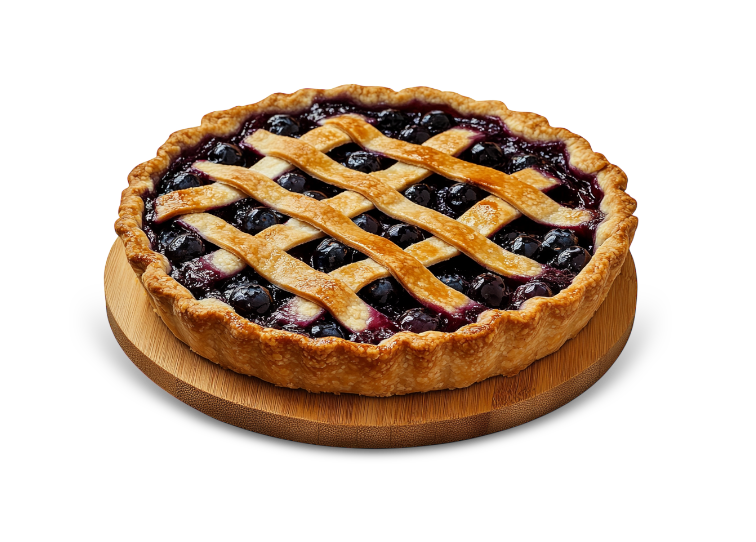
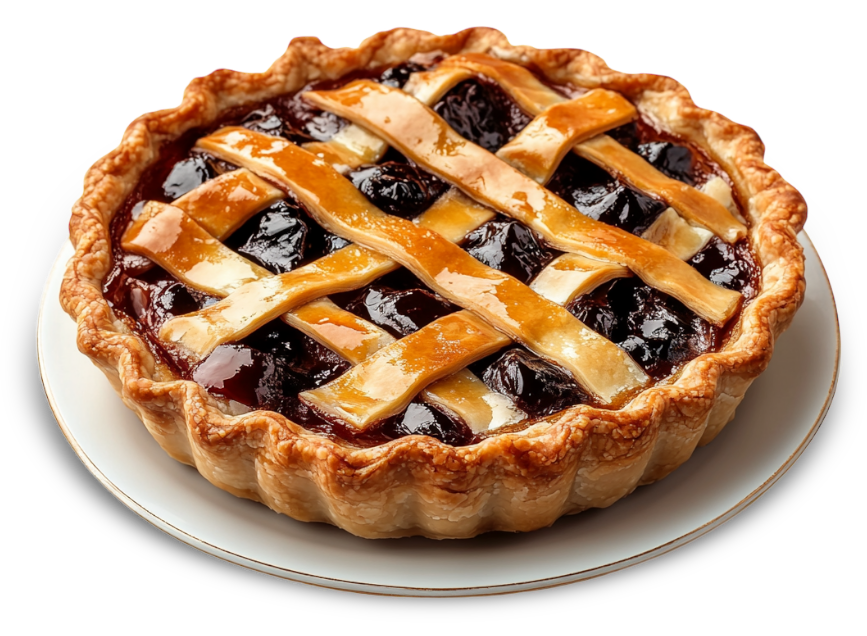
The story starts long before ovens were preheated and pies were latticed. Native Americans, the original stewards of the land, prized blueberries, what they called "star berries" due to their star-shaped blossom ends. Blueberries were essential for survival. They helped sustain Native Americans and early settlers alike, possibly saving them from starvation during brutal winters. Fast forward to colonial America, where blueberries transitioned from survival food to star ingredient. Settlers embraced the berry, and by the mid-19th century, blueberries had made their debut in pies. The first blueberry pie recipes appeared in cookbooks like culinary treasure maps, showcasing Maine's wild blueberries as the hero ingredient. To this day, Maine claims blueberry pie as its official state dessert, and for good reason—this pie’s roots run deep in the rocky New England soil. By the 1800s, blueberry pie was a household favorite, and not just in Maine. Soldiers during the Civil War, smitten with Maine’s wild blueberries, brought their love for the fruit back home. Suddenly, blueberries weren’t just a regional treat—they were spreading across the country like wildfire (or perhaps pie filling). The berries don’t need peeling or pitting and are packed with antioxidants, potassium, and vitamin C. A classic filling of blueberries, sugar, lemon juice, and spices like cinnamon or nutmeg is encased in a buttery crust.

Read the story
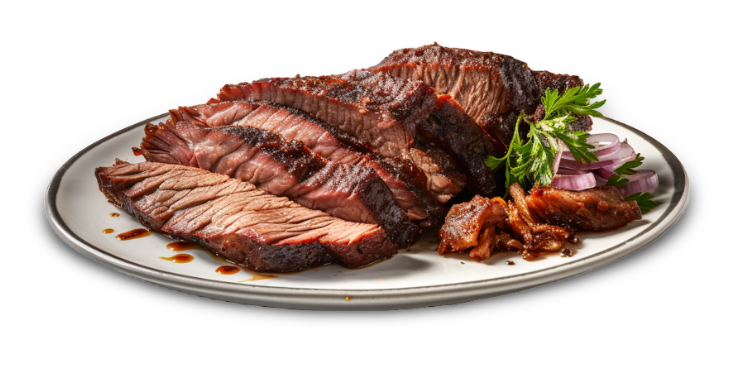
Brisket
United States flagUnited States·May 28 2026

National Brisket Day

Originating from the breast area of the cow, brisket is divided into point cuts and flat cuts, each offering distinct culinary possibilities. The point cut, rich in fat and connective tissue, excels in braising or smoking, imparting a deep flavor. On the other hand, the flat cut, leaner but equally flavorful, requires a different preparation. Despite being a challenging cut, brisket transforms into tender, rich meat through slow cooking, breaking down its chewy connective tissues into gelatinized goodness. The origins of National Brisket Day are unclear, lost to history, but brisket has a longstanding culinary history. The term ”brisket“ has roots in the Middle Ages, derived from the Old Norse word ”brjosk.“ Briskets have historical ties to the celebration of Passover by Eastern and Central European Jews since the 1700s. While brisket was mentioned in a Texas advertisement in 1910, it gained popularity in the 1950s when featured on a barbecue restaurant menu. Brisket's influence extends beyond American cuisine, known as Suadero in Mexican culinary traditions. It is used to make burnt ends, a Midwest favorite. With two cuts, flat and point, brisket offers versatility—point cuts for smoking and flat cuts for braised recipes. The Spanish settlers introduced meat cows to America, contributing to brisket's culinary journey.

Read the story
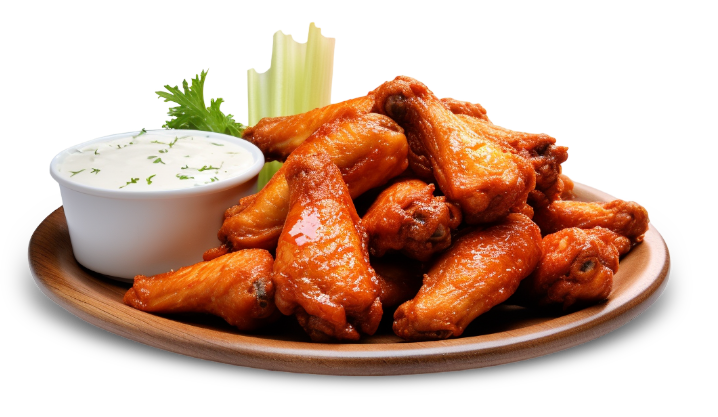
Chicken Wing
United States flagUnited States·July 29 2026

National Chicken Wing Day

Buffalo wings, a quintessential American classic, feature deep-fried, unbreaded chicken wings coated in a tantalizing blend of cayenne pepper hot sauce, vinegar, and butter. Served with celery, carrot sticks, and blue cheese or ranch dressing, these wings are a beloved appetizer and bar food. The dish's origins, often attributed to Teresa Bellissimo at the Anchor Bar in Buffalo in 1964, have a bit of mystery, with other contenders like John Young introducing a breaded version in 1961. Regardless of the true inventor, Buffalo wings quickly gained popularity, turning into a sensation and inspiring variations on other fried foods. The 1970s and 1980s saw Buffalo wings becoming a staple in the United States and Canada, leading to the emergence of popular chicken wing franchises. The city of Buffalo declared July 29th as Chicken Wing Day in 1977. National Chicken Wing Day is celebrated annually, with restaurants offering discounts and promotions. The love for Buffalo wings extends to the National Buffalo Wing Festival in Orchard Park, New York, since 2003. The dish's evolution reflects its journey from humble origins to global stardom, now an essential part of gatherings worldwide, enjoyed for its versatility, affordability, and diverse flavors.

Read the story
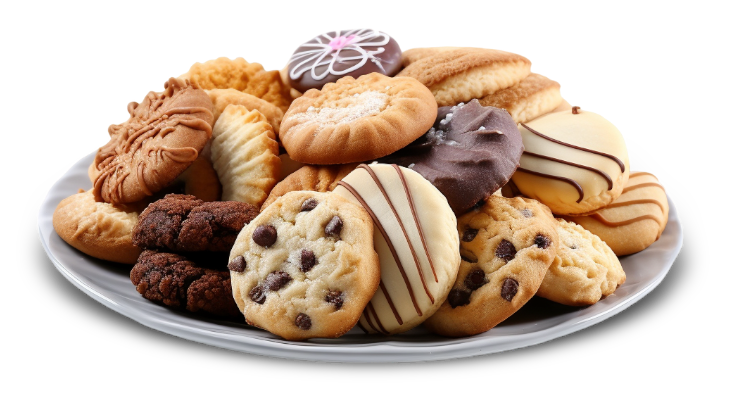
Cookie
United States flagUnited States·December 4 2026

National Cookie Day

Cookies, originally dubbed “little cakes,” have a storied history dating back to Persia in the 7th century, where they served as test cakes for oven temperatures. The term “cookie” finds its roots in the Dutch word “koekje,” meaning “little cake,” and Dutch colonists brought these treats to America in the 17th century, transforming them into the present-day American cookie. What distinguishes cookies from traditional cakes and pastries is their unique composition. Cookie dough typically lacks water, relying on a higher content of oil or butter, resulting in a denser structure and a beloved texture. Throughout history, cookies adapted to the tastes of different cultures, with playful names like jumbles and tea cakes. The 19th century saw transformative changes in cookie history, fueled by transportation advancements. Trains provided access to new ingredients like coconut and oranges, expanding flavor options. The 20th century brought electricity, extending cookie shelf life and introducing innovative ingredients. A pivotal moment occurred in 1937 when Ruth Graves Wakefield invented the iconic chocolate chip cookie at the Toll House Restaurant. The agreement with Nestle to print the recipe on its chocolate bar packaging elevated the chocolate chip cookie to legendary status. In the 21st century, Maxine's Heavenly emerged as a modern homage to wholesome and delicious cookies, reimagining traditional recipes with healthier alternatives. National Cookie Day, founded in 1987 by Matt Nader of Blue Chip Cookies, celebrates this iconic treat's diversity, with noteworthy types including chocolate chip, butter, oatmeal raisin, and peanut butter cookies.

Read the story
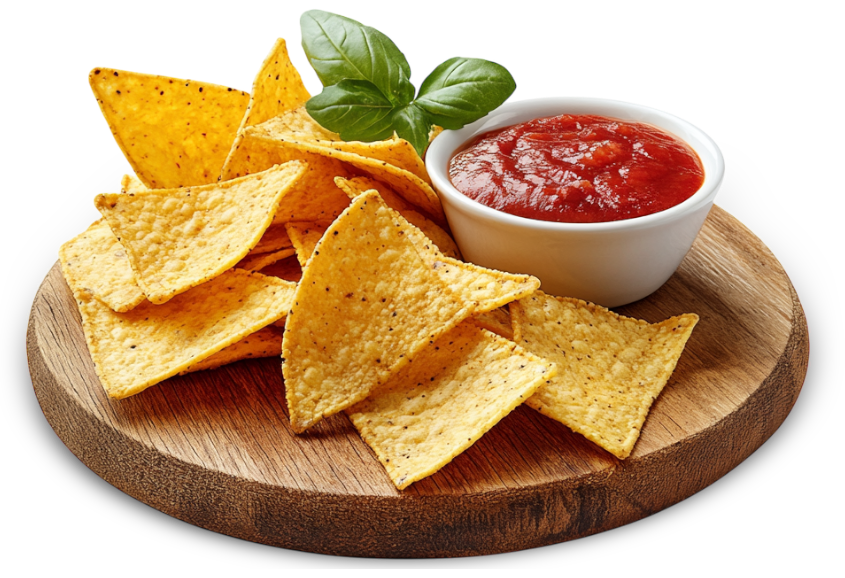
Corn Chip
United States flagUnited States·January 29 2026

National Corn Chip Day

Corn chips have been crunching their way into snack bowls since 1932, thanks to Charles Elmer Doolin, a Texan with a sweet tooth and a flair for innovation. Doolin owned a candy store but wanted to add something savory to his offerings. His fried tortilla experiments kept turning stale too quickly, so he sought a new approach. One day, Doolin discovered strips of fried corn dough at a local gas station and was hooked. After persuading the seller to share the recipe, he perfected it and began selling bags of his version. That’s when Fritos was born, sparking America's love affair with corn chips. By 1945, Doolin partnered with Herman Lay (yes, the Lay’s potato chips guy) to distribute Fritos nationwide. The duo formed a snack-world powerhouse, and by the 1950s, Fritos became one of America’s top-selling corn chips. After Doolin’s death, the two companies merged in 1959 to create Frito-Lay, the snack empire we know today. But what exactly is a corn chip? Made from cornmeal and fried (or baked for a lighter crunch), they’re thick, salty, and satisfyingly crunchy, with a bold roasted corn flavor. Unlike tortilla chips, which are thinner and often paired with salsa, corn chips stand strong on their own or as the perfect chili companion.

Read the story
Corned Beef Hash
United States flagUnited States·September 27 2026

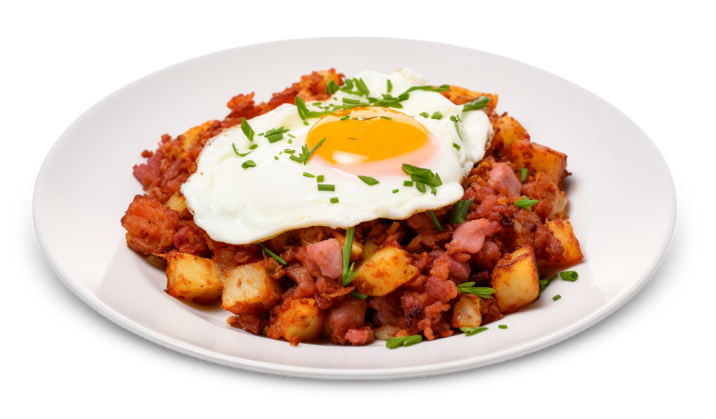
National Corned Beef Hash Day

Corned beef hash has roots dating back to the 17th century when the British coined the term ”corned beef“ to describe meat preserved with salt kernels. In the 19th century, Ashkenazi Jewish immigrants brought corned beef recipes to the U.S., and during World War II, corned beef hash emerged as a creative solution to food rationing. In times of scarcity, cooks showcased their ingenuity by crafting corned beef hash as a flavorful way to stretch meals, using spices, herbs, and leftovers. This not only celebrated the dish but also reflected a commitment to reducing food waste—a message still relevant today. While the Hormel Company claims to have introduced canned corned beef hash and roast beef hash in the U.S. in 1950, hash itself has been a part of American culinary culture since at least the 19th century, seen in the prevalence of ”hash houses“ or affordable restaurants named after the dish. Internationally, corned beef hash takes on various forms and names. In Slovenia, it becomes haše, featuring a delightful blend of spices, flour, garlic, onion, and more. Denmark adds its twist with bikesmad, a concoction of diced pork served with pickled red beet slices, Worcestershire sauce, and a fried egg. National Corned Beef Hash Day provides an excellent opportunity to explore diverse trends in hash cuisine.

Read the story
Crown Roast of Pork
United States flagUnited States·March 7 2026

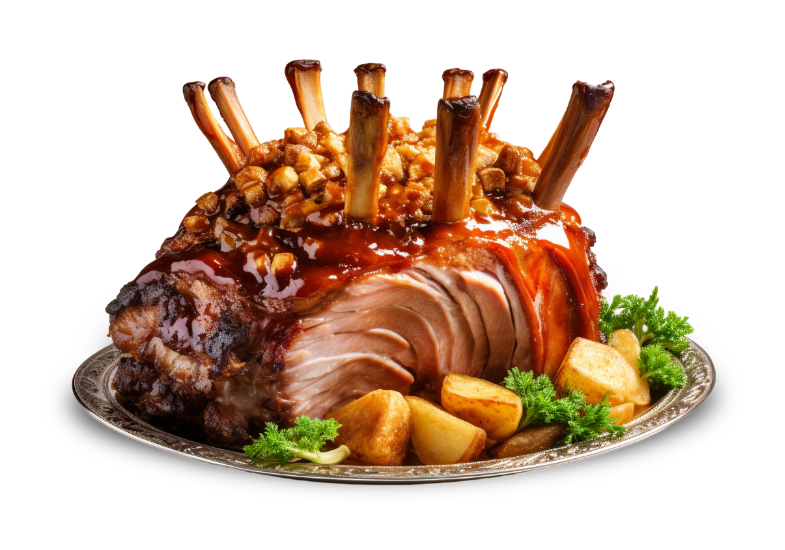
National Crown Roast of Pork Day

Crown Roast is named due to its striking resemblance to a crown when presented on the table. The pork loin meat is masterfully arranged in a circular fashion, with its ribs elegantly pointing upwards and adorned with decorative frills, creating a regal centerpiece that exudes both visual and gastronomic appeal. The relationship between humans and pork dates back millennia, reaching as far as 5000 BC, when our ancestors began consuming this delectable meat. Pigs, often considered unclean animals, played pivotal roles in history, from assisting early farmers in breaking up soil to their remarkable ability to sniff out truffles for gourmet dishes. The dish itself derives its name from its distinctive presentation method. Pork loin, carefully arranged in a circular shape, is held together with twine, seasoned, stuffed, and then roasted to perfection. The result is a stunning centerpiece fit for royalty. For those seeking to elevate the dish's appearance, a paper frill treatment at the bone ends adds an extra touch of sophistication. This culinary holiday's origins can be traced back to the 19th-century Victorian era when the crown roast of lamb was the epitome of elegance. However, in the United States, where pork was more common, crown roasts of pork took the spotlight. While this tradition faded in the mid-20th century, it is experiencing a revival today as people rediscover the timeless appeal of this regal dish.

Read the story
Eat a Hoagie
United States flagUnited States·September 14 2026

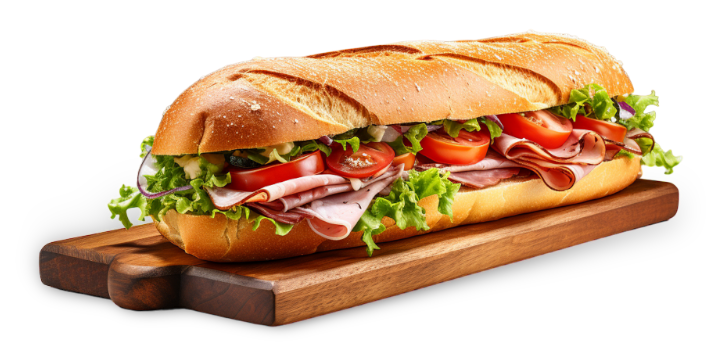
National Eat a Hoagie Day

Eat a Hoagie Day celebrates the hoagie, a sandwich rooted in the heart of Philadelphia's Italian immigrant community. Originating in the early 20th century as the ”Hog Island sandwich,“ crafted by Italian shipyard workers, the hoagie became a staple for laborers facing long workdays. Its name evolved from linguistic connections like ”on the hoke“ and the generosity of street vendors, intertwining with the immigrant narrative of Philadelphia. Beyond the city, the hoagie gained widespread popularity, with Pittsburgh embracing it in the mid-20th century, solidifying its status across Pennsylvania. In 1992, Philadelphia Mayor Ed Rendell declared the hoagie the city's official sandwich, recognizing its cultural significance. The hoagie's journey extended to mainstream outlets like Woolworth's and Wawa. By the 1950s, restaurants adopted the term, and Woolworth's introduced hoagies at lunch counters, expanding their reach. Wawa, a Pennsylvania-based convenience store chain, embraced the hoagie as a flagship product, ensuring its availability to a broader audience. Today, Eat a Hoagie Day honors this culinary marvel, celebrating its history, cultural ties, and resilience as a symbol of community in Philadelphia and beyond.

Read the story
Fried Chicken
United States flagUnited States·July 6 2026

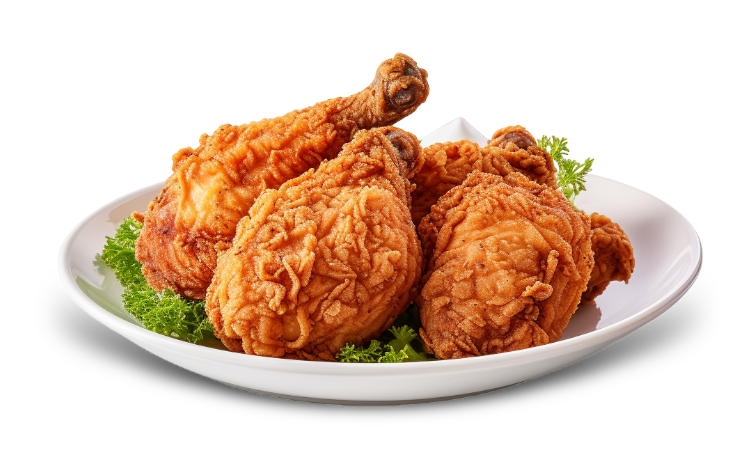
National Fried Chicken Day

Fried chicken boasts a rich history spanning thousands of years, with early roots in China, the Middle East, and West Africa. The first published recipe is credited to English cook Hannah Glasse in 1747, indicating the dish's widespread popularity by then. American-style fried chicken is often associated with the American South, where enslaved Africans significantly shaped the cuisine with West African spices and techniques. African-American entrepreneurs, particularly women, contributed to fried chicken's popularity as early as the 1730s. In the 20th century, the fast-food industry, led by icons like Colonel Harland Sanders and KFC, played a key role in the dish's global appeal. KFC's secret blend of herbs and spices became legendary. Fried chicken has transcended borders, with countries like South Korea (known for Korean fried chicken), Senegal (offering yassa poulet), and Japan (with karaage) putting their unique twists on the beloved dish. Preferences for fried chicken vary, from classic American-style to grilled or vegetarian alternatives, making it a globally cherished dish with a diverse and enduring history.

Read the story
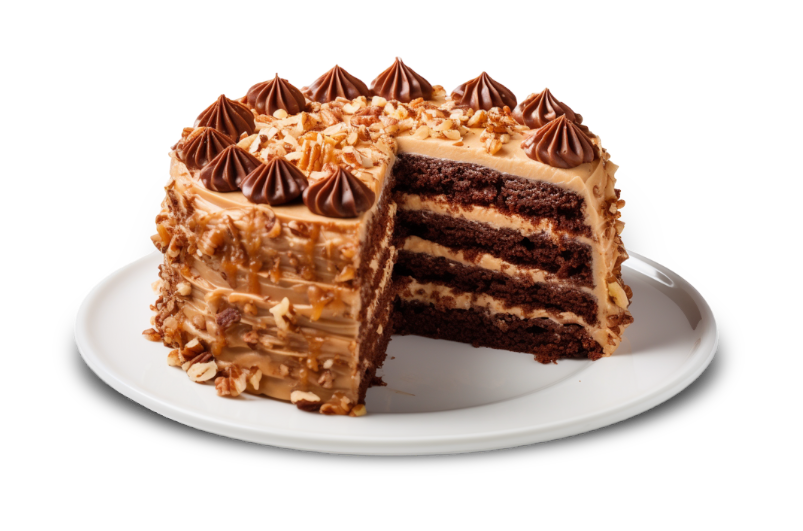
German Chocolate Cake
United States flagUnited States·June 11 2026

National German Chocolate Cake Day

Despite its misleading name, German Chocolate Cake is not of German origin; rather, it has deep roots in American culinary history. Samuel German, an American chocolate maker, introduced Baker's German's Sweet Chocolate in 1852, a unique dark baking chocolate with added sweetness. Over a century later, in 1957, the cake gained widespread fame with a recipe debut in The Dallas Morning News by Mrs. George Clay, a Texas homemaker, featuring Baker's German's Sweet Chocolate. The General Foods Company, owner of Baker's brand, capitalized on the cake's popularity, leading to a remarkable 73% increase in Baker's Chocolate sales. However, the possessive ”s“ was dropped from the cake's name, evolving into the ”German Chocolate Cake,“ causing the misconception of German origins. This decadent treat consists of layers of rich chocolate cake adorned with a coconut-pecan frosting. Some variations include chocolate frosting on the sides and top, with Maraschino cherries as a finishing touch. The unique combination of black cherries, coconut, and luscious frosting creates a symphony of flavors and textures, making German Chocolate Cake a quintessential American creation that tantalizes taste buds.

Read the story
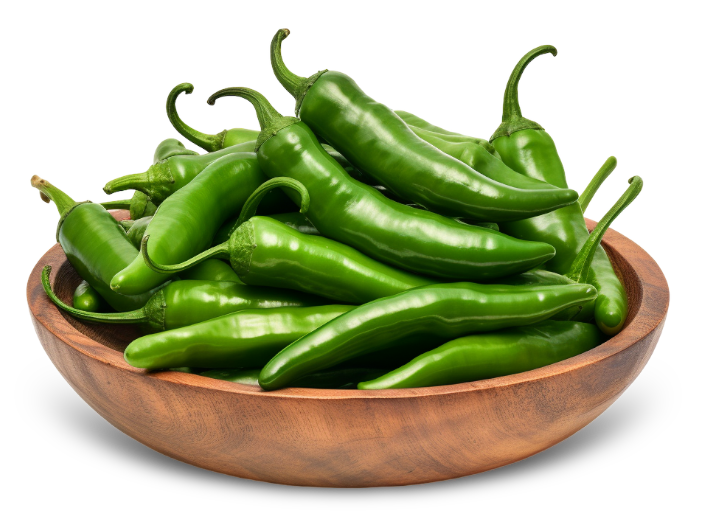
Green Chili
United States flagUnited States·December 16 2026

National Green Chili Day

The history of green chili traces back to the roots of chiles in Mesoamerica, originating in South America and domesticated around 6,000 years ago. Cultivated by the Inca, Mayans, and Aztecs, chiles held religious significance. In the Southwestern United States, the Pueblo people incorporated chiles into their diet, with the natural cultivation of the Pueblo green chile in the Pueblo Valley. The late 1800s and early 1900s saw crucial developments, with Dr. Fabian Garcia creating the New Mexico No. 9 in 1913, aiming for genetic consistency. Sub-varieties like Numex Centennial and Rio Grande 21 diversified the green chile landscape. The 1930s marked a surge in chile-infused foods' popularity in the Southwest, becoming integral to New Mexico cuisine. In the 1940s, strategic marketing emphasized the economic importance of green chiles, solidifying their prominence. Green chiles continued to evolve, influencing culinary traditions beyond regional borders. National Green Chili Day, celebrated every December 16th, brings people together to honor the rich history and diverse flavors of green chili. Whether enjoyed on its own, as a topping, or a key ingredient, green chiles remain a spicy and flavorful journey through centuries of culinary heritage.

Read the story
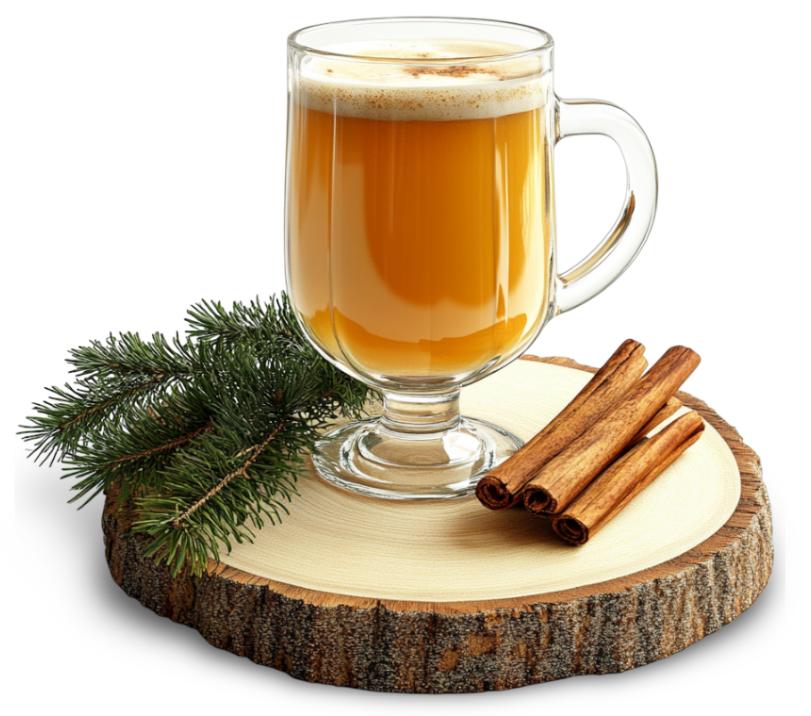
Hot Buttered Rum
United States flagUnited States·January 17 2026

National Hot Buttered Rum Day

Hot Buttered Rum dates back to the mid-17th century, when rum from Jamaica made its way to the U.S. and began being added to hot and cold drinks. It's believed the Hot Toddy evolved into what we know today as hot buttered rum, a favorite winter warmer around the holidays. So, what is it? According to Wine Enthusiast, it’s a mix of rum, butter, sugar, spices, and hot water that originally had medicinal uses. The butter adds richness, brown sugar sweetness, and spices like cinnamon, nutmeg, and cloves add warmth, making it the perfect drink to enjoy when the weather turns cold. You can use any rum you have, and even add liqueurs like Drambuie or Galliano for a twist. Hot buttered rum has been around since colonial America, where rum was considered nutritious. Bartender Jerry Thomas shared recipes for similar drinks in the mid-1800s, including Hot Spiced Rum and Hot Rum. Variations have popped up over the years—some add vanilla ice cream for creaminess or use coconut oil instead of butter. In the 1940s, hot buttered rum was revived as a Tiki drink, with Trader Vic creating a “hot buttered rum batter” associated with cozy winter vibes.

Read the story
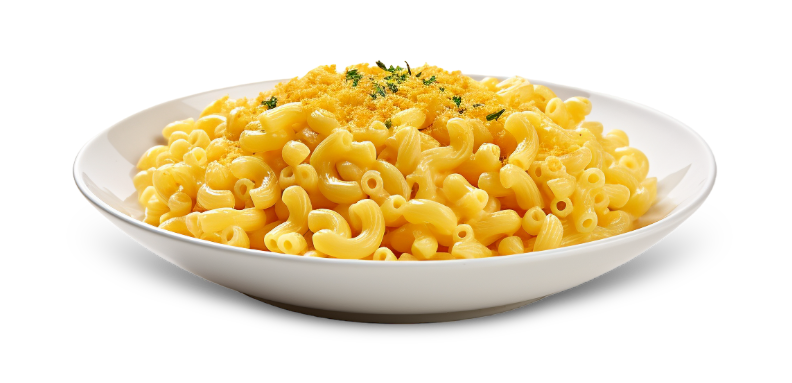
Macaroni
United States flagUnited States·July 7 2026

National Macaroni Day

National Macaroni Day pays homage to one of the most cherished pasta varieties in the world. Macaroni, originating from the Italian word 'maccheroni,' refers to a small, tube-shaped pasta that has its roots in Naples, Italy. What makes this pasta so intriguing is its versatility, available in both straight and curved forms, with the curved variety often referred to as elbow macaroni. The English language has come to associate the term “macaroni” predominantly with the curved variety, as it is frequently used in the beloved dish of macaroni and cheese. Interestingly, in many languages, “macaroni” has evolved into a generic term encompassing all pasta types. One of the most iconic macaroni dishes, particularly in the United States, is macaroni and cheese, often referred to simply as “mac and cheese.” This comfort food staple made its way to American tables in the late 18th century, thanks to Thomas Jefferson, who was the American Ambassador to France. During his stay in Paris, James Hemmings, a slave Jefferson had brought along, studied the art of cooking and encountered a pasta and cheese dish. Upon returning to the United States, Hemmings adapted it, giving rise to the “macaroni pie,” a precursor to the mac and cheese we adore today. Traditional mac and cheese is a delectable oven-baked casserole with a sauce made from Cheddar cheese, milk, and butter. While Cheddar is the classic choice, other sharp-flavored cheeses like Gouda or Gruyere can be used.

Read the story
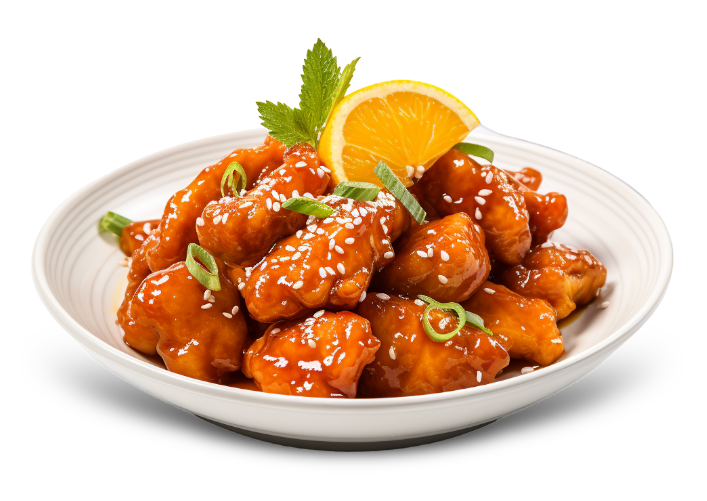
Orange Chicken
United States flagUnited States·July 15 2026

National Orange Chicken Day

Orange Chicken has its roots in a Chinese dish called tangerine chicken from China's Hunan province. Originally featuring chicken stir-fried in a sweet soy sauce with dried tangerine or orange peels, it underwent significant adaptation in the United States to become what we now know as orange chicken. Chinese immigrants introduced tangerine chicken to the U.S., where it was transformed to cater to American tastes, replacing dried peels with fresh orange peel and creating a sweet and sour chili sauce that differs from the original's savory and spicy profile. Chef Andy Kao, working at a Panda Express in Hawaii in 1987, is often credited with creating the modern orange chicken recipe. Since then, it has become a signature dish of Panda Express and a favorite at American Chinese restaurants nationwide. National Orange Chicken Day, established in 2017, celebrates this dish's global popularity. Orange chicken consists of battered and fried chicken coated in a sweet and sticky orange sauce made with ingredients like orange zest, juice, chili flakes, ginger, soy sauce, sugar, garlic, and vinegar. While variations exist, consulting an authentic Chinese recipe is recommended. With its distinctive flavors, orange chicken has become a beloved Chinese-American dish, celebrated annually on National Orange Chicken Day.

Read the story
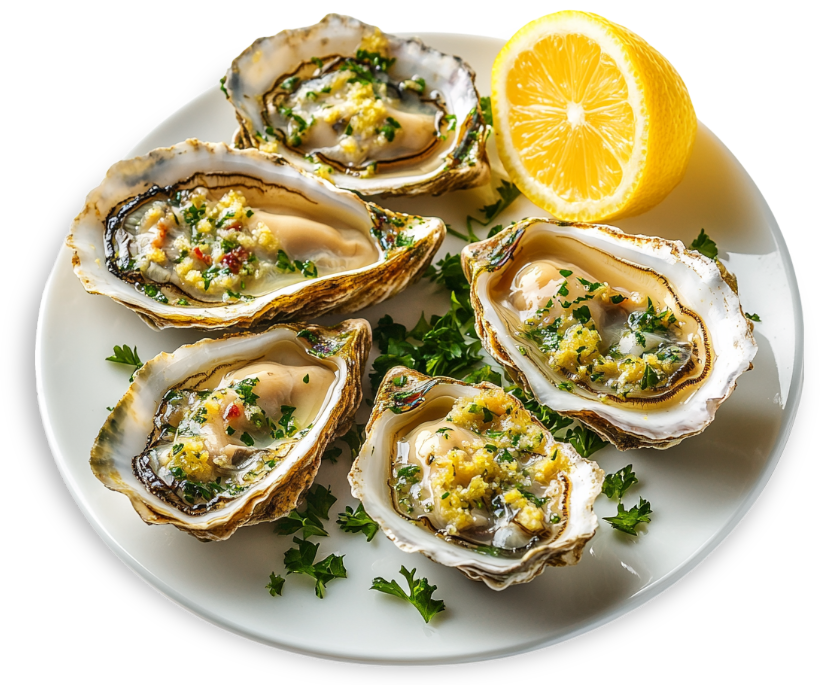
Oysters Rockefeller
United States flagUnited States·January 10 2026

National Oysters Rockefeller Day

Oysters Rockefeller, a blend of oysters on the half-shell, buttery green sauce, and crispy breadcrumbs, originated in New Orleans in 1889. Its story begins at Antoine’s Restaurant, founded in 1840 by French immigrant Antoine Alciatore. Decades later, his son Jules faced a culinary crisis: a shortage of escargot. Undeterred, he turned to Gulf Coast oysters, crafting a dish so rich it was named after John D. Rockefeller, the wealthiest man of the era. Jules himself declared, “I know of no other name rich enough for their richness.” The dish captivated diners with its vibrant green sauce, a mix of puréed vegetables, herbs, and butter. Yet, Jules took the exact recipe to his grave, leaving behind a mystery. While modern versions often use spinach, Antoine’s chefs have denied this repeatedly, keeping the true ingredients under wraps. Lab tests and guesses suggest parsley, celery, chives, and olive oil, but the authentic recipe remains Antoine’s secret. Oysters Rockefeller has become a culinary legend, with Antoine’s serving over 4 million plates since its creation, each meticulously numbered. In 2017, National Oysters Rockefeller Day was established to celebrate this masterpiece every January 10. Fun Fact: President Franklin D. Roosevelt enjoyed Oysters Rockefeller in 1937, famously hearing New Orleans Mayor Robert Maestri ask, “How you like dem erstas?” in a thick accent.

Read the story
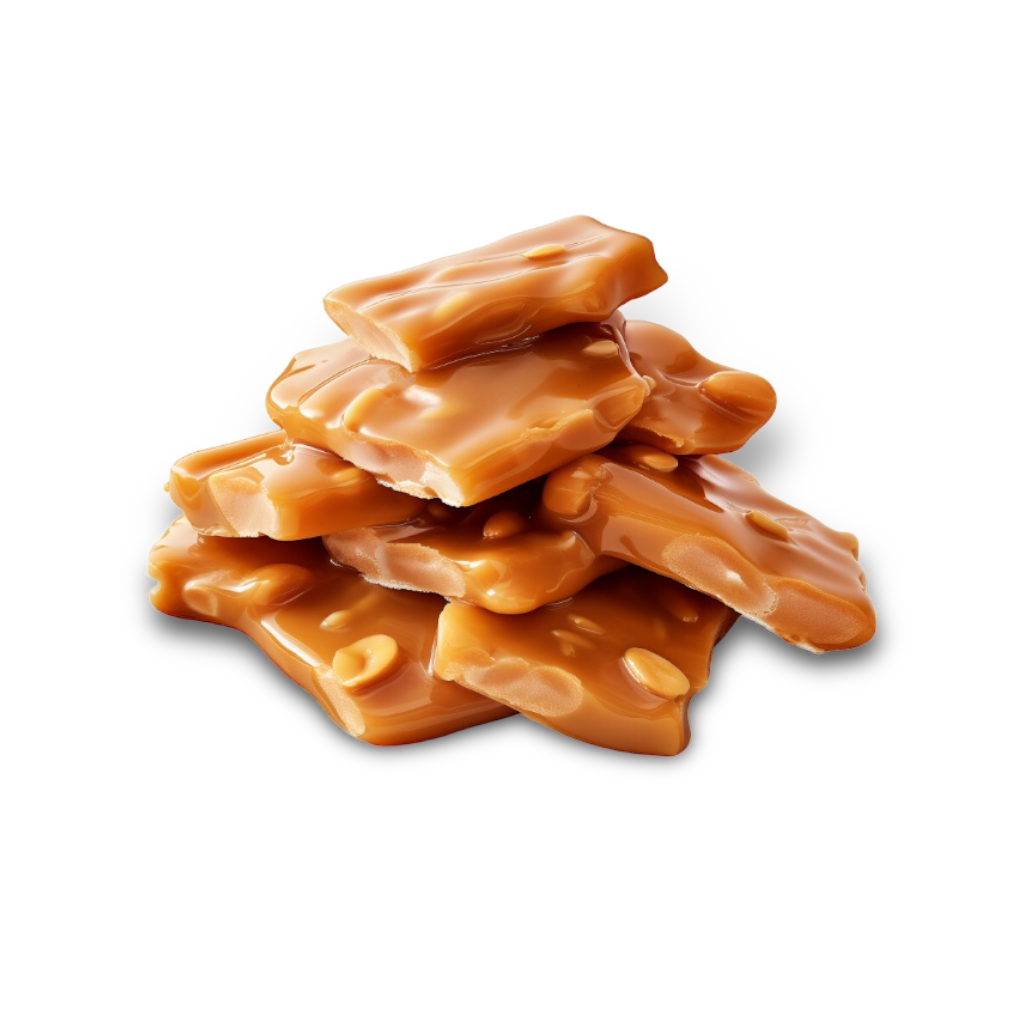
Peanut Brittle
United States flagUnited States·January 26 2026

National Peanut Brittle Day

In 1884, Marcellus Gilmore Edson patented peanut butter, unknowingly setting the stage for a nationwide culinary sensation. January 24 marks National Peanut Butter Day, urging us to momentarily disconnect from our phones and indulge in the timeless choice of crunchy or smooth. The day's history is entwined with peanut brittle, a 19th-century sweet treat believed to have originated in the southern USA during the Civil War, where peanuts were a vital protein source for soldiers. Peanut brittle's origin stories vary, with one tale attributing its creation in 1890 to a mix-up during taffy making by an English woman. Another theory connects peanut brittle to Celtic confectionery brought to America by Irish settlers in the 1830s, offering a sweet reminder of home. Easily cultivated in the South, peanuts gained popularity, making peanut brittles a cherished treat. To create peanut brittle, a sugar-water mixture is heated to 300 degrees Fahrenheit, known as the hard crack stage. Candy thermometers are crucial tools due to the temperature sensitivity of this process.

Read the story
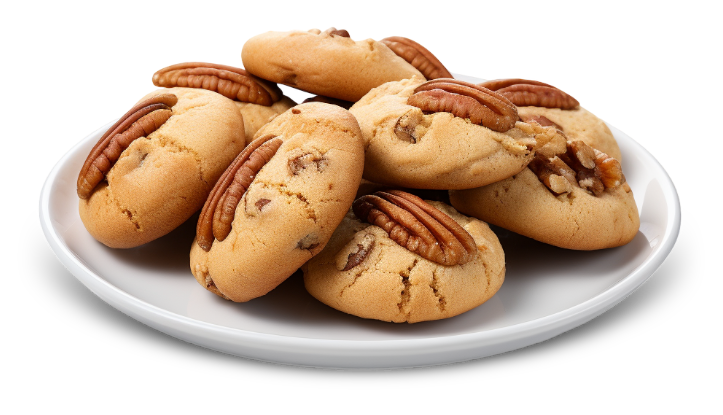
Pecan Cookie
United States flagUnited States·September 21 2026

National Pecan Cookie Day

National Queso Day, celebrated annually on September 20th, honors the rich history of a dish that originated in the Mexican state of Chihuahua and later became a staple in Tex-Mex and Southwestern cuisine. The journey of queso began with the Aztecs, who crafted an early version of ”chihuahua cheese.“ Spanish conquistadors introduced new cheese-making techniques, leading to the birth of melted cheese dishes that would later evolve into queso. The exact origins of queso are debated, with some crediting Otis Farnsworth in 1900 and others pointing to Martinez Café in 1918 for its introduction to Tex-Mex. Regardless, National Queso Day invites enthusiasts to savor the simple pleasures of Chile con Queso—a delectable blend of cheeses, cream, and jalapeño peppers, often enjoyed with tortilla chips or tortillas. The social and sharing aspect of queso, often served in communal bowls, has made it a popular choice for gatherings. Tex-Mex restaurants have elevated queso by offering variations with black beans, ground pork or beef, guacamole, and pico de gallo. While its exact roots may be debated, queso's undeniable deliciousness has solidified its place in American cuisine, with Velveeta's invention in 1918 and features in cookbooks. From Tex-Mex eateries to fast-food chains like Chipotle and Wendy's, the love for queso continues to grow, making it a beloved and versatile dish enjoyed across the United States.

Read the story
Pecan Pie
United States flagUnited States·July 12 2026

National Pecan Pie Day

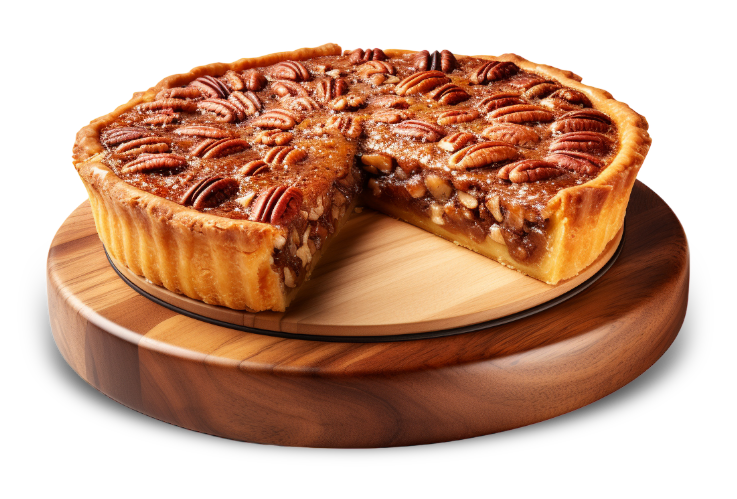
The origins of pecan pie in America can be traced back to Native Americans who incorporated pecans into their cuisine, eventually leading to the creation of pecan pies. The precise origin of pecan pie is debated, with claims attributing it to French settlers in New Orleans in the 1700s or early roots in Alabama in the 1800s, though there is no conclusive evidence. The first documented pecan pie recipe emerged in 1886 in “Harper's Bazaar” magazine. Its popularity grew in the following decades, with appearances in well-known cookbooks such as “Joy of Cooking” and “Fannie Farmer.” Pecan pie gained widespread recognition in the 1930s when Karo corn syrup, a key ingredient, started promoting the recipe on its labels. Despite being associated with Southern cuisine, pecan pie has become a national favorite, featured prominently on Thanksgiving tables alongside other pies. The classic recipe includes pecans, eggs, sugar, butter, vanilla extract, and sweeteners like corn syrup. While regional variations may introduce ingredients like bourbon, whiskey, coconut, or chocolate, the simple and sweet nature of pecan pie remains a cherished part of fall and winter celebrations across the United States.

Read the story
Peppermint Patty
United States flagUnited States·February 11 2026

National Peppermint Patty Day

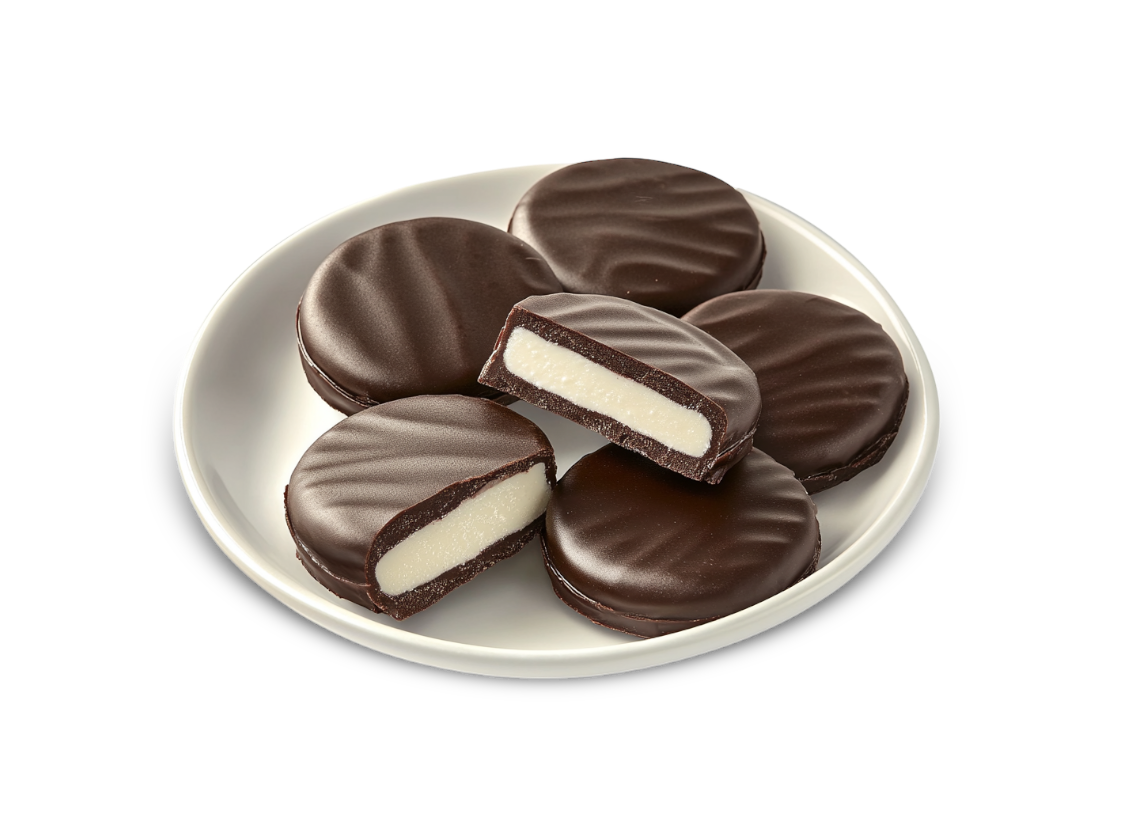
The peppermint patty’s story begins in 1840 on the Isle of Man, where the Quiggin family crafted mint cakes. By 1880, the Kendal Mint Cake Company carried on the tradition, delighting palates with fresh, minty confections. Fast-forward to the early 1900s, and peppermint patties were making waves in the U.S., crafted by regional confectioners like Idaho Candy Company and Trudeau Candies. But it was a small company in York, Pennsylvania, that changed the game. In 1940, the York Cone Company introduced the York Peppermint Pattie, known for its firm snap and perfectly balanced flavors. Unlike its softer predecessors, the York patty had a crisp, clean break—a hallmark so essential that patties failing the “snap test” never hit store shelves. By 1975, York’s treat went national, thanks to its acquisition by Peter Paul (of Almond Joy fame) and a move to Reading, Pennsylvania. Today, under Hershey’s ownership, the patty remains a beloved classic.

Read the story
Pie
United States flagUnited States·January 23 2026

National Pie Day

Did you know pies have been around for thousands of years? The Ancient Egyptians made the earliest versions, filling crusts made from grains with honey or meat. By 2000 BC, they even had recipes for chicken pies carved into stone tablets. The Greeks introduced pie pastry as we know it, mixing flour and water to create a dough. The Romans took the idea further, using crusts to seal in the flavors of meat fillings—though these crusts weren’t meant to be eaten. Their recipes spread across Europe, and by the Middle Ages, pies were everywhere. In England, they were called "pyes" and often filled with meat. The crusts, called “coffins, ” were tough and used more for storage than eating. Pies became a big deal at banquets, where cooks would pack them with surprises, from live birds to elaborate decorations. They were practical, too—perfect for preserving food during long sea voyages. When English colonists came to America, they brought their pies with them. Over time, they swapped out meat fillings for local ingredients like pumpkins and apples. By the 1800s, sweet pies had become a staple, with recipes spreading across cookbooks. Apple pie, in particular, became iconic during World War II, when it symbolized home and comfort for soldiers. National Pie Day, celebrated every January 23rd, started in the 1980s to honor this beloved dish. It’s a day to bake, share, and enjoy pies of all kinds—from the earliest meat-filled versions to today’s sweet and savory creations. What is the most popular pie in the USA? Apple pie is a classic favorite in the U.S. Known as a symbol of America, it actually traces its roots to Britain. The pie is made with sliced apples and a double-crusted pastry dough.

Read the story
Prime Rib
United States flagUnited States·April 27 2026

National Prime Rib Day

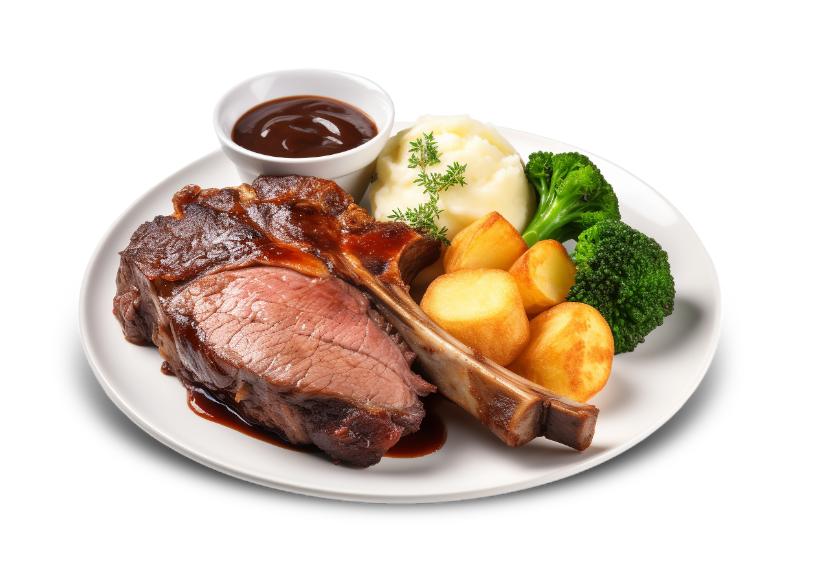
The origins of prime rib is not known, but its prominence can be traced back to the time of the Industrial Revolution. It emerged in Australia, the United States, the UK, and Canada, becoming one of the most beloved and classic cuts of beef. In the late 1800s, the UK embraced prime rib as the centerpiece of their ”Sunday Roast,“ often prepared upright. This culinary tradition included mashed potatoes, stuffing, Yorkshire pudding, and vegetables. Today, it remains a cherished method for prime rib preparation, cherished by meat enthusiasts. Some renowned restaurants, like the House of Prime Rib in San Francisco, Peter Luger in New York City, and Taylor's Steakhouse in Los Angeles, have perfected the art of cooking prime rib, gaining global recognition. Even national chains like Lawry's Prime Rib have earned acclaim for their culinary mastery of this meat cut. Prime rib has long been a go-to choice for holidays, birthdays, and special occasions, showcasing its rich history as a favorite indulgence. Its reputation for tenderness, juiciness, and flavor has endured through generations, making it a showstopper at Christmas feasts and celebrations. National Prime Rib Day honors the ”King of Meats,“ one of the eight prime cuts of beef, the prime rib. This day invites meat enthusiasts to savor this flavorful roast. It is a time-honored tradition to pair prime rib with accompaniments like potatoes, stuffing, and vegetables, creating a Sunday roast.

Read the story
Sausage Pizza
United States flagUnited States·October 11 2026

National Sausage Pizza Day

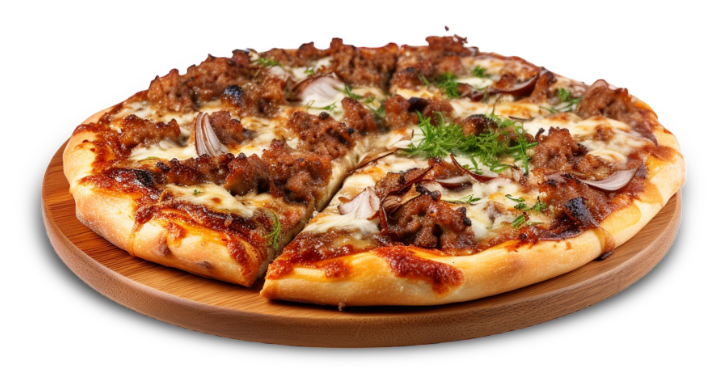
Pizza's roots trace back to ancient Greece, where flatbreads with oils, herbs, and cheese laid the foundation for the modern pizza. In 997 AD, a pizza-like dish emerged in Gaeta, Italy, and its popularity surged in Naples during the 18th and 19th centuries. While pizza gained nationwide recognition in Italy in the 1940s, it was Italian immigrants who brought it to the United States, with the first pizzeria, Lombardi's, opening in New York City in 1905. National Sausage Pizza Day, falling within Pizza Month, celebrates the rich history and diversity of this culinary treasure. Despite pepperoni's popularity, sausage pizza proudly claims the title of the second most popular pizza globally, with a history dating back centuries. Sausage's versatility, including beef, chicken, and classic pork, adds a flavorful extravaganza to the pizza experience. The day provides a perfect excuse to savor sausage pizza, whether at a favorite pizza joint, ordering in for a cozy evening, or creating a homemade masterpiece. Experimenting with different sausage types, such as chorizo or kielbasa, offers a delightful twist to the traditional recipe. For a homemade sausage pizza, sauté red onions and garlic, spread seasoned tomato purée on a pizza base, and layer on slices of sausage and cheese. A brief oven stint results in a mouthwatering creation, ready to be adorned with fresh basil before serving. National Sausage Pizza Day is a special celebration that allows pizza enthusiasts worldwide to revel in the joy and flavorful treat that sausage pizza brings, guilt-free.

Read the story
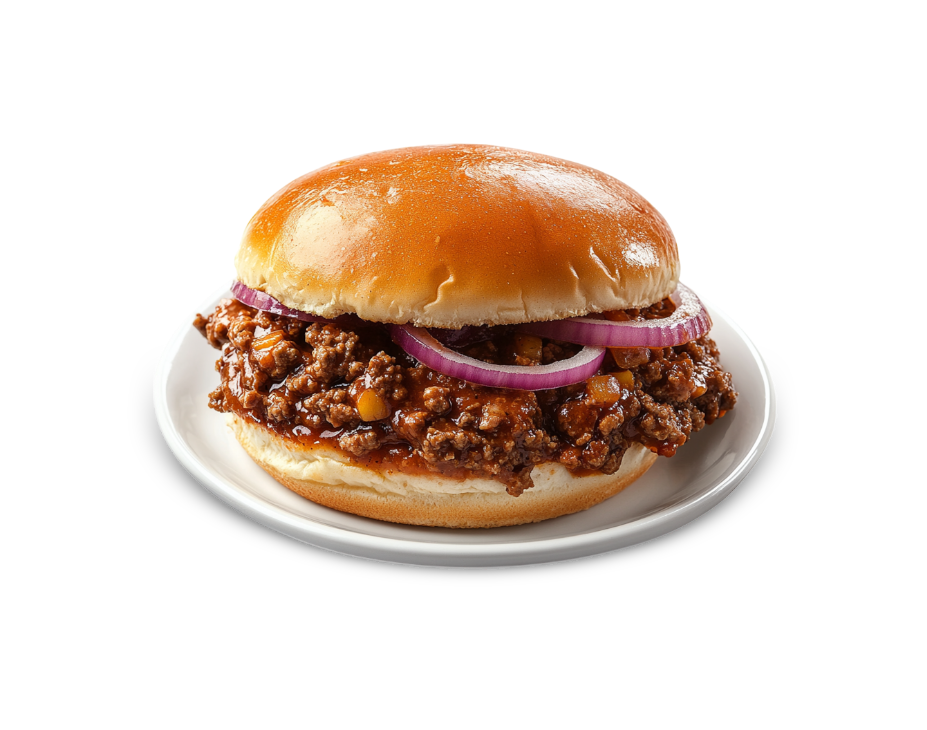
Sloppy Joe
United States flagUnited States·March 18 2026

National Sloppy Joe Day

Sloppy Joe's first gained traction in the 1930s, likely due to ground beef being an affordable and accessible staple. But where did it originate? There are different theories. One tale traces it to Sioux City, Iowa, where a café cook named Joe added tomato sauce to a loose meat sandwich. Another credits Key West, Florida, where a bar called Sloppy Joe’s, established just after Prohibition, may have adapted the recipe. And then there’s Havana, Cuba, where a bartender named Joe (with a famously untidy bar) allegedly inspired the name and possibly the sandwich itself. Regardless of its beginnings, the Sloppy Joe has evolved over time. Originally a simple mix of ground beef and tomato sauce, modern variations include green peppers, onions, and even cheese. By the 1940s, the sandwich had made its way into pop culture, appearing in classics like Citizen Kane and It’s a Wonderful Life. Today, Sloppy Joes are an American classic, celebrated for their simplicity and satisfying messiness.

Read the story
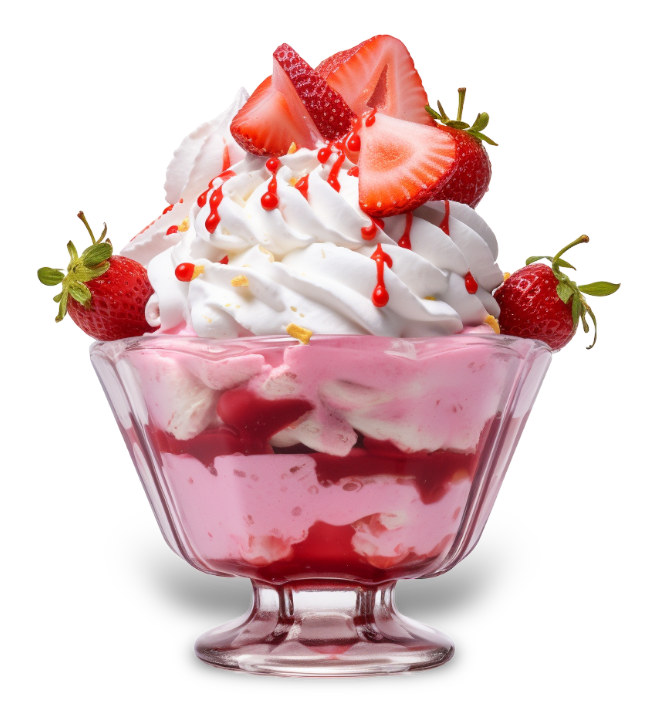
Strawberry Sundae
United States flagUnited States·July 7 2026

National Strawberry Sundae Day

The strawberry sundae, a beloved dessert, is said to have originated at the 1892 St. Louis World's Fair, where ice cream vendor George Williamson created the first one by combining vanilla ice cream with fresh strawberries. The sundae's broader origin is debated between Ithaca, New York, and Two Rivers, Wisconsin, with each claiming to be the birthplace based on historical evidence. In Ithaca, pharmacist Chester Platt crafted an ice cream treat with cherry syrup, naming it after the day it was created – Sunday. Meanwhile, in Two Rivers, Druggist Edward Berners served a “Sundae” in 1881, bypassing local ordinances when a customer ordered an ice cream soda on a Sunday. National Strawberry Sundae Day celebrates this iconic treat, featuring vanilla ice cream, sweet strawberries, whipped cream, and a maraschino cherry. Beyond its crowd-pleasing appeal, the strawberry sundae offers a relatively healthy option, as strawberries are low in calories, high in fiber, vitamin C, and antioxidants. This delightful dessert brings together sweet and tangy flavors, making it a perfect treat for dessert enthusiasts of all ages.

Read the story
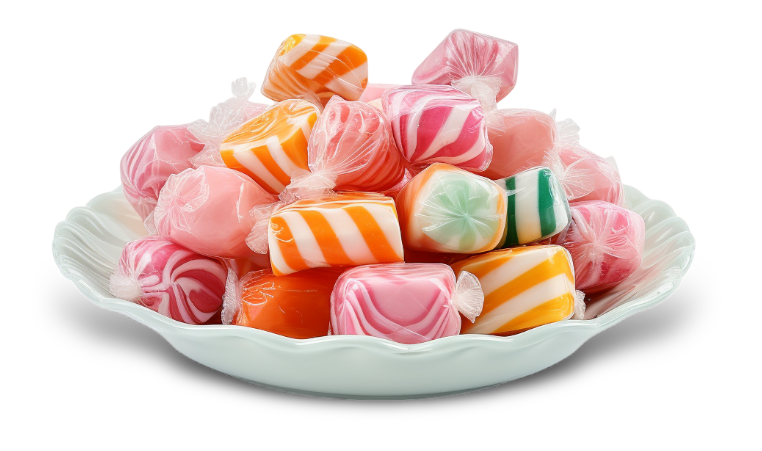
Taffy
United States flagUnited States·May 23 2026

National Taffy Day

Taffy is a blend of boiled sugar, butter, oil, and secret ingredients. This alchemical process transforms the mixture into a fluffy, light, and irresistibly sweet candy, s howcasing vibrant hues that entice both children and adults, creating a timeless allure passed down through generations. The history of taffy dates back to 1817 in the United States, with the term referring to boiled candy. Rising to popularity in the mid-1800s, taffy captivated sweet enthusiasts with its chewable texture. The candy-making process involved boiling the mixture in copper kettles over an open fire, and the tradition of the taffy pull emerged in the 1840s, turning candy-making into a shared experience. In 2005, Laffy Taffy introduced a novel variety shaped like a long cord, marking an exciting evolution in taffy. Modern technology has revolutionized production, allowing the crafting of nearly 1000 pieces in a minute. Notably, Atlantic City's Salt Water Taffy, despite its name, contains no seawater, and its history, shaped by Joseph Fralinger and Enoch James, endures on the boardwalk. Attributed to David Bradley, the invention of taffy, specifically saltwater taffy, has a fascinating origin involving a storm covering Bradley's shop with saltwater, leading to the accidental creation of this beloved treat. Taffy's enduring popularity stems from its soft and chewy texture, diverse flavors, and visually appealing presentation, making it a staple in households and candy stores across the United States.

Read the story
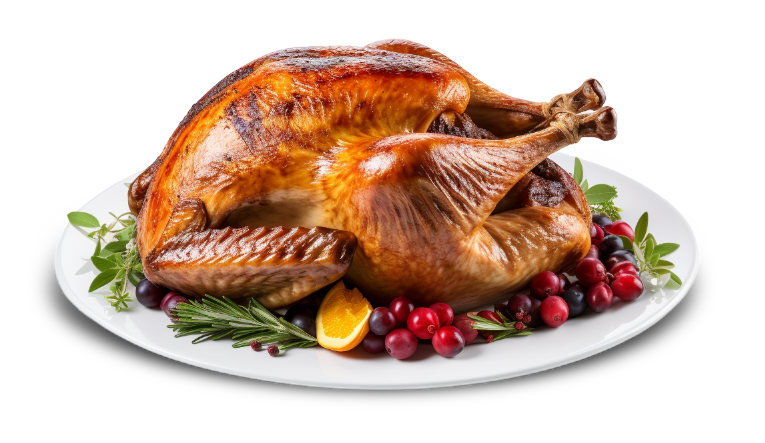
Thanksgiving
United States flagUnited States·November 26 2026

National Thanksgiving Day

Thanksgiving Day, rooted in the early Plymouth Colony's 1621 feast, symbolizes gratitude and unity. From intermittent observances to Lincoln's 1863 proclamation, it gained annual status and a fixed date in 1941. Evolving into a family-oriented holiday, Thanksgiving features a traditional meal with a turkey centerpiece and diverse menu items, including alternatives for vegetarians. Celebrations extend beyond tables, encompassing parades, football games, and the National Thanksgiving Turkey Presentation at the White House. Despite its joyful customs, controversies exist, with some highlighting the complex history between Pilgrims and Native Americans, leading to events like the ”National Day of Mourning.“ Thanksgiving's ancient origins intertwine with global cultural traditions, resembling feasts in ancient Egypt, Greece, and Rome. Native Americans had their own harvest festivities before European arrival. Sarah Josepha Hale's advocacy played a pivotal role in establishing Thanksgiving as a national holiday, culminating in Lincoln's proclamation in 1863. Throughout history, the holiday weathered changes, including Franklin D. Roosevelt's attempt to alter its date during the Great Depression. Thanksgiving stands as a cherished occasion, symbolizing gratitude, unity, and cultural diversity.

Read the story
Wienerschnitzel
United States flagUnited States·September 9 2026

National Wienerschnitzel Day

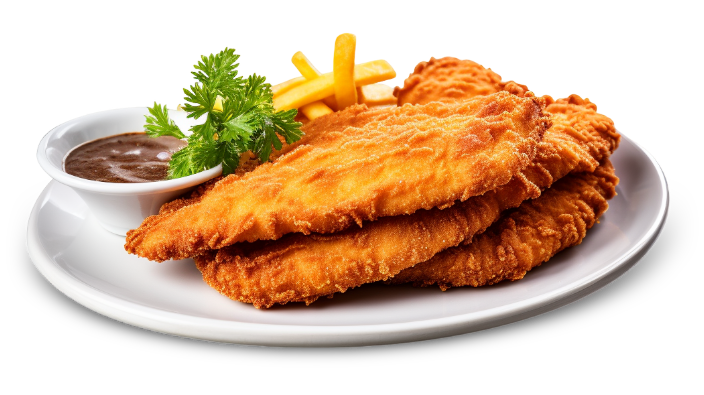
Wiener Schnitzel, a revered Austrian delicacy, is a veal cutlet coated in breadcrumbs and pan-fried to a golden brown perfection. Its name, translating to ”Viennese schnitzel,“ reflects its Austrian origin, particularly in Vienna, dating back to the 19th century. Traditionally made from veal, the thin cutlet undergoes a process of tenderizing, salting, coating in flour, beaten eggs, and breadcrumbs, followed by pan-frying in lard or butter. Served with accompaniments like lettuce salad, cucumber salad, potato salad, or parsley potatoes, Wiener Schnitzel's crispy coating is garnished with a slice of lemon for added flavor. Modern variations include side dishes such as rice, roasted potatoes, and French fries. Notably, a pork version is known as ”Viennese-style schnitzel“ (Schnitzel Wiener Art). Wiener Schnitzel Day commemorates the dish's rich history, cultural significance, and its timeless appeal. Originating from Arab merchants in the Middle Ages and akin to the Roman ”Cotoletta a la Milanese“ in 1134, Wiener Schnitzel gained popularity in Vienna by 1862. Beyond Austria, it has various adaptations globally, with names like ”pork tenderloin“ in the US Midwest and ”Milanesa“ in Latin America. Different countries incorporate variations using chicken, beef, or pork, showcasing the dish's versatility and enduring popularity.

Read the story