
Food Holidays
TodayCalendarExploreCountries
Language: English
  • English
  • Español
  • Français
  • Nederlands
  • עברית
  • Türkçe
  • العربية
Download on the App Store
Food Holidays

The live catalog of food holidays and national food days. Browse every holiday here — then keep it on your Home Screen with the iOS and Vision Pro app.

Download on the App Store

Explore

  • Today
  • Calendar
  • Explore
  • Countries
  • Get the app
  • Contact

The studio

Fill Studio · Amsterdam

Food Holidays is made in Amsterdam by Fill Studio.

support@foodholidays.app

  • Privacy Policy
  • Terms of Use

Write to us

Name, email, and a note — we read every one.

© 2026 Fill Studio · Amsterdam

Language

  • English
  • Español
  • Français
  • Nederlands
  • עברית
  • Türkçe
  • العربية

Explore

Find a food day

The search is fully open. No account. Type a food, pick a category, or just wander.

Chocolate Cheesecake
United States flagUnited States·February 8 2026

Chocolate Cheesecake Day

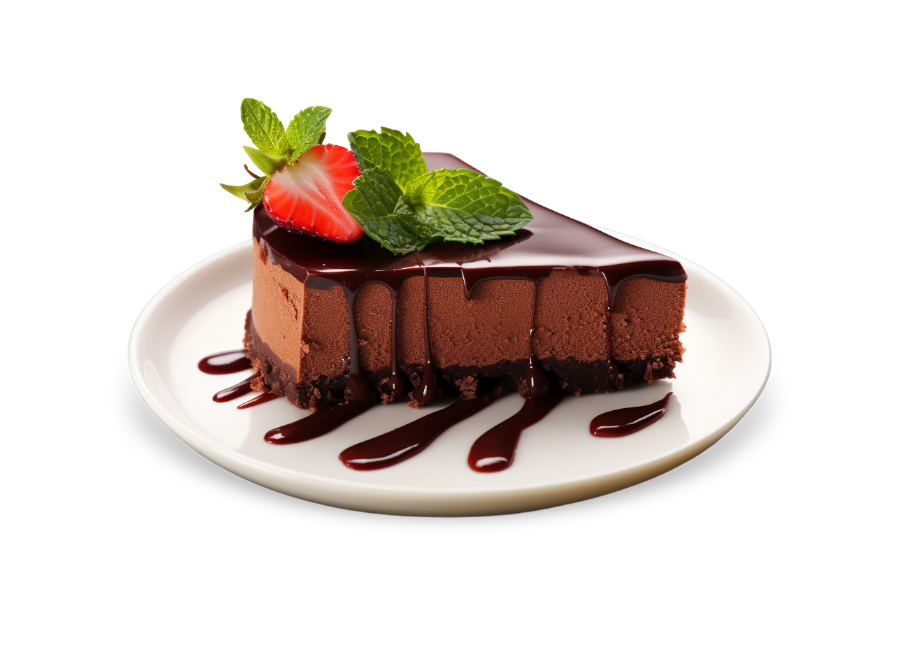
Chocolate cheesecake is a delightful dessert that combines creamy cheesecake with the irresistible flavor of chocolate. It's a favorite among dessert lovers and can be found in bakeries, restaurants, and kitchens everywhere. This treat boasts a velvety texture and a rich chocolate taste that's hard to resist. The cheesecake filling is made with a dose of chocolate, giving it a smooth and indulgent flavor. The crust is typically created by mixing crushed cookies (like chocolate wafers, Oreos, or graham crackers) with melted butter. This mixture is pressed into a pan, forming a sturdy and crunchy base for the cheesecake. For the filling, cream cheese is blended with sugar, eggs, and melted chocolate or cocoa powder, depending on your chocolate preference. To bake it to perfection and prevent cracks, chocolate cheesecakes are often baked in a water bath. When it comes to serving, the sky's the limit. You can enjoy it plain or get creative with toppings like whipped cream, chocolate ganache, fresh berries, or cocoa powder. It's the perfect excuse to satisfy your chocolate cravings and share your favorite chocolate cheesecake recipes or the best places to get a slice with friends and fellow dessert enthusiasts.

Read the story
Ice Cream for Breakfast
United States flagUnited States·February 3 2026

Ice Cream for Breakfast Day

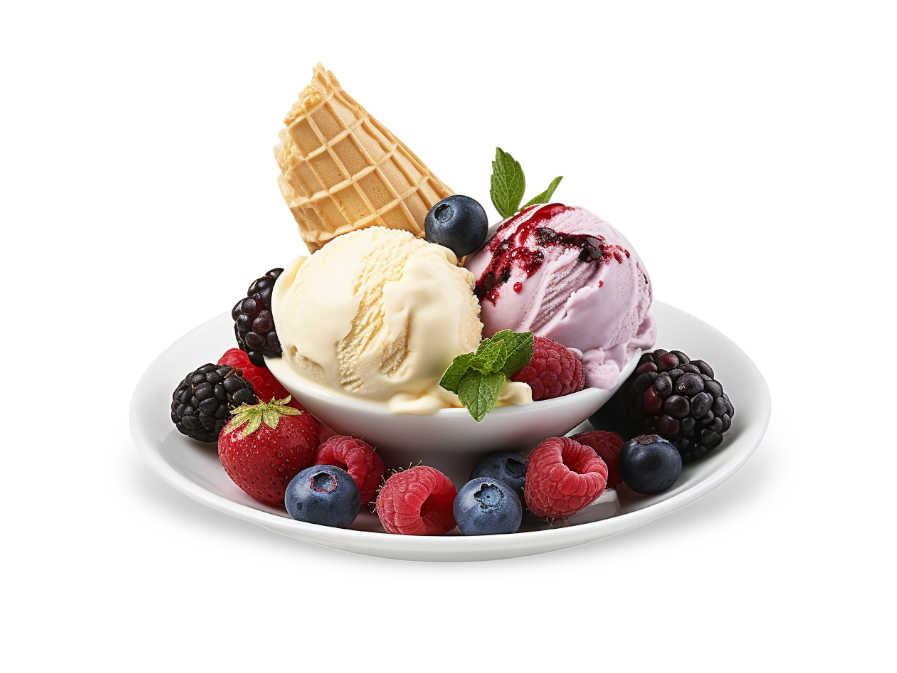
This tradition, born in snowy Rochester, New York in the 1960s, was the brainchild of Florence Rappaport, a mother of six looking to ward off cabin fever. As her youngest duo, Ruth (now Kristal) and Joe Rappaport, shivered and complained about the icy chill, Florence had a whimsical idea: “Let's have ice cream for breakfast!” The following year, her children eagerly reminded her, and the sweet tradition was born. Over the years, this frosty festivity spread far and wide, thanks to Florence's globe-trotting grandchildren. Today, Ice Cream for Breakfast Day is celebrated from New York to Namibia, with festivities ranging from cozy family gatherings to lively parties. Even Cosmopolitan and local publications have sung its praises. This day can add a sprinkle of joy to winter so dive into a scoop of chocolate, or vanilla, or get creative with flavors like bacon or avocado ice cream. Top it with fresh fruit or a dash of your favorite cereal for a crunchy twist. And if you're feeling adventurous, try cinnamon toast or coffee ice cream.

Read the story
Biscotti
United States flagUnited States·September 29 2026

International Biscotti Day

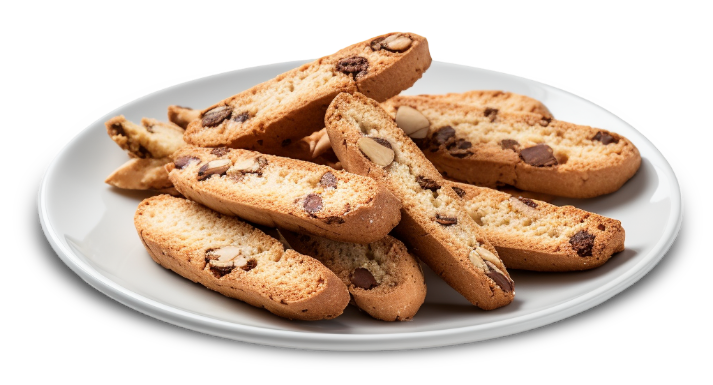
Biscotti, also known as cantucci, have a rich history dating back to the 17th century in Prato, Tuscany. Originating as a practical, long-shelf-life food for Roman travelers and soldiers, biscotti gained popularity during the Renaissance in Tuscany. Antonio Mattei, a Tuscan baker, showcased his creation at the International Exposition of 1867 in Paris, marking a pivotal moment in the biscotti Renaissance. The traditional biscotti recipe involves a unique combination of flour, eggs, sugar, pine nuts, and almonds. Notably, the absence of fats and leavening agents contributes to their signature dry and crunchy texture. Shaped into a log, baked, cooled, and sliced before undergoing a second baking, biscotti's form is achieved. Modern variations of the recipe offer a range of flavors, including Chocolate Hazelnut, Honey Pistachio, and Almond and Lemon Dipped in White Chocolate. Ingredients like butter, different nuts, baking powder, spices, chocolate chips, and dried fruit may be added, with some variations dipped in chocolate after the second baking. Biscotti's charm extends to its association with Vin Santo, a white dessert wine from Tuscany. In Italy, biscotti are served as a dessert, often accompanied by this sweet wine, and in Catalonia, they are enjoyed with dessert wines like muscat. Christopher Columbus played a role in introducing biscotti to America during his voyages, leading to modifications and adaptations. Biscotti are now enjoyed in various culinary delights, from tea and coffee pairings to inclusion in parfaits.

Read the story
Apple Dumpling
United States flagUnited States·September 17 2026

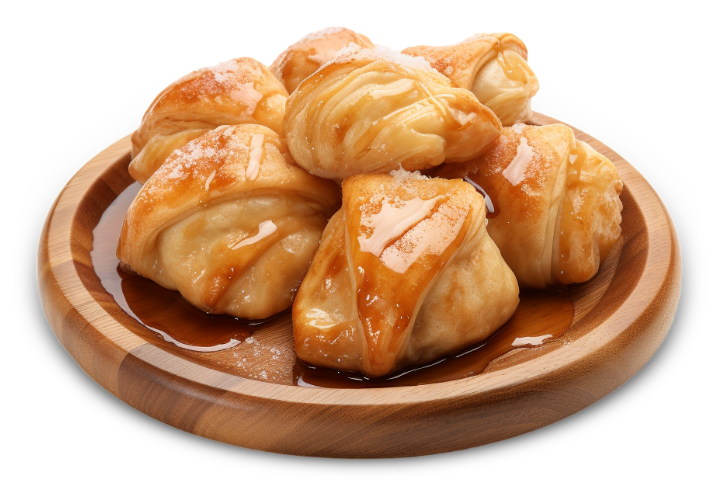
National Apple Dumpling Day

National Apple Dumpling Day on September 17th is a delightful celebration dedicated to one of America's most beloved desserts. Originating in the northeastern United States, particularly around Pennsylvania, this delectable pastry has a rich history dating back to the 17th century. Imagine biting into a warm, golden-brown apple dumpling, its aroma filling your kitchen with the essence of fall. The dish consists of apples wrapped in pastry, often flavored with cinnamon and occasionally studded with raisins. Popularized by the Amish, apple dumplings have become a cultural staple enjoyed by all social classes. To commemorate National Apple Dumpling Day, consider trying your hand at crafting this timeless treat. A simple recipe involves combining flour, salt, and shortening to create a crumbly dough. Wrap Granny Smith apples in portions of the dough, filling them with a delightful mixture of cinnamon, sugar, and butter. Seal the dumplings and bake until tender, creating a mouthwatering dessert that pairs perfectly with vanilla ice cream or a sweet sauce. The history of National Apple Dumpling Day is somewhat mysterious, but the origins of the dish itself can be traced back to England, Bavaria, and Austria. Originally boiled and steamed, the word ”dumpling“ comes from the German term ”dampf,“ meaning steam. Over time, the dish evolved into a baked delight, with spiced Granny Smith apples becoming a key ingredient.

Read the story
Apple Pie
United States flagUnited States·May 13 2026

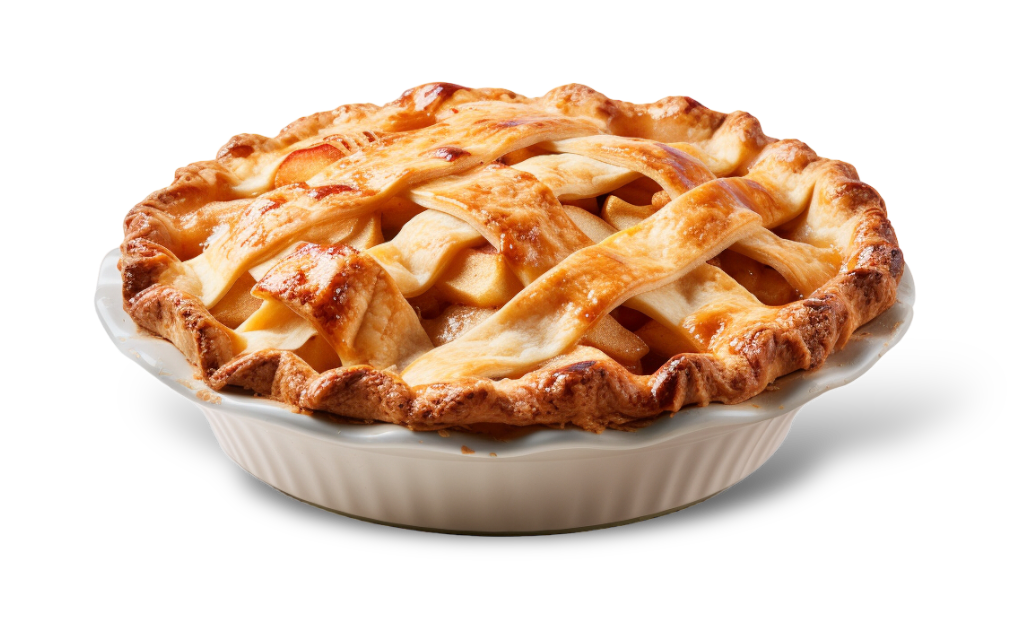
National Apple Pie Day

Apple pie is often seen as the ultimate American dessert. There are even two National Apple Pie Days each year! And let’s not forget the phrase “as American as apple pie.” But here’s the twist, apple pie didn’t originate in the U.S., nor did apples. Apples came from Asia, brought to the Americas by European settlers. Before that, only crab apples grew in North America. The first apples were used mainly for cider, but by the early 1800s, pie-friendly apples were being grown, coinciding with Johnny Appleseed’s legendary travels. The phrase “as American as apple pie” first appeared in 1924, but its connection to patriotism was cemented during World War II. Soldiers famously said they were fighting for “mom and apple pie,” reinforcing its status as an American icon. The earliest known apple pie recipe was printed in England in 1381, featuring apples, spices, and even saffron. Dutch apple pies, with their signature lattice crust, date back to 1514. France, Germany, and Italy had their own versions long before American colonies existed. Though not originally American, apple pie became a national symbol through nostalgia, marketing, and wartime sentiment. Today, whether homemade or store-bought, apple pie remains a beloved tradition, served hot, cold, and always with a side of history.

Read the story
Apple Strudel
United States flagUnited States·June 17 2026

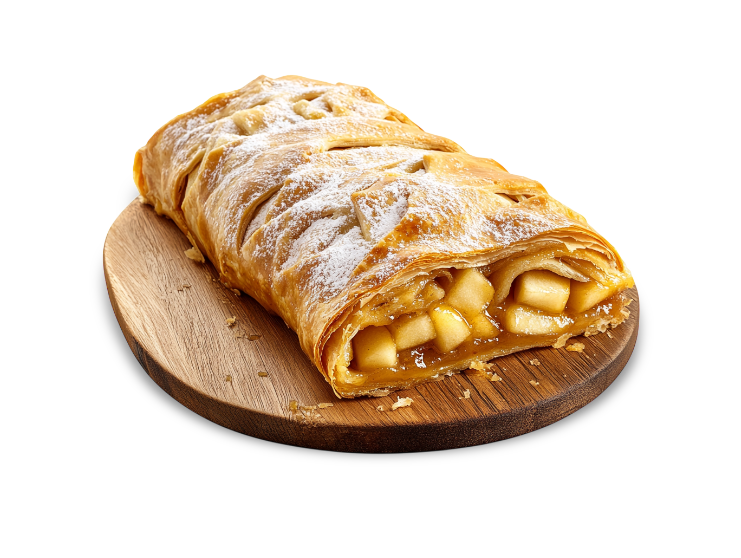
National Apple Strudel Day

Apple strudel, a layered pastry filled with apples, is a beloved dish with a rich history. The name "strudel" comes from the German word for "whirlpool" or "eddy," referring to its distinctive swirling layers. Though often mistaken for being of German origin, apple strudel is actually Austrian, with the oldest known recipe dating back to 1697, preserved in a handwritten Viennese cookbook. Strudel's origins trace back even further, likely influenced by the paper-thin pastry techniques used in Turkish baklava and Greek yufka. The dish evolved as it traveled westward, eventually becoming a staple in the kitchens of the Austro-Hungarian Empire during the 18th century. Vienna, known for its vibrant café culture, played a key role in refining the delicate art of stretching strudel dough until it was nearly translucent. A traditional apple strudel consists of thinly sliced apples, cinnamon, sugar, and sometimes raisins, wrapped in layers of unleavened dough. The dough is carefully rolled and baked until golden brown, often served with powdered sugar, whipped cream, or vanilla ice cream. While apple strudel remains the most iconic, variations include cheese, apricot, poppy seed, and even savory fillings like spinach. Today, nearly every Austrian family has its own take on the dish, cementing its status as a cultural treasure enjoyed worldwide.

Read the story
Applesauce Cake
United States flagUnited States·June 6 2026

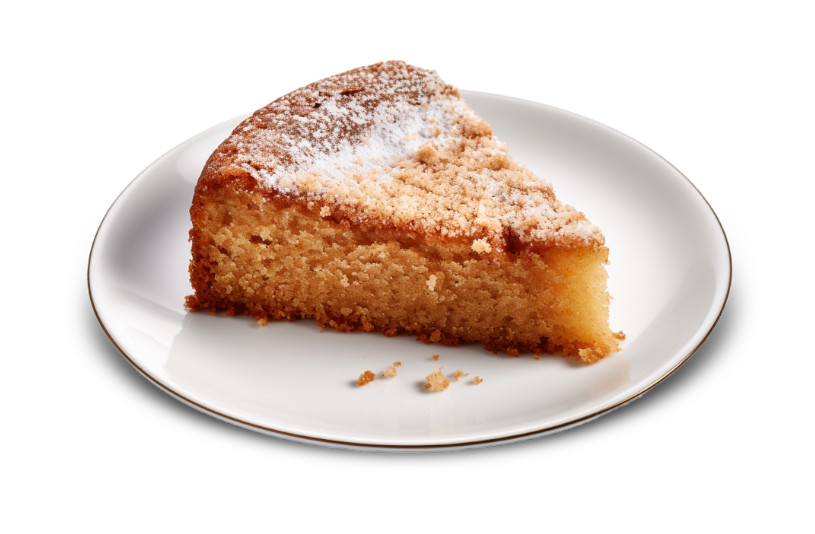
National Applesauce Cake Day

National Applesauce Cake Day is a celebration of a traditional American dessert that has stood the test of time. This moist and spiced cake, made with applesauce, sugar, and flour, has a rich history dating back to colonial times. In the early 20th century, during times of economic hardship, like the Great Depression and World War I, applesauce cake gained particular popularity due to its affordability and adaptability. It served as a practical and patriotic treat, requiring minimal ingredients, and was enjoyed by people of all ages. The roots of applesauce cake can be traced to colonial New England, where it was a part of the northeastern United States' culinary heritage. From 1900 to the 1950s, recipes for applesauce cake frequently appeared in American cookbooks, marking its enduring appeal. The moist, flavorful cake has evolved over the years to include various spices, nuts, and even vegan variations. **National Applesauce Cake Day timeline:** - 1739 Applesauce's First Appearance: Eliza Smith shares a recipe for applesauce in her cookbook “Complete Housewife.” - 1917 Applesauce Cake in Literature: Professor Mary Swartz Rose writes about applesauce cake in “Everyday Foods in War Time.” - 1940 Sugar Rationing in WWII: Applesauce replaces sugar in cakes during WWII’s times of economic hardship. - 2016 Perfect Dessert for Vegans: American author Anne Byrn shares a vintage applesauce cake recipe for vegans.

Read the story
Banana Lovers
United States flagUnited States·August 26 2026

National Banana Lovers Day

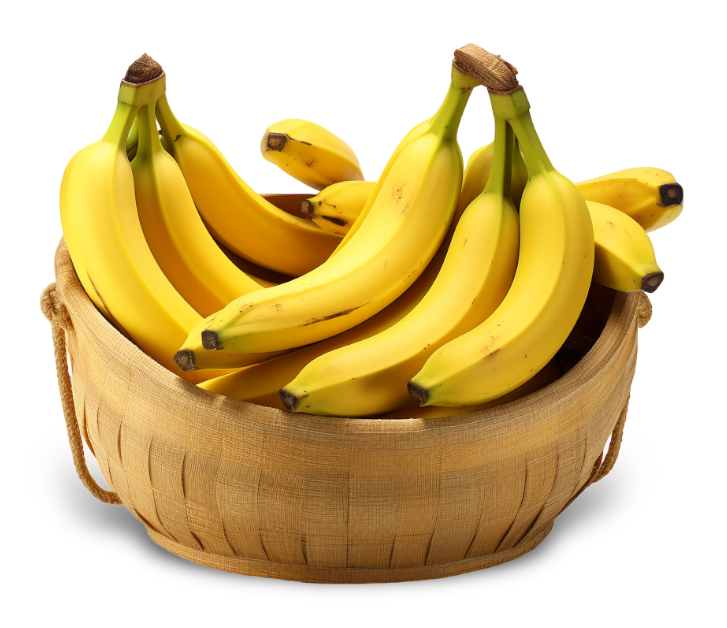
Bananas, not growing on trees but on large herbaceous plants, are nutrient-rich fruits with dietary fiber, sugars, and vitamin B6. There are two main types: dessert bananas for fresh consumption and culinary creations, and plantains for savory dishes. From banana bread and pudding to the iconic banana split and Bananas Foster, these fruits showcase culinary versatility, including the popular banana chips snack. Bananas' history spans over 10,000 years, originating in Southeast Asia and spreading globally, gaining popularity in the Western world in the 20th century. In the early 1900s, the United Fruit Company (now Chiquita) played a role in popularizing bananas in the United States, even portraying them as a vegetable akin to potatoes. This led to creative recipes and the comedic image of slipping on banana peels, a gag seen in early movies. Apart from their culinary uses, bananas offer health benefits, containing potassium, fiber, vitamin B6, vitamin C, amino acids, and tryptophan. These nutrients contribute to combating high blood pressure, ulcers, calcium loss, and some cancers while promoting overall well-being. The banana's journey from exotic to everyday reflects its global impact and cultural significance.

Read the story
Banana Split
United States flagUnited States·August 25 2026

National Banana Split Day

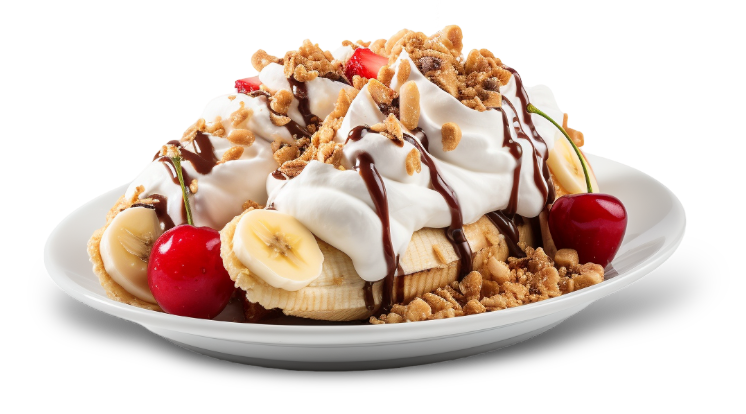
Banana Split consists of a banana cut in half lengthwise, hence the name “banana split,” with scoops of vanilla, strawberry, and chocolate ice cream nestled between the banana halves. The dessert is then lavishly adorned with a combination of chocolate, strawberry, and pineapple sauces, generously topped with whipped cream, nuts, and a maraschino cherry. The history of the banana split is as rich and flavorful as the dessert itself. In 1904, a 23-year-old apprentice pharmacist named David Evans Strickler created the very first banana split at Tassel's Pharmacy in Latrobe, Pennsylvania. Strickler's invention was a stroke of genius, combining the perfect harmony of bananas with the rich, sweet flavors of ice cream, whipped cream, maraschino cherries, strawberries, hot fudge, and other delectable toppings. The popularity of the banana split quickly spread, thanks to enthusiastic students at Saint Vincent College nearby, who frequented the pharmacy to savor this new, extraordinary treat. The word-of-mouth buzz among the college students helped introduce the banana split to a wider audience, and soon, it became an American institution, with Strickler's banana-based sundaes earning the moniker “Dr. Dave's.” While the true origins of the banana split have been contested by various towns, Latrobe, Pennsylvania, where Strickler's creation is well-documented, remains the most likely birthplace of this iconic dessert. Wilmington, Ohio, also claims credit for its invention, but the evidence leans in favor of Latrobe.

Read the story
Bittersweet Chocolate with Almonds
United States flagUnited States·November 7 2026

National Bittersweet Chocolate with Almonds Day

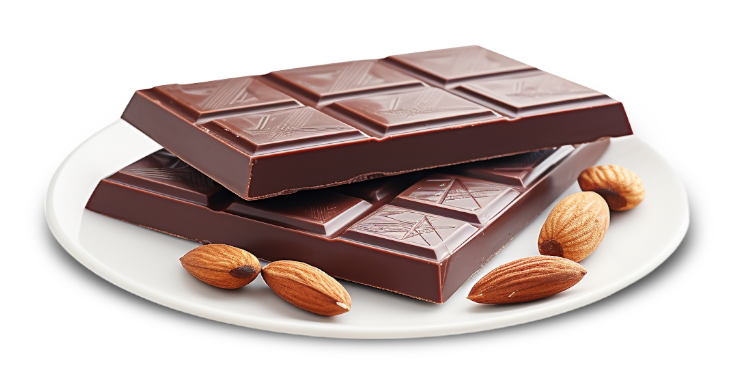
The history of this day traces back to the 18th century when Eliza Smith's cookbook, ”The Compleat Housewife,“ featured a recipe for chocolate almonds. Bittersweet chocolate, a type of dark chocolate, is distinguished by its cocoa content, containing chocolate liquor, sugar, cocoa butter, and vanilla. It has less sugar and more liquor than semisweet chocolate, and the terms are often interchangeable in baking. Almonds, though not true nuts botanically, are culinary nuts widely used in various sweets and desserts. The pairing of chocolate and almonds dates back to at least the mid-18th century, and Eliza Smith's recipe highlighted this delightful combination. Recent studies emphasize the health benefits of consuming small quantities of bittersweet chocolate, and adding almonds enhances these benefits. The National Confectioners Association sponsors National Bittersweet Chocolate with Almonds Day, emphasizing the delicious and healthy nature of this pairing. Celebrating this day can take various forms, from enjoying a classic chocolate bar with almonds to exploring artisanal truffles, clusters, barks, or even incorporating this flavor combination into savory dishes. The origins of this specific day are somewhat unknown, but it is likely that it was established to honor the rich history and delightful taste of bittersweet chocolate with almonds.

Read the story
Blueberry Pie
United States flagUnited States·April 28 2026

National Blueberry Pie Day

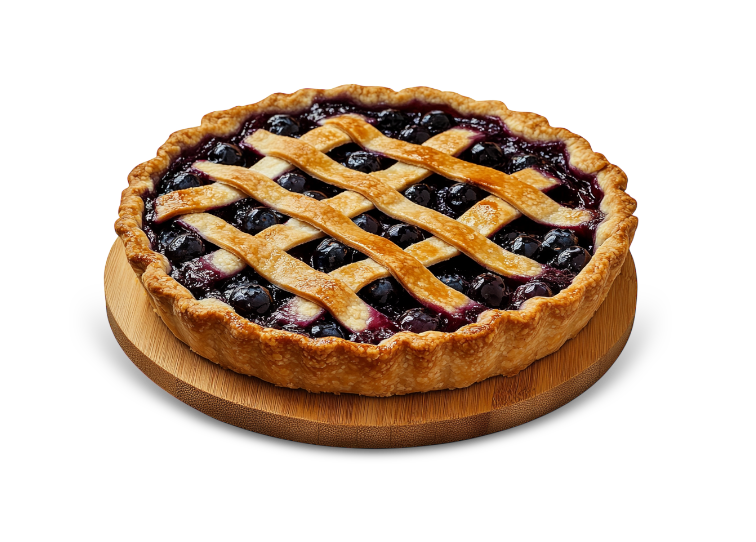
The story starts long before ovens were preheated and pies were latticed. Native Americans, the original stewards of the land, prized blueberries, what they called "star berries" due to their star-shaped blossom ends. Blueberries were essential for survival. They helped sustain Native Americans and early settlers alike, possibly saving them from starvation during brutal winters. Fast forward to colonial America, where blueberries transitioned from survival food to star ingredient. Settlers embraced the berry, and by the mid-19th century, blueberries had made their debut in pies. The first blueberry pie recipes appeared in cookbooks like culinary treasure maps, showcasing Maine's wild blueberries as the hero ingredient. To this day, Maine claims blueberry pie as its official state dessert, and for good reason—this pie’s roots run deep in the rocky New England soil. By the 1800s, blueberry pie was a household favorite, and not just in Maine. Soldiers during the Civil War, smitten with Maine’s wild blueberries, brought their love for the fruit back home. Suddenly, blueberries weren’t just a regional treat—they were spreading across the country like wildfire (or perhaps pie filling). The berries don’t need peeling or pitting and are packed with antioxidants, potassium, and vitamin C. A classic filling of blueberries, sugar, lemon juice, and spices like cinnamon or nutmeg is encased in a buttery crust.

Read the story
Brownie
United States flagUnited States·December 8 2026

National Brownie Day

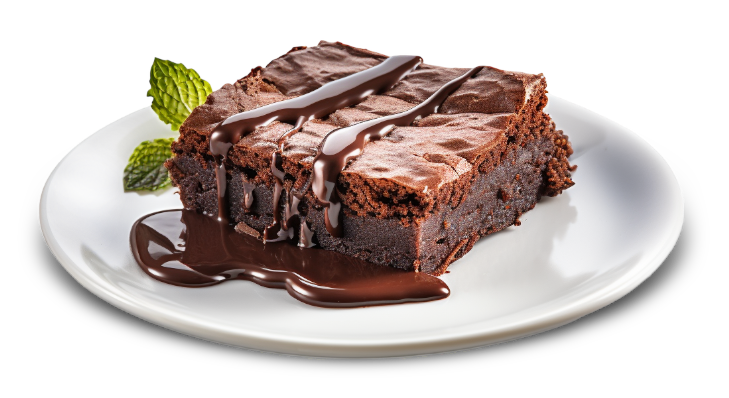
National Brownie Day traces its roots to 1893 at the Palmer House Hotel in Chicago, where socialite Bertha Palmer requested a small, cake-like dessert for boxed lunches at the Chicago World’s Columbian Exposition. The resulting Palmer House Brownie, adorned with walnuts and apricot glaze, became the iconic origin of the brownie, even though the name emerged later. As the 20th century began, the brownie underwent transformations, with the 1907 “Bangor Brownie” adaptation featuring extra richness with an additional egg and chocolate square. The term “Bangor” tied back to a Maine town where a housewife was believed to have created the original brownie recipe, solidifying the brownie's identity amid myths of its accidental creation. Before chocolate brownies gained fame, the blondie, featured in Fanny Farmer's 1869 cookbook, graced American tables with its light brown color and molasses flavor. Over time, brown sugar replaced molasses, introducing a butterscotch note. Blondies evolved with various chefs and cultural influences, offering a myriad of delicious variations. National Brownie Day is intertwined with historical significance, celebrating the 1893 exposition's 400th anniversary of Columbus' arrival and symbolizing Chicago's recovery from the Great Fire of 1871.

Read the story
Bubble Gum
United States flagUnited States·February 6 2026

National Bubble Gum Day

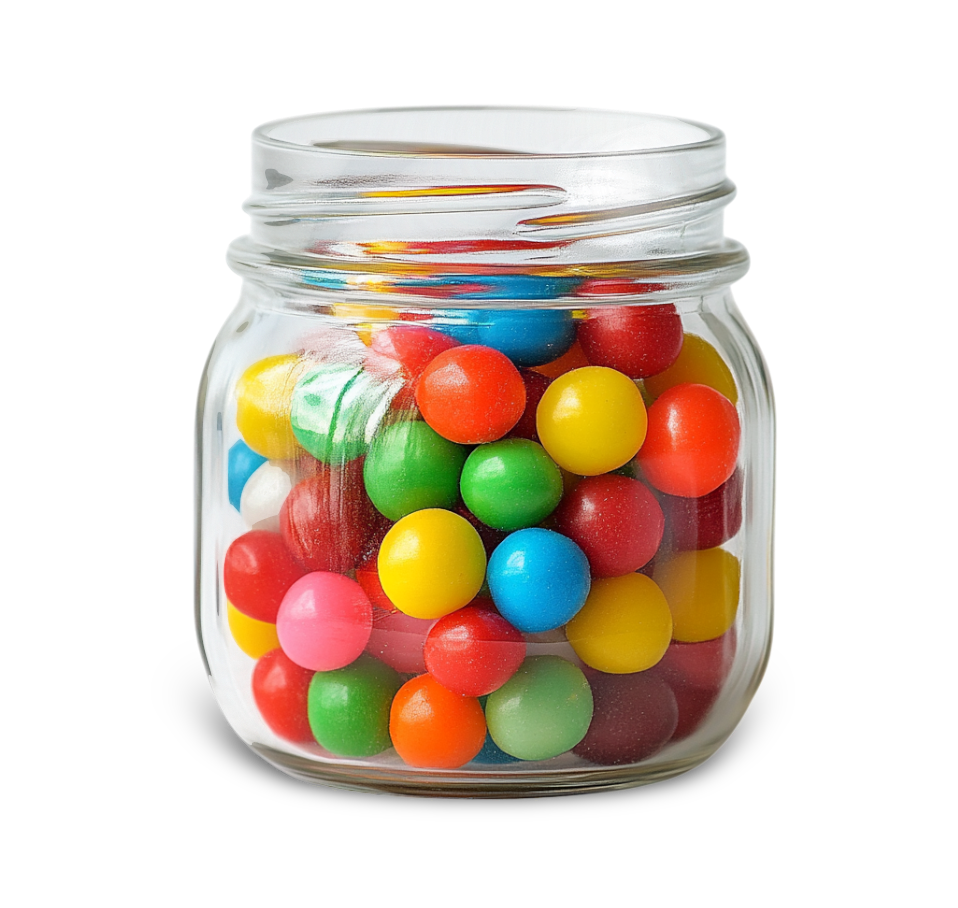
Bubble gum Day was first celebrated in 2006 by author Ruth Spiro, who wanted a day that combined education, philanthropy, and bubble gum. The idea took off, and today, schools, businesses, and libraries participate by raising money for charity—often letting kids chew gum in school for a small donation. Bubble gum itself has a fun history. In 1928, Walter Diemer created a gum that was less sticky and stretched better, calling it Blibber Blubber—later renamed Dubble Bubble. It ruled the market until World War II, when Bazooka became popular. Later, Hubba Bubba and Bubble Yum introduced synthetic gum bases, making gum easier to chew and less likely to stick to faces. Bubble gum is usually pink—a tradition started by Diemer’s original batch. Kids love fruity flavors like strawberry and blue raspberry, while unusual flavors remain a novelty. Today’s gum combines natural chicle and synthetic bases to create the perfect chewy texture.

Read the story
Candied Orange Peel
United States flagUnited States·May 4 2026

National Candied Orange Peel Day

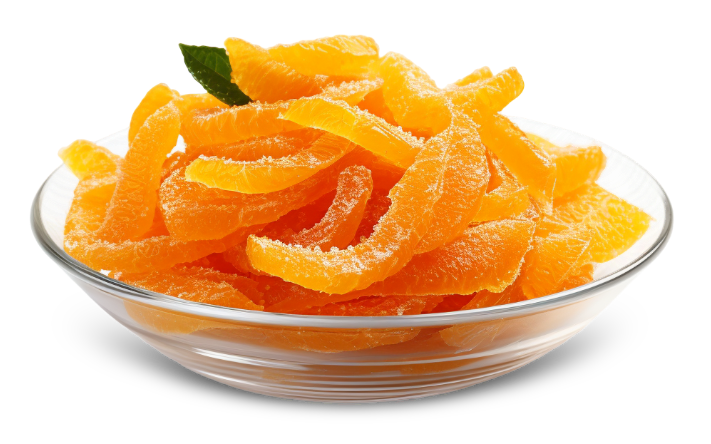
Candied orange peel is a beloved addition to cakes and pastries, cherished for its ability to save what would otherwise be discarded orange peels. The process of preserving foods using sugar and honey dates back to ancient times, with evidence of its use in ancient China and Mesopotamia for various culinary creations. The practice of candying fruit, as we know it, appears to have originated in Arab culture, where it was served at banquets. Candied fruits made their way to the West, becoming a vital ingredient in some of the most iconic European desserts, like the Italian Panettone, which incorporates candied orange and lemon peels. Typically, orange peel is candied by boiling it in sugared water and then rolling it in sugar before allowing it to dry. This day serves as an opportunity to highlight the versatility and charm of candied orange peels. Chefs and bakers frequently use them to enhance the flavor and presentation of their dishes. They play a significant role in holiday baking, finding their way into recipes such as cookies and fruitcakes, as well as granola and tarts. The orange peel, often discarded, can now be enjoyed in a crystallized, sugary form, becoming a favorite in cookies, cakes, and pastries.

Read the story
Caramel Apple
United States flagUnited States·October 31 2026

National Caramel Apple Day

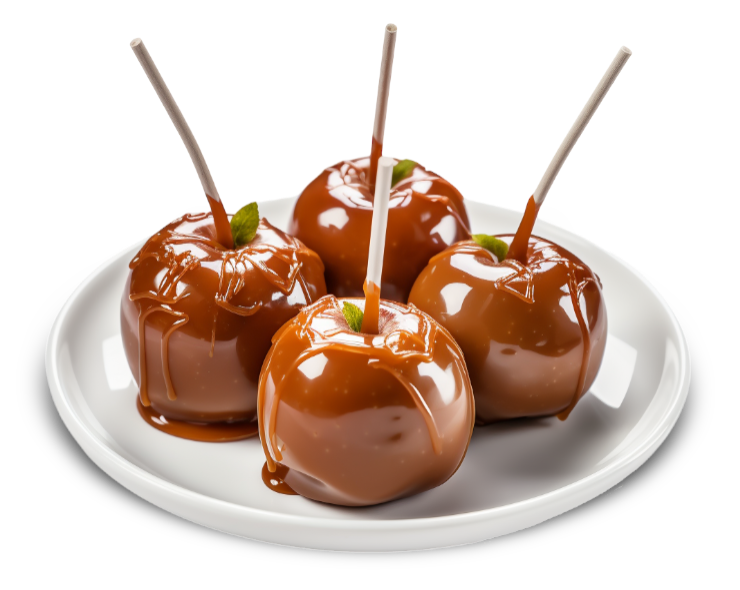
Picture this: a surplus of Halloween caramels, a few apples, and a stroke of culinary genius. Enter Dan Walker, the mastermind behind the caramel apple, who melted down excess caramels and coated apples, giving birth to an instant autumn classic. The synergy of fall's apple season and Halloween festivities made caramel apples the go-to snack for hayrides, corn mazes, and Halloween parties. The process is as simple as it is scrumptious—skewer a tart, crisp apple like Fuji or Granny Smith, dip it into a pool of melted caramel and let it cool. The result? A crunchy, sweet masterpiece, perfect for Halloween and beyond. Don't mistake these for candy apples; the distinction lies in the coating, with candy apples boasting a sugar layer instead. Fast forward to the present, and National Caramel Apple Day invites us to relive cherished memories of crafting these treats at fairs, carnivals, or at home with family. The tantalizing aroma of caramelized sugar and the luscious crunch of a well-made caramel apple make this day a true fall favorite. In 1908, William W. Kolb, a New Jersey candy maker, introduced the red caramel apple. Meanwhile, caramel apples found their moment in the 1950s, thanks to Dan Walker's inventive use of Halloween caramels. The popularity of these treats soared, with Vito Raimondi's invention of the caramel apple-making machine in 1960 revolutionizing the production process.

Read the story
Cheese Souffle
United States flagUnited States·May 18 2026

National Cheese Souffle Day

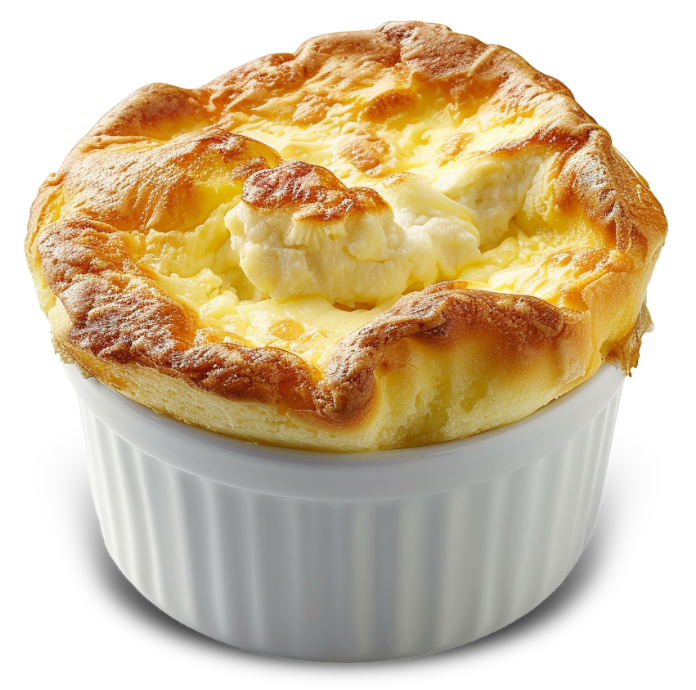
A souffle is a yummy dish made with eggs that first came from France in the 1700s. Vincent La Chapelle is credited with mentioning it first, but Marie-Antoine Careme made it really famous by making it fancy. To make a souffle, you mix egg whites with a creamy sauce and bake it. It puffs up and turns golden brown. People add all sorts of things to it, like cheese, jam, fruit, chocolate, or lemon. The word “souffle” means to puff up, which is exactly what it does when it's cooked. You can make it sweet or savory, depending on what flavors you like. Traditionally, it's baked in a small dish called a ramekin. Over time, lots of different kinds of souffles have been made. Even though the basic steps are the same, the flavors you add can change how it tastes. About a hundred years after Marie-Antoine Caremes recipe, it became popular in the United States. Julia Child, a famous chef, helped make French cooking, including cheese souffles, popular in American homes.

Read the story
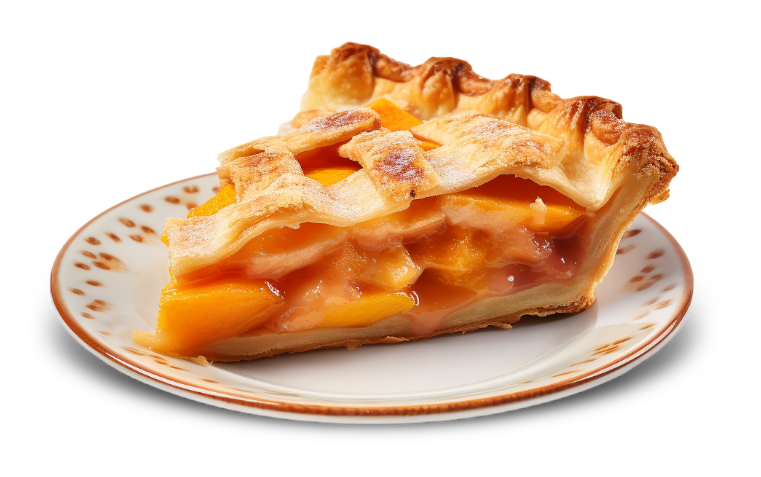
Cheesecake
United States flagUnited States·July 30 2026

National Cheesecake Day

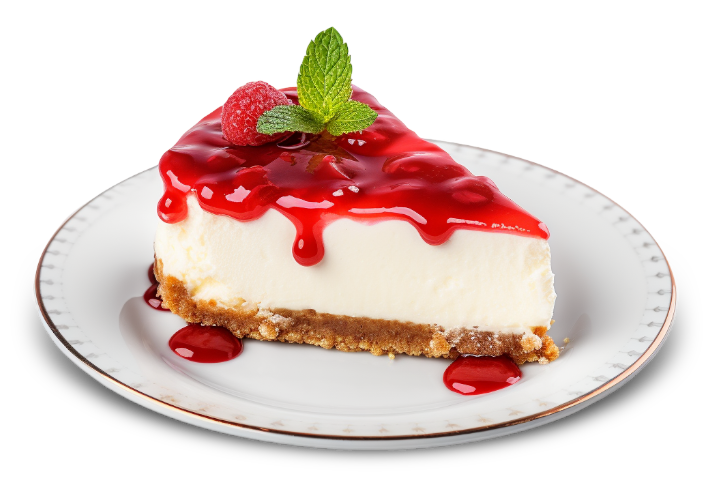
Cheesecake, while it bears the name “cake,” is more of a dessert hybrid that tantalizes taste buds with its rich, indulgent flavors. This delightful confection consists of a delectable marriage between a crust, often made from graham crackers or crushed cookies, and a luscious cheese filling, usually featuring cream cheese, sugar, and eggs. It may be baked to perfection, or served unbaked, offering versatility in texture and taste. The history of cheesecake is as intriguing as the dessert itself. Its origins can be traced back to the ancient Greeks around 200 A.D. The Greeks prepared a simple yet hearty cheesecake with a mixture of cheese, flour, and honey, which was served to athletes during the Olympic Games. Over time, the recipe evolved and was passed down through various cultures. The Romans conquered Greece and adopted the cheesecake, adding their twist by incorporating crumbled cheese and eggs, baking it to perfection. As the centuries passed, cheesecake recipes spread across Europe, adapting to local ingredients and tastes. In the United States, cheesecake found a new identity with the invention of cream cheese in the 1820s, paving the way for the creamy and decadent New York-style cheesecake. National Cheesecake Day, although initially conceived in 1985, gained popularity in 2001 with the rise of the internet. It has since become a worldwide sensation, celebrating a dessert that transcends cultural boundaries and brings joy to countless palates. To commemorate this delicious day, people indulge in various cheesecake varieties, from New York style with its creamy richness to Philadelphia style with a lighter texture and richer flavor. There are also regional specialties like Chicago-style, farmer cheese, and Dutch-style cheesecakes.

Read the story
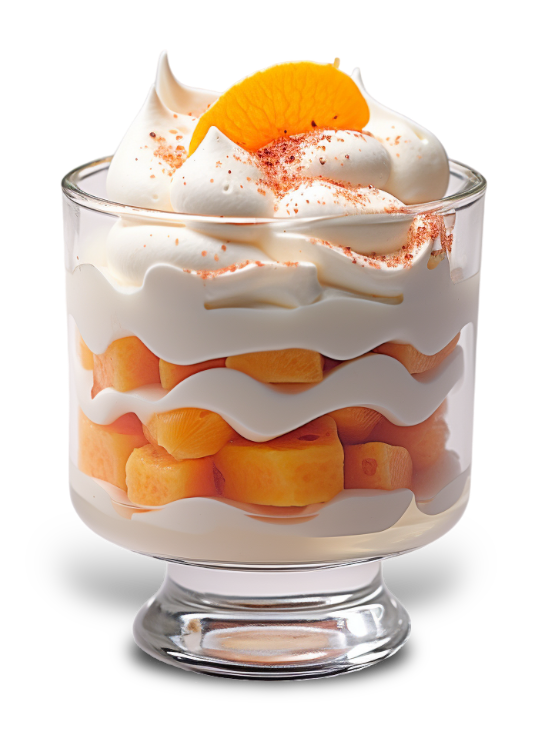
Chocolate Covered Anything
United States flagUnited States·December 16 2026

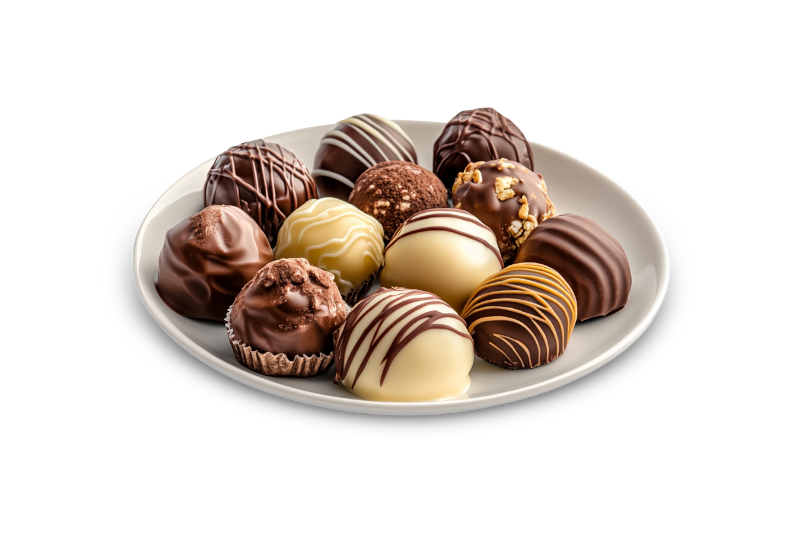
National Chocolate Covered Anything Day

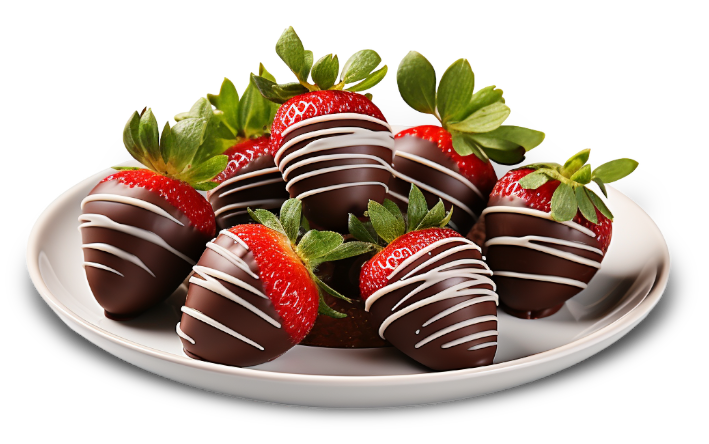
National Chocolate Covered Anything Day is rooted in the rich history of chocolate, which traces back to Mesoamerica around 1900 BC. Initially enjoyed as fermented beverages by the Aztecs, cacao seeds held significant value, even serving as currency. With its journey to Europe in the sixteenth century, chocolate transformed from a frothy, unsweetened beverage to a sweet delight, captivating European aristocrats. The term “chocolate” first appeared in print in England in 1604. The eighteenth century witnessed the rise of chocolate as a fashionable drink in Europe, and by 1765, the first chocolate manufacturing took place in the United States. The nineteenth century saw the birth of chocolate candy bars, with Cadbury leading the way in 1842, and the introduction of milk chocolate by Daniel Peter in 1875. Milton S. Hershey's entrepreneurial spirit in the early twentieth century marked a significant chapter, leading to the creation of the Hershey bar in 1900 and the iconic Hershey's Kiss in 1907. The history of chocolate extended beyond pleasure during World War II, with Hershey providing troops with Ration D bars. Despite the mystery surrounding the origin of National Chocolate Covered Anything Day, the celebration is deeply intertwined with chocolate's global journey, evolving and being embraced by diverse cultures over the centuries.

Read the story
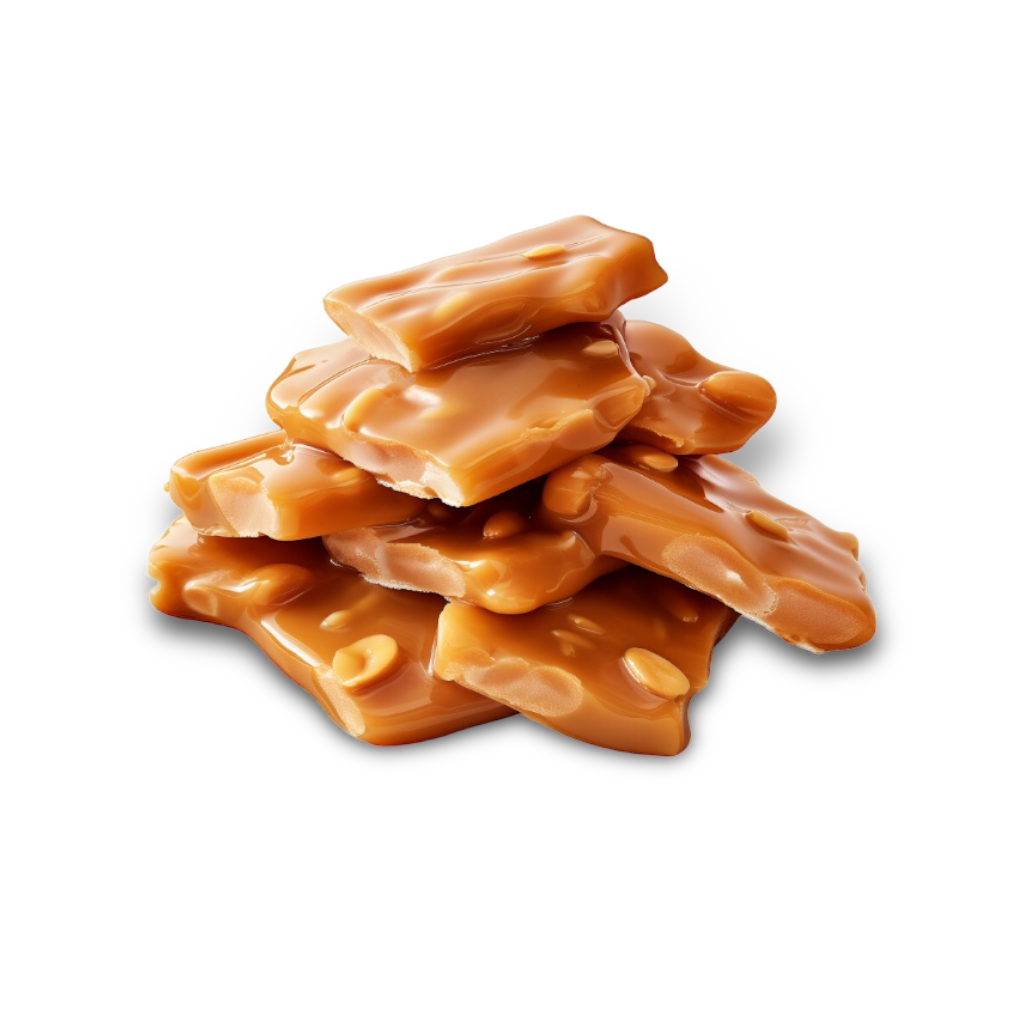
Chocolate Wafer
United States flagUnited States·July 3 2026

National Chocolate Wafer Day

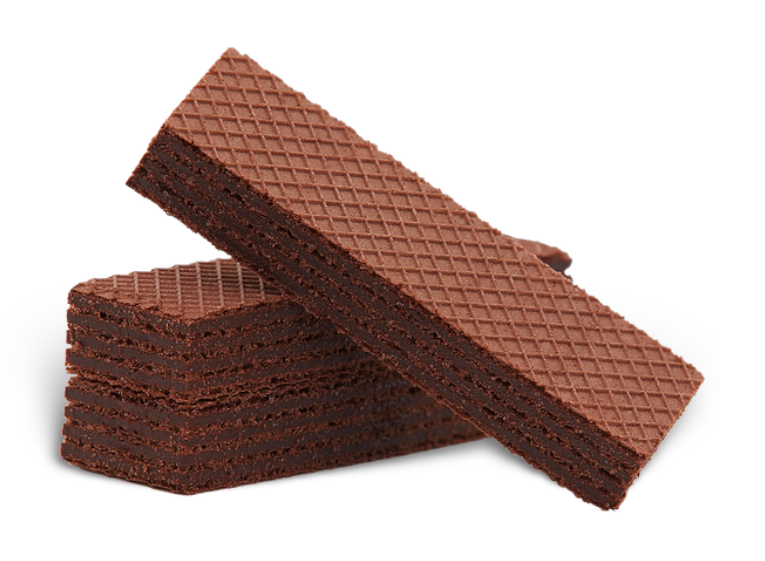
In North America, the history of chocolate wafers traces back to the mid-1800s, initially created as snacks and after-dinner treats. These delicate cookies, with a light flavor and a rich chocolate filling, gained popularity during tea time and social gatherings. While enjoyed on their own, they became versatile ingredients, adding texture and flavor to desserts like ice cream, cakes, and cheesecakes. Numerous passionate companies produced chocolate wafers, each proud of unique ingredients, recipes, and packaging. Mergers in the 1930s led to fewer dedicated brands. Today, chocolate wafers remain beloved for their waffle-like pattern and thin, crispy layers. A staple in ice cream parlors, they complement favorite flavors. Bakers use them in various treats, enhancing cakes and cheesecakes, and they serve as decorative elements. Kit Kat, an iconic brand, combines chocolate and wafers globally. Kit Kat bars are popular in America and beyond. Another creation, the chocolate waffle cone, featuring chocolate wafers, holds ice cream and provides an extra treat afterward. National Chocolate Wafer Day's origin is somewhat mysterious, with speculation that Nabisco introduced it in 1924 as a promotional tool, quickly gaining popularity. Regardless, the day offers a perfect excuse to enjoy one of America's favorite snacks - chocolate wafers.
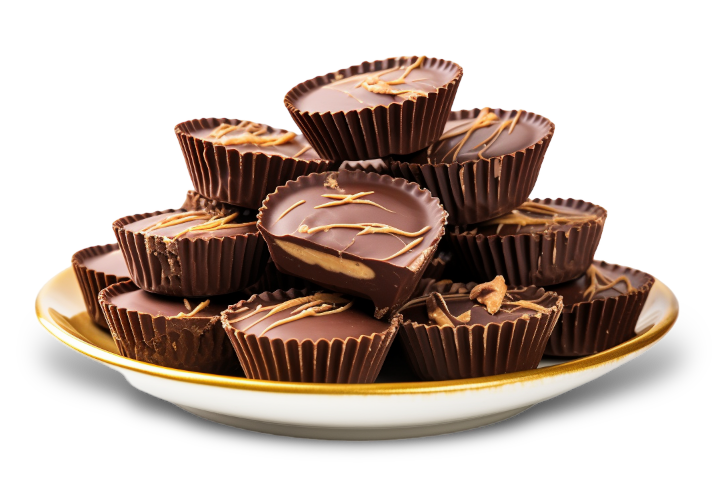
Read the story
Coconut Torte
United States flagUnited States·March 13 2026

National Coconut Torte Day

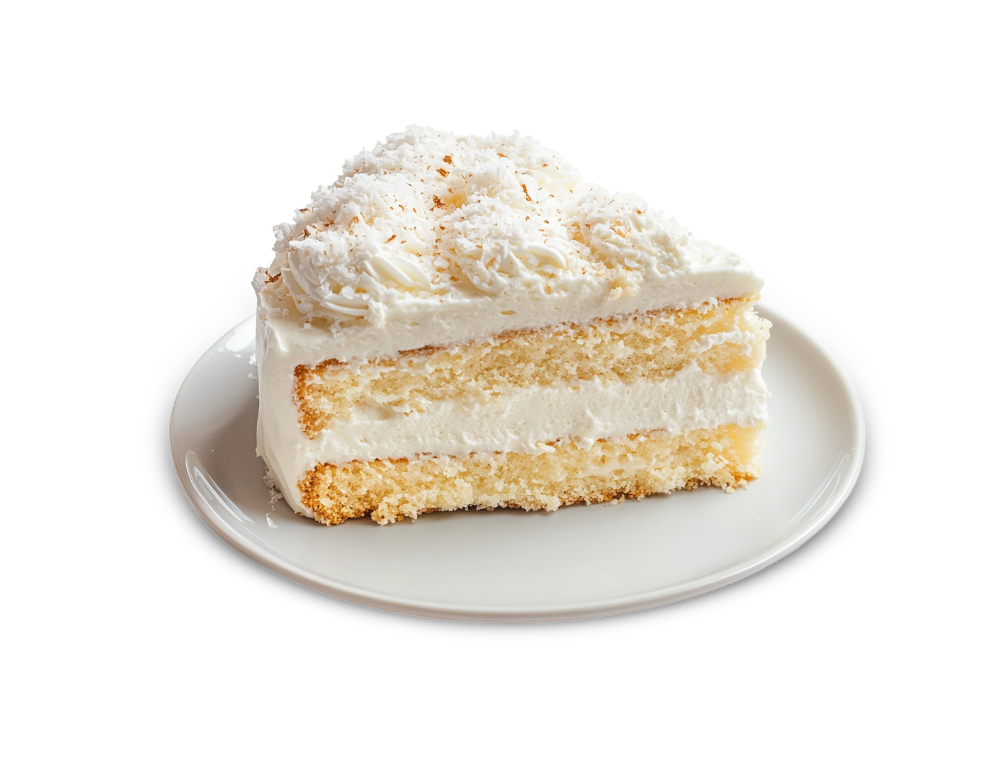
The word torte comes from the German and Italian languages, both referring to a round cake. It has deep European roots, with iconic tortes like the Sachertorte and Linzer Torte hailing from Austria and Germany. These multilayered cakes, often filled with whipped cream or jam, have been enjoyed for centuries. Coconuts themselves have been around for thousands of years. They were traded along ancient trade routes, first brought to Europe by Arab traders from India and East Africa. Marco Polo even described the coconut as "The Pharaoh’s Nut" in the 13th century, referring to its unique shape. By the 16th century, the name coco (which means "head" or "skull" in Portuguese) stuck, and the coconut became a symbol of mystery and healing powers. Fast forward to the 1920s, when the coconut cake became a popular treat at social gatherings, especially among women. As people experimented with coconut, the coconut torte was born, blending the European tradition of tortes with the tropical sweetness of coconut. This cake is often layered with coconut cream, covered in coconut flakes, and may feature coconut-flavored frosting, creating a perfect balance of rich and refreshing flavors. While coconut torte originated in the Southern United States, it's enjoyed around the world today, with many variations. It typically consists of a few layers of cake brushed with simple syrup, layered with creamy coconut filling, and topped off with a generous amount of coconut flakes.

Read the story
Coffee Milkshake
United States flagUnited States·July 26 2026

National Coffee Milkshake Day

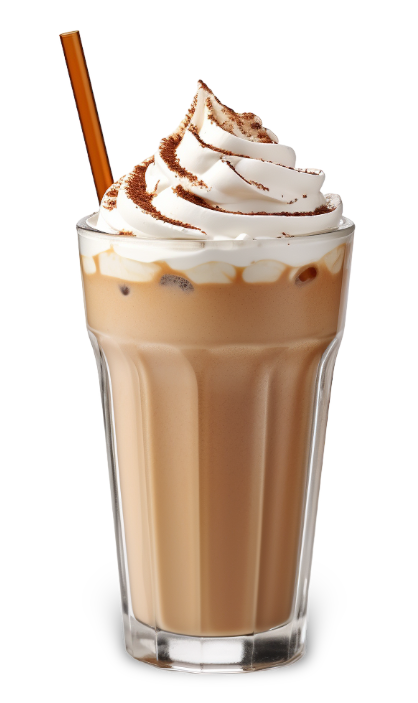
The history of coffee milkshakes dates back to the late 19th century when non-alcoholic versions gained popularity. Initially, milkshakes were alcoholic, featuring eggs and whiskey, but by 1900, the non-alcoholic, ice cream-based version became prevalent. Coffee milkshakes follow the classic recipe, blending milk and ice cream with sweeteners and flavorings. The key ingredient for a chilled coffee milkshake is cold-brewed coffee, achieved by steeping coarsely ground coffee in cold, filtered water for at least eight hours. Coffee milkshakes offer a refreshing way to enjoy the taste of coffee, particularly on hot summer days when a hot cup is less appealing. The term “milkshake” first appeared in 1885, initially referring to alcoholic beverages but evolving into the ice cream-based treat we know today. Milkshakes became popular in malt shops by the 1930s and iconic meeting places for students. While the exact origins of coffee milkshakes in America are uncertain, they are attributed to Italian immigrants in Rhode Island, where they are known as “coffee cabinets.” These concoctions, dating back to the World War II era, typically include coffee ice cream, coffee syrup, and milk. Despite uncertainties, coffee milkshakes have become a cherished summer tradition, blending the best of both coffee and ice cream into an irresistible treat. National Coffee Milkshake Day, celebrated on an unspecified date, provides a reason to enjoy this delightful fusion of flavors.
Read the story
Cookie
United States flagUnited States·December 4 2026

National Cookie Day

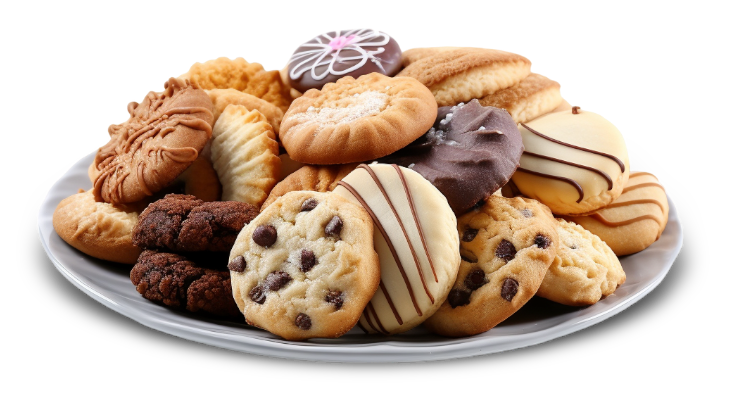
Cookies, originally dubbed “little cakes,” have a storied history dating back to Persia in the 7th century, where they served as test cakes for oven temperatures. The term “cookie” finds its roots in the Dutch word “koekje,” meaning “little cake,” and Dutch colonists brought these treats to America in the 17th century, transforming them into the present-day American cookie. What distinguishes cookies from traditional cakes and pastries is their unique composition. Cookie dough typically lacks water, relying on a higher content of oil or butter, resulting in a denser structure and a beloved texture. Throughout history, cookies adapted to the tastes of different cultures, with playful names like jumbles and tea cakes. The 19th century saw transformative changes in cookie history, fueled by transportation advancements. Trains provided access to new ingredients like coconut and oranges, expanding flavor options. The 20th century brought electricity, extending cookie shelf life and introducing innovative ingredients. A pivotal moment occurred in 1937 when Ruth Graves Wakefield invented the iconic chocolate chip cookie at the Toll House Restaurant. The agreement with Nestle to print the recipe on its chocolate bar packaging elevated the chocolate chip cookie to legendary status. In the 21st century, Maxine's Heavenly emerged as a modern homage to wholesome and delicious cookies, reimagining traditional recipes with healthier alternatives. National Cookie Day, founded in 1987 by Matt Nader of Blue Chip Cookies, celebrates this iconic treat's diversity, with noteworthy types including chocolate chip, butter, oatmeal raisin, and peanut butter cookies.

Read the story
Corned Beef Hash
United States flagUnited States·September 27 2026

National Corned Beef Hash Day

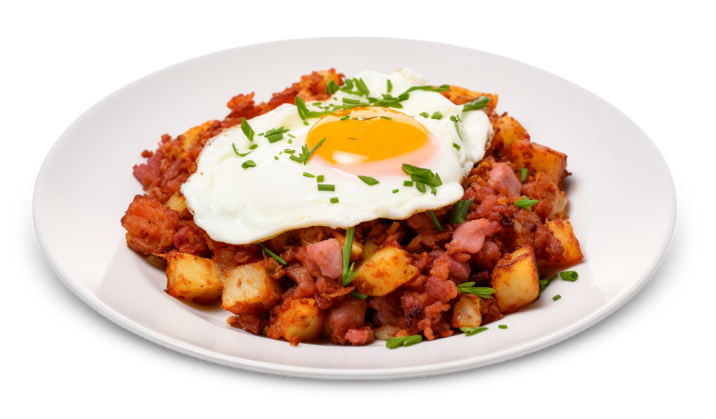
Corned beef hash has roots dating back to the 17th century when the British coined the term ”corned beef“ to describe meat preserved with salt kernels. In the 19th century, Ashkenazi Jewish immigrants brought corned beef recipes to the U.S., and during World War II, corned beef hash emerged as a creative solution to food rationing. In times of scarcity, cooks showcased their ingenuity by crafting corned beef hash as a flavorful way to stretch meals, using spices, herbs, and leftovers. This not only celebrated the dish but also reflected a commitment to reducing food waste—a message still relevant today. While the Hormel Company claims to have introduced canned corned beef hash and roast beef hash in the U.S. in 1950, hash itself has been a part of American culinary culture since at least the 19th century, seen in the prevalence of ”hash houses“ or affordable restaurants named after the dish. Internationally, corned beef hash takes on various forms and names. In Slovenia, it becomes haše, featuring a delightful blend of spices, flour, garlic, onion, and more. Denmark adds its twist with bikesmad, a concoction of diced pork served with pickled red beet slices, Worcestershire sauce, and a fried egg. National Corned Beef Hash Day provides an excellent opportunity to explore diverse trends in hash cuisine.

Read the story
Creamsicle
United States flagUnited States·August 14 2026

National Creamsicle Day

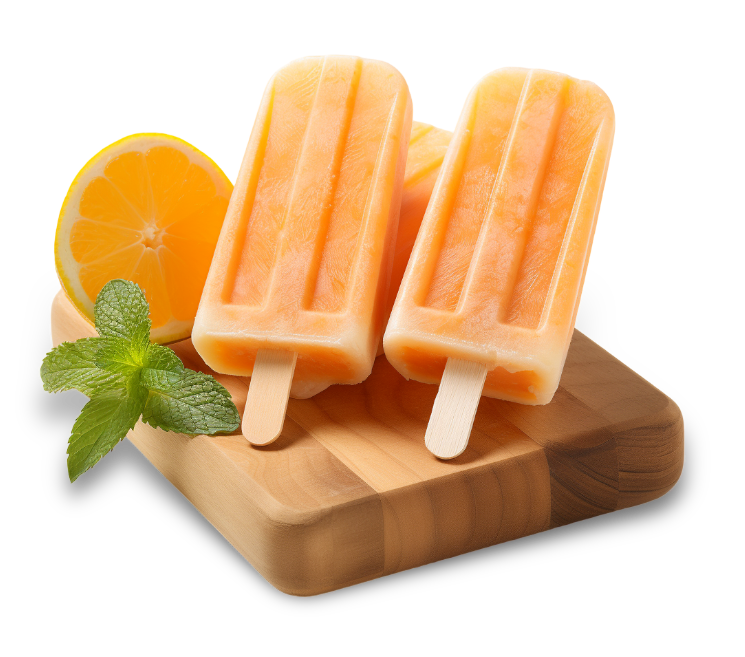
The Creamsicle, a beloved frozen treat owned by Good Humor under Unilever, features a flat vanilla ice cream bar on a stick enveloped in flavored ice. While the classic orange-vanilla combination is iconic, the Creamsicle boasts various flavors like lime, blue raspberry, grape, blueberry, and cherry, earning it the nickname “50-50 bar.” The origin of the Creamsicle traces back to 1905 when 11-year-old Frank Epperson accidentally left a mixture of fruit juice and water outside overnight, resulting in a frozen treat with a stick in the center. This invention, initially named Epsicle, evolved into the Popsicle, Creamsicle, and Dreamsicle after Frank was granted a patent in 1924. During the Great Depression, the Twin Popsicle was introduced, offering an affordable treat for two children. Today, Creamsicle enthusiasts can enjoy a variety of flavors, including sugar-free and low-calorie options. The frozen delight has inspired an array of desserts and beverages, such as creamsicle pie, layer cake, pudding, cupcakes, smoothies, and martinis, showcasing the enduring appeal of the delightful cream and orange combination. National Creamsicle Day invites everyone to indulge in the sweet and tangy possibilities offered by this iconic frozen dessert.

Read the story
Cupcake
United States flagUnited States·December 15 2026

National Cupcake Day

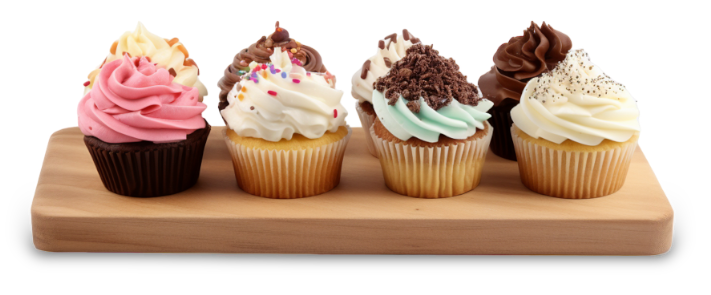
The cupcake, rooted in the late 18th century, found its earliest known recipe in Amelia Simmons' 1796 book “American Cookery.” Titled “Light Cakes to bake in small cups,” these individual delights were baked in teacups, possibly created to surprise loved ones. The term “cupcake” originated in the 19th century due to recipes like “1-2-3-4 cakes,” specifying one cup of butter, two cups of sugar, three cups of flour, and four eggs, using measuring cups instead of weights. In 1828, Eliza Leslie's cookbook officially introduced the term “cupcake,” emphasizing both the small cup-like containers for baking and the measured use of cups in recipes. Initially baked in various containers, cupcakes evolved visually, with the 20th century introducing the first official flavor by Hostess in 1919. The 21st century witnessed a cupcake renaissance, with Sprinkles Cupcakes in 2005 sparking a global craze. Magnolia Bakery's feature in “Sex and the City” further propelled cupcakes into the mainstream. Today, cupcakes have become edible art, adorned with intricate decorations, and serve as symbols of joy and celebration, evolving from their humble origins to captivate taste buds in a myriad of flavors.

Read the story
Fritters
United States flagUnited States·December 2 2026

National Fritters Day

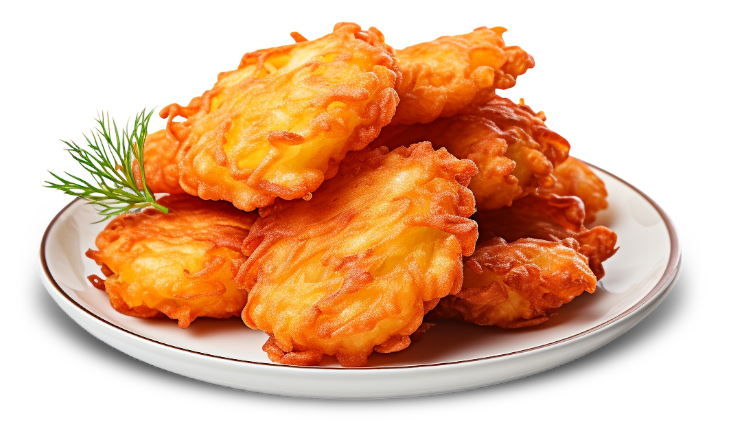
These pan-fried or deep-fried cakes, celebrated for their versatility, have a rich history that dates back to 1665, with their origins attributed to the ancient Romans who later introduced them to Europe. Fritters, characterized by a batter made with milk and egg akin to pancake batter, come in a myriad of forms across various cuisines. From Japanese tempura to American corn fritters, these crispy delights can be filled with an array of ingredients, including fruit, vegetables, meat, seafood, or cheese. The world is, quite literally, your fritter-filled oyster. The historical journey of fritters unfolds through diverse culinary traditions. French beignets, Italian bigne, and Greek loukoumades showcase the sweet side of fritters. Tempura, a Japanese creation influenced by Portuguese and Spanish techniques, offers a savory twist. In the U.S., corn fritters steal the show, capturing the essence of Southern comfort with ingredients like butter, milk, flour, egg, and corn kernels. As we explore the globe of fritters, it's worth noting the debate over what defines a true fritter. Some argue that anything battered and fried qualifies, while others insist on minced fillings. Regardless, the love for fritters transcends borders, featuring diverse renditions like the Philippine Kwek-Kwek, American Apple Fritters, Thai Nam Phrik Kapi, Korean Ojungeo-Twigim, Iranian Kuku-Sabzi, and British Pea Fritters.

Read the story
German Chocolate Cake
United States flagUnited States·June 11 2026

National German Chocolate Cake Day

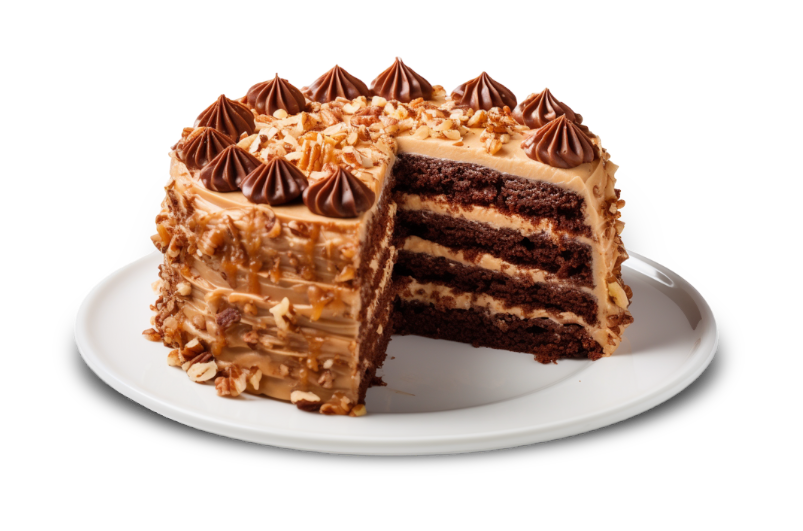
Despite its misleading name, German Chocolate Cake is not of German origin; rather, it has deep roots in American culinary history. Samuel German, an American chocolate maker, introduced Baker's German's Sweet Chocolate in 1852, a unique dark baking chocolate with added sweetness. Over a century later, in 1957, the cake gained widespread fame with a recipe debut in The Dallas Morning News by Mrs. George Clay, a Texas homemaker, featuring Baker's German's Sweet Chocolate. The General Foods Company, owner of Baker's brand, capitalized on the cake's popularity, leading to a remarkable 73% increase in Baker's Chocolate sales. However, the possessive ”s“ was dropped from the cake's name, evolving into the ”German Chocolate Cake,“ causing the misconception of German origins. This decadent treat consists of layers of rich chocolate cake adorned with a coconut-pecan frosting. Some variations include chocolate frosting on the sides and top, with Maraschino cherries as a finishing touch. The unique combination of black cherries, coconut, and luscious frosting creates a symphony of flavors and textures, making German Chocolate Cake a quintessential American creation that tantalizes taste buds.

Read the story
Gingerbread
United States flagUnited States·June 5 2026

National Gingerbread Day

The origins of gingerbread date back to ancient times, with the earliest known recipe hailing from 2400 BC Greece. The term ”gingerbread“ derives from the Latin ”zingebar,“ originally referring to preserved ginger, a spice originating in China and introduced to Europe through the Silk Road. Gingerbread had ceremonial roles in ancient Greece and Egypt, later appearing in medieval European fairs as hard cookies shaped like animals, royalty, and more, often adorned with gold leaf. Queen Elizabeth I's affinity for decorative gingerbread contributed to its association with elegance. Introduced to America by European settlers, gingerbread cookies played a role in colonial politics, featured in the first American cookbook by Amelia Simmons. The unique story of Gingerbread Lafayette involves Mary Ball Washington serving her gingerbread to Marquis de Lafayette during his visit to her Virginia home, adding historical depth to the American connection. The evolution of gingerbread is seen in its transformation from a soft cake to hard, shaped cookies, reflecting changing preferences over centuries. The beloved Christmas tradition of gingerbread houses likely originated in 16th-century Germany, gaining popularity after the publication of the Brothers Grimm's ”Hansel and Gretel,“ inspiring intricate, candy-adorned creations. Recent years have seen gingerbread enthusiasts creating massive houses, with a Texas creation holding the Guinness World Record at 60 feet long, 42 feet wide, and over 10 feet tall.

Read the story
Gingerspan
United States flagUnited States·July 1 2026

National Gingersnap Day

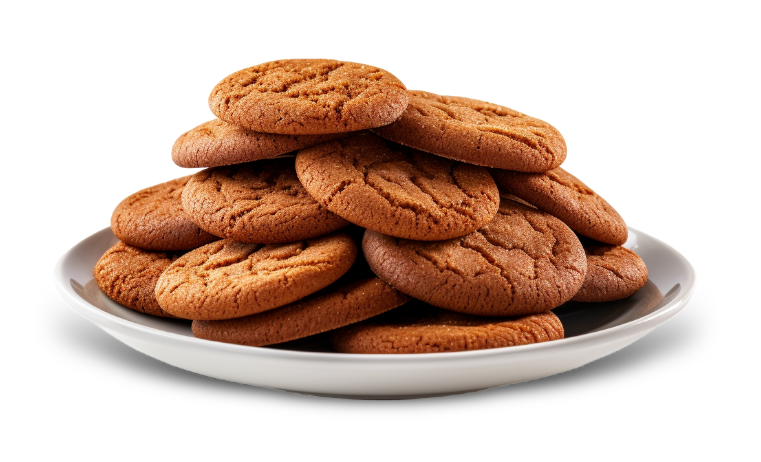
Also known as ginger biscuits or ginger nuts, these round, plain cookies are characterized by a distinct flavor profile featuring ginger, cinnamon, cloves, molasses, brown sugar, and nutmeg. While commonly enjoyed with tea, coffee, hot chocolate, or even ice cream and yogurt, their origins can be traced back to medieval monks in Franconia, Germany, during the 13th century. The story of gingersnaps begins with their precursor, Lebkuchen, honey-sweetened bar cookies similar to gingerbread, enriched with aniseed, coriander, cloves, allspice, cardamom, and ginger. Evolving from the German Christmas gingerbread, Lebkuchen, gingersnaps emerged, simplifying the spice blend to emphasize the distinctive ginger flavor. Introduced to the United States in the 19th century, they gained popularity as a snack, especially enjoyed with tea or coffee, and became favored by sailors for their durability during long journeys. National Gingersnap Day celebrates this beloved cookie, recognizing its rich history and the joy it brings to our taste buds. Although the exact origins of the holiday are elusive, it is believed to have roots in Germany in the 13th century or potentially medieval England. Beyond their delightful taste, gingersnaps offer health benefits, thanks to the anti-inflammatory properties of ingredients like ginger, cinnamon, and cloves, contributing to heart health, digestion, and oral hygiene. The inclusion of dried ginger, a key ingredient, adds antihistamine and decongestant properties, making these cookies more than just a tasty treat.

Read the story
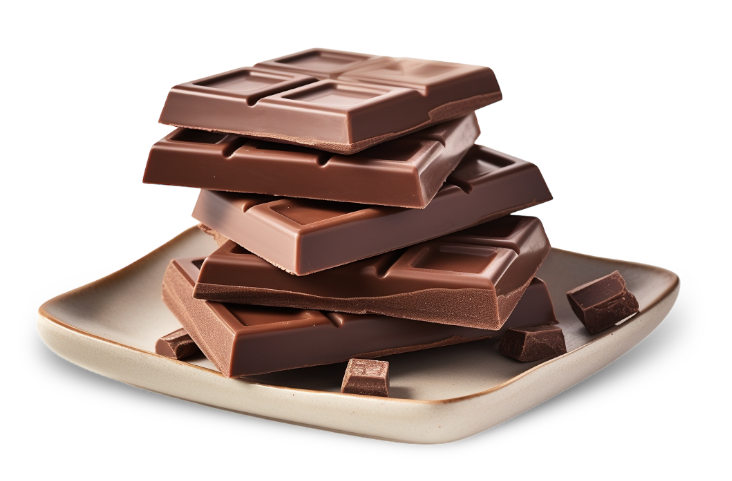
Milk Chocolate
United States flagUnited States·July 28 2026

National Milk Chocolate Day

Over three millennia ago, the ancient Olmec civilization in Latin America experimented with chocolate, creating a bitter, unsweetened liquid. In 1689, Irish physician Hans Sloane added milk to chocolate water during his time in Jamaica, laying the groundwork for milk chocolate. The pivotal moment arrived in 1839 when German company Jordan & Timaeus introduced milk chocolate as a beverage. The true transformation occurred in the 19th century when Swiss confectioner Daniel Peter and Henri Nestlé revolutionized chocolate. In the 1870s, their collaboration led to the creation of the first solid milk chocolate bar by incorporating condensed milk. This breakthrough marked a monumental shift, offering a creamier and sweeter chocolate experience. The introduction of solid milk chocolate bars in the late 19th century forever changed the chocolate landscape, captivating global palates and cementing milk chocolate as a beloved treat.

Read the story
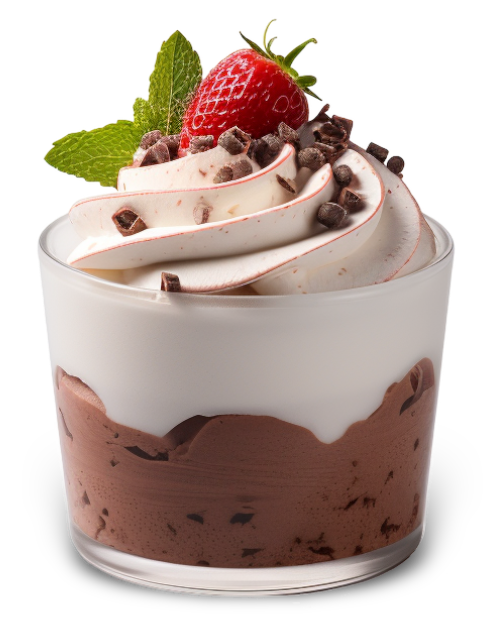
Mousse
United States flagUnited States·November 30 2026

National Mousse Day

The roots of mousse trace back to 18th-century France, where it was initially conceived as a savory dish. The term “mousse” itself signifies “foam,” reflecting its light and fluffy consistency achieved by whipping egg whites and cream. However, it wasn't until the late 19th century that fruit mousses gained popularity, with the French incorporating whipped cream into fruit, coffee, or liqueurs, creating what they called 'crème en mousse' or 'cream in a foam.' Chocolate mousse, now a beloved classic, rose to prominence in the U.S. during the 1930s, drawing inspiration from the introduction of chocolate pudding into American culinary culture. Over time, mousse recipes diversified, with savory versions featuring foie gras, shellfish, poultry, and vegetables, often stabilized with gelatin. **Interesting facts:** - In 1894, mousse was crafted from whipped cream, gelatin, and various ingredients. - Renowned artist Henri de Toulouse-Lautrec played a role in the evolution of mousse, experimenting with whipping chocolate and egg whites in 1900. - The term “chocolate mayonnaise” preceded the now-familiar “chocolate mousse.” - In 1977, white chocolate mousse made its debut in America and quickly won hearts. -Mousse cakes, multi-layered creations of mousse, biscuit, and filling, have gained popularity.

Read the story
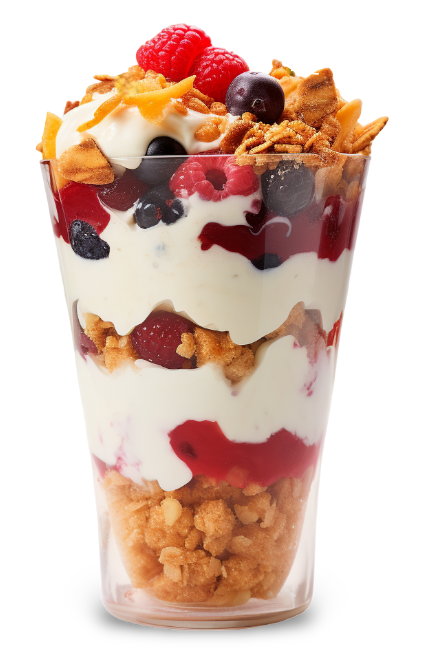
Parfait
United States flagUnited States·November 25 2026

National Parfait Day

The term “parfait,” meaning “perfect” in French, introduces a delightful culinary experience. Originating in France around 1894, the French parfait was a frozen dessert made from cream, eggs, sugar syrup, and sometimes alcohol, featuring a custard-like puree. The first recorded recipe surfaced in a late 19th-century French cookbook, formalizing parfait's introduction to the culinary world. As French cultural influence spread globally, so did the parfait, adapting to various styles. In the United States, the term encompasses both the French-style and American versions. American parfaits are a medley of flavors, featuring layers of parfait cream, ice cream, gelatin, and assorted toppings. The evolution of parfait in the USA went beyond French roots, with regions like the Northern U.S. and Canada incorporating yogurt, granola, fruit, and nuts. National Parfait Day, celebrated on November 25, is an occasion to enjoy and honor the diverse layers of flavor in this beloved frozen treat. Dessert evolution, from medieval sugar scarcity to Middle Ages sugar sculptures, paved the way for parfait's emergence. The Industrial Revolution democratized desserts, making them accessible to the masses. The French parfait stayed true to its origins, while the American version embraced creativity, leading to a dominant force in the dessert scene. National Parfait Day invites appreciation for the rich history and diverse variations of this frozen delight.

Read the story
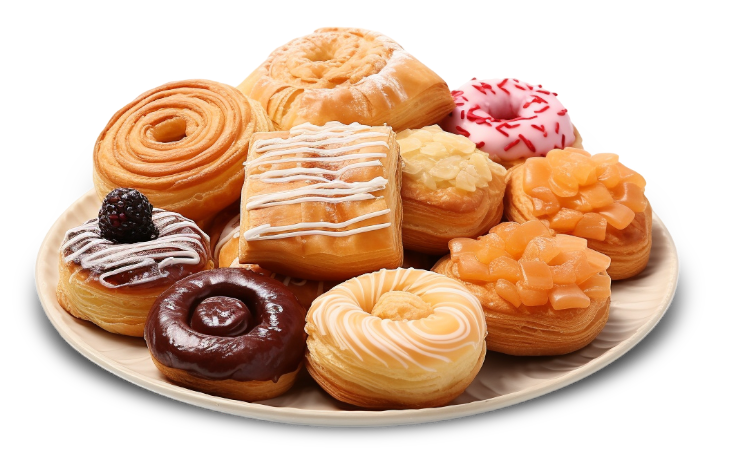
Pastry
United States flagUnited States·December 9 2026

National Pastry Day

National Pastry Day celebrates a rich history dating back to ancient Egypt, where innovative bakers crafted early pastries from wheat, honey, fruits, and nuts on hot stones. Greeks and Romans continued the tradition, creating sweet and savory pies in the 5th century BC. Medieval Europe elevated pastries to symbols of wealth, incorporating exotic spices introduced by Crusaders. The 17th century introduced delicate, flaky pastries, with the legendary Viennese croissant celebrating the defeat of the Ottoman Empire. In the 19th century, French pastry chefs like Antonin Carême became pioneers, creating iconic pastries such as éclairs and mille-feuille. Pastry evolution embraced regional flavors globally. In South America, empanadas gained popularity, while the Middle East contributed baklava. Asia introduced unique pastries like China's sweet bean paste-filled treats and Japan's mochi and manjū. National Pastry Day celebrates this culinary journey, recognizing pastries' cultural significance and the diverse, delicious creations that have delighted taste buds for centuries.

Read the story
Peach Pie
United States flagUnited States·August 24 2026

National Peach Pie Day

Peach pies have ancient origins, with the concept of pies dating back to Ancient Egypt around 1,300 B.C. Early pies featured plain bread dough filled with honey, fruits, and nuts. The Greeks had their version, enclosing meat in a flour and water paste. Over time, pie-making evolved, and by the 16th century, detailed instructions in cookbooks made the process accessible to a broader audience. As pie recipes traversed Europe and reached the Americas, they adapted to local tastes and seasonal ingredients. Metal dishes replaced pastry casings, and the American pie resembled the European tart, featuring softened fruit in syrupy sauce within a golden brown and bubbly shortcrust pastry. In modern times, pies became a sweet conclusion to meals, often enjoyed as a rewarding treat. Peach pie has roots in 14th-century Europe, with the first printed recipe credited to Geoffrey Chaucer in 1381 England. Dutch peach pie from the late 15th century introduced a unique twist – serving it with a scoop of ice cream on top, a tradition known as peach pie à la mode. This tradition made its way to America, where peach pie with ice cream is a popular combination. In the 19th century, homes in Georgia embraced fruit pies, including peach pie, for breakfast, considering it a hearty start to a day of hard work.

Read the story
Peaches N Cream
United States flagUnited States·June 21 2026

National Peaches N Cream Day

National Peaches 'N' Cream Day pays homage to the delightful combination of sweet, juicy peaches and creamy goodness, creating a timeless and traditional summertime dessert. Originating over 3,000 years ago in China, peaches made their way to North America through Spanish explorers, gaining popularity in regions like St. Augustine, Florida, and Jamestown, Virginia. The fusion of peaches and cream likely emerged from the widespread love for this delectable dessert, although the exact date of the holiday's creation remains unknown. The name “Peaches 'n' Cream” has left a mark on popular culture, inspiring artists like Snoop Dogg and appearing in various media. Peaches, with historical roots in China and a journey through the Silk Road to Europe, hold particular significance in the United States. Georgia, dubbed the 'Peach State,' and South Carolina boast some of the most delicious peaches, making June an apt time for National Peaches 'N' Cream Day. While the celebration began as an unofficial holiday, it has gained popularity over time, aligning with the United States Department of Agriculture's efforts to promote healthy eating habits. The USDA recommends peaches, cream, and ice cream as ideal choices for the occasion, encouraging people to make healthier food choices. **Interesting Facts:** - Peaches originated in China and were referred to as “Persian Apples” by the Romans. - China is the world's largest peach producer, followed by Italy. - In the United States, Georgia is known as the “Peach State,” and about half of all U.S. peaches come from California. - Peaches have become an iconic fruit symbolizing patriotism, health, and happiness in culinary creations.

Read the story
Peanut Brittle
United States flagUnited States·January 26 2026

National Peanut Brittle Day

In 1884, Marcellus Gilmore Edson patented peanut butter, unknowingly setting the stage for a nationwide culinary sensation. January 24 marks National Peanut Butter Day, urging us to momentarily disconnect from our phones and indulge in the timeless choice of crunchy or smooth. The day's history is entwined with peanut brittle, a 19th-century sweet treat believed to have originated in the southern USA during the Civil War, where peanuts were a vital protein source for soldiers. Peanut brittle's origin stories vary, with one tale attributing its creation in 1890 to a mix-up during taffy making by an English woman. Another theory connects peanut brittle to Celtic confectionery brought to America by Irish settlers in the 1830s, offering a sweet reminder of home. Easily cultivated in the South, peanuts gained popularity, making peanut brittles a cherished treat. To create peanut brittle, a sugar-water mixture is heated to 300 degrees Fahrenheit, known as the hard crack stage. Candy thermometers are crucial tools due to the temperature sensitivity of this process.

Read the story
Peanut Butter and Chocolate
United States flagUnited States·July 23 2026

National Peanut Butter and Chocolate Day

Peanut Butter and Chocolate Day celebrates the delectable union of peanut butter and chocolate, two ingredients with rich histories. Peanut butter's roots extend to the Aztecs, initially used as a remedy for toothaches, while chocolate was considered a royal drink and sacred offering. Although the exact moment of their first meeting is unclear, the combination has become iconic and beloved by sweet enthusiasts. The magic of Peanut Butter and Chocolate Day lies in celebrating the pairing of a humble legume, ground into a creamy paste, and a tree nut with grand aspirations. The true enchantment began when they merged, leading to countless variations of this delightful duo that have never disappointed culinary enthusiasts. Reese's Peanut Butter Cups played a significant role in popularizing this combination. Crafted by dairyman Harry Reese on a farm owned by chocolate mogul Milton Hershey, these cups became iconic, eventually leading to the founding of the H.B. Reese Candy Co. and its later acquisition by Hershey for $23.5 million. Today, Reese's Peanut Butter Cups rank as the second-best-selling candy product globally, showcasing the enduring popularity of this classic treat. The irresistible appeal of chocolate and peanut butter is attributed to “dynamic sensory contrast” by food scientist Gregory Ziegler. The contrast between the smooth, melt-in-your-mouth quality of chocolate and the satisfying crunch of peanuts creates a delightful sensation, often referred to as the “ice cream effect.” This dynamic duo's changing textures captivate taste buds, making it a timeless and beloved pairing enjoyed even after a hearty meal.

Read the story
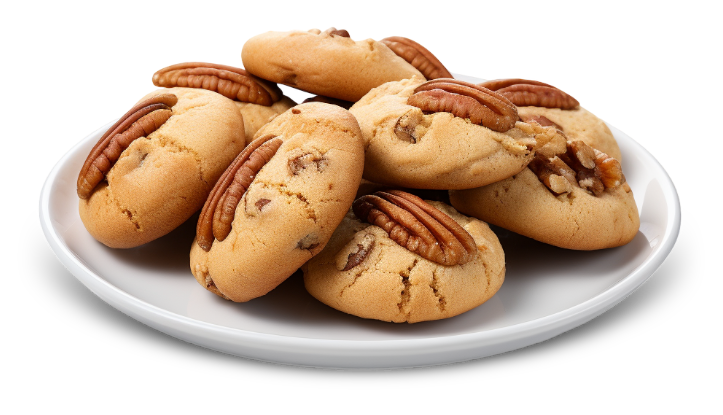
Pecan Cookie
United States flagUnited States·September 21 2026

National Pecan Cookie Day

National Queso Day, celebrated annually on September 20th, honors the rich history of a dish that originated in the Mexican state of Chihuahua and later became a staple in Tex-Mex and Southwestern cuisine. The journey of queso began with the Aztecs, who crafted an early version of ”chihuahua cheese.“ Spanish conquistadors introduced new cheese-making techniques, leading to the birth of melted cheese dishes that would later evolve into queso. The exact origins of queso are debated, with some crediting Otis Farnsworth in 1900 and others pointing to Martinez Café in 1918 for its introduction to Tex-Mex. Regardless, National Queso Day invites enthusiasts to savor the simple pleasures of Chile con Queso—a delectable blend of cheeses, cream, and jalapeño peppers, often enjoyed with tortilla chips or tortillas. The social and sharing aspect of queso, often served in communal bowls, has made it a popular choice for gatherings. Tex-Mex restaurants have elevated queso by offering variations with black beans, ground pork or beef, guacamole, and pico de gallo. While its exact roots may be debated, queso's undeniable deliciousness has solidified its place in American cuisine, with Velveeta's invention in 1918 and features in cookbooks. From Tex-Mex eateries to fast-food chains like Chipotle and Wendy's, the love for queso continues to grow, making it a beloved and versatile dish enjoyed across the United States.

Read the story
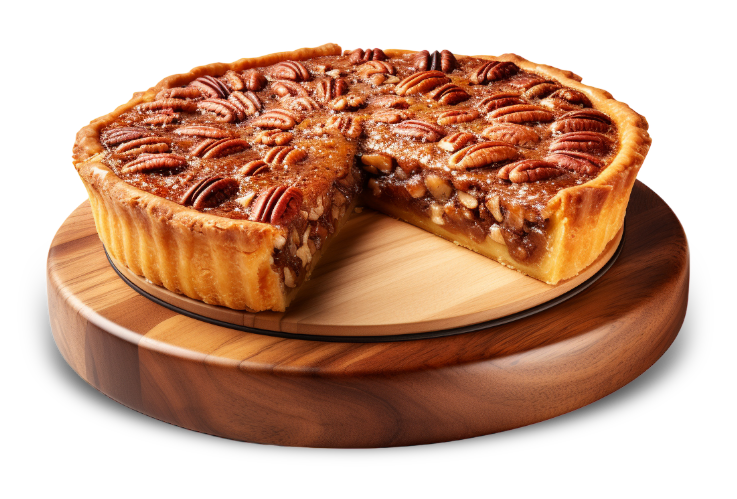
Pecan Pie
United States flagUnited States·July 12 2026

National Pecan Pie Day

The origins of pecan pie in America can be traced back to Native Americans who incorporated pecans into their cuisine, eventually leading to the creation of pecan pies. The precise origin of pecan pie is debated, with claims attributing it to French settlers in New Orleans in the 1700s or early roots in Alabama in the 1800s, though there is no conclusive evidence. The first documented pecan pie recipe emerged in 1886 in “Harper's Bazaar” magazine. Its popularity grew in the following decades, with appearances in well-known cookbooks such as “Joy of Cooking” and “Fannie Farmer.” Pecan pie gained widespread recognition in the 1930s when Karo corn syrup, a key ingredient, started promoting the recipe on its labels. Despite being associated with Southern cuisine, pecan pie has become a national favorite, featured prominently on Thanksgiving tables alongside other pies. The classic recipe includes pecans, eggs, sugar, butter, vanilla extract, and sweeteners like corn syrup. While regional variations may introduce ingredients like bourbon, whiskey, coconut, or chocolate, the simple and sweet nature of pecan pie remains a cherished part of fall and winter celebrations across the United States.

Read the story
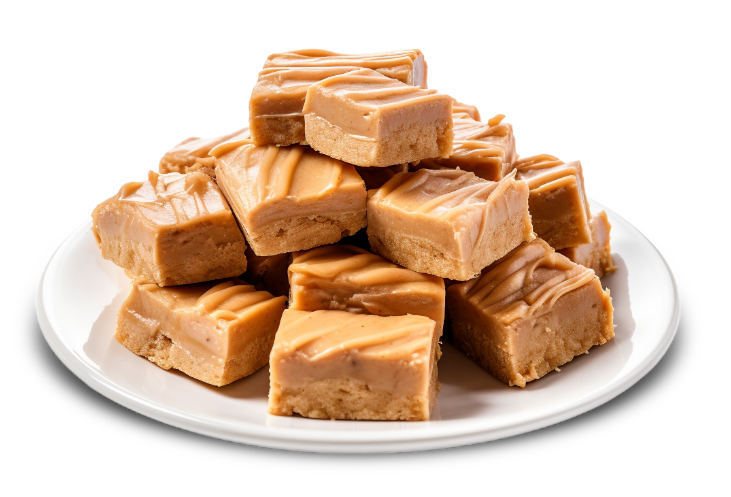
Penuche Fudge
United States flagUnited States·July 22 2026

National Penuche Fudge Day

Penuche, pronounced pe-new-chee or even panucci in Italian, is a type of fudge that sets itself apart with its unique blend of ingredients, including brown sugar, butter, milk, and a hint of vanilla. What truly distinguishes penuche fudge is its delightful lighter color, attributed to the caramelization of brown sugar. This confection is not only cherished in New England, where it likely originated, but also holds a place in the hearts of some Southern regions, where it's affectionately known as brown sugar fudge candy. The journey of penuche fudge extends beyond the mainland United States, making its way to Hawaii under the names 'panocha' or 'panuche.' In Quebec, a similar delicacy known as 'sucre à la crème' graces tables during the winter holiday season. What sets penuche apart from traditional fudge is its commitment to maintaining the purity of flavor; it is never infused with chocolate or other overpowering additions. Instead, its character is defined by the rich, caramel-like taste of brown sugar, which is the secret to its unique flavor. While nuts, particularly pecans, may be included to enhance the texture, they don't dominate the flavor profile.

Read the story
Pie
United States flagUnited States·January 23 2026

National Pie Day

Did you know pies have been around for thousands of years? The Ancient Egyptians made the earliest versions, filling crusts made from grains with honey or meat. By 2000 BC, they even had recipes for chicken pies carved into stone tablets. The Greeks introduced pie pastry as we know it, mixing flour and water to create a dough. The Romans took the idea further, using crusts to seal in the flavors of meat fillings—though these crusts weren’t meant to be eaten. Their recipes spread across Europe, and by the Middle Ages, pies were everywhere. In England, they were called "pyes" and often filled with meat. The crusts, called “coffins, ” were tough and used more for storage than eating. Pies became a big deal at banquets, where cooks would pack them with surprises, from live birds to elaborate decorations. They were practical, too—perfect for preserving food during long sea voyages. When English colonists came to America, they brought their pies with them. Over time, they swapped out meat fillings for local ingredients like pumpkins and apples. By the 1800s, sweet pies had become a staple, with recipes spreading across cookbooks. Apple pie, in particular, became iconic during World War II, when it symbolized home and comfort for soldiers. National Pie Day, celebrated every January 23rd, started in the 1980s to honor this beloved dish. It’s a day to bake, share, and enjoy pies of all kinds—from the earliest meat-filled versions to today’s sweet and savory creations. What is the most popular pie in the USA? Apple pie is a classic favorite in the U.S. Known as a symbol of America, it actually traces its roots to Britain. The pie is made with sliced apples and a double-crusted pastry dough.

Read the story
Pralines
United States flagUnited States·June 24 2026

National Pralines Day

The origins of pralines trace back to France, where Marshal du Plessis-Praslin’s chef, Clement Lassagne, is credited with their creation, though how exactly remains a mystery. Some say children in his kitchen caramelized almonds over a candle, while others claim an apprentice accidentally knocked almonds into hot caramel. When pralines arrived in New Orleans with Ursuline nuns in 1727, almonds were swapped for local pecans, and cream was added, giving birth to the pecan praline we know today. The nuns taught young “casket girls” this confectionery skill to prepare them for marriage, embedding pralines into Louisiana’s culinary history. By the 19th century, pralines became a vital part of New Orleans’ economy. Free women of color, known as pralinières, sold them in the French Quarter, gaining rare financial independence. While European pralines evolved into chocolate-filled bonbons, thanks to Belgian chocolatier Jean Neuhaus, American pralines remain a creamy, pecan-laden treat. Whether you say “prah-leen” or “pray-leen,” one thing is certain: the best way to experience this sweet Southern staple is fresh, hot off the slab in New Orleans.

Read the story
Rice Pudding
United States flagUnited States·August 9 2026

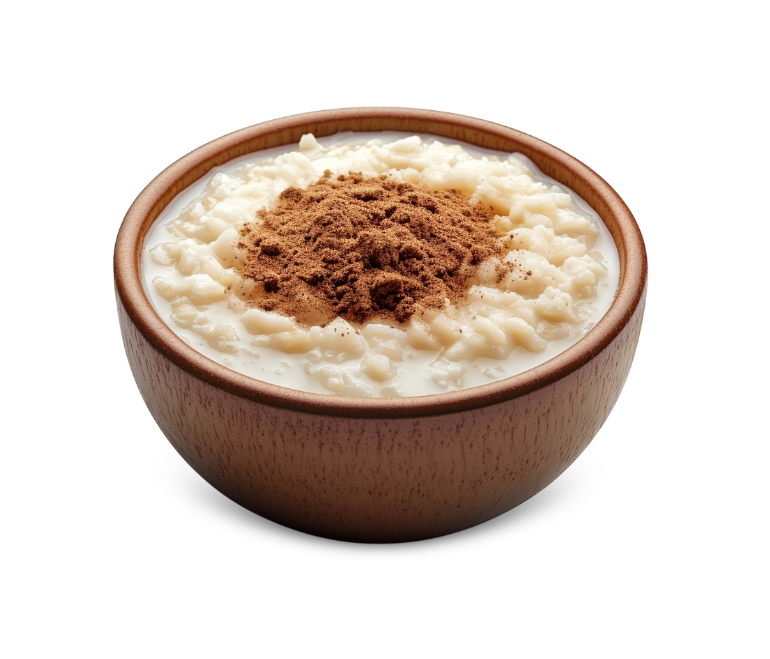
National Rice Pudding Day

Rice pudding is commonly enjoyed as a sweet dessert, but early versions were actually savory. Many believe rice pudding originated in ancient China or India, where rice and sugar played key roles in religious and cultural traditions. In India, a version called kheer was recorded as early as 6000 B.C., though it originally used sorghum instead of rice. Meanwhile, Middle Eastern and European rice puddings emerged in the 1300s, when rice was a luxury imported from Asia. Before the 1500s, European rice pudding was savory, cooked with broth, saffron, and almond milk. Sugar was later added, transforming it into the sweet dish we know today. By the 18th century, rice became more affordable, making rice pudding accessible to all. Rice pudding takes many forms worldwide. Spain’s arroz con leche features cinnamon and lemon zest, while Iran’s firni blends pistachios and cardamom. In the U.S., it’s often made with milk, sugar, cinnamon, and raisins.

Read the story
Rocky Road
United States flagUnited States·June 2 2026

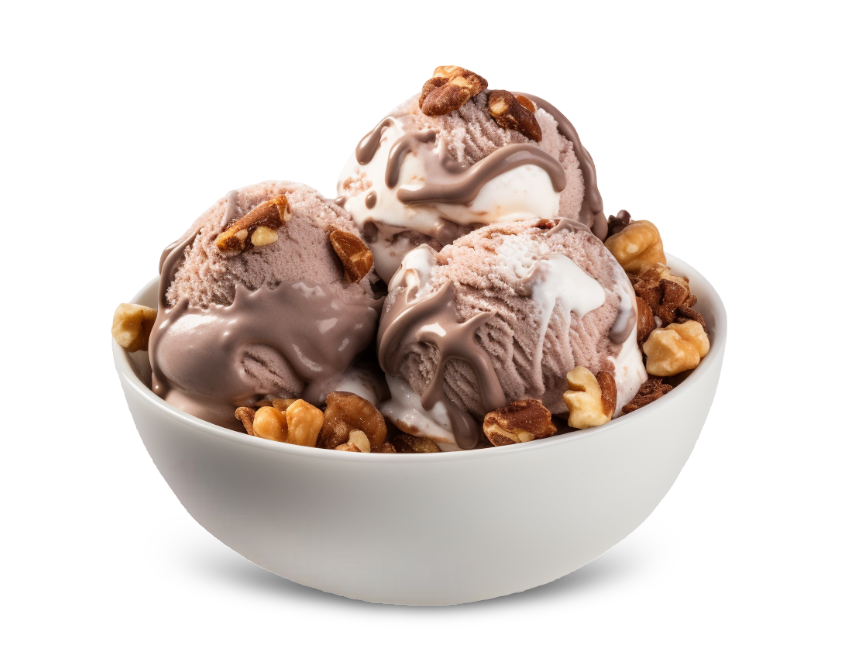
National Rocky Road Day

The journey of Rocky Road began in 1853, with its inception in Australia. Crafted by resourceful entrepreneurs, this sweet treat came into existence when they salvaged confectionery items that had suffered spoilage during a long journey from Europe. They ingeniously mixed these items with local nuts and low-quality chocolate. The dessert's name, ”Rocky Road,“ was a nod to the challenging terrain traversed by travelers on their way to goldfields, as the treat's appearance resembled a rough and bumpy road strewn with rocks and potholes. Fast forward to 1929, in Oakland, California, where William Dreyer introduced the world to Rocky Road ice cream. This delightful creation included the same key ingredients as the original dessert, and it was conceived with a noble purpose. Dreyer aimed to lift the spirits of those grappling with the economic turmoil of the Great Depression, which followed the infamous Wall Street crash. The ice cream's tagline, ”share a scoop, share a smile,“ encapsulated its mission to bring joy to people during trying times. Interestingly, another contender in the claim to Rocky Road's invention is George Farren, who asserted that he created the creamy ice cream by simply blending a candy bar with chocolate ice cream. **Interesting Facts:** - It takes approximately 12 pounds of milk to produce a single gallon of ice cream. - The United States holds the record for the highest per capita ice cream consumption, with an average of 48 pints per person annually. - It takes around 50 licks to savor a single-scoop ice cream cone completely.

Read the story
Sponge Cake
United States flagUnited States·August 23 2026

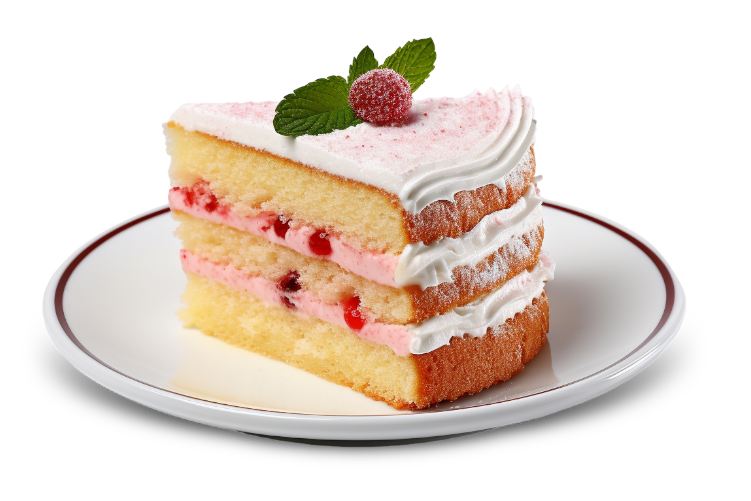
National Sponge Cake Day

The sponge cake, with origins in 18th-century Italy, specifically Genoa, emerged as the Pâte Génoise, a light confection leavened without yeast but with whipped egg whites. Its popularity soared, and the sponge cake's versatility saw it paired with savory dishes and sweet fillings across diverse culinary traditions. Today, it remains a staple, taking on various flavors and toppings. In England, Queen Victoria's affinity for the sponge cake led to its renaming as the “Victoria sponge cake.” This elegant dessert, featuring two sponge cakes filled with cream and jam, became synonymous with high tea and a cherished treat. The sponge cake's influence expanded globally, adapting to local ingredients and preferences. Various countries boast unique versions, such as Japanese cotton sponge cake, South-East Asian chiffon cakes, and Filipino mamon cakes. In the modern era, the Victoria sponge cake has experienced a resurgence, propelled by popular TV shows like the Great British Bake-Off. The internet now offers a plethora of recipes, including those from renowned figures like Mary Berry, making the art of creating the perfect sponge cake accessible to enthusiasts worldwide.

Read the story
Spumoni
United States flagUnited States·August 21 2026

National Spumoni Day

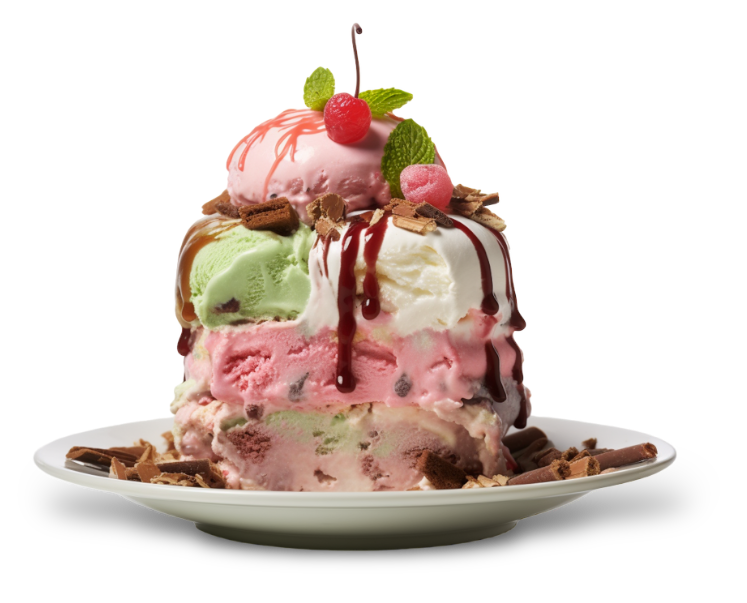
Spumoni, originating in 19th-century Naples, Italy, became a cherished dessert brought to the United States by Italian immigrants in the late 1800s. Its name, derived from the Italian word “spuma” meaning “foam,” reflects its light and airy quality. What distinguishes spumoni is its composition – three layers of ice cream, traditionally chocolate or vanilla, pistachio, and cherry, interwoven with layers of nuts and candied fruits, providing a delightful crunch and burst of sweetness. Respectful of tradition, spumoni is meant to be sliced, not scooped, showcasing its intricate layers and flavors. Although it may visually resemble Neapolitan ice cream, spumoni stands apart with its unique additions of nuts, candied fruits, and whipped cream. Originally featuring almond, semisweet chocolate, and stracciatella layers, spumoni in the U.S. has evolved to highlight cherry, pistachio, and chocolate flavors. Over time, additional variations emerged, incorporating hazelnut, vanilla, strawberry, and pineapple. Despite its transformation, spumoni's essence lies in its rich history, intricate layers, and the tantalizing combination of textures and tastes.

Read the story
Strawberry Sundae
United States flagUnited States·July 7 2026

National Strawberry Sundae Day

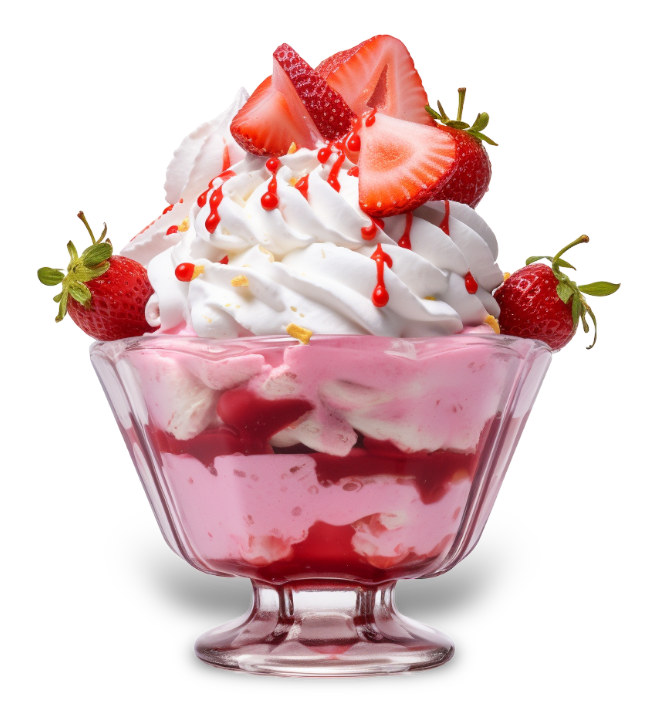
The strawberry sundae, a beloved dessert, is said to have originated at the 1892 St. Louis World's Fair, where ice cream vendor George Williamson created the first one by combining vanilla ice cream with fresh strawberries. The sundae's broader origin is debated between Ithaca, New York, and Two Rivers, Wisconsin, with each claiming to be the birthplace based on historical evidence. In Ithaca, pharmacist Chester Platt crafted an ice cream treat with cherry syrup, naming it after the day it was created – Sunday. Meanwhile, in Two Rivers, Druggist Edward Berners served a “Sundae” in 1881, bypassing local ordinances when a customer ordered an ice cream soda on a Sunday. National Strawberry Sundae Day celebrates this iconic treat, featuring vanilla ice cream, sweet strawberries, whipped cream, and a maraschino cherry. Beyond its crowd-pleasing appeal, the strawberry sundae offers a relatively healthy option, as strawberries are low in calories, high in fiber, vitamin C, and antioxidants. This delightful dessert brings together sweet and tangy flavors, making it a perfect treat for dessert enthusiasts of all ages.

Read the story
Waffle
United States flagUnited States·August 24 2026

National Waffle Day

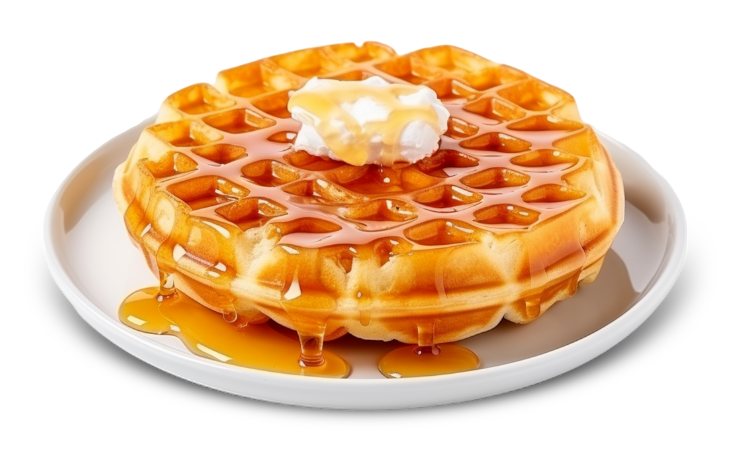
The inception of waffles dates back to a 14th-century French manuscript, with waffle irons emerging in the 13th or 14th century, establishing a centuries-old tradition. Waffles, with roots in ancient Greece, evolved by being cooked between hot metal plates. In the Middle Ages, wafers featured religious images, reflecting their cultural importance. Belgium played a pivotal role in waffle history, becoming the first nation where waffles gained immense popularity. Famous Belgian-style waffles are renowned for their crispy exterior and light, fluffy interior. Waffles reached America through European immigrants, leading to the development of American waffles, distinct with their thinner, denser texture, leavened with baking powder, and now a beloved breakfast staple. National Waffle Day is significant in American culinary culture, commemorating Cornelius Swartwout's 1869 patent for the first US waffle iron in Troy, New York – a milestone in waffle history. Waffles, now a global sensation, see diverse interpretations worldwide. From classic butter and syrup toppings to inventive creations like waffle sandwiches and hotdog buns, the ways to enjoy waffles are endless. Distinct types, such as the iconic Belgian waffle, American waffle, and Liege waffle, cater to various tastes and preferences, showcasing the versatile appeal of this beloved dish.

Read the story